Top Group Safaris to Do in 2026
March 3, 2026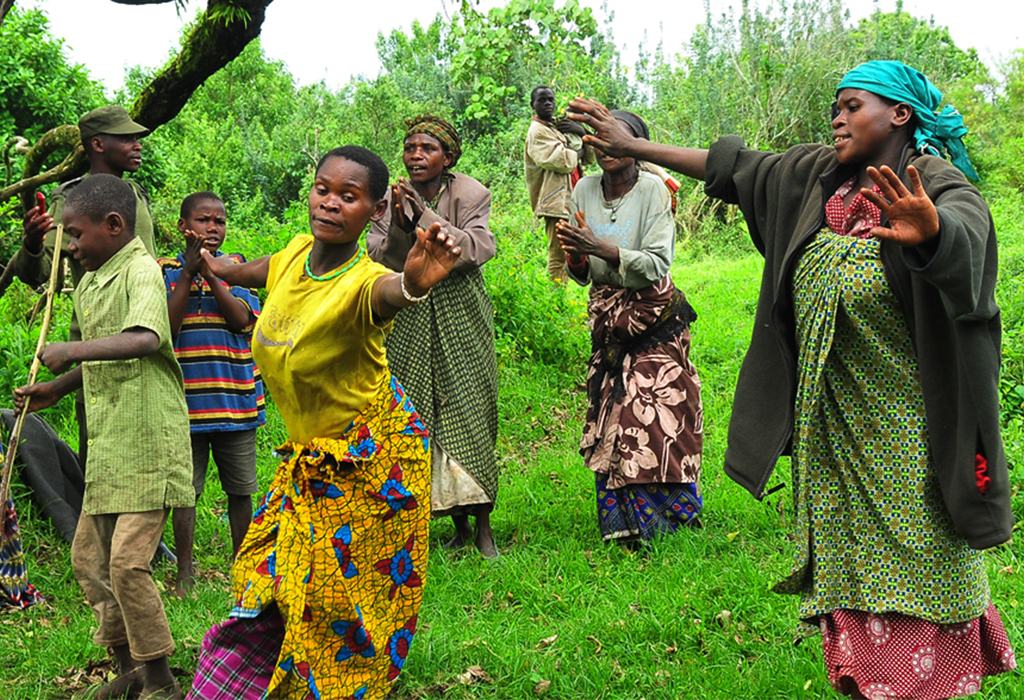
Village Walks and Community Visits in Uganda and Rwanda
March 3, 2026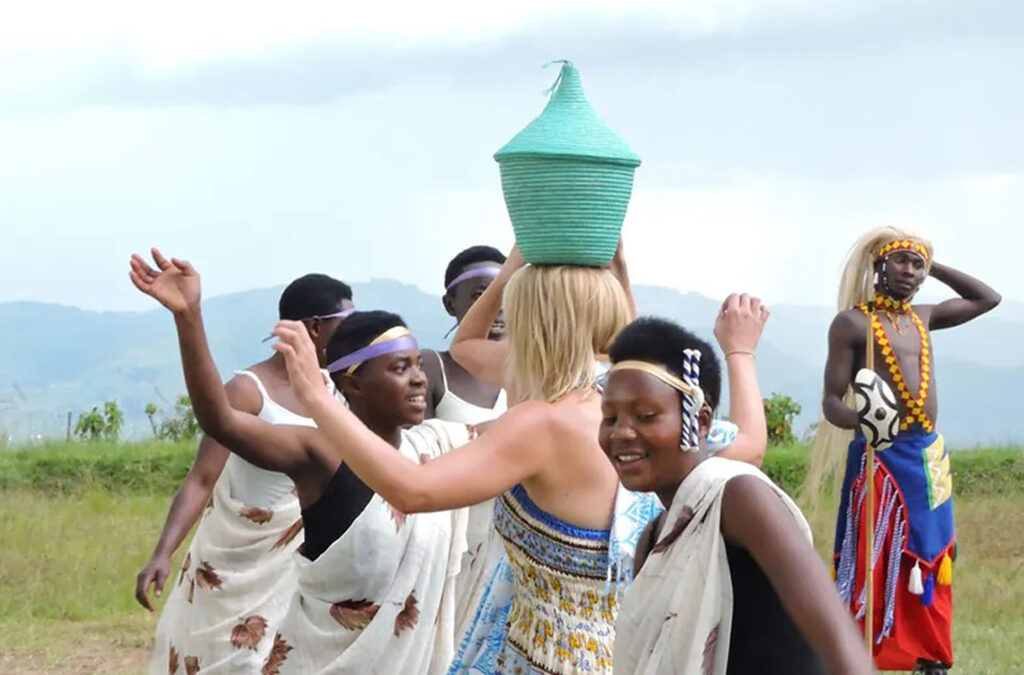
Uganda consistently surprises travelers who arrive expecting a typical African safari destination. Instead of predictable game drives and crowded parks, they discover a country rich in warmth, diversity, and deeply personal experiences. Uganda feels intimate. It feels real. And more often than not, it feels transformative.
From mist-covered rainforests to golden savannah plains, from roaring waterfalls to quiet village paths, Uganda blends wildlife, culture, and dramatic scenery in a way few places can match. Because of this rare balance, visitors often leave with more than photographs. They leave with emotional connections, lasting memories, and a desire to return.
So why do travelers fall in love with Uganda? The answer unfolds in layers.
A Landscape That Changes at Every Turn
One of the first things visitors notice about Uganda is how quickly the scenery transforms. In a single journey, you can move from rolling green hills to dense tropical forest, then on to wide-open plains dotted with acacia trees. These rapid changes create a sense of constant discovery.
Uganda holds remarkable natural contrasts. Lake Victoria, Africa’s largest freshwater lake, stretches across the southern border, shimmering under wide skies. In the west, the snow-capped Rwenzori Mountains rise dramatically, their peaks often wrapped in clouds. To the north, the powerful Nile River surges through narrow gorges before plunging over Murchison Falls in a thunderous display of force.
Each national park protects a different ecosystem. Murchison Falls National Park combines sweeping savannah with riverbanks alive with hippos and crocodiles. Bwindi Impenetrable National Park shelters one of the world’s last remaining populations of endangered mountain gorillas beneath thick rainforest canopy. Queen Elizabeth National Park surprises visitors with crater lakes, open plains, wetlands, and even tree-climbing lions.
Because of this diversity, no two days feel the same. Travelers constantly experience something new, and that sense of variety keeps Uganda unforgettable.
Wildlife Encounters That Feel Personal
While many African destinations offer wildlife viewing, Uganda delivers something deeper. Here, encounters often feel close, emotional, and personal rather than distant and rushed.
Gorilla trekking stands at the heart of that experience. Hiking through Bwindi’s dense forest builds anticipation step by step. When you finally stand a few meters away from a mountain gorilla family, the moment feels almost surreal. You watch them feed, groom, and interact. A silverback may glance in your direction with calm authority. A young gorilla may tumble playfully nearby. That single hour in their presence stays with travelers long after they return home.
Beyond gorillas, Uganda offers chimpanzee trekking in Kibale Forest, where lively troops swing through the trees and communicate with loud calls echoing through the canopy. Game drives reveal elephants crossing dusty tracks, lions resting beneath shade trees, and buffalo herds moving steadily across the plains. Boat safaris along the Kazinga Channel and the Nile River bring you eye level with hippos, crocodiles, and countless birds.
Bird enthusiasts, in particular, find Uganda extraordinary. With over 1,000 recorded species, the country ranks among Africa’s premier birding destinations. Even casual observers notice the vibrant flashes of kingfishers, bee-eaters, and fish eagles.
Because parks remain less crowded than in many neighboring countries, sightings feel unhurried. You spend time observing behavior rather than competing for space. That quiet intimacy strengthens the connection between traveler and wilderness.
A Culture That Welcomes You In
If the landscapes impress visitors first, the people often leave the deepest mark. Across Uganda, communities greet travelers with warmth, openness, and genuine curiosity. Smiles come easily. Conversations unfold naturally.
Cultural experiences here rarely feel staged or artificial. Instead, they provide authentic glimpses into daily life. In rural villages, visitors learn how families farm, cook, and build their homes. Near forest communities, local guides share stories of traditional hunting practices and medicinal plants. Music and dance performances celebrate heritage while inviting participation rather than passive observation.
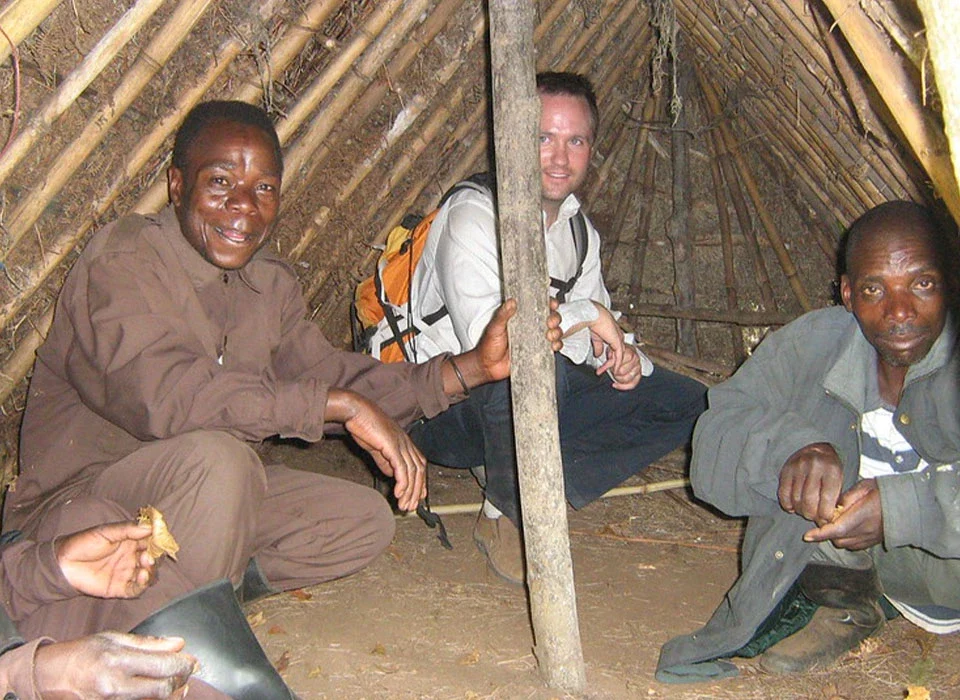
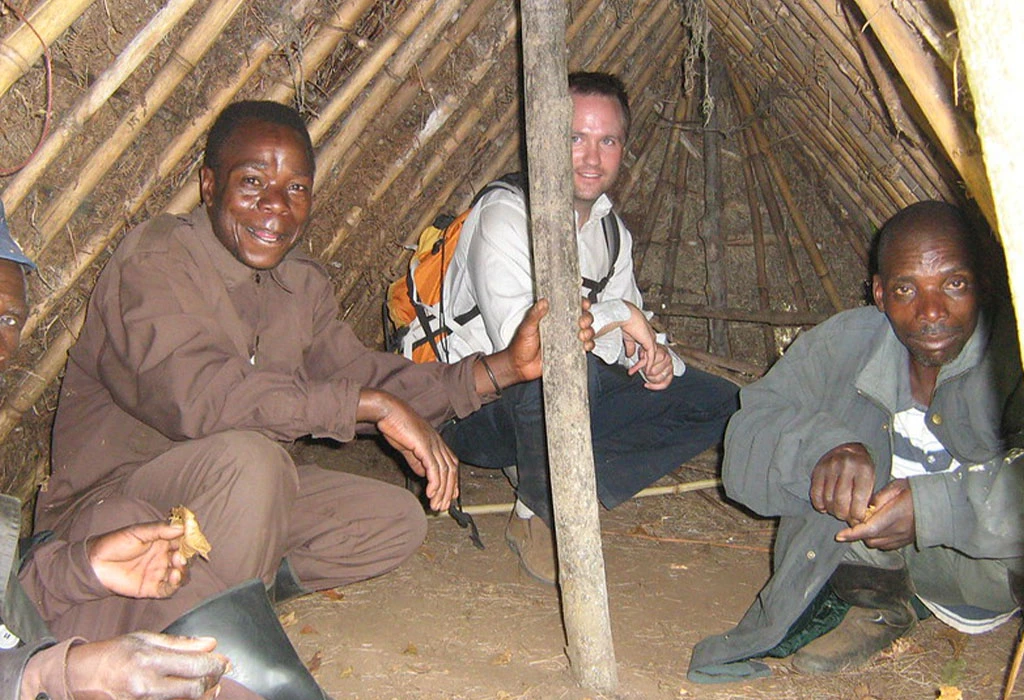
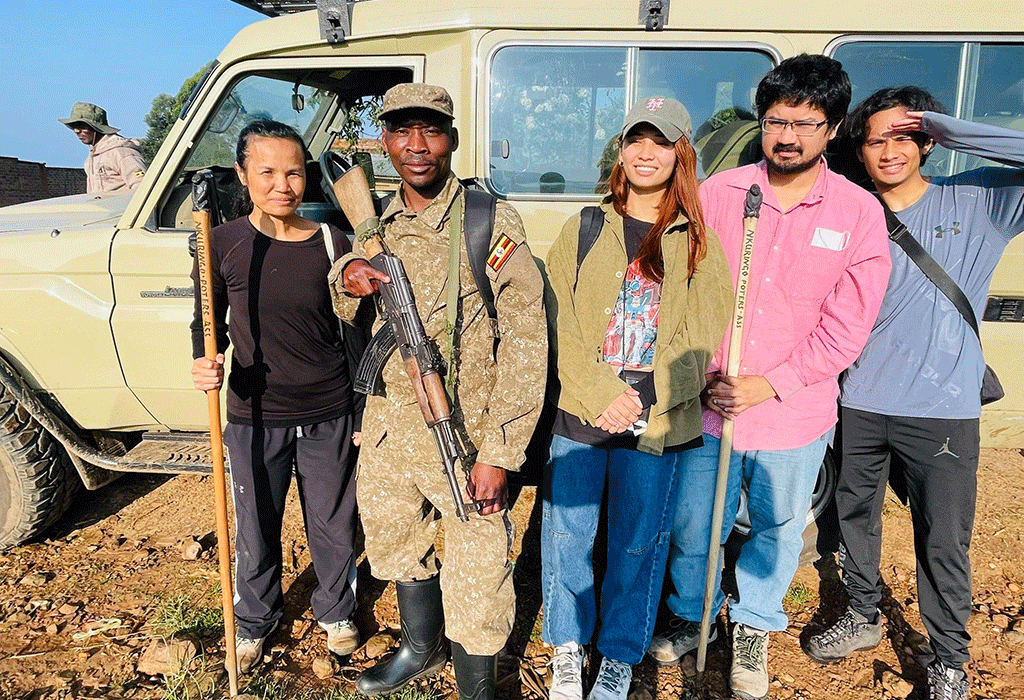
In southwestern Uganda, Batwa community experiences introduce visitors to one of the region’s oldest forest-dwelling cultures. These walks offer storytelling, demonstrations, and meaningful exchange, helping travelers understand both history and present-day challenges.
Through these encounters, visitors begin to see Uganda beyond its wildlife. They connect with people, hear personal stories, and gain perspective. That human connection often becomes the most treasured part of the journey.
Adventure That Energizes the Spirit
Uganda does not only invite quiet reflection. It also challenges and energizes those seeking adventure.
Jinja, located at the source of the Nile, has become a hub for adrenaline-filled activities. White-water rafting on the Nile ranks among the best in the world, sending rafts through powerful rapids while guides navigate with precision and skill. Kayaking, tubing, and bungee jumping add even more excitement for thrill-seekers.
For hikers, the Rwenzori Mountains offer demanding yet rewarding treks through shifting vegetation zones, from tropical forest to alpine meadows and glaciers. These multi-day hikes test endurance while rewarding climbers with dramatic, high-altitude scenery.
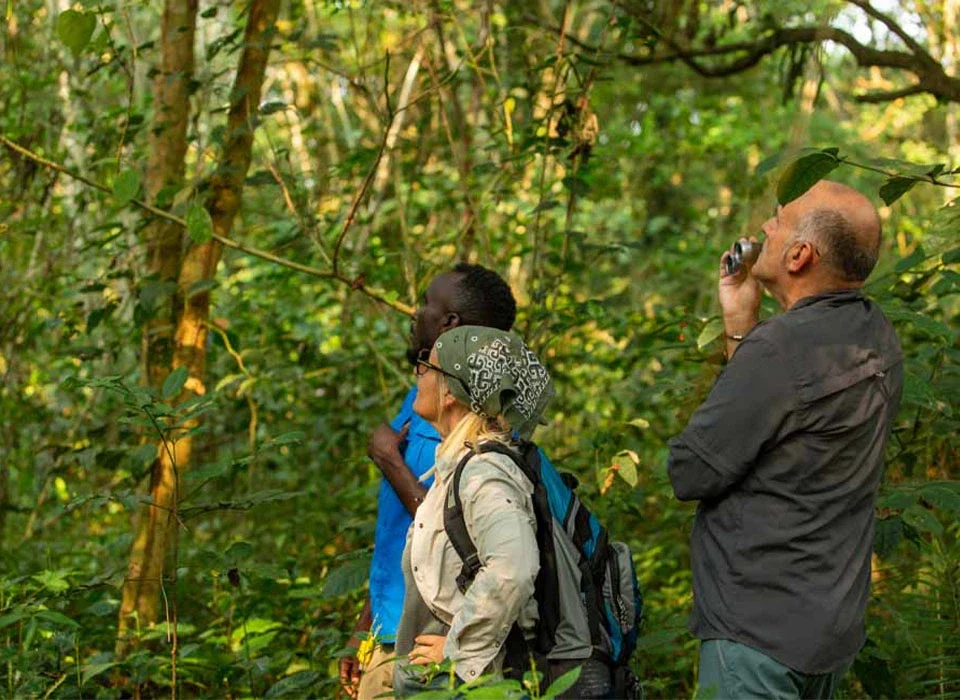
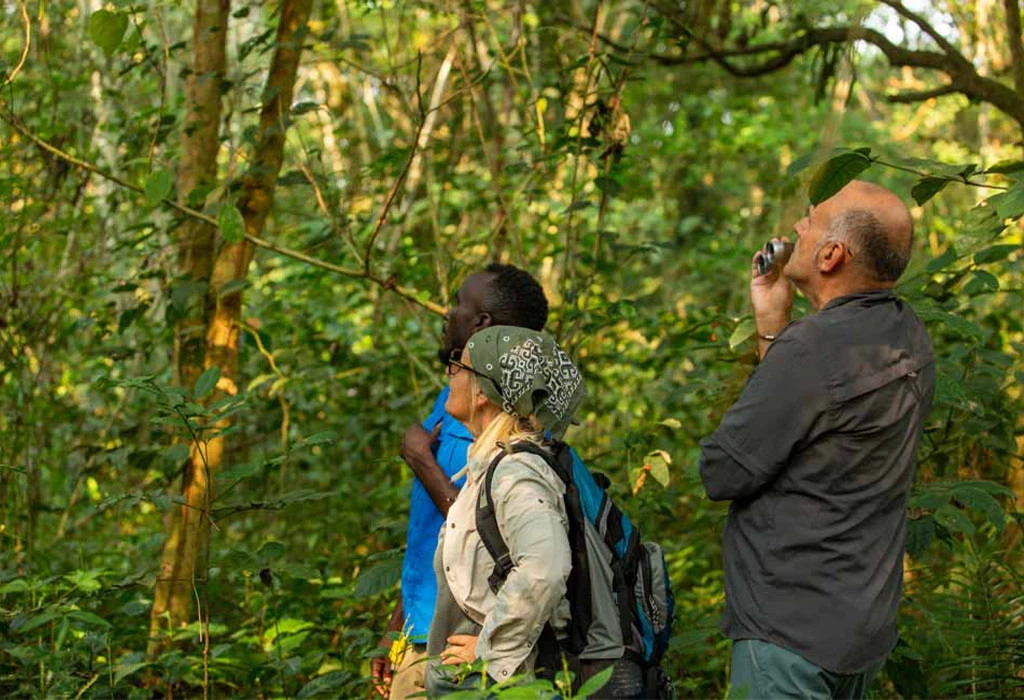
Even within national parks, guided nature walks and cycling excursions allow visitors to explore at a slower, more immersive pace. Instead of observing wildlife only from a vehicle, you engage your senses fully hearing birdsong, feeling forest humidity, and noticing small details often missed during game drives.
Because Uganda combines wildlife with active exploration, it appeals equally to those seeking relaxation and those craving movement.
Value Without Compromise
Travelers often express surprise at the overall value Uganda offers. Compared to some heavily marketed safari destinations, Uganda provides high-quality wildlife experiences at more accessible price points.
Accommodation options range from luxury lodges with panoramic views to comfortable mid-range camps and budget-friendly guesthouses. This range allows travelers to shape experiences according to their preferences and resources.
Moreover, Uganda’s compact geography makes itinerary planning flexible. In one well-designed trip, you can combine gorilla trekking, chimpanzee tracking, classic savannah safaris, lake excursions, and cultural visits without excessive travel time. That efficiency enhances both comfort and value.
As a result, solo travelers, couples, families, and small groups all find options that suit their style.
Space, Silence, and Authenticity
Perhaps one of Uganda’s most underrated strengths lies in its tranquility. Many parks remain refreshingly uncrowded. You may drive for long stretches without encountering another vehicle.
This sense of space changes the safari experience dramatically. Wildlife sightings feel private. Sunsets unfold quietly over open plains. Lodges maintain intimate atmospheres rather than bustling resort energy.
Without the pressure of mass tourism, travelers relax more deeply. They absorb their surroundings without distraction. In that stillness, Uganda reveals its authenticity.
A Journey That Stays With You
Ultimately, travelers fall in love with Uganda because it feels genuine. The landscapes inspire awe. The wildlife stirs emotion. The people offer warmth and hospitality. Together, these elements create a journey that feels balanced and meaningful.
Visitors often arrive curious, unsure of what to expect from a country less publicized than some of its neighbors. Yet they leave with stories they struggle to fully explain moments of eye contact with a gorilla, laughter shared in a village, the sound of the Nile at sunset.
Uganda does not overwhelm with spectacle alone. Instead, it quietly builds connection, day by day. And long after the journey ends, that connection remains.