Best Sectors for Double Gorilla Trekking in Bwindi
March 2, 2026
Discover the Best Places to Visit in Uganda in 2026
March 2, 2026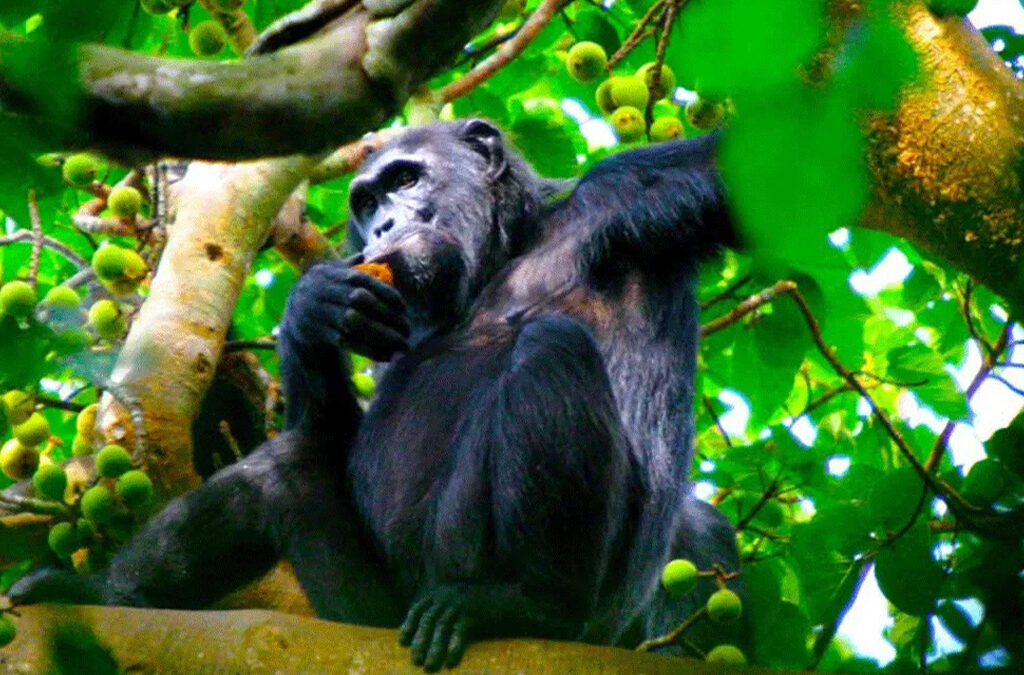
Often called the “Pearl of Africa,” Uganda is a true haven for wildlife lovers. If you are in Kampala, you are already perfectly positioned for one of Africa’s most unforgettable adventures: chimpanzee trekking.
These intelligent primates share nearly 98% of our DNA and live freely in Uganda’s lush tropical forests. Naturally, one of the most common questions travelers ask is: How close can I actually get to chimpanzees in Uganda?
Let’s explore what to expect, and why this experience feels far more personal than you might imagine.
Why Choose Uganda for Chimpanzee Trekking?
Uganda is one of Africa’s top destinations for chimpanzee trekking, with more than 5,000 wild chimpanzees spread across its forests. Unlike zoos or enclosed sanctuaries, trekking here places you directly in the chimpanzees’ natural habitat.
As you walk beneath towering trees, you will hear their distinctive pant-hoots echoing through the forest canopy. Soon after, you may see them swinging effortlessly between branches, grooming one another, or watching you with curious eyes. In many moments, their social interactions feel strikingly human.
Chimpanzee trekking also supports conservation. Permit fees fund anti-poaching patrols, habitat protection initiatives, research programs, and community conservation projects. By visiting, you contribute directly to preserving these endangered primates.
Uganda’s diverse landscapes allow you to combine chimp trekking with gorilla trekking, classic savanna safaris, boat cruises, and birdwatching. From Kampala, several trekking destinations are just a day’s drive away, making the adventure both accessible and rewarding.
The Best Places to See Chimpanzees in Uganda
Kibale National Park – The Primate Capital of the World
Located about five to six hours from Kampala, Kibale National Park is Uganda’s premier chimpanzee destination. Home to roughly 1,500 chimpanzees, Kibale has earned the title “Primate Capital of the World.”
The forest is rich in fruiting trees and vines, creating an ideal habitat for chimpanzees. Treks begin early in the morning, and you may walk between two and eight kilometers, depending on the chimps’ movements.
Once you locate the group, you spend one full hour observing them. Because these chimpanzees are habituated to human presence, encounters feel intimate yet respectful. Along the way, you may also encounter red colobus monkeys, grey-cheeked mangabeys, and other primates.
Kyambura Gorge – A Hidden Jungle in Queen Elizabeth National Park
Nestled within Queen Elizabeth National Park, about six to seven hours from Kampala, Kyambura Gorge offers a more adventurous trekking experience.
This dramatic 200-meter-deep gorge feels like stepping into a hidden rainforest valley. Although it hosts a smaller chimp population of around 16 to 20 individuals, the scenery is breathtaking.
Sightings range between 50 and 70 percent, as the chimps roam widely. However, when you encounter them, the experience is incredibly special. They often leap between trees along the steep gorge walls, creating remarkable photographic moments. After your trek, you can continue exploring the park’s savanna landscapes in search of lions, elephants, buffaloes, and hippos.
Budongo Forest – A Peaceful Northern Gem
Located within Murchison Falls National Park, about four to five hours north of Kampala, Budongo Forest shelters more than 600 chimpanzees.
Compared to Kibale, Budongo feels quieter and less crowded. Guides work closely with trackers, following vocal calls and fresh signs to locate the chimps. The forest itself is part of Uganda’s largest mahogany ecosystem, adding botanical richness to your walk.
Many visitors combine chimp trekking here with a Nile boat safari, a visit to the powerful Murchison Falls, and game drives featuring giraffes, elephants, and crocodiles.
Kalinzu Forest – Affordable and Accessible
Adjacent to Queen Elizabeth National Park, Kalinzu Forest hosts approximately 300 chimpanzees and offers strong sighting rates.
One of its greatest advantages is affordability. Permit fees are generally lower than in Kibale, making it a budget-friendly alternative without compromising the quality of the experience. Its location also allows easy combination with other western Uganda attractions.
Ngamba Island – A Sanctuary Experience
If trekking through dense forest is not ideal for you, Ngamba Island Chimpanzee Sanctuary offers an alternative experience. Located about 45 minutes by boat from Entebbe, the sanctuary cares for rescued orphaned chimpanzees in a protected environment.
Although these chimps are not wild, visitors observe them from designated viewing platforms during feeding times. The experience is educational, conservation-focused, and suitable for families or travelers with limited mobility.
How Close Can You Get to Chimpanzees?
The Official Distance Rule
The Uganda Wildlife Authority requires visitors to maintain a minimum distance of seven to eight meters, approximately 23 to 26 feet, from chimpanzees.
This regulation protects them from human diseases such as flu and respiratory infections, which can devastate entire chimp communities. Even a mild illness can pose a serious threat to their survival.
Chimpanzees are naturally curious and highly active. Occasionally, one may swing overhead or briefly pass closer than the required distance. When this happens, remain calm and allow your guide to manage the situation. Never attempt to approach, touch, or follow them.
Trekking Regulations You Should Know
To protect both visitors and wildlife, authorities strictly enforce several guidelines. Viewing time is limited to one hour once the chimpanzees are located. Groups are restricted to a maximum of eight visitors. The minimum age requirement ranges between 12 and 15 years, depending on the park.
Visitors who are sick, especially with respiratory symptoms, are not permitted to trek. Flash photography is prohibited, and eating, smoking, or littering near the chimpanzees is not allowed.
These regulations ensure sustainable tourism and long-term chimpanzee conservation.
What to Expect During Your Trek
Your experience begins with a briefing at the park headquarters, where rangers explain safety guidelines and assign you to a group.
You will then hike along forest trails that may include dense vegetation, muddy paths, and occasionally steep terrain. The trek can last anywhere from one hour to several hours, depending on the chimpanzees’ location.
When trackers finally locate the group, the atmosphere changes instantly. The forest feels alive. You may observe mothers nursing infants, juveniles playing energetically, adults grooming one another, or dominant males calling loudly to assert their presence.
The surrounding sounds of birds, insects, and rustling leaves create a magical soundtrack to the encounter.
Tips for an Unforgettable Chimpanzee Trek
Booking your permit early is essential, especially during peak travel seasons. Popular destinations such as Kibale often sell out months in advance. Experiya Tour Company can assist with securing permits and organizing transport, accommodation, and guiding services.
The best trekking months are typically June to August and December to February, when trails are drier and hiking conditions are easier. However, chimpanzees can be tracked year-round.
Pack sturdy hiking boots, long sleeves, trousers, a rain jacket, insect repellent, drinking water, and a camera with a zoom lens. Hiring a porter can make your trek more comfortable and also supports local livelihoods.
If you desire more time with the chimpanzees, consider a chimpanzee habituation experience. This full-day activity allows you to accompany researchers and spend extended hours observing chimp behavior in greater depth.
Why Your Visit Matters for Conservation
Chimpanzee trekking plays a critical role in conservation across Uganda. Tourism revenue supports anti-poaching patrols, forest protection programs, scientific research, and community development initiatives near protected areas.
Despite these efforts, chimpanzees still face threats such as habitat loss and human encroachment. By trekking responsibly with Experiya Tour Company, you directly contribute to safeguarding these remarkable primates for future generations.