Combining Nyungwe, Volcanoes, and Akagera National Parks
January 12, 2026
Best Time to Visit Rwanda: Travel and Climate Guide
January 12, 2026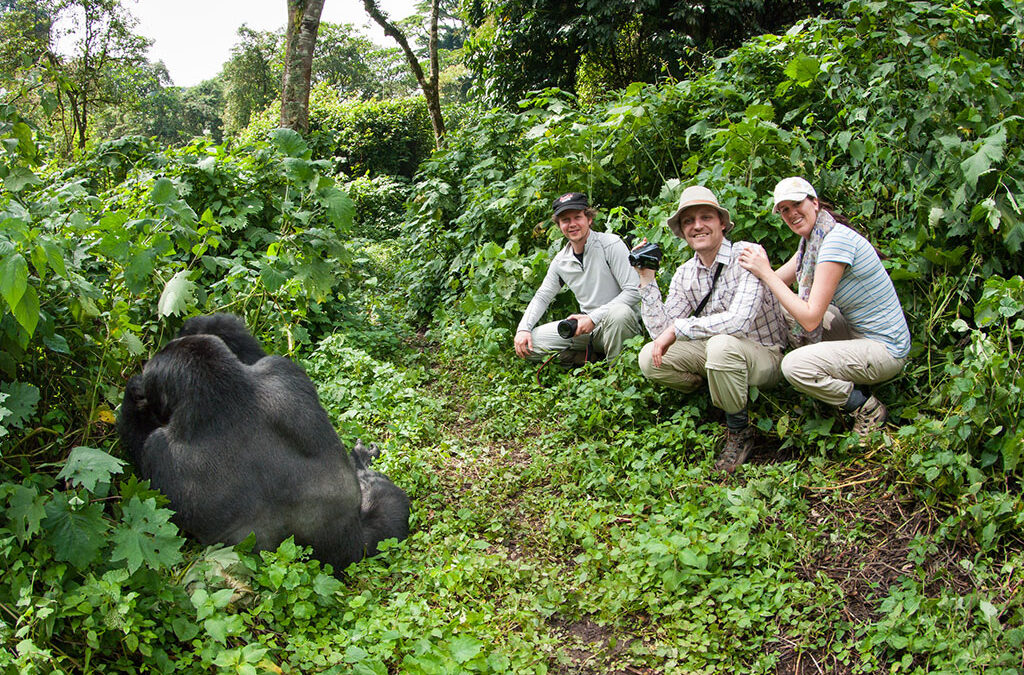
Gorilla trekking in Uganda is widely considered worth the high permit cost by most travelers worldwide. The fee represents a vital investment in conservation efforts that protect endangered mountain gorillas from extinction. Moreover, the experience offers visitors a unique and genuinely life-changing encounter with these magnificent creatures. The gorilla permit price covers essential services including expert guidance, community development, and strict conservation measures. Furthermore, the emotional impact of meeting gorillas in their natural habitat creates memories that last forever.
Why Uganda’s Gorilla Permit Justifies Every Dollar Spent
Conservation Efforts that Save Mountain Gorillas
The $800 permit fee directly funds critical anti-poaching patrols that protect gorillas every single day. Rangers and trackers monitor gorilla families constantly, ensuring their safety within Bwindi Impenetrable National Park. Additionally, veterinary teams provide medical care when gorillas fall sick or sustain injuries from fights. Habitat preservation programs maintain the dense forest ecosystem that gorillas need to survive and thrive. Consequently, these combined efforts have led to a steady increase in mountain gorilla populations. The species once faced imminent extinction but now shows promising signs of recovery throughout Uganda.
Supporting Local Communities through Tourism Revenue
A significant percentage of permit revenue flows directly into nearby villages and local community projects. Schools receive funding for books, classrooms, and teacher salaries that improve education for children. Health clinics get medical supplies and equipment that save lives in remote mountain communities. Infrastructure improvements include roads, bridges, and water systems that benefit thousands of local residents. Therefore, communities see tangible benefits from protecting gorillas rather than threatening them through poaching. This revenue-sharing model encourages villagers to become active guardians of gorilla families and forest.
Expert Guidance and Safety During Your Trek
Your permit covers experienced guides who know every trail and gorilla family intimately well. Trackers wake early and locate gorilla groups before tourists begin their morning forest journey. Armed rangers accompany each group, protecting visitors from potentially dangerous wildlife like forest elephants. These professionals share fascinating information about gorilla behavior, forest ecology, and conservation success stories. Additionally, they ensure trekkers maintain safe distances and follow strict rules that protect both species. Their expertise transforms a simple hike into an educational and deeply meaningful wildlife experience.
Limited Access Creates Intimate and Exclusive Encounters
The high permit price deliberately controls visitor numbers to minimize stress on gorilla families. Only eight people can visit each habituated group per day for just one hour. This exclusivity ensures gorillas maintain natural behaviors without feeling overwhelmed by constant human presence. Furthermore, limiting contact reduces the risk of transmitting human diseases to these genetically similar creatures. The restricted access makes your encounter feel privileged, rare, and profoundly special compared to typical safari experiences. You share this magical moment with a small group rather than crowded tourist masses.
The Life-Changing Value of Meeting Mountain Gorillas
Emotional Experiences that Surpass All Expectations
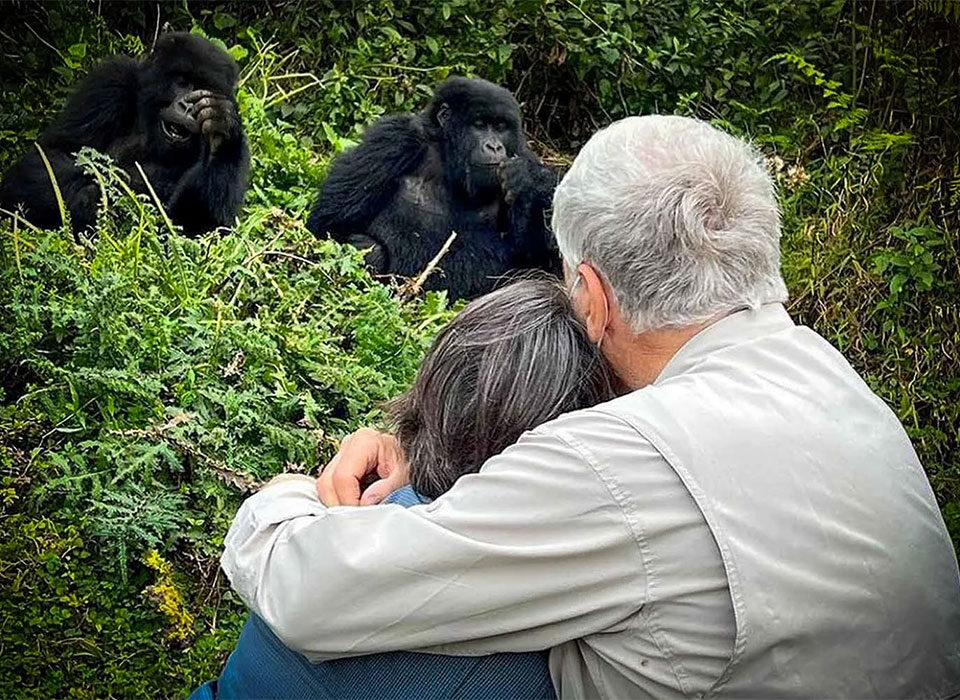
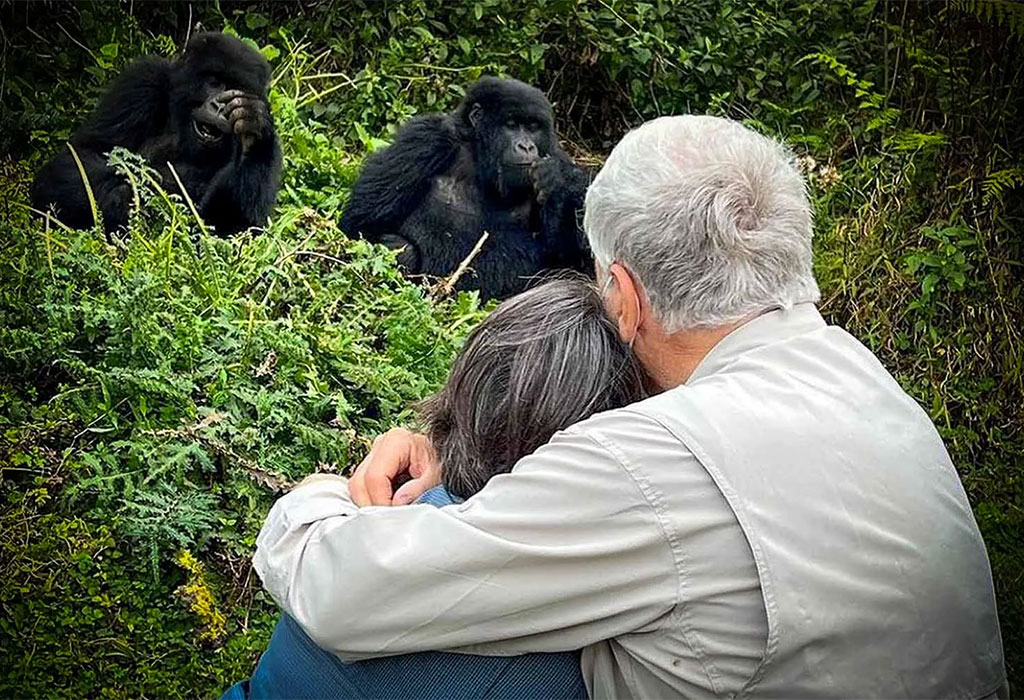
Most travelers describe their gorilla encounter using words like “magical,” “unforgettable,” and “deeply moving.” Watching a silverback gorilla feed peacefully just meters away creates overwhelming emotional responses in visitors. Baby gorillas tumble and play while mothers nurse infants with tender care that mirrors humanity. The intense eye contact with these intelligent beings creates profound connections that photographs simply cannot capture. Moreover, the challenging forest trek builds anticipation that makes the final encounter even more rewarding. All muscle aches and fatigue vanish instantly when you first glimpse gorilla families through vegetation.
Trekking Through Ancient and Breathtaking Forest Landscapes
Bwindi’s dense jungle offers stunning scenery with towering trees, hanging vines, and colorful tropical flowers. Morning mist clings to mountain slopes, creating an otherworldly atmosphere that feels truly prehistoric. Birds call from the canopy while butterflies dance through shafts of filtered golden sunlight. The physical challenge of hiking steep muddy trails adds genuine adventure to your gorilla encounter. Furthermore, reaching gorillas after hours of trekking creates an incredible sense of personal accomplishment. The forest itself becomes part of the transformative experience rather than just an obstacle.
Uganda Offers Better Value Than Rwanda’s Gorilla Permits
Uganda charges $800 for standard one-hour gorilla trekking permits compared to Rwanda’s $1,500 price. Both countries offer similar experiences with the same endangered mountain gorilla subspecies in natural habitat. Consequently, budget-conscious travelers save $700 per person by choosing Uganda over Rwanda for trekking. Additionally, Uganda provides a unique Gorilla Habituation Experience permit for $1,500 with 4 hours contact. This specialized permit allows visitors to observe researchers working with semi-habituated gorilla groups throughout morning. The extended time provides deeper insights into gorilla behavior and conservation science than standard treks.
Exploring Bwindi Impenetrable National Park’s Four Trekking Sectors
Buhoma Sector in Northern Bwindi
Buhoma represents the oldest and most developed sector with easier trails for less experienced trekkers. This area offers excellent opportunities for Batwa Pygmy cultural encounters and traditional forest experiences. Proximity to Queen Elizabeth National Park allows travelers to combine gorilla trekking with classic savanna safaris. The sector provides comfortable lodges and well-established tourism infrastructure for visitor convenience and comfort. However, popularity means Buhoma sometimes feels more crowded compared to other quieter park sectors.
Ruhija Sector in Northeast Bwindi
Ruhija sits at higher altitudes, offering cooler temperatures and spectacular views across forested mountains. Habituated families like Bitukura and Owinshana roam through beautiful highland terrain with diverse vegetation. This sector attracts fewer visitors, providing more peaceful and intimate gorilla trekking experiences overall. Additionally, Ruhija’s location makes it easy to combine trekking with wildlife drives nearby. The cooler climate suits travelers who find tropical heat uncomfortable during strenuous forest hikes.
Rushaga Sector in Southern Bwindi
Rushaga hosts the largest number of habituated gorilla families including Nshongi, Mishaya, and others. This sector exclusively offers the Gorilla Habituation Experience where visitors spend four hours with families. Multiple family options increase your chances of securing permits even during peak travel seasons. The area combines excellent trekking with opportunities to explore nearby cultural sites and community projects. Consequently, Rushaga attracts serious gorilla enthusiasts seeking extended time and diverse family encounters.
Nkuringo Sector in Southwestern Bwindi
Nkuringo features challenging treks with steep terrain but rewards hikers with absolutely breathtaking panoramic views. This remote sector offers authentic wilderness experiences away from main tourist concentrations and crowds. Close proximity to Mgahinga Gorilla National Park allows golden monkey tracking on multi-day itineraries. The dramatic landscape creates stunning photography opportunities before, during, and after gorilla encounters. However, only physically fit trekkers should attempt Nkuringo’s demanding trails and elevation changes.
Essential Information for Planning Your Gorilla Trek
Understanding Permit Costs and Booking Requirements
Foreign non-residents pay $800 per permit while foreign residents pay $700 for identical experiences. East African Community citizens enjoy significantly reduced rates of just UGX 300,000 per trek. Gorilla Habituation Experience permits cost $1,500 regardless of nationality for four hours contact time. Permits sell out months ahead, especially during dry seasons from June through September. Therefore, book early through Uganda Wildlife Authority or reputable operators like Experiya Tour Company. Advanced planning ensures you secure preferred dates and desired sectors for your trek.
What to Expect on Trekking Day
Group sizes never exceed eight trekkers per habituated family to protect gorillas from stress. Trek duration varies wildly from 30 minutes to seven hours depending on gorilla movements. Gorillas roam freely, so trackers must locate families each morning before groups depart lodges. The one-hour viewing time begins only after you successfully reach the gorilla family location. Hiring porters is highly recommended both for personal assistance and supporting local community employment. These experiences require reasonable fitness levels, sturdy boots, and genuine respect for wildlife guidelines.