Are Luxury Lodges Available Near Gorilla Parks?
June 22, 2026
Do I Need a Guide to Hike Mount Bisoke?
June 23, 2026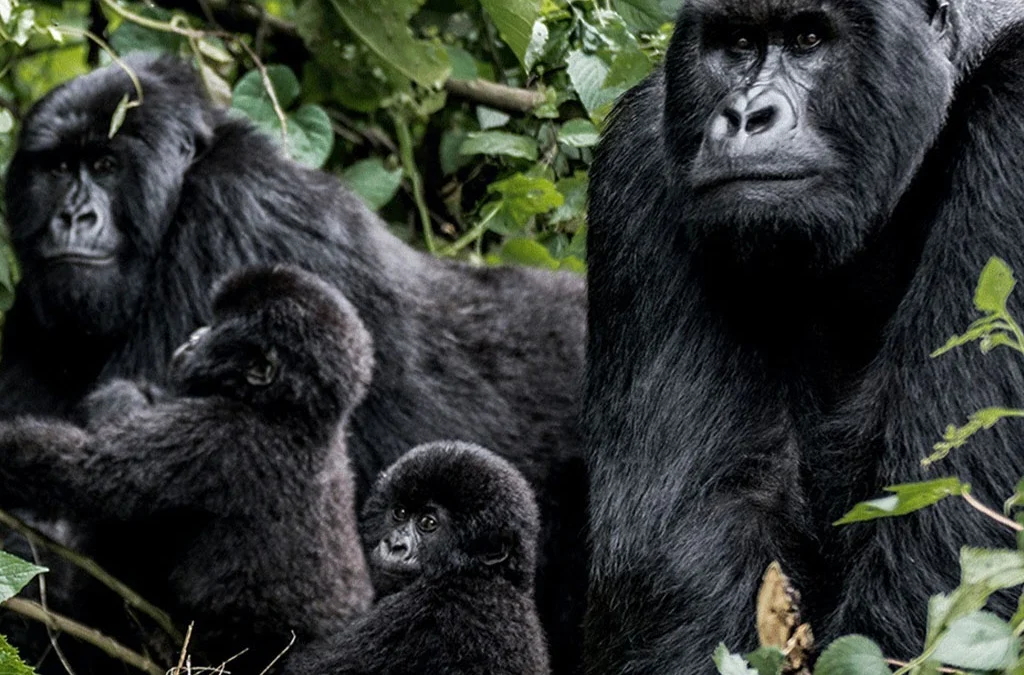
Gorilla trekking is one of the most unforgettable wildlife experiences in the world, offering travelers a rare opportunity to meet endangered mountain gorillas in their natural rainforest habitat. Many visitors planning Uganda Safaris and Rwanda Safaris often ask, “Why is there an age restriction for trekking gorillas?” This question is especially common among families traveling with children who want to share this once-in-a-lifetime adventure together.
The age restriction for gorilla trekking is not simply a rule created to limit participation. Instead, it is an important conservation and safety measure designed to protect both visitors and the fragile mountain gorilla populations. Wildlife authorities in Uganda and Rwanda have carefully established regulations to ensure that every trekking experience remains safe, responsible, and sustainable.
Currently, the minimum age for gorilla trekking is generally 15 years and above in both Uganda and Rwanda. This requirement helps ensure that participants have the physical ability, emotional readiness, and understanding needed to follow strict trekking guidelines while visiting these incredible primates.
For travelers searching for answers about why there is an age restriction for trekking gorillas, understanding the reasons behind this rule provides a deeper appreciation for the conservation efforts that make Gorilla Safaris possible.
Why Does Gorilla Trekking Have a Minimum Age Requirement?
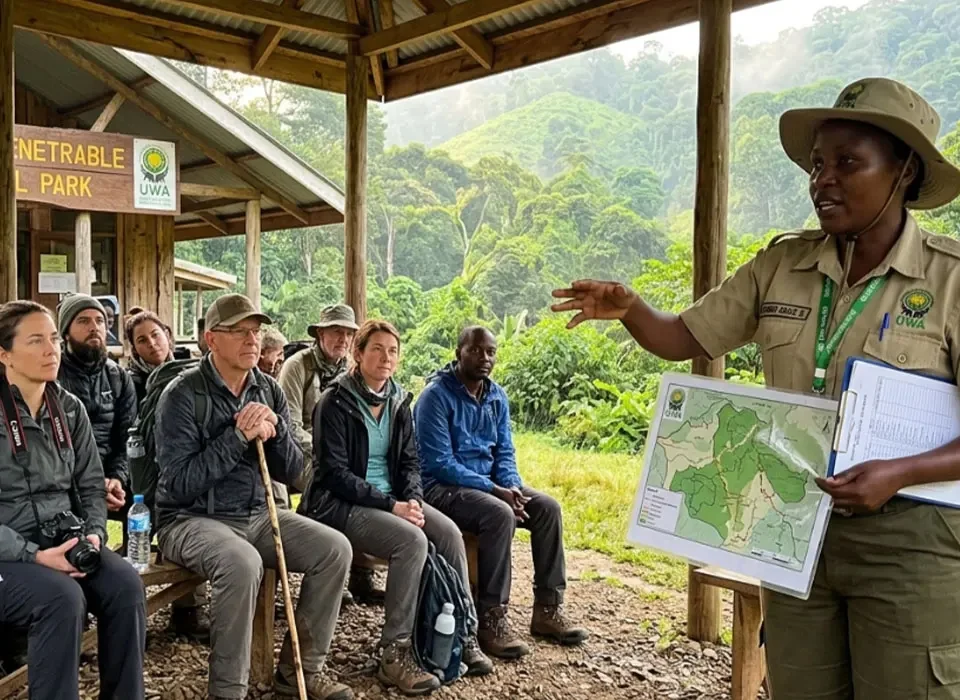
Gorilla trekking takes place in challenging rainforest environments where visitors must hike through thick vegetation, steep slopes, muddy trails, and changing weather conditions. Unlike a traditional safari game drive where travelers observe wildlife from a vehicle, gorilla trekking requires visitors to walk through the forest for several hours before reaching a gorilla family.
Because of these conditions, participants need a certain level of physical strength and endurance. Younger children may struggle with long hikes, difficult terrain, or unexpected weather changes. They may also become tired or uncomfortable during the trek, which can affect their safety and the experience of other visitors.
By setting a minimum age requirement, conservation authorities ensure that trekkers can handle the physical demands of the journey. This allows guides to focus on creating a safe and enjoyable experience while minimizing challenges during the trek.
In addition, gorilla trekking requires patience and discipline. Visitors must move quietly, maintain a respectful distance from the gorillas, and carefully follow instructions from trained guides. Older participants are generally more prepared to understand and follow these important rules.
Protecting Mountain Gorillas from Human Diseases
One of the biggest reasons behind the age restriction is protecting mountain gorillas from human illnesses. Although these animals live in the wild, they share a close genetic connection with humans. This similarity makes them highly vulnerable to diseases that humans can easily carry.
Even common illnesses such as the flu, coughs, or other respiratory infections can become serious threats to gorilla populations. Since mountain gorillas are endangered, protecting every individual animal is extremely important for their survival.
During Uganda Safaris and Rwanda Safaris, visitors must follow strict health guidelines before entering the forest. These measures include maintaining a safe distance, avoiding visits when sick, and following instructions from park authorities.
Children may sometimes find it more difficult to consistently follow these health and safety requirements. They may also have less awareness of the importance of avoiding sudden movements, touching surfaces unnecessarily, or maintaining proper behavior around wildlife.
Therefore, the age restriction helps reduce potential health risks while supporting long-term gorilla conservation efforts.
Why Uganda Enforces Age Restrictions for Gorilla Trekking
Uganda is one of the world’s leading destinations for gorilla trekking, attracting thousands of travelers each year to Bwindi Impenetrable National Park and Mgahinga Gorilla National Park. These protected areas provide a safe home for endangered mountain gorillas and offer visitors extraordinary wildlife encounters.
Uganda’s gorilla trekking regulations require participants to be at least 15 years old. This rule helps protect both the gorillas and visitors by ensuring that everyone joining the trek understands the responsibility involved.
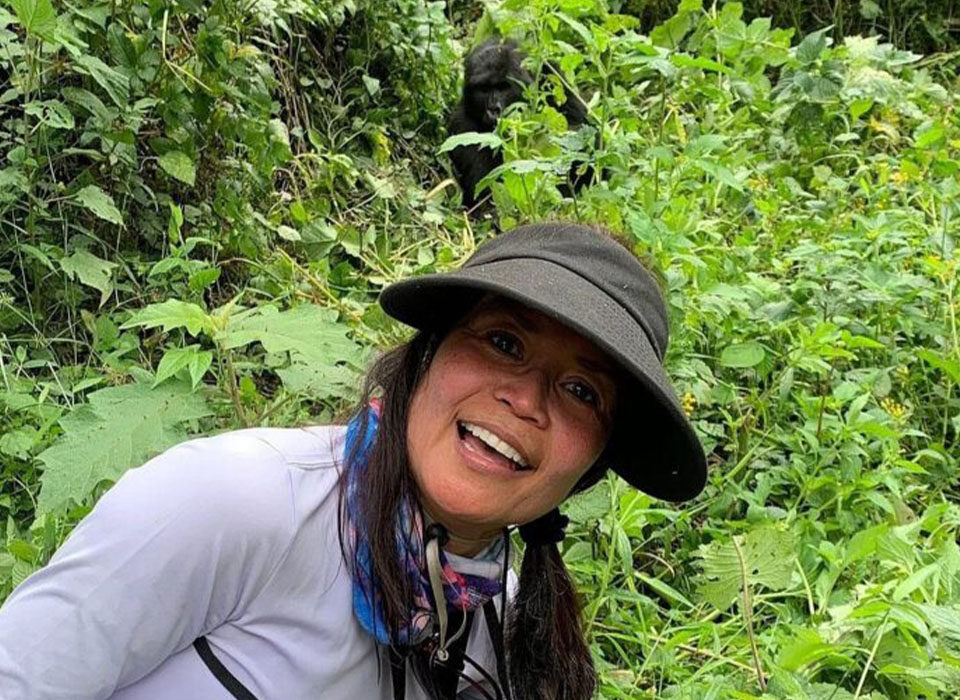
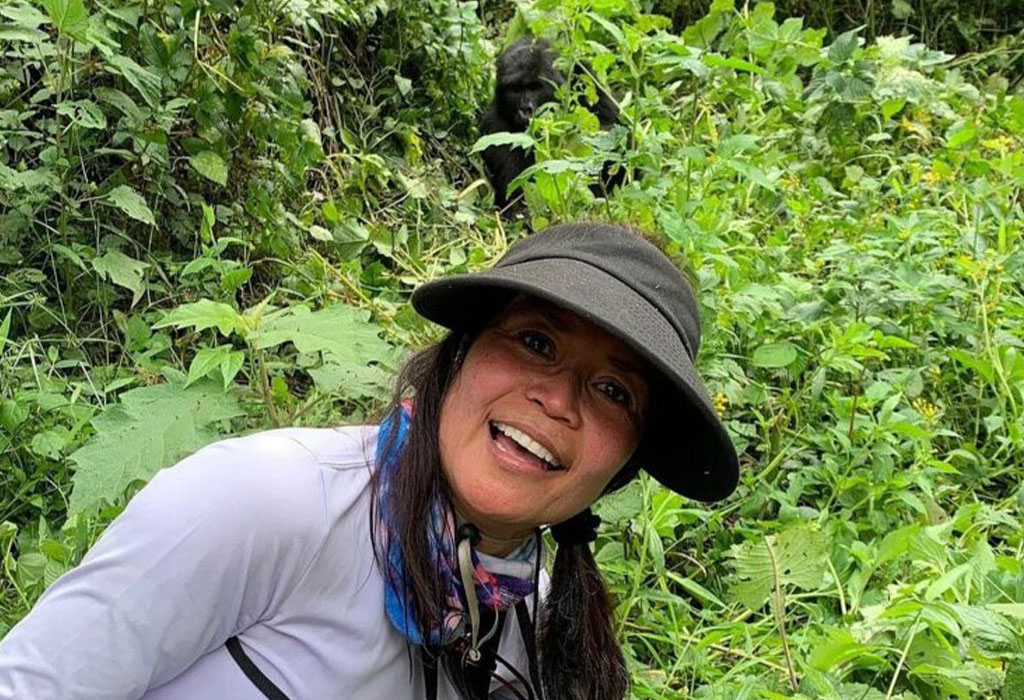
The forests of Uganda are beautiful but demanding. Trekkers may spend several hours walking through dense rainforest landscapes while searching for gorilla families. The journey can involve climbing hills, crossing uneven ground, and adapting to changing conditions.
Because of this, Uganda Wildlife Authority emphasizes the importance of physical preparation and responsible behavior. Visitors who meet the age requirement are more likely to manage the trek comfortably and follow conservation instructions throughout the experience.
Furthermore, Uganda’s approach to gorilla tourism focuses on sustainability. Limiting participation to suitable travelers helps reduce disturbance to gorilla families and maintains the high-quality experience that makes Uganda one of the best destinations for Primate Safaris.
Why Rwanda Maintains Strict Gorilla Trekking Age Rules
Rwanda has also established a minimum age requirement of 15 years for gorilla trekking in Volcanoes National Park, one of Africa’s most famous primate destinations. Known for its excellent tourism infrastructure and well-organized experiences, Rwanda continues to attract travelers seeking premium Gorilla Safaris.
The mountainous environment of Volcanoes National Park requires visitors to have good physical ability and the confidence to navigate challenging trails. Some treks may involve steep climbs and long walks through forested areas, making preparation essential.
Rwanda’s conservation programs place strong emphasis on protecting gorillas while providing meaningful experiences for visitors. The age restriction supports this goal by ensuring that trekkers can respect park rules and interact responsibly with wildlife.
Additionally, Rwanda focuses on creating a peaceful environment during gorilla encounters. Gorillas are naturally calm animals, but they can become stressed by loud noises, sudden movements, or disruptive behavior. Older visitors are generally more capable of maintaining the quiet and respectful atmosphere required during the encounter.
Through these measures, Rwanda continues to maintain its reputation as one of the leading destinations for responsible wildlife tourism.
The Importance of Responsible Behavior During Gorilla Trekking
Gorilla trekking is not only about seeing wildlife; it is also about respecting and protecting it. Visitors enter the natural environment of gorillas, meaning they must adapt their behavior to avoid disturbing these sensitive animals.
During the trek, professional guides provide instructions that help protect both visitors and gorillas. Travelers must remain calm, avoid making unnecessary noise, and allow the gorillas to move freely without interference.
Age restrictions support these conservation efforts because successful gorilla encounters depend on responsible visitor behavior. When every participant understands the importance of following guidelines, the experience becomes safer and more meaningful.
For families planning Uganda Safaris or Rwanda Safaris, it is important to explain these rules to younger travelers and prepare them for future opportunities when they meet the age requirement.
What Is the Best Time for Gorilla Trekking?
Many travelers who ask about age restrictions also want to know the best time to plan their Gorilla Safari. Fortunately, gorilla trekking takes place throughout the year in both Uganda and Rwanda because mountain gorillas remain in their natural habitats regardless of the season.
The dry seasons, usually from June to September and December to February, are often preferred because hiking conditions are easier. During these months, trails are generally less slippery, making the trekking experience more comfortable.
However, the rainy seasons also have their advantages. The forests become greener, landscapes appear more vibrant, and travelers may enjoy fewer crowds. Since gorilla trekking operates all year, visitors can choose the timing that best matches their travel plans.
Why Choose Experiya Tour Company for Your Gorilla Safari?
Planning a gorilla trekking adventure requires expert knowledge, careful preparation, and a strong understanding of conservation guidelines. Experiya Tour Company helps travelers experience unforgettable Gorilla Safaris while ensuring every journey follows official wildlife regulations.
Our team provides professional guidance on important requirements such as age restrictions, trekking preparation, permits, accommodation, and travel arrangements. Whether you choose Uganda Safaris or Rwanda Safaris, we help create a smooth and meaningful adventure from start to finish.
Experiya Tour Company believes that responsible tourism plays a vital role in protecting endangered mountain gorillas. By educating travelers and promoting ethical wildlife experiences, we help preserve these remarkable animals for future generations.
For anyone asking, “Why is there an age restriction for trekking gorillas?” the answer reflects the importance of conservation, safety, and responsible tourism. These regulations allow travelers to enjoy one of Africa’s greatest wildlife experiences while ensuring that mountain gorillas continue to thrive in their protected habitats.