
Where to See Big Cats on a Uganda Safari
December 31, 2025
Top Things to Do During Your Safari in Rwanda
December 31, 2025
Uganda, often called the “Pearl of Africa,” is a land of lush landscapes, extraordinary wildlife, and rich cultural traditions. While the country delights visitors year-round, February and March stand out as the perfect months to explore. During this time, travelers enjoy pleasant weather, abundant wildlife encounters, fewer crowds, and better value—all of which combine to create an unforgettable safari experience.
Enjoy Perfect Weather for Outdoor Adventures
February and March fall between Uganda’s short dry season and the onset of the long rains, offering ideal conditions for exploring the country. Days are generally dry and sunny, with temperatures ranging from 25 to 29°C (77–84°F), perfect for safaris, trekking, and other outdoor activities. Evenings are cooler, particularly in high-altitude regions like Bwindi Impenetrable Forest and the Rwenzori Mountains, providing refreshing relief after a day of adventure. Forest trails remain relatively dry, making gorilla and chimpanzee trekking more comfortable and safer for travelers.
Experience Unmatched Gorilla and Chimpanzee Encounters
Uganda is world-famous for its primate experiences, and February and March offer some of the best conditions to enjoy them. In Bwindi and Mgahinga, gorilla trekking becomes easier with drier trails and manageable forest terrain, allowing you to focus fully on these incredible creatures. Meanwhile, chimpanzees in Kibale Forest remain active and visible, offering intimate wildlife encounters without the heavy crowds of peak tourist months. During this period, it is also easier to secure trekking permits, giving travelers a smoother, more personalized experience.
Witness Abundant Wildlife in National Parks
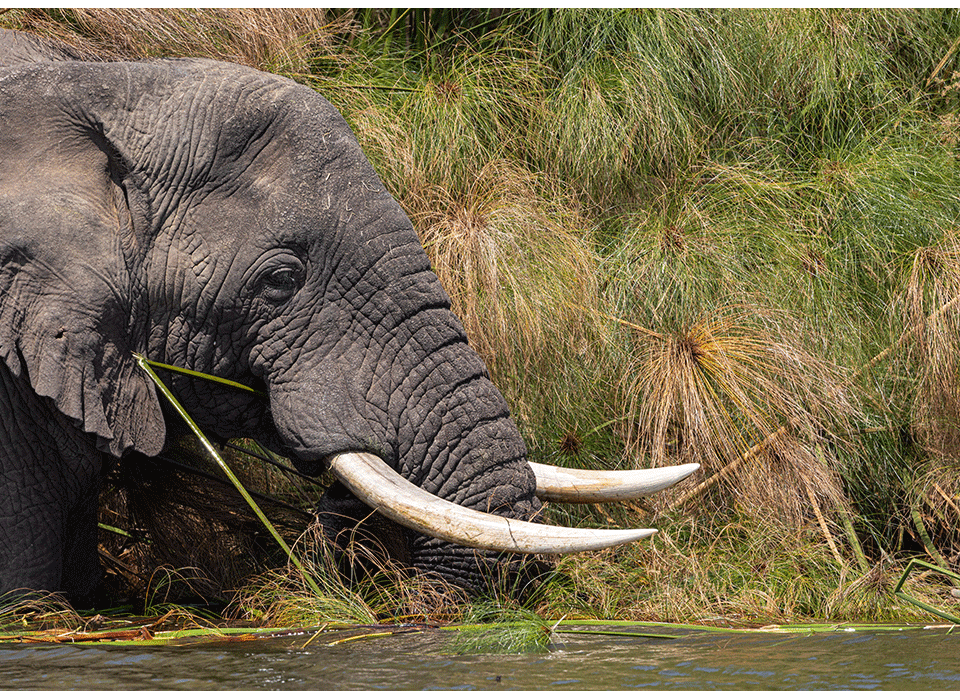
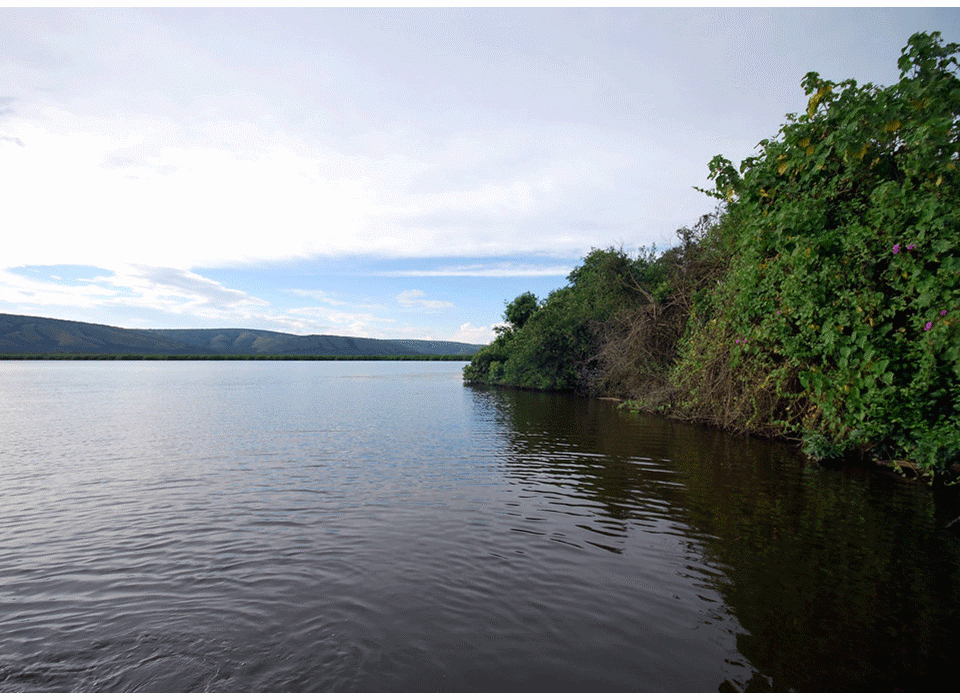
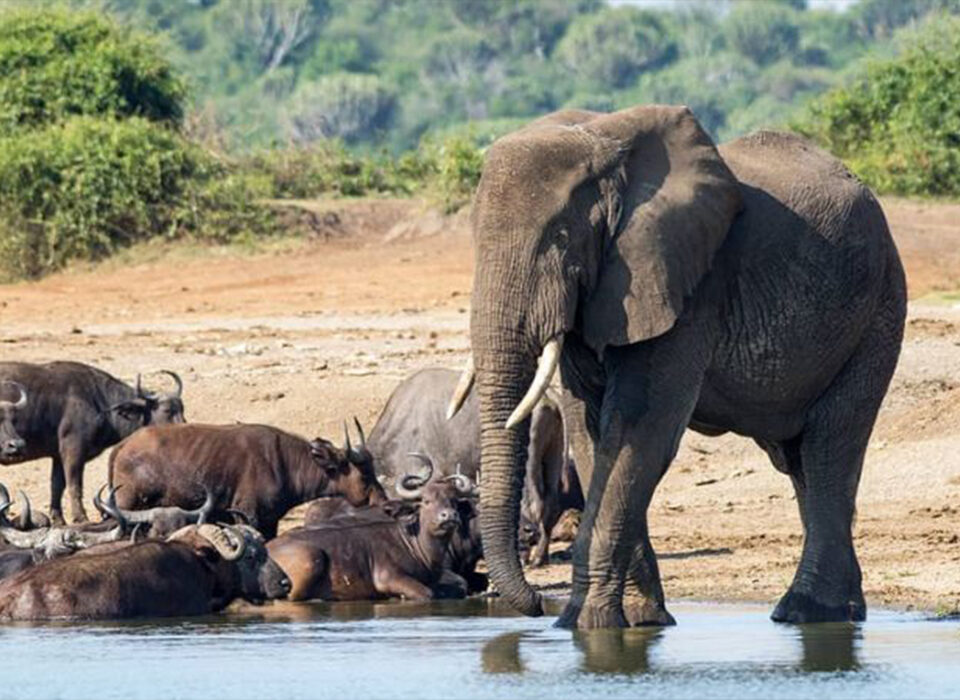
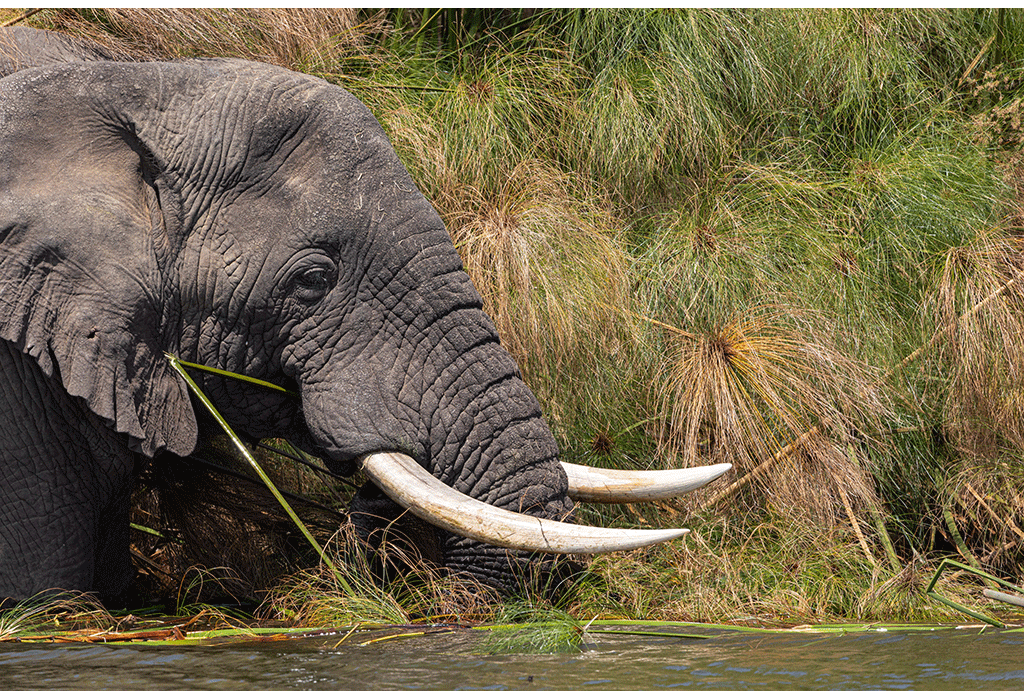
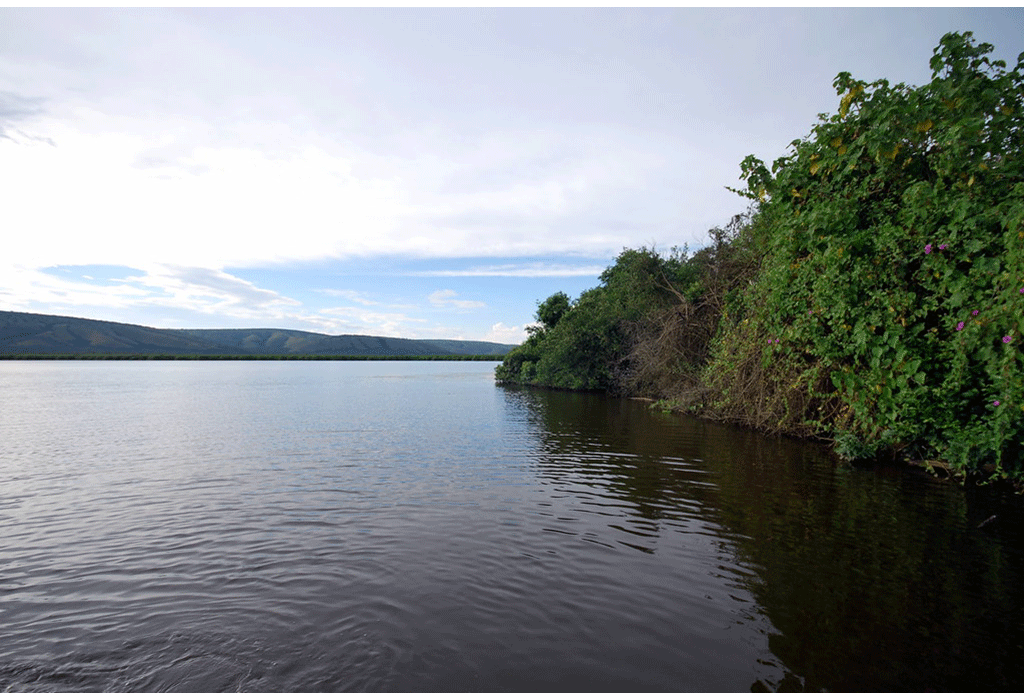
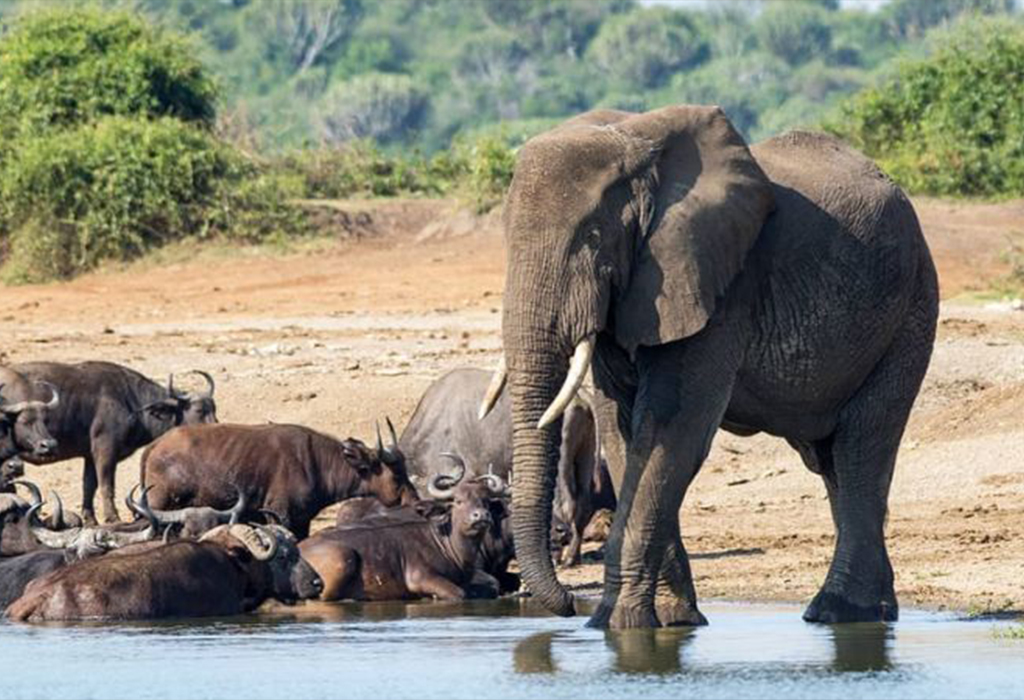
Wildlife viewing reaches its peak in February and March as animals gather near water sources. Game drives through Queen Elizabeth and Murchison Falls National Parks often yield sightings of lions, elephants, leopards, buffaloes, giraffes, and a variety of antelopes. Boat safaris along the Kazinga Channel, the Nile River, and Lake Victoria provide close encounters with hippos, crocodiles, and large elephant herds, while birdwatchers delight in the diverse migratory species that grace Uganda’s skies. From the enigmatic shoebill stork to colorful turacos, the avian display during these months is truly spectacular.
Enjoy a Quieter, More Intimate Safari
Unlike the busy months of June to September or December, February and March offer peaceful experiences with fewer visitors. Parks and lodges feel less crowded, giving travelers more flexibility and personalized attention from guides. Photographers, honeymooners, and those seeking tranquility will find this period ideal for immersive and uninterrupted exploration.
Benefit from More Affordable Travel
Traveling during these months can also be easier on the wallet. Accommodation rates tend to be lower, and flights, both domestic and international, are often more economical. Safari packages frequently include attractive deals, allowing visitors to enjoy premium experiences while getting better value for their money.
Discover Unique Seasonal Highlights
During this time, wildlife exhibits fascinating seasonal behaviors. Many herbivores give birth in parks like Lake Mburo and Queen Elizabeth, creating dramatic interactions as predators follow new life across the savannah. As March progresses, the landscape begins to flourish with fresh greenery, enhancing Uganda’s scenic beauty while still avoiding heavy rainfall.
Immerse Yourself in Local Culture
With fewer tourists around, cultural experiences feel more authentic. Visiting Batwa communities near Bwindi, exploring bustling markets in Kampala, Jinja, or Fort Portal, and enjoying traditional music, dance, and storytelling provide a deeper connection with Uganda’s vibrant heritage. The slower pace of travel allows for meaningful engagement and lasting memories.
A Perfect Lead-in to the Peak Season
February and March offer a perfect window before the long rains arrive. The weather remains ideal for all outdoor activities, while travelers can secure permits and accommodations without the competition of peak season. This timing allows for a more relaxed, enjoyable journey through Uganda’s diverse landscapes.
Tips for a February-March Visit
Even during these favorable months, preparation enhances the experience. Booking gorilla trekking permits early ensures access to this highly sought-after adventure. Light rain gear is useful, particularly in March, while sunscreen and hydration remain essential for long days in the savannah. Traveling with an experienced guide or tour operator maximizes wildlife encounters and simplifies logistics.
Conclusion
February and March are among the best-kept secrets for exploring Uganda. The combination of ideal weather, spectacular wildlife, peaceful surroundings, and cost-effective travel options creates the perfect conditions for a memorable safari. Whether trekking mountain gorillas, cruising along the Nile, exploring savannah landscapes, or connecting with local communities, Uganda in February and March offers experiences that are both extraordinary and intimate.
Plan your adventure during this magical window and discover the Pearl of Africa at its finest.