
Visit Lake Ruhondo and Lake Burera in Rwanda
December 29, 2025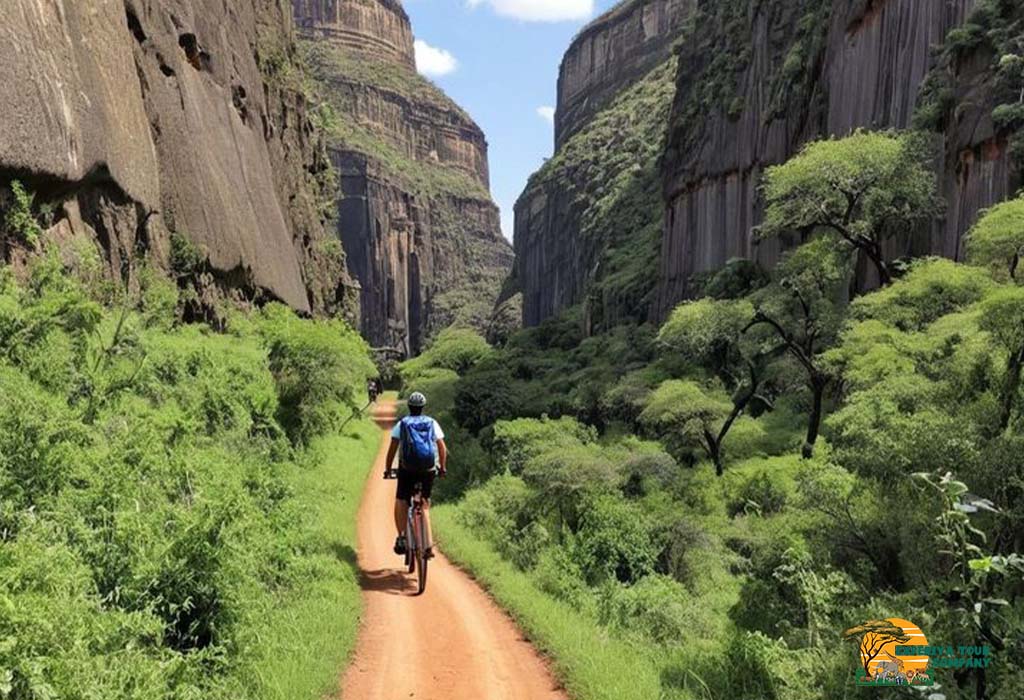
Cycling at Hell’s Gate National Park Kenya
December 29, 2025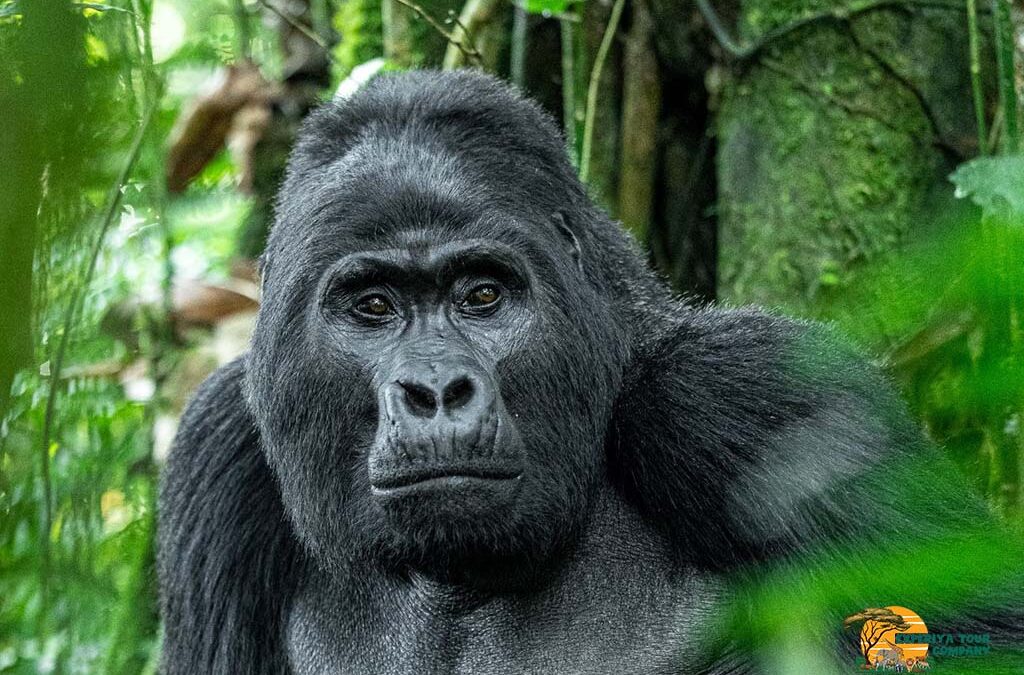
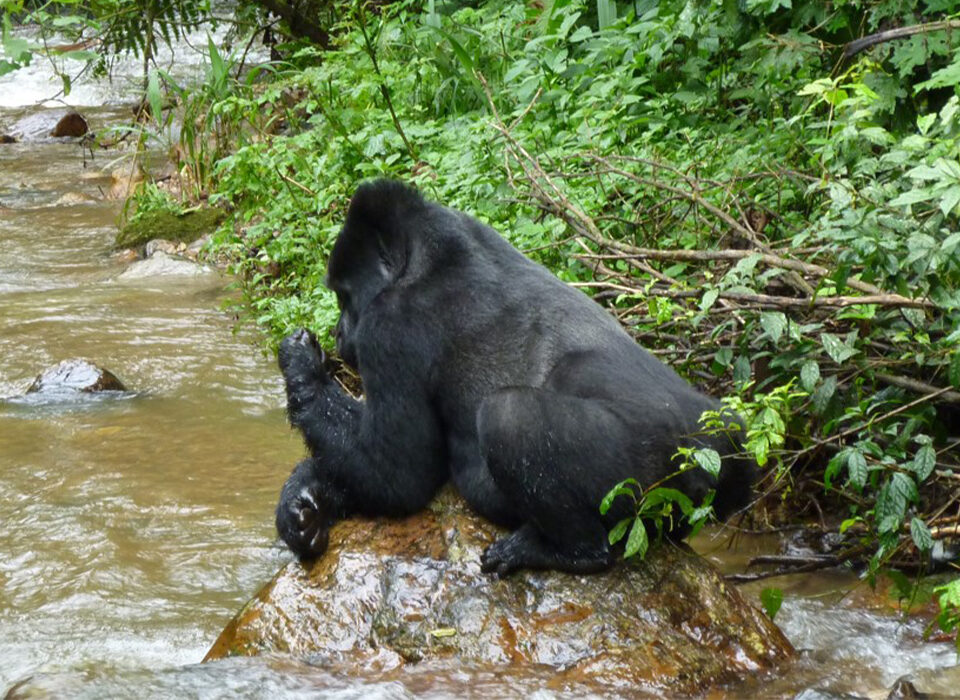
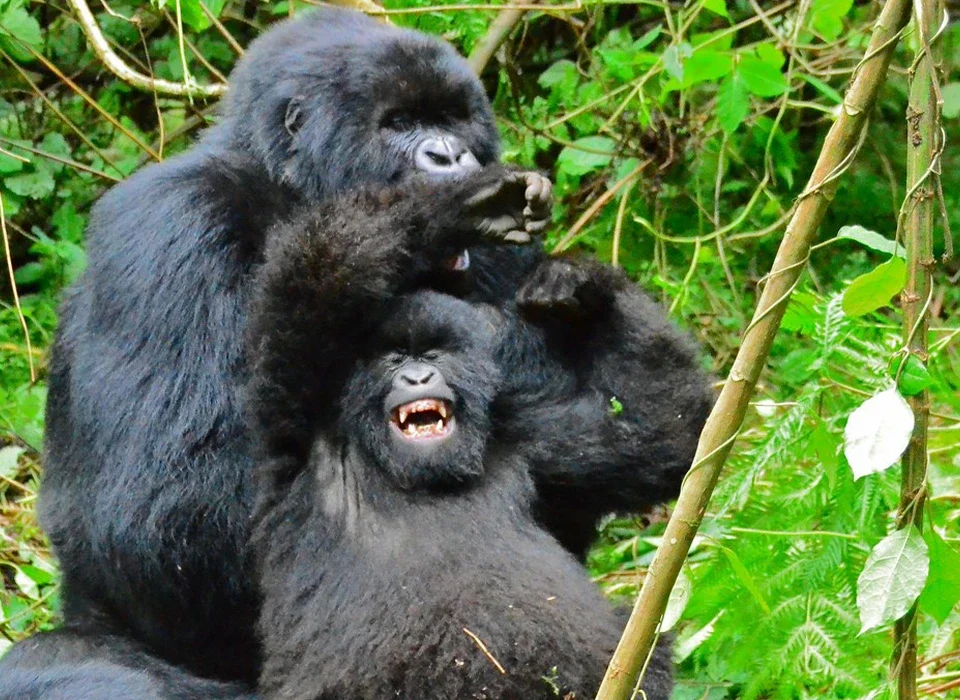
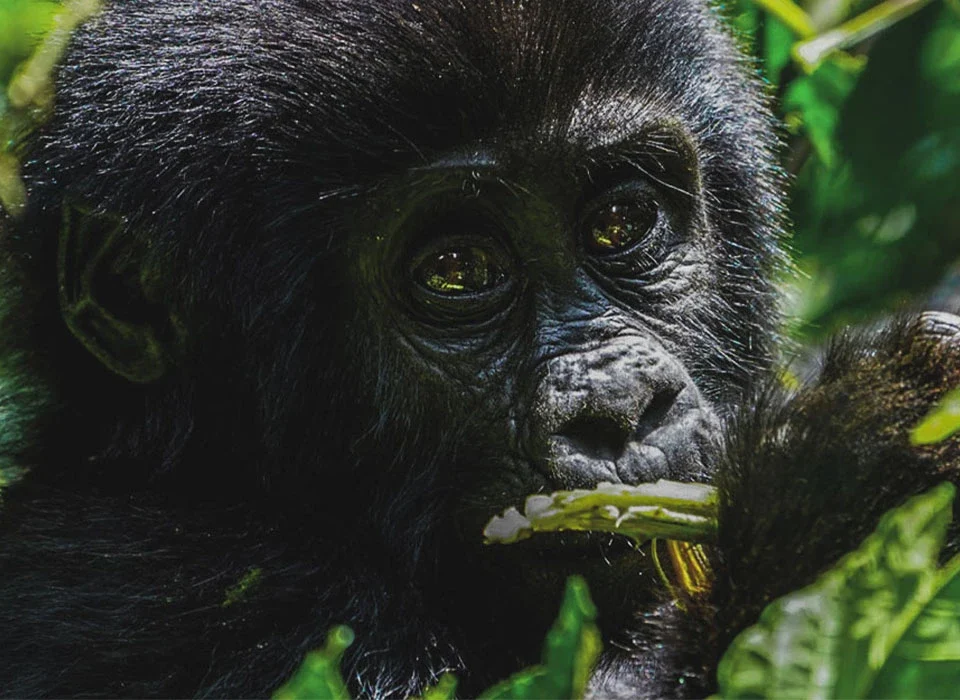
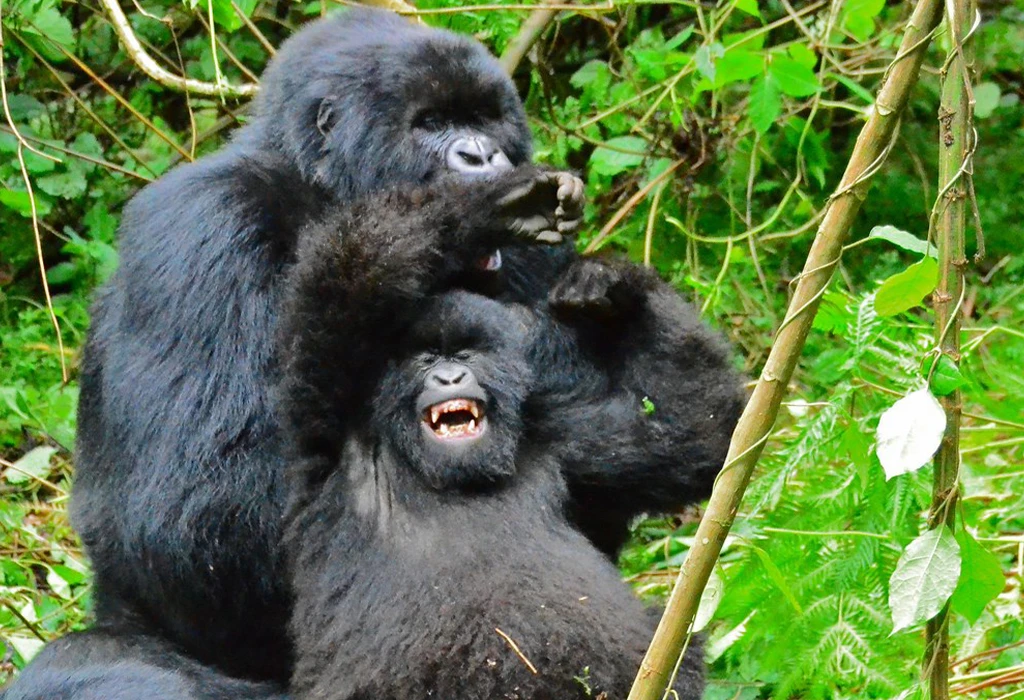
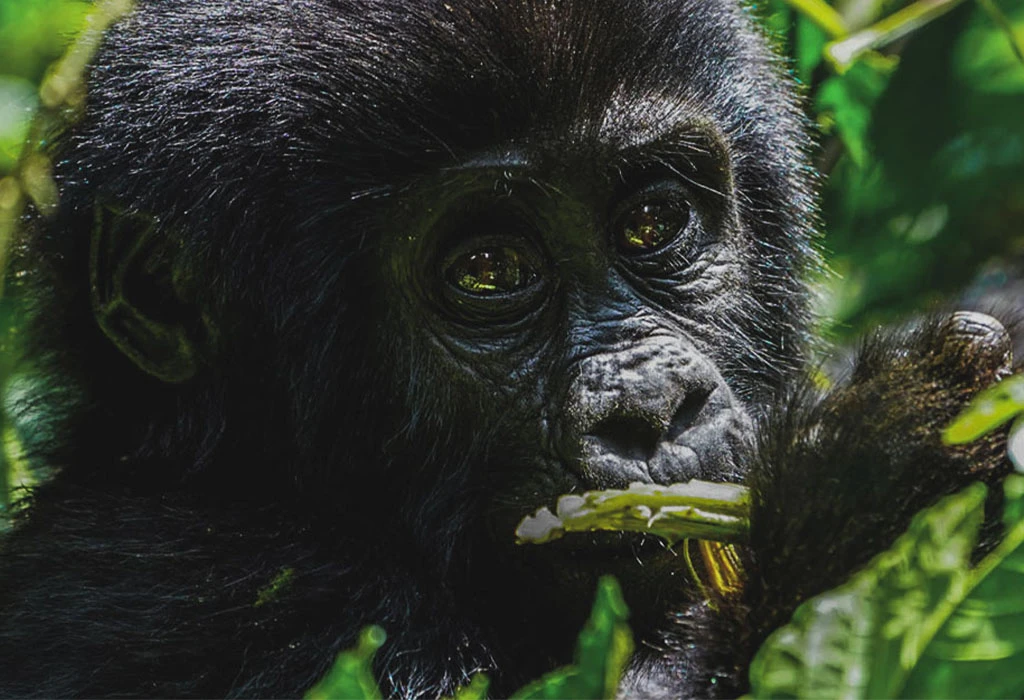
Gorilla trekking in Uganda and Rwanda is a once-in-a-lifetime adventure that brings you face-to-face with the endangered mountain gorillas. These incredible creatures, sharing about 98% of their DNA with humans, inhabit the lush forests of both countries, making them prime destinations for wildlife lovers. However, to protect the gorillas, preserve their habitats, and ensure the safety of both animals and trekkers, strict restrictions are in place. At Experiya Tour Company, we emphasize the importance of understanding and following these rules to make your gorilla trekking experience safe, ethical, and unforgettable
Basic Requirements for Gorilla Trekking
Before embarking on a gorilla trekking adventure, there are essential requirements to meet:
Age Limit: Who Can Trek?
Visitors must be at least 15 years old to trek. This ensures that trekkers can handle the physically demanding hikes and prevents young children from disturbing the gorillas. While there is no maximum age limit, it is crucial that participants are in good health and physically fit for trekking through the mountainous terrain.
Health Restrictions: Protecting Gorillas
Mountain gorillas are vulnerable to human diseases, especially respiratory infections. Anyone who is unwell or showing symptoms such as a cold or flu is not permitted to trek. Following this rule is critical for protecting the gorillas’ health and preventing the spread of disease.
Gorilla Trekking Permits: How to Gain Access
Both Uganda and Rwanda require visitors to obtain permits in advance. These permits are limited and in high demand, so early booking is essential. In Rwanda, permits currently cost $1,500 per person, while in Uganda, they are $800. Although costly, permits help control visitor numbers and fund gorilla conservation efforts.
Group Size and Gorilla Management
Limiting the number of visitors is key to minimizing stress on the gorillas and ensuring an intimate, meaningful experience.
Group Size Limitations: Maximum 8 People
Only eight visitors are allowed per gorilla group each day. This small group size reduces disturbance to the gorillas, allowing them to behave naturally. It also enhances your experience, offering better opportunities for observation and photography.
Managed Gorilla Groups
Each gorilla group is monitored by experienced trackers and guides. Your group will follow their lead, maintaining a respectful distance and ensuring the gorillas’ routine remains undisturbed.
Maintaining a Safe Distance from Gorillas
Safety is essential for both humans and gorillas.
The 7-Meter Rule
Visitors must maintain at least 7 meters (21 feet) from the gorillas. This distance minimizes the risk of disease transmission and protects trekkers from potential danger.
No Physical Contact
Touching gorillas is strictly prohibited. While they may appear calm, gorillas are wild animals capable of sudden aggression. Following this rule safeguards both you and the animals.
If Gorillas Approach You
Sometimes gorillas may move closer out of curiosity. In such cases, remain calm, avoid sudden movements, and follow your guide’s instructions to ensure everyone’s safety.
Time Limits: One Hour with the Gorillas
Visitors may spend a maximum of one hour with a gorilla group. This limit helps reduce stress on the animals and allows them to resume their normal activities, such as foraging and socializing. Your guide will manage this time carefully to ensure you enjoy the encounter without overstepping.
Photography Guidelines
Capturing the moment is exciting, but rules ensure the gorillas’ comfort:
- No Flash Photography: Flash can startle gorillas and disrupt their behavior. Always rely on natural light for your photos.
- Stay Quiet and Calm: Loud noises or sudden movements can frighten the gorillas and cause them to retreat into the forest. Observing quietly helps you witness their natural behaviors.
Environmental Restrictions
Protecting the gorillas’ habitat is as important as protecting the animals themselves:
- Leave No Trace: Carry out all waste, including biodegradable items, to keep the forest pristine.
- Stick to Designated Paths: Wandering off-trail can damage fragile vegetation and disturb the ecosystem. Following marked paths ensures minimal impact on the environment.
Preparing for the Trek: Weather and Fitness
Gorilla trekking takes place in high-altitude forests with challenging terrain.
Weather Considerations
The climate can change rapidly, with heavy rains common during April–May and October–November. Prepare for muddy, slippery paths and bring sturdy footwear, rain gear, and protective clothing.
Physical Fitness
Trekking to gorilla groups often involves 2–6 hours of hiking through uneven terrain and steep hills. Being physically fit enhances your experience and ensures your safety throughout the trek.
Why Following These Restrictions Matters
Following these rules is essential not just for your safety, but for the preservation of gorillas and their habitat. At Experiya Tour Company, we guide trekkers to respect all restrictions, ensuring that gorilla trekking remains a sustainable, awe-inspiring experience for generations to come.
By understanding and following these regulations, you contribute directly to the survival of mountain gorillas and the protection of their unique environment. Planning carefully, booking permits in advance, and respecting the guidelines will help you enjoy one of the most remarkable wildlife encounters in the world.