Is Gorilla Trekking in Bwindi Impenetrable Forest Difficult?
January 3, 2026
Top 5 Beaches Around Lake Kivu for Relaxation
January 3, 2026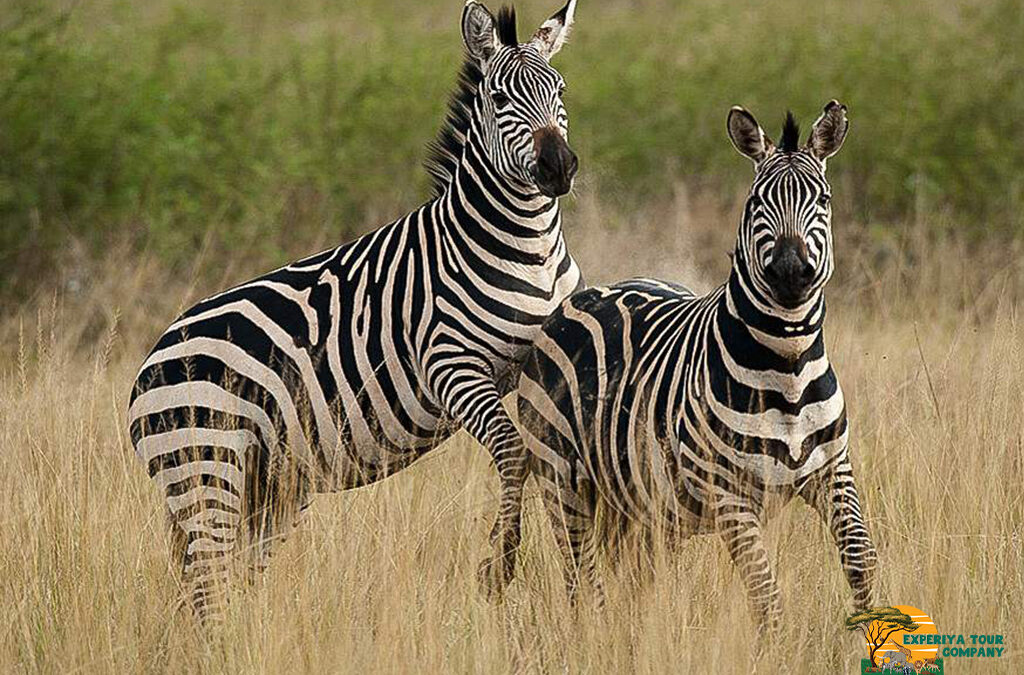
Which month offers the best game viewing in Rwanda is a common question among travelers planning a safari in this breathtaking country. The simple answer lies in understanding Rwanda’s seasonal patterns and how they influence wildlife movement, visibility, and overall safari comfort.
In general, the dry seasons from June to September and December to February offer the best game viewing in Rwanda. During these months, animals gather around reliable water sources, vegetation becomes thinner, trekking trails remain firm, and clear skies enhance visibility. As a result, visitors enjoy exceptional wildlife encounters across Rwanda’s diverse national parks, from classic savanna game in Akagera to primate trekking in Volcanoes and Nyungwe.
Understanding Rwanda’s Climate and Seasonal Patterns
Rwanda’s equatorial location gives it a mild climate throughout the year, with temperatures moderated by high altitude. Rather than dramatic temperature shifts, rainfall patterns play the biggest role in determining wildlife visibility, trekking conditions, and overall safari quality.
The country experiences alternating dry and wet seasons, each offering a different travel experience. Knowing how these seasons affect wildlife behavior helps travelers choose the best time to visit.
Rwanda’s Main Safari Seasons Explained
Long Dry Season: June to September
The long dry season is widely regarded as the best time for game viewing in Rwanda. Rainfall is minimal, humidity is low, and days are typically sunny and clear. Temperatures range between 15°C and 27°C, with cooler conditions in high-altitude parks such as Volcanoes National Park and warmer weather in Akagera National Park.
Wildlife sightings are consistent across the country, making this the most reliable and rewarding safari period.
Short Rainy Season: October to November
Rainfall gradually returns during these months, often in the form of brief afternoon showers. The landscape becomes lush and green, but wildlife disperses more widely, and trails can become muddy. While game viewing remains possible, visibility and trekking comfort decline slightly compared to the dry season.
Short Dry Season: December to February
This secondary dry season offers another excellent window for game viewing. Conditions closely resemble those of the long dry season, although temperatures tend to be slightly warmer. Wildlife sightings remain strong across all parks, and trekking conditions are favorable.
Holiday travel increases visitor numbers, particularly in late December, so early planning is essential.
Long Rainy Season: March to May
This is Rwanda’s wettest period, with April and May receiving the heaviest rainfall. Roads and trails can become challenging, wildlife spreads across wider areas, and trekking becomes more physically demanding. However, the scenery is at its most dramatic, with vibrant forests, flowing waterfalls, and exceptional birdlife.
Why the Dry Seasons Offer the Best Game Viewing
Wildlife Concentration Around Water Sources
During dry months, animals are drawn to permanent water sources, making sightings more predictable and frequent. In Akagera National Park, lakes such as Ihema and Rwanyakizinga become focal points for elephants, buffaloes, giraffes, zebras, and antelopes, while predators like lions and leopards follow closely.
As vegetation dries out, animals spend more time in open areas, greatly improving visibility during game drives.
Easier and More Comfortable Trekking Conditions
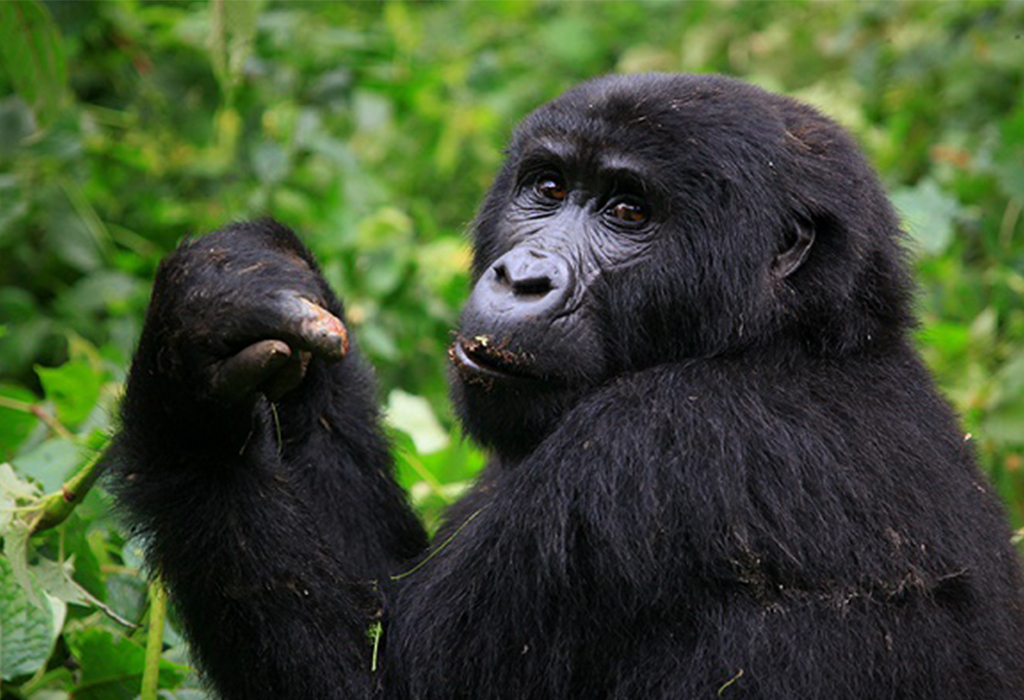
Rwanda’s most iconic experiences, including gorilla trekking and chimpanzee tracking, involve hiking through mountainous and forested terrain. Dry weather keeps trails firm, reduces mud, and improves overall safety.
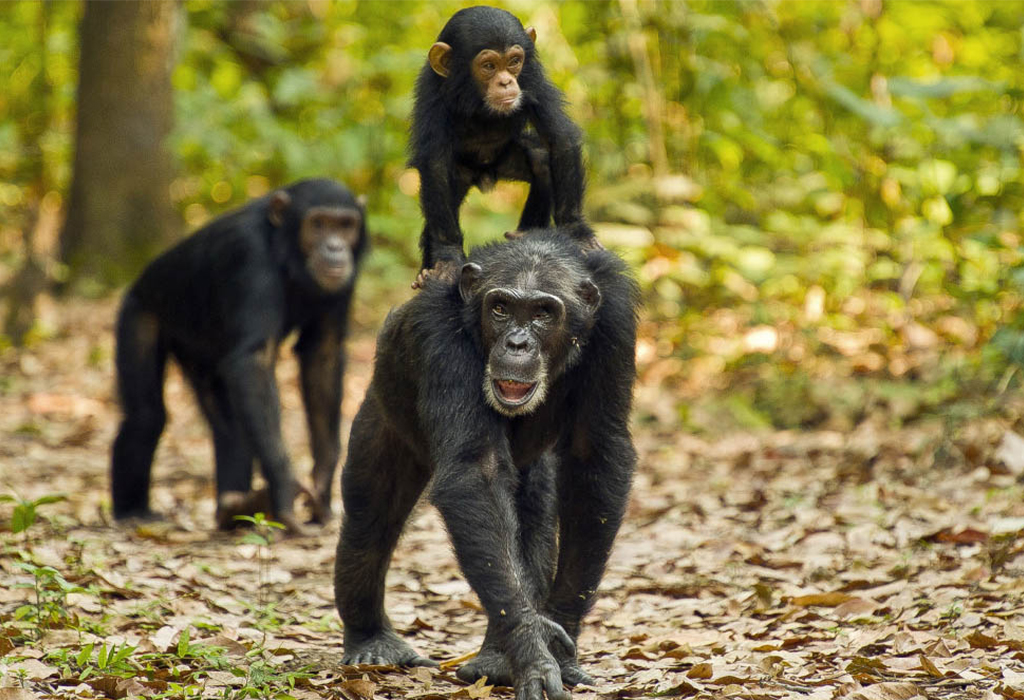
In Volcanoes National Park, trekkers enjoy better footing on steep volcanic slopes and clearer views during gorilla encounters. In Nyungwe Forest National Park, trails are more manageable, slips are less likely, and canopy walkways offer clearer panoramic views.
Superior Photography Opportunities
Dry seasons provide consistent natural light, ideal for wildlife and landscape photography. Clear skies enhance long-distance visibility, while early morning and late afternoon light brings out rich colors. Animals gathering around water sources create dramatic and memorable photographic moments.
Improved Visibility Due to Reduced Vegetation
As grasses shorten and bushes thin out, spotting wildlife becomes easier. Savanna animals in Akagera are more visible, secretive species appear more frequently, and forest understory thins, aiding primate tracking. Animal movement also becomes easier to hear and follow, increasing tracking success.
Month-by-Month Guide to Game Viewing in Rwanda
June: Beginning of the Peak Season
June marks the transition into the long dry season. Wildlife concentration improves steadily, gorilla trekking conditions become excellent, and crowds are still manageable early in the month. Demand rises as June progresses.
July and August: Prime Safari Months
July and August are widely considered the best months for game viewing in Rwanda. Weather conditions are stable, wildlife concentration is at its peak, and trekking and photography conditions are outstanding. Due to high demand and limited lodge availability, early booking is essential.
September: Continued Dry Season Benefits
September maintains excellent wildlife viewing conditions with slightly fewer visitors than mid-season. Game sightings remain strong, and availability may be better. Light rains may begin toward the end of the month.
October and November: Transition Period
These months bring increased rainfall and greener landscapes. Visitor numbers drop, scenery becomes vibrant, and birdwatching improves. However, muddy trails and more dispersed wildlife can affect game viewing.
December: Return of Dry Weather
Dry conditions typically return by mid-December. Wildlife visibility improves, landscapes remain lush from recent rains, and the festive travel atmosphere attracts visitors. Holiday periods fill quickly, requiring advance planning.
January and February: Excellent All-Round Safari Conditions
January and February offer superb wildlife viewing across all major parks. Skies are generally clear, temperatures are warm, and conditions are ideal for combining gorilla trekking with game drives. February is often slightly quieter than January.
March to May: The Wettest Months
This period sees the heaviest rainfall of the year. While wildlife viewing becomes more challenging, visitors benefit from fewer crowds, discounted accommodations, and spectacular scenery. Birdlife is particularly impressive during these months.
Best Time to Combine Rwanda’s Wildlife Experiences
Dry seasons allow travelers to seamlessly combine Rwanda’s top attractions. Gorilla trekking in Volcanoes National Park pairs perfectly with Big Five game drives in Akagera. Chimpanzee tracking in Nyungwe can be combined with golden monkey trekking, and a complete Rwanda safari circuit can comfortably be done in seven to ten days.
Dry weather ensures smoother travel between parks and optimal conditions for all activities.
Planning Ahead for the Best Safari Experience
Traveling during Rwanda’s dry seasons requires advance planning. Gorilla trekking permits often sell out months ahead, lodges near Volcanoes National Park are in high demand, and holiday travel offers very limited availability. Early preparation ensures flexibility, comfort, and access to preferred travel dates.
Final Thoughts
So, which month offers the best game viewing in Rwanda? The answer consistently points to the dry seasons from June to September and December to February. These months deliver concentrated wildlife, excellent trekking conditions, clear skies, and unforgettable safari experiences.
Although Rwanda is a year-round destination, visiting during the dry months maximizes wildlife encounters while ensuring comfort and accessibility across all major national parks. Whether tracking mountain gorillas, observing savanna wildlife, or exploring ancient rainforests, dry-season travel reveals Rwanda at its very best.