
Gorilla Trekking vs Traditional Safari
November 4, 2026
Best Hiking Trips in Uganda: Top Mountains, Volcanoes and Scenic Trails
November 4, 2026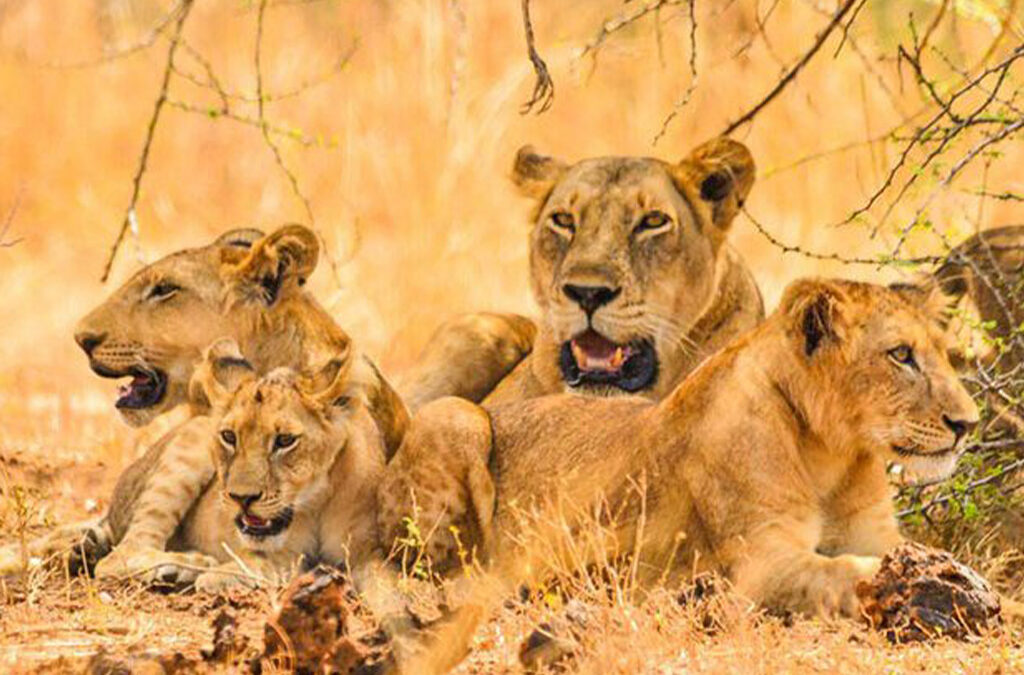
Uganda is one of East Africa’s most rewarding destinations for wildlife enthusiasts, offering opportunities to encounter lions, leopards and other fascinating predators in their natural habitats. Although the country is famous for mountain gorilla trekking, its savannah national parks provide equally memorable wildlife experiences, from watching lions hunt across open grasslands to spotting elusive leopards resting in tree branches.
If you are wondering where to spot lions and leopards in Uganda, several destinations deserve a place on your safari itinerary. Queen Elizabeth National Park is famous for its tree-climbing lions, while Murchison Falls National Park offers excellent lion viewing opportunities. Kidepo Valley provides a remote wilderness experience, and Lake Mburo is particularly rewarding for travellers hoping to see leopards during night game drives.
At Experiya Tour Company, we recommend combining early morning game drives, afternoon wildlife excursions and guided night drives to improve your chances of encountering these magnificent cats. With an experienced driver-guide, patience and enough time in the right habitats, you can enjoy some remarkable big cat sightings during your Uganda safari.
Understanding Lions and Leopards in Uganda
Uganda supports several large carnivores, but lions and leopards remain among the most sought-after animals on wildlife safaris. Although they share some habitats, their behaviour, hunting techniques and preferred resting places differ considerably.
African Lions in Uganda
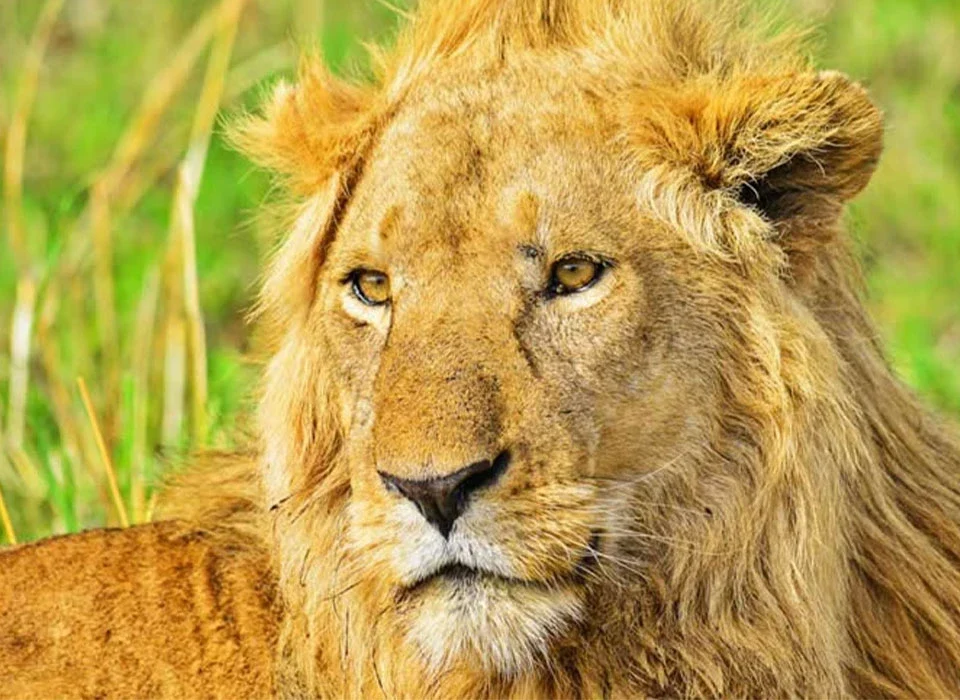
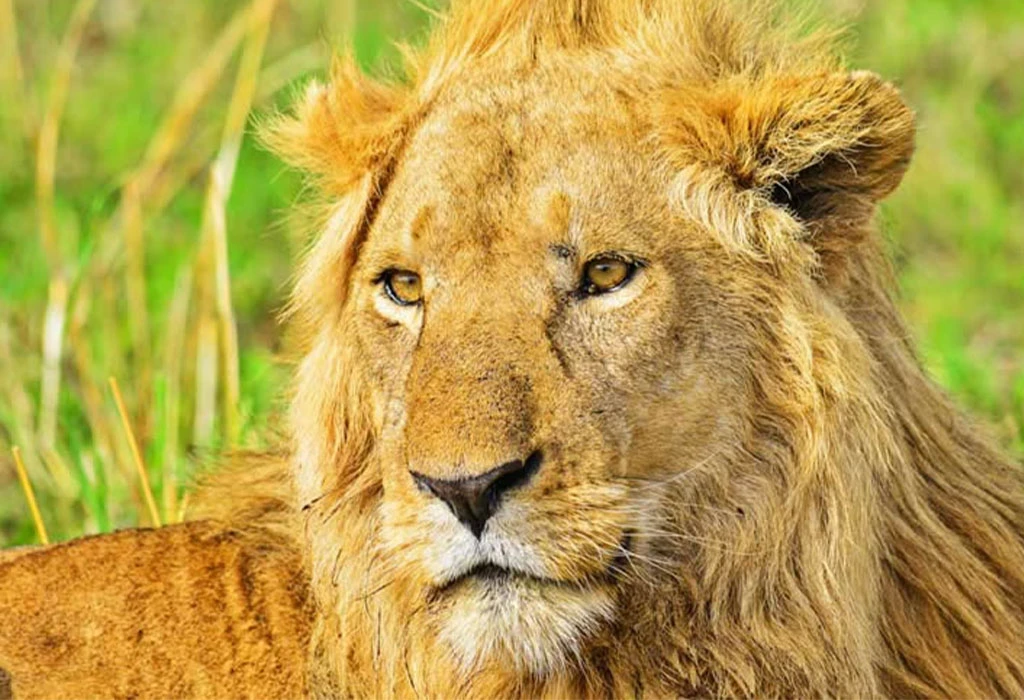
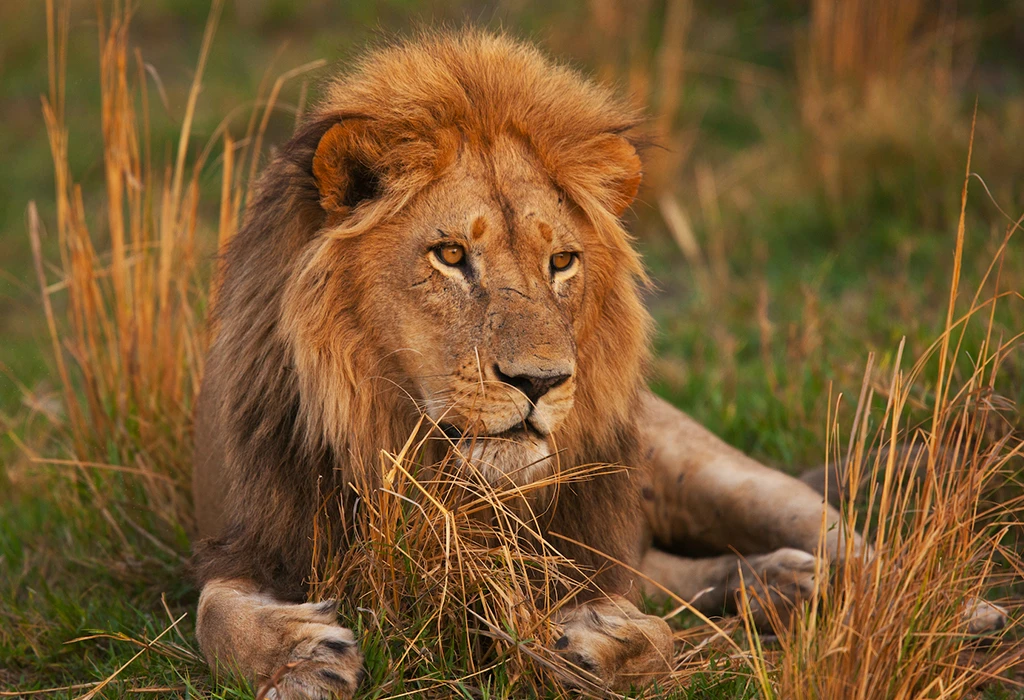
African lions are social predators that live in groups known as prides. A typical pride consists of related females, their cubs and one or more adult males. Lionesses usually take the lead during hunting, working together to catch prey such as Uganda kob, buffaloes and warthogs.
Lions spend much of the day resting, particularly during hot afternoons. Therefore, early morning and late afternoon game drives generally offer better opportunities to observe them when they become more active.
Uganda’s lions mainly inhabit three national parks: Queen Elizabeth, Murchison Falls and Kidepo Valley. However, their populations have faced considerable pressure from habitat changes, poaching and conflict with neighbouring communities. Recent conservation assessments highlight the importance of protecting these remaining populations.
Leopards in Uganda
Leopards are solitary, adaptable and exceptionally elusive predators. They inhabit different environments, including savannah grasslands, woodland, riverine forests and rocky landscapes.
Unlike lions, leopards usually hunt alone. Their diet includes antelopes, monkeys, birds and smaller mammals. They also have remarkable strength, allowing them to carry their prey into trees to protect it from scavengers and competing predators.
Because their spotted coats blend naturally with vegetation, leopards can remain almost invisible even when resting nearby. Consequently, finding one requires patience, a trained eye and a knowledgeable safari guide.
Best National Parks to Spot Lions and Leopards in Uganda
Uganda has several excellent wildlife destinations, each offering different opportunities for big cat encounters. The following parks are particularly worth considering when planning a lion and leopard safari.
1. Queen Elizabeth National Park: Home of the Famous Tree-Climbing Lions
Queen Elizabeth National Park is one of Uganda’s leading destinations for big cat safaris. Its diverse landscapes include open savannah, crater lakes, woodland and wetlands, supporting numerous wildlife species.
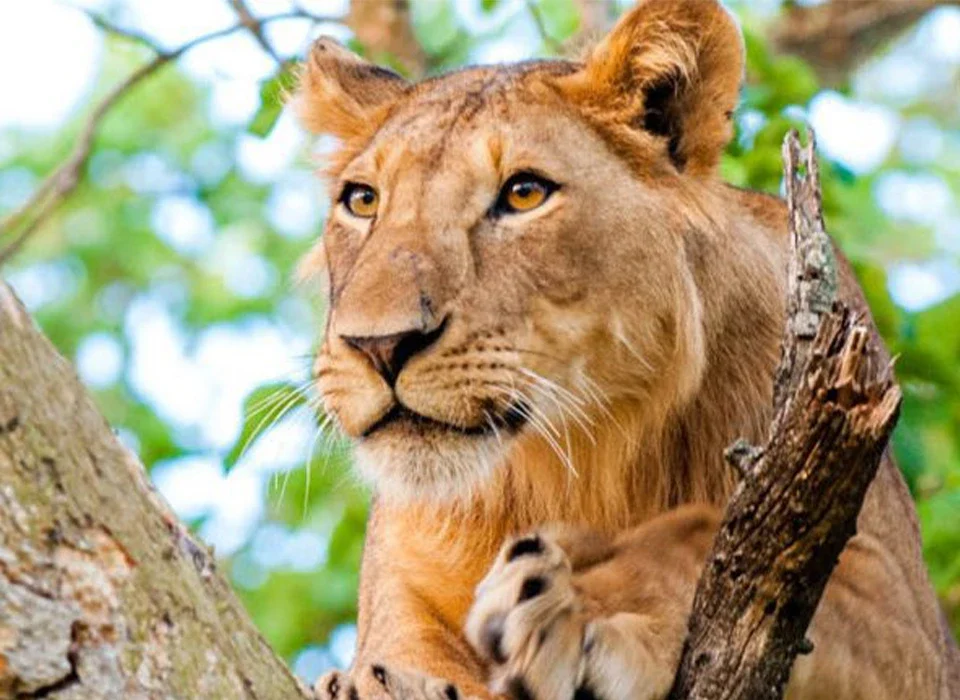
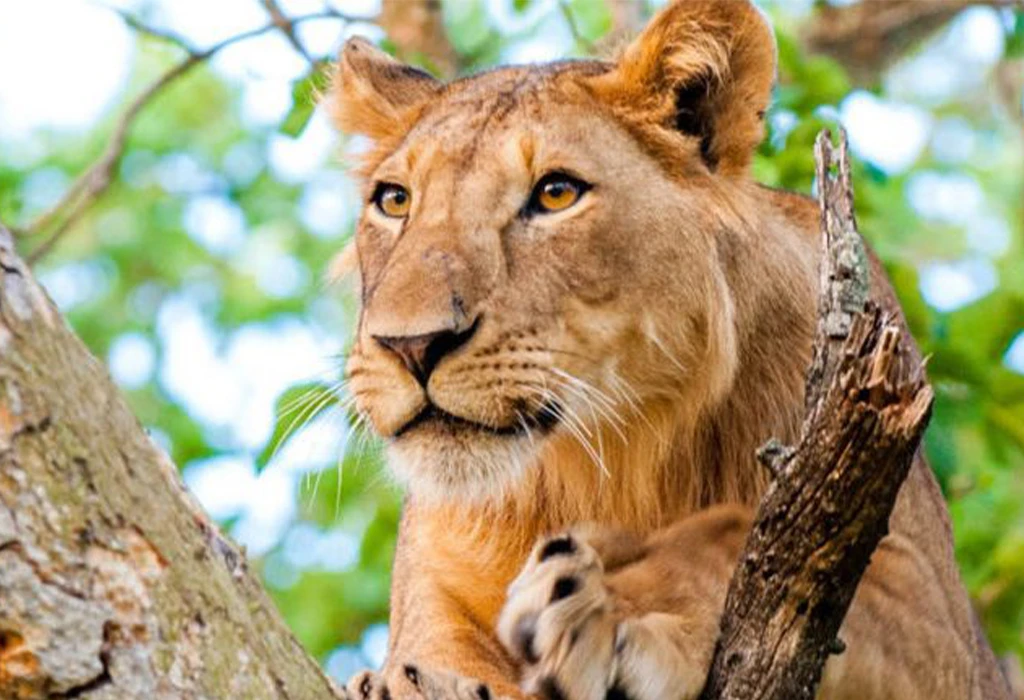
The park is particularly famous for its unusual tree-climbing lions in the Ishasha sector. Unlike most lions, these remarkable animals regularly climb large fig and acacia trees, where visitors can find them resting on broad branches.
Researchers have suggested several explanations for this behaviour, including escaping ground heat, avoiding insects and enjoying cooler breezes. Although the exact reasons remain uncertain, watching lions relaxing in trees is an unforgettable experience.
Where to spot lions in Queen Elizabeth National Park:
- Kasenyi Plains: These open grasslands support large herds of Uganda kob, attracting lions that hunt or rest nearby. Early morning game drives offer excellent opportunities to find prides.
- Ishasha Sector: This southern section is famous for tree-climbing lions. Spend time exploring the woodland and open plains while looking up into large fig trees.
- Mweya Peninsula: Its surrounding grasslands and woodland provide opportunities to encounter lions and other wildlife.
Where to spot leopards: Explore the Mweya area and suitable woodland habitats along the Kazinga Channel. Guided night game drives can also improve your chances of finding leopards moving through the park.
Another exciting activity is experiential lion tracking, where visitors join authorised researchers and conservation teams to learn how lions are monitored and protected. Availability depends on the programme and advance arrangements.
2. Murchison Falls National Park: Excellent Lion Viewing Opportunities
Murchison Falls National Park is Uganda’s largest national park and one of the country’s strongest destinations for spotting lions. Its northern savannah plains support considerable populations of wildlife, including giraffes, elephants, buffaloes, Uganda kob and Jackson’s hartebeest.
These grazing animals provide important prey for lions, making the park particularly rewarding for early morning game drives.
Best areas for spotting lions:
- Buligi Peninsula: Located between the Victoria and Albert Nile, this area offers extensive grasslands and several wildlife-viewing tracks.
- Queen’s Track: Explore the open savannah where antelopes and other grazing animals attract predators.
- Albert and Victoria Tracks: These routes provide additional opportunities to encounter lions, elephants and other wildlife.
For the best experience, leave your lodge early and explore the northern sector while temperatures remain cool. Depending on your itinerary, you can also cross the Nile by ferry to access the northern game-viewing areas.
Leopards also inhabit Murchison Falls National Park, although they are considerably harder to find. Riverine woodland, areas around Paraa and suitable habitats along the Nile are worth exploring, particularly during quieter morning and evening hours.
A night game drive with an authorised guide can provide another opportunity to encounter leopards and other nocturnal animals.
3. Kidepo Valley National Park: A Remote Big Cat Wilderness
Located in northeastern Uganda, Kidepo Valley National Park offers one of the country’s most spectacular wilderness experiences. Its dramatic mountain scenery, expansive Narus Valley and open savannah create excellent habitats for numerous wildlife species.
Historically, Kidepo has been known for its lions, cheetahs and other predators. However, recent conservation assessments have highlighted a serious decline in its lion population. Therefore, visitors should approach lion sightings as a possibility rather than an expectation.
The Narus Valley is the main wildlife-viewing area, attracting animals because of its seasonal water sources and grazing opportunities. Lions may be encountered around rocky outcrops and grasslands, while leopards inhabit suitable rocky and woodland environments.
Kidepo is also one of Uganda’s most important destinations for cheetahs, although sightings are uncommon and never guaranteed.
For travellers seeking a quieter safari away from busy tourist circuits, Kidepo offers a memorable combination of wilderness, dramatic landscapes and exceptional wildlife diversity.
4. Lake Mburo National Park: One of the Best Places to Look for Leopards
Lake Mburo National Park is particularly rewarding for travellers interested in spotting leopards. Located in western Uganda, it is also one of the most accessible savannah parks from Kampala and Entebbe.
Its rolling hills, acacia woodland, open grasslands and rocky landscapes provide suitable habitats for leopards and other wildlife.
Unlike Queen Elizabeth and Murchison Falls, Lake Mburo is not an established destination for regular lion sightings. Instead, its reputation for big cat viewing centres mainly on leopards, especially during guided night game drives.
During these excursions, an experienced guide uses a spotlight to help identify nocturnal animals moving through the vegetation.
Other animals you may encounter include:
- Spotted hyenas.
- Side-striped jackals.
- Servals.
- Genets and civets.
- Bush babies and other nocturnal wildlife.
Lake Mburo is an excellent addition to a longer Uganda safari, particularly for travellers combining wildlife viewing with gorilla trekking in Bwindi Impenetrable National Park.
5. Other Places to Explore for Big Cats in Uganda
Beyond the four major destinations, Uganda has several other wildlife areas worth considering.
Toro-Semliki Wildlife Reserve: This remote reserve offers opportunities to explore woodland and savannah habitats, with occasional sightings of predators such as leopards and other carnivores.
Pian Upe Wildlife Reserve: Located in eastern Uganda, Pian Upe is known for its open landscapes, wildlife diversity and remote safari atmosphere. Visitors may encounter predators, although sightings are less predictable than in the established national parks.
Bwindi and Kibale Forests: Leopards inhabit some of Uganda’s forest ecosystems, but their secretive nature and dense vegetation make sightings extremely uncommon. These destinations are better known for gorilla and chimpanzee trekking.
Best National Parks for Lion and Leopard Sightings Compared
| National park | Lions | Leopards | Main attraction |
|---|---|---|---|
| Queen Elizabeth | Very good | Good | Tree-climbing lions in Ishasha |
| Murchison Falls | Excellent | Good | Lions on open savannah plains |
| Kidepo Valley | Possible, but declining | Possible | Remote wilderness and cheetahs |
| Lake Mburo | Rare | Very good | Leopard night drives |
| Toro-Semliki | Uncertain | Possible | Remote wildlife experiences |
| Pian Upe | Unpredictable | Possible | Untouched wilderness scenery |
These descriptions are general wildlife-viewing prospects, not guarantees. Actual sightings depend on animal movements, weather, season and the time spent exploring each park.
Expert Tips for Spotting Lions and Leopards in Uganda
Seeing big cats in their natural environment requires more than simply visiting a national park. Their movements change throughout the day, and some sightings happen unexpectedly. However, a few practical strategies can significantly improve your chances.
1. Start Your Game Drives Early
Early morning is one of the best times to search for lions and leopards. The cooler temperatures encourage predators to move around before settling into shaded resting places.
Aim to begin your game drive around sunrise, following your guide’s advice on departure times and park access arrangements.
2. Explore During Late Afternoon
Late afternoon offers another rewarding wildlife-viewing opportunity. As temperatures drop, lions become more active, while leopards may begin moving through woodland and riverine habitats.
In particular, explore the Kasenyi Plains, Mweya and suitable tracks in Murchison Falls.
3. Book Guided Night Game Drives
Night game drives are especially useful for spotting elusive leopards. With an authorised guide and spotlight, you can explore habitats that become more active after sunset.
Depending on the park and available arrangements, you may encounter:
- Leopards.
- Spotted hyenas.
- Servals.
- Genets and civets.
- Bush babies.
Always arrange night drives through authorised park operators or the relevant wildlife authority.
4. Choose an Experienced Driver-Guide
An experienced guide can make a considerable difference to your safari. Guides understand animal behaviour, recognise tracks and listen for warning calls from birds and other wildlife.
At Experiya Tour Company, we recommend travelling with knowledgeable local driver-guides who understand the different habitats and wildlife-viewing routes in Uganda’s national parks.
5. Learn to Recognise Wildlife Warning Signs
Animals often reveal the presence of predators through their behaviour. For example, antelopes may suddenly become alert, while monkeys and baboons produce warning calls when they detect danger.
Other signs worth observing include:
- Fresh paw prints along dusty tracks.
- Vultures gathering around a possible kill.
- Nervous antelopes staring towards thick vegetation.
- Unusual alarm calls from birds and monkeys.
Your guide can help interpret these signs without disturbing wildlife.
6. Be Patient and Observe Your Surroundings
Leopards are masters of camouflage. Sometimes, you may spend several minutes scanning a tree or thicket before noticing one resting quietly among the branches.
Avoid rushing between sightings. Instead, allow your guide enough time to explore promising habitats and observe animal movements.
7. Spend Enough Time in the Parks
One game drive may not be enough to encounter your preferred animals. We recommend spending at least two nights in Queen Elizabeth or Murchison Falls when big cats are a major priority.
Combining these parks provides opportunities to explore different habitats and increases your chances of seeing lions and leopards.
Best Time to Spot Lions and Leopards in Uganda
Uganda offers wildlife viewing throughout the year, but certain seasons provide better visibility and easier game-driving conditions.
December to February: These are relatively dry months, with shorter grass in many savannah areas. Wildlife can be easier to spot, particularly around water sources.
June to September: This is another favourable period for wildlife safaris. Generally drier conditions make roads more accessible, and open vegetation can improve visibility.
March to May and October to November: These months receive more rainfall in many parts of Uganda. Although longer grass may make predators harder to spot, the landscapes become greener and visitor numbers are often lower.
For the best overall experience, consider travelling during the drier months and scheduling several early morning game drives.
Best Uganda Safari Itineraries for Lions and Leopards
The best itinerary depends on your available time, budget and preferred wildlife experiences. At Experiya Tour Company, we recommend combining Uganda’s leading savannah parks for a more rewarding big cat safari.
4-Day Queen Elizabeth Big Cat Safari
- Day 1: Travel to Queen Elizabeth National Park and enjoy an afternoon game drive.
- Day 2: Search for lions on the Kasenyi Plains, enjoy a Kazinga Channel boat cruise and arrange an evening activity where available.
- Day 3: Explore Ishasha in search of tree-climbing lions.
- Day 4: Enjoy a morning game drive before returning to Kampala or continuing to Bwindi.
8-Day Uganda Big Cat and Wildlife Safari
- Days 1–3: Visit Ziwa Rhino Sanctuary and explore Murchison Falls National Park, including game drives and a Nile boat cruise.
- Day 4: Travel towards Queen Elizabeth National Park through Uganda’s scenic western countryside.
- Days 5–7: Enjoy game drives in Kasenyi, explore Ishasha and arrange a guided night drive.
- Day 8: Return towards Kampala or extend your safari to Bwindi for mountain gorilla trekking.
10 Days or More: Big Cats, Chimpanzees and Gorillas
With additional time, combine Murchison Falls, Queen Elizabeth, Kibale Forest and Bwindi Impenetrable National Park. This longer itinerary allows you to experience Uganda’s savannah wildlife alongside chimpanzee tracking and mountain gorilla trekking.