Can I Spot All the Big Five in Uganda? | Uganda Safari Guide
October 24, 2025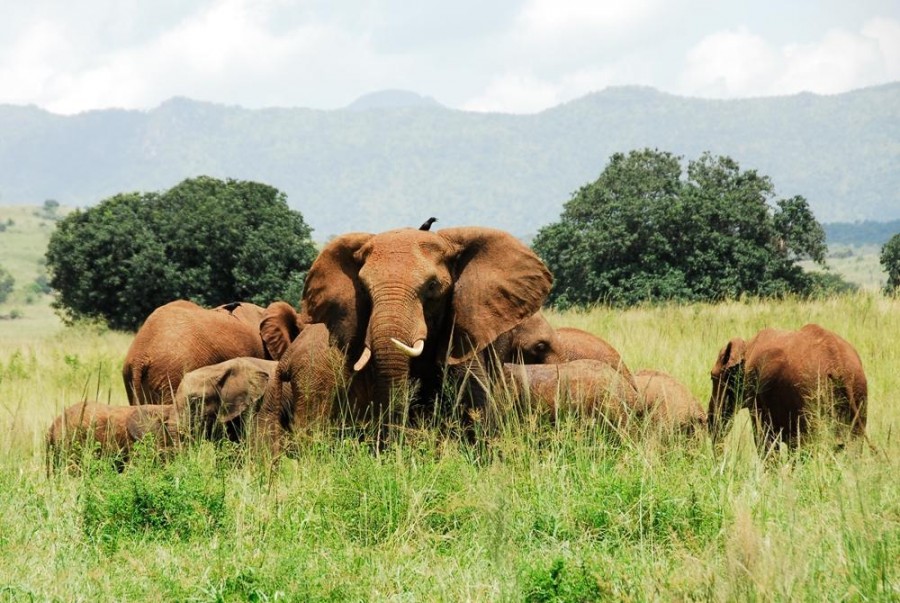
How to Reach Kidepo Valley National Park | Uganda Safari Travel Guide
October 24, 2025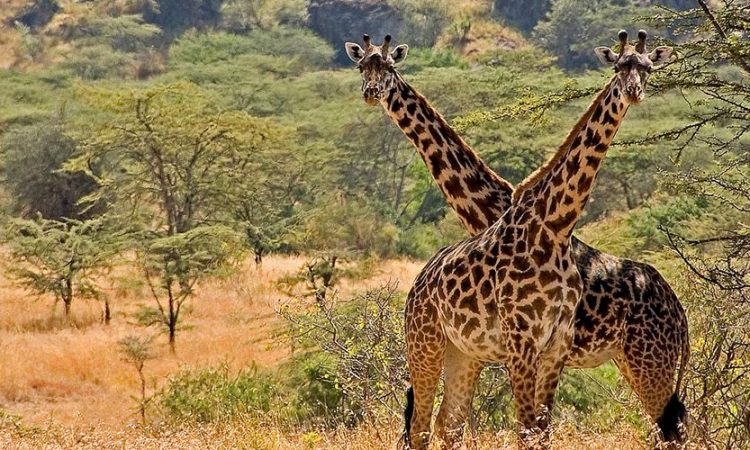
What’s Unique About Kidepo Valley National Park?
Tucked away in the far northeastern corner of Uganda, where the country borders South Sudan and Kenya, lies one of Africa’s most breathtakingly wild and remote safari destinations — Kidepo Valley National Park. Often described as Uganda’s “hidden gem,” Kidepo is a land of rugged beauty, sweeping savannahs, and untamed wilderness. It is the kind of place that reminds you what Africa must have looked like centuries ago — untouched, authentic, and alive with natural drama.
For many travelers, Kidepo remains a dream destination — less crowded than the more famous parks like Murchison Falls or Queen Elizabeth, yet every bit as rich in wildlife and scenic allure. Its isolation has preserved its raw character, and those who make the journey are rewarded with one of the most exclusive and unforgettable safari experiences in East Africa.
But what truly makes Kidepo Valley National Park unique? Let’s explore what sets this remarkable park apart — from its dramatic landscapes and abundant wildlife to its cultural richness and sense of pure wilderness.
The Untamed Location and Landscape
Kidepo Valley National Park sits in the Karamoja region, about 700 kilometers (435 miles) from Kampala, Uganda’s capital. This remoteness is part of its charm. The park spans 1,442 square kilometers and is framed by sweeping savannah plains, craggy hills, and distant mountain ranges that create a breathtaking horizon. The word “Kidepo” comes from a Dodoth word meaning “to pick up,” a reference to the seasonal riverbeds that flow through the park and sustain life in this semi-arid region.
The park is divided by two major valleys — the Narus Valley and the Kidepo Valley — each with distinct features and attractions.
The Narus Valley
The Narus Valley, in the southwest part of the park, is the beating heart of Kidepo’s wildlife activity. This valley remains lush and green for most of the year due to its permanent water sources, attracting large herds of animals, especially during the dry season. Most game drives take place here, and it’s not uncommon to see elephants, lions, buffaloes, and giraffes all within a single outing. The rolling grasslands, dotted with acacia trees and framed by mountain backdrops, make Narus Valley one of the most photogenic safari areas in East Africa.
The Kidepo Valley
In contrast, the Kidepo Valley to the north offers a more arid and dramatic landscape. Its most famous feature is the seasonal Kidepo River, which, for much of the year, is a dry bed lined with white sand. Palm trees grow along its banks, creating a stunning oasis effect. The valley is home to the Kanangorok Hot Springs, where water bubbles up from the earth in an otherworldly landscape. The vast open plains and the silence of the valley evoke an ancient, almost spiritual feeling of wilderness.
Few places in Africa can match the sheer beauty and sense of isolation that Kidepo offers. Here, you can drive for hours without seeing another vehicle, surrounded only by the sounds of the wind, birds, and distant animal calls.
Exceptional Wildlife and Rare Species
Kidepo Valley National Park is often referred to as Uganda’s most diverse park in terms of animal species. It hosts over 77 mammal species and more than 475 bird species, making it a paradise for both wildlife enthusiasts and birdwatchers.
The Big Cats and Other Predators
Kidepo is one of the few places in Uganda where you can see cheetahs in the wild. These sleek, fast hunters thrive in the park’s open plains. Alongside cheetahs, Kidepo is home to healthy populations of lions, leopards, and spotted hyenas, making it one of the best destinations in Uganda for predator sightings. The “lions of Kidepo” are particularly famous — known for their large size and often seen resting atop rocks, scanning the plains for prey.
Herbivores and Iconic African Species
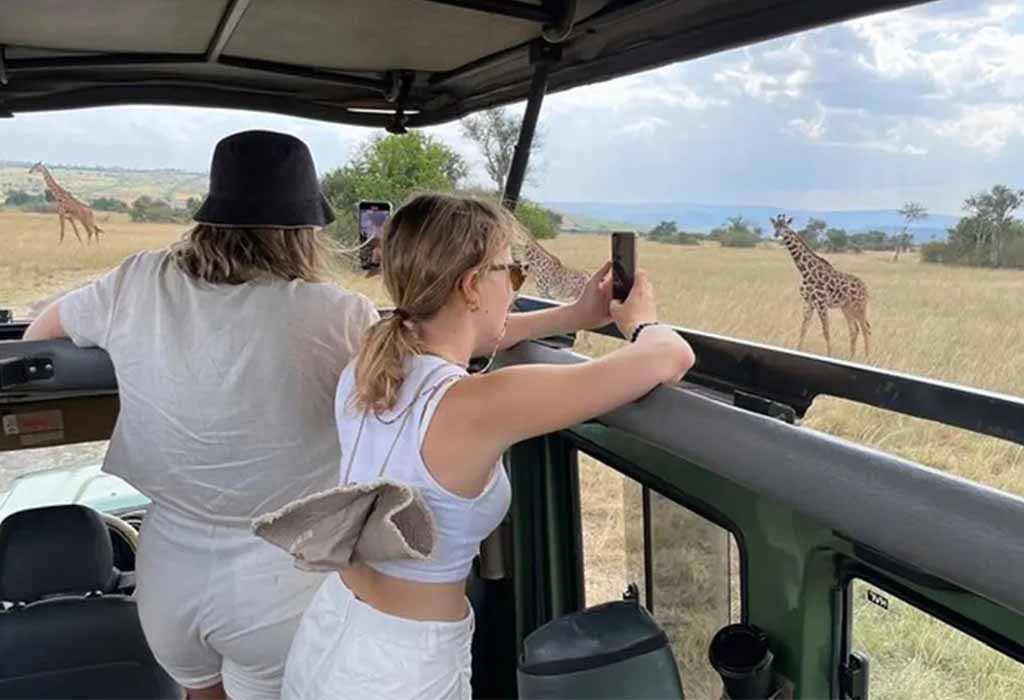
The park’s large mammal population is equally impressive. Visitors can expect to see elephants, giraffes, buffaloes, zebras, eland, hartebeests, and warthogs. The Rothschild’s giraffe, one of the world’s most endangered giraffe subspecies, is particularly common here.
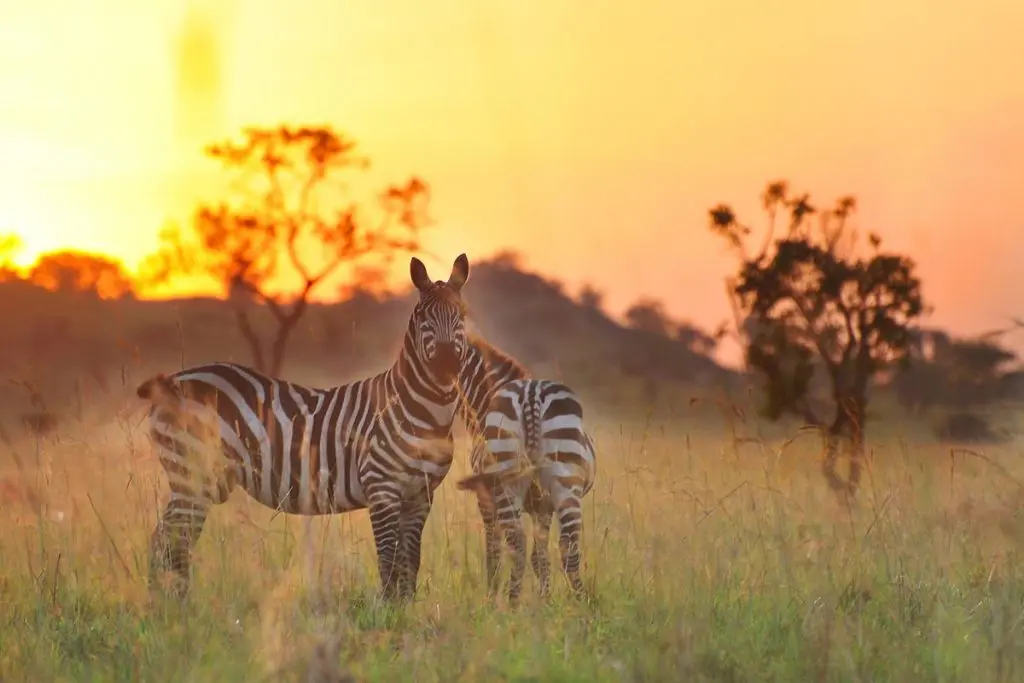
One of the park’s standout features is its unique combination of East African and West African wildlife species. Animals typically associated with Kenya’s semi-arid parks — such as greater kudu, beisa oryx, and dik-dik — coexist here with more commonly seen Ugandan species like Uganda kob and waterbuck. This makes Kidepo an extraordinary melting pot of biodiversity.
Birdlife Beyond Compare
For birdwatchers, Kidepo is one of Uganda’s most rewarding destinations. Its varied habitats — from dry thornbush and grassland to wetlands — attract a wide range of species, including several that are rare or endemic to the region. Among the highlights are the Karamoja apalis, ostrich, verreaux’s eagle, Abyssinian roller, Egyptian vulture, and red-throated bee-eater. The Kidepo sand riverbeds and Narus swamps are perfect spots for birdwatching, especially during the early morning hours.
A True Sense of Remoteness
What truly sets Kidepo apart is its isolation. The park’s distance from major cities has kept it relatively untouched by mass tourism. This remoteness creates an atmosphere that feels profoundly authentic — a place where you can reconnect with nature in complete solitude. Unlike the busier parks in East Africa, Kidepo offers private and unhurried safari experiences, with wide-open landscapes all to yourself.
In Kidepo, there are no traffic jams of safari vehicles, no crowded viewpoints, and no noise beyond the call of a distant lion. Every moment feels personal, pure, and wild. For travelers who crave the feeling of true wilderness — something increasingly rare in today’s world — Kidepo is the ultimate destination.
Cultural Encounters with the Karamojong and Ik People
Another aspect that makes Kidepo unique is its cultural richness. The park lies within the Karamoja region, home to the Karamojong people, a semi-nomadic pastoralist community known for their deep connection to cattle and traditional way of life. Visiting a Karamojong homestead (known as a “manyatta”) is an unforgettable experience. You’ll learn about their customs, music, dances, and how they have adapted to thrive in this challenging environment.
Nearby, in the Morungole Mountains, live the Ik people, one of Uganda’s smallest and most isolated tribes. The Ik are believed to be among the country’s earliest inhabitants, and visiting them requires a hike through the scenic hills. Their village offers a fascinating glimpse into a culture that has remained largely untouched by modernity.
These cultural interactions enrich the safari experience, offering insight into the human side of Uganda’s wilderness — where people and nature coexist in harmony.
Dramatic Scenery and Photography Opportunities
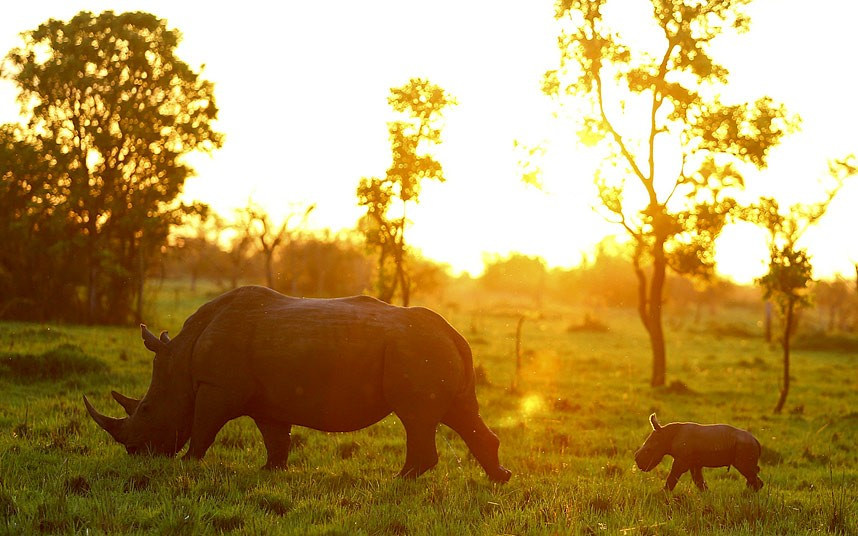
Kidepo is a photographer’s dream. The park’s vast savannah plains, dramatic escarpments, and clear blue skies create perfect lighting and composition opportunities at any time of day. Sunrises and sunsets here are nothing short of magical — painting the plains in golden hues while herds of animals move gracefully across the horizon.
The Narus Valley viewpoint offers sweeping panoramic views, especially at dawn when mist hangs low in the grasslands. The Lomej Hills are another scenic spot, known for their rolling slopes and wildlife-rich surroundings. Even during the dry season, when the land turns golden and sparse, Kidepo retains a stark beauty that is captivating in its simplicity.
Activities in Kidepo Valley National Park
Kidepo offers a wide range of safari activities, each allowing visitors to experience the park’s wonders in unique ways:
- Game Drives: Morning and evening drives in the Narus Valley offer the best chance to see large mammals and predators.
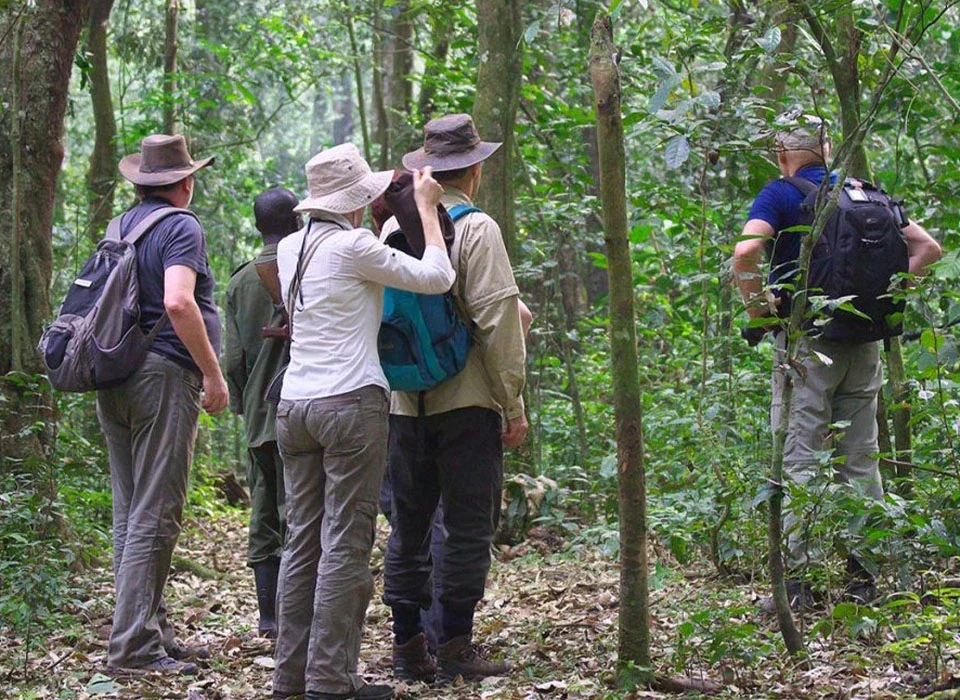
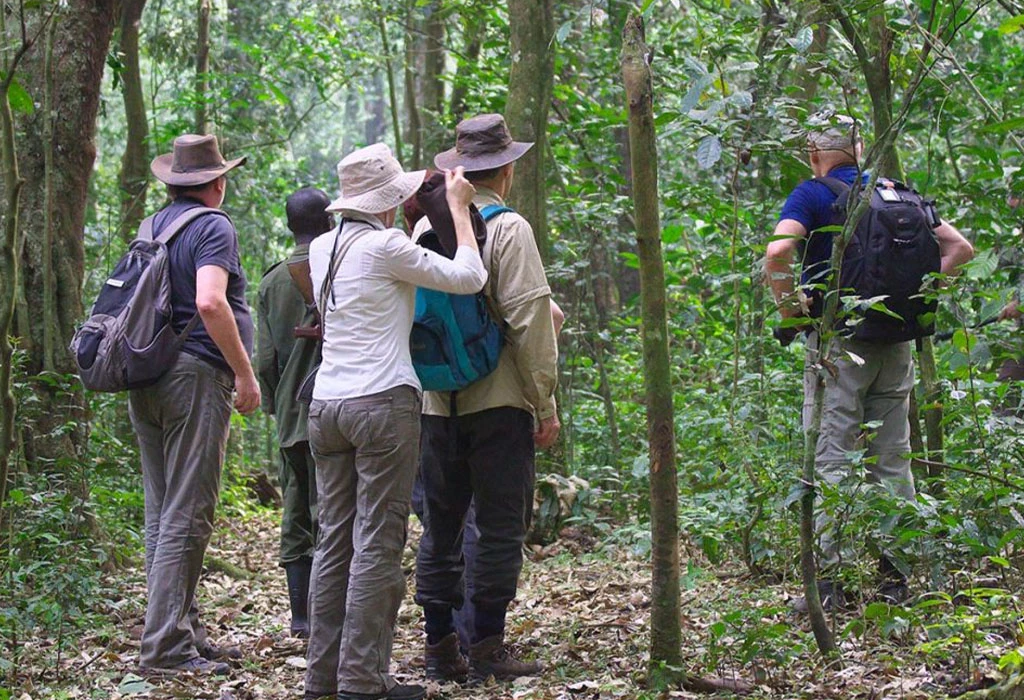
- Nature Walks: Guided walks along the Kidepo River and other areas let you experience the park’s smaller wonders — insects, birds, plants, and tracks.
- Cultural Visits: Interact with the Karamojong community and learn about their traditions and daily life.
- Hiking and Scenic Viewing: Explore the Lomej Hills or climb the nearby mountains for breathtaking vistas of the surrounding plains.
- Birdwatching Excursions: Specialized tours with expert guides focus on the park’s rare and endemic bird species.
Each activity reveals a different side of Kidepo, from the thrill of spotting predators to the quiet beauty of its landscapes.
The Best Time to Visit Kidepo Valley National Park
Kidepo is open year-round, but the dry seasons from December to February and June to September are ideal for wildlife viewing. During these months, animals congregate around water sources in the Narus Valley, making sightings more frequent and rewarding.
The wet seasons (March–May and October–November) transform the park into a lush green paradise, with fewer visitors and spectacular birding opportunities. However, the remote dirt roads can become challenging to navigate, so 4×4 vehicles are recommended year-round.
Accessibility and Accommodation
Reaching Kidepo is part of the adventure. The journey by road takes about 10–12 hours from Kampala, passing through scenic landscapes and small towns along the way. Most travelers break the trip with an overnight stop in Gulu or Kitgum. Alternatively, domestic flights from Entebbe or Kajjansi Airfield take about 2 hours and land at the Kidepo airstrip, just minutes from the park entrance.
Accommodation options range from luxury lodges to comfortable mid-range and budget camps:
- Apoka Safari Lodge – A high-end lodge offering stunning views, elegant rooms, and exceptional service.
- Kidepo Savannah Lodge – A mid-range option with comfortable safari tents and chalets overlooking the Narus Valley.
- Apoka Rest Camp – A budget-friendly facility managed by Uganda Wildlife Authority, ideal for adventure travelers.
Why Kidepo Valley National Park Is Unique
Kidepo stands apart from every other park in Uganda because it combines dramatic scenery, exceptional wildlife, rich culture, and complete exclusivity. It’s a place where every moment feels genuine and every sight feels like a discovery. Whether you’re watching a cheetah sprint across the plains, meeting the proud Karamojong herders, or gazing at a fiery sunset over the Narus Valley, Kidepo reminds you why we travel — to feel alive, to connect, and to witness the extraordinary.
Recommended Safari Operator: Experiya Tour Company
For travelers ready to uncover the magic of Kidepo Valley National Park, we highly recommend traveling with Experiya Tour Company. Their expert guides know Kidepo’s terrain intimately, ensuring that every game drive, cultural visit, and scenic stop is thoughtfully planned. Experiya offers comfortable transport, top-quality accommodations, and tailor-made itineraries that highlight Kidepo’s best features — from its wildlife to its culture and remote beauty.
With Experiya Tour Company, you’ll experience Kidepo the way it’s meant to be — wild, personal, and unforgettable.