Can I Visit Both Southern and Northern Bwindi? | Uganda Gorilla Trekking Guide by Experiya Tour Company
October 23, 2025
Can I Do a One-Day Gorilla Trek in Uganda? | Uganda Gorilla Trekking Guide by Experiya Tour Company
October 23, 2025
What’s the Weather Like in Bwindi Year-Round?
Nestled in the misty highlands of southwestern Uganda, Bwindi Impenetrable National Park is one of Africa’s most enchanting natural wonders. Home to more than half of the world’s remaining mountain gorillas, this UNESCO World Heritage Site attracts adventurers, photographers, and wildlife enthusiasts from across the globe. While the thought of trekking through ancient rainforest to see gorillas up close is exciting, one key question that every traveler asks before visiting is: “What’s the weather like in Bwindi year-round?”
Understanding Bwindi’s weather patterns is essential for planning your gorilla trekking experience. The park’s climate affects not only trekking conditions but also what you should pack, when to visit, and how to prepare for your adventure. Unlike other destinations with sharply defined seasons, Bwindi has a tropical rainforest climate with rainfall possible at any time of the year. However, certain months are drier, making them more favorable for trekking.
In this comprehensive guide, we’ll explore the weather in Bwindi throughout the year, what to expect in each season, and how to plan your gorilla trekking safari accordingly. We’ll also explain why booking your trek with Experiya Tour Company ensures you have the best experience, regardless of when you visit.
Understanding Bwindi’s Climate
Bwindi’s weather is shaped by its high altitude and equatorial rainforest environment. The park sits at an elevation ranging from 1,160 meters (3,806 feet) in the valley areas to about 2,607 meters (8,553 feet) at the highest ridges. This elevation creates a cool, humid, and misty atmosphere throughout the year — the kind of weather that gives the park its mystical, “impenetrable” charm.
Because Bwindi lies near the equator, temperatures don’t vary dramatically between months. Instead, the main difference lies in rainfall patterns, which divide the year into wet and dry seasons.
In general, Bwindi’s climate can be summarized as follows:
- Average daytime temperature: 20°C to 25°C (68°F to 77°F)
- Average nighttime temperature: 10°C to 15°C (50°F to 59°F)
- Rainfall: 1,400mm to 2,500mm per year
- Humidity: Usually high, around 80%
Even during the “dry” months, short showers can occur, so it’s always wise to be prepared for both sunshine and rain.
The Two Main Seasons in Bwindi
Bwindi Impenetrable National Park experiences two wet (rainy) seasons and two dry (drier) seasons each year. Both seasons offer unique advantages depending on what kind of experience you’re seeking.
The Dry Seasons
1. June to September (Long Dry Season)
This is the peak season for gorilla trekking in Bwindi. The weather is relatively dry, with fewer rainy days, making trails less muddy and more manageable. The forest canopy is still lush and green, while visibility for photography is excellent.
What to Expect:
- Pleasant daytime temperatures of 22°C to 25°C.
- Cooler mornings and evenings; temperatures may drop to 10°C.
- Minimal rainfall but occasional light showers, especially in higher altitudes.
- Clearer forest paths and easier hiking conditions.
Advantages:
- Best conditions for trekking and photography.
- Gorillas are often easier to track because trails are less slippery.
- Most tourists visit during this time, creating a vibrant atmosphere.
Disadvantages:
- Gorilla trekking permits and lodges can sell out months in advance.
- Prices for accommodations are higher due to demand.
2. December to February (Short Dry Season)
This second dry period also provides excellent trekking conditions. It’s slightly warmer than mid-year and less crowded than the June–September peak season.
What to Expect:
- Daytime temperatures around 23°C to 26°C.
- Warm afternoons and cool mornings.
- Occasional short rains, mostly in January or early February.
Advantages:
- Great for travelers who prefer fewer crowds.
- Good lighting for photography, especially in the early morning mist.
- Easier hiking conditions compared to the rainy months.
Disadvantages:
- Slightly unpredictable showers may still occur.
- Lodges in prime areas like Buhoma and Rushaga can fill up quickly.
The Rainy Seasons
3. March to May (Long Rainy Season)
This is the heaviest rainy period in Bwindi. The forest becomes drenched in rich green, rivers swell, and trails get muddy and slippery. Trekking during this time is more challenging but equally rewarding for travelers who enjoy solitude and lush scenery.
What to Expect:
- Daily rainfall, sometimes lasting for several hours.
- Temperatures range from 18°C to 23°C.
- Thick mist and low visibility in some areas.
- Fewer tourists, quieter lodges, and more intimate experiences.
Advantages:
- Fewer crowds; you may have a gorilla family almost to yourself.
- Lower accommodation rates and flexible availability.
- The forest is at its greenest and most photogenic.
Disadvantages:
- Trails can be slippery and challenging to navigate.
- Gorillas may move deeper into the forest.
- Photography can be tricky due to mist and dim light.
4. October to November (Short Rainy Season)
This is a shorter rainy period, marking the transition from the long dry season to the end of the year. Rains are typically lighter and more scattered than in the March–May season.
What to Expect:
- Afternoon showers followed by bright spells.
- Daytime temperatures between 20°C and 25°C.
- Lush, vibrant landscapes and dramatic skies.
Advantages:
- Fewer tourists and better availability of permits.
- Opportunities for lush landscape photography.
- Some lodges offer discounted rates.
Disadvantages:
- Trails can be slippery, requiring sturdy hiking boots.
- Possibility of short, unpredictable downpours.
How the Weather Affects Gorilla Trekking
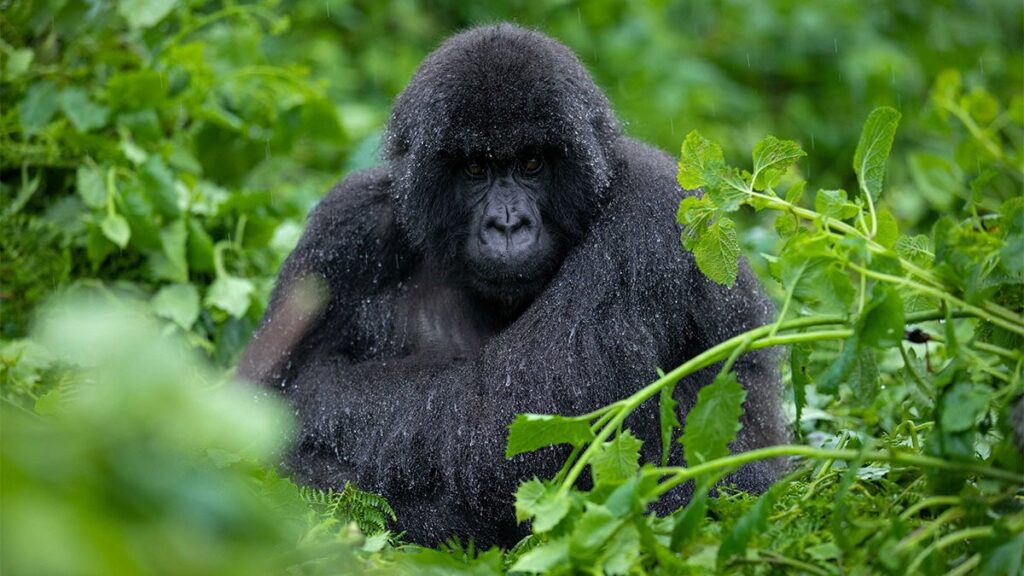
Weather is one of the most important factors influencing gorilla trekking in Bwindi. Rain affects not only the difficulty of the trek but also the gorillas’ movement patterns. During wetter months, gorillas often stay at lower altitudes, making them easier to find, but reaching them can involve muddy, slippery trails. In dry months, trekking is more comfortable, but gorillas may move further up into the forest in search of food.
Regardless of the season, trekkers should always be prepared for sudden weather changes. Bwindi’s rainforest is unpredictable — it might rain in one sector while the other remains sunny. Rangers will always guide you safely, adjusting routes based on daily conditions.
What to Pack Based on the Weather
Whether you’re trekking in the dry or rainy season, packing the right gear can make all the difference in your comfort. Here are essential items to bring for any season:
- Light, breathable clothing: Quick-dry shirts and trousers are best for humid conditions.
- Waterproof jacket or poncho: Sudden showers are common year-round.
- Sturdy hiking boots: Essential for navigating slippery and uneven terrain.
- Gaiters: To protect your legs from mud and insects.
- Warm layers: Mornings and evenings can be quite chilly.
- Gloves: To grip vines and branches during steep climbs.
- Hat and sunscreen: The sun can be strong, even through the mist.
- Reusable water bottle: Stay hydrated throughout your trek.
Your guide or tour operator, like Experiya Tour Company, will brief you on what to carry and ensure you’re well-prepared for the day’s conditions.
Which Is the Best Time to Visit Bwindi?
While you can visit Bwindi any time of year, the dry seasons (June–September and December–February) are generally considered the best for gorilla trekking. Trails are less slippery, and visibility is clearer, making it easier to photograph gorillas and enjoy the experience comfortably.
However, the rainy seasons also have their appeal. For photographers, the mist and lush greenery provide a mystical atmosphere that makes for dramatic images. For travelers seeking peace and solitude, the quieter months of April, May, and November offer a more personal connection with the forest and its wildlife.
Ultimately, the best time to visit depends on your travel style and preferences. With proper preparation and a trusted guide, Bwindi delivers an unforgettable experience in any season.
Additional Weather Considerations
- Altitude changes: Weather varies between the park’s high ridges and lower valleys. Even on the same day, conditions can differ dramatically between sectors like Nkuringo and Buhoma.
- Humidity: Expect consistent moisture in the air. Clothes can take longer to dry, so quick-dry materials are best.
- Morning mist: A signature of Bwindi’s charm, the morning fog adds a mystical touch but can reduce visibility briefly.
Plan Your Gorilla Trekking Adventure with Experiya Tour Company
No matter the season, a successful gorilla trekking adventure in Bwindi depends on excellent planning and expert guidance. That’s why it’s best to travel with experienced professionals like Experiya Tour Company.
Experiya Tour Company is one of Uganda’s most trusted safari operators, specializing in gorilla trekking safaris, wildlife adventures, and tailor-made East African tours. Their knowledgeable team understands Bwindi’s weather patterns, trail conditions, and logistics, ensuring you have a smooth and memorable experience.
Whether you visit during the misty rains or the golden dry months, Experiya will help you secure gorilla permits, choose the best trekking sector (Buhoma, Ruhija, Rushaga, or Nkuringo), and book comfortable lodges suited to the weather. Their expert guides will prepare you for the trek with the right gear, advice, and support — rain or shine.
With Experiya Tour Company, you’ll experience Bwindi’s timeless beauty in any season, from the whispering mists of the rainy months to the bright green trails of the dry season.
For an unforgettable journey through Uganda’s gorilla paradise, travel with Experiya Tour Company — where every season brings a new story in the heart of Bwindi.