Can I visit Lake Turkana?
November 20, 2025
Can I visit Mount Longonot National Park?
November 20, 2025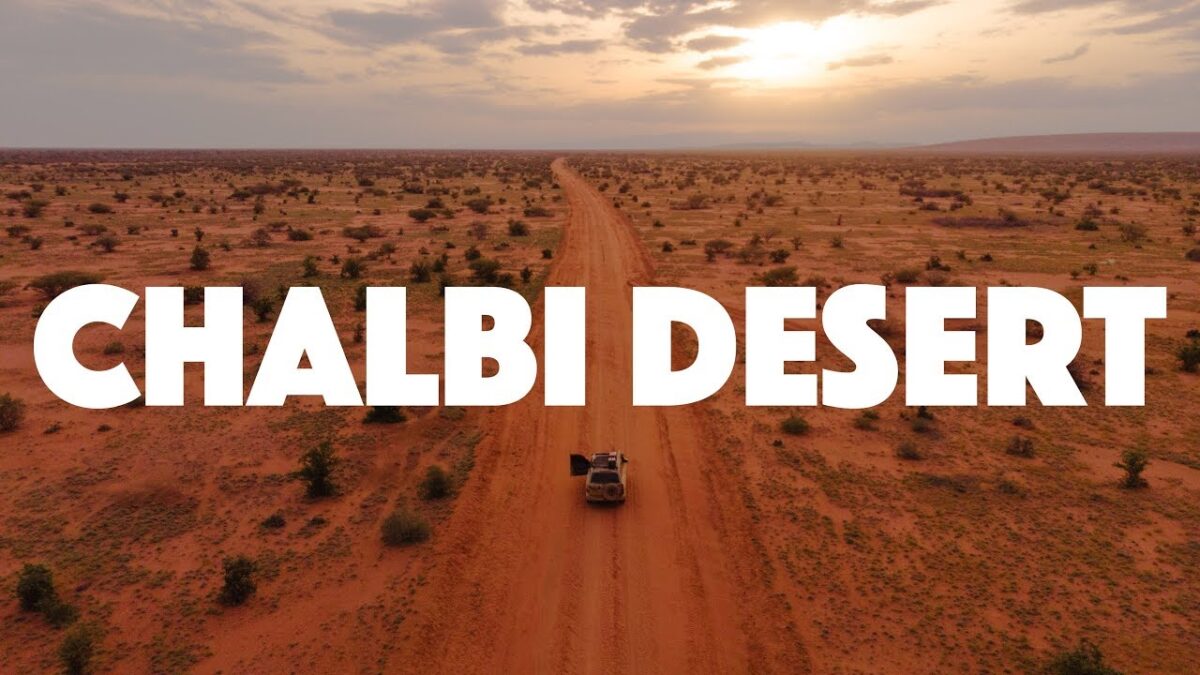
What’s the Chalbi Desert Like?
Kenya is widely celebrated for its golden savannahs, dense forests, rugged mountains, and rich coastlines—but hidden far in the country’s remote north lies one of its most spectacular and least-explored landscapes: the Chalbi Desert. A vast, shimmering expanse of cracked earth, volcanic sand, and salt flats stretching toward the horizon, the Chalbi Desert is unlike any other place in East Africa. It is raw, silent, infinite, and hauntingly beautiful.
Many travelers planning their Kenyan adventure wonder: What is the Chalbi Desert actually like? The short answer is this: the Chalbi Desert is wild, otherworldly, and untouched—a place where silence echoes, stars shine brighter than you’ve ever seen, and the desert winds carry stories older than time. It is one of Kenya’s last true frontiers, offering travelers a deeply immersive and unforgettable sense of isolation and discovery.
This detailed guide explores everything that makes the Chalbi Desert a truly extraordinary destination: its landscapes, history, cultural richness, wildlife, climate, and unique experiences. If you’re looking for a journey that feels like stepping into a different world, the Chalbi Desert is the adventure of a lifetime.
A Landscape Shaped by Ancient Forces
The Chalbi Desert, whose name means “bare and salty” in the Gabbra language, lies east of Lake Turkana in Marsabit County. It was once part of a huge prehistoric lake that dried up thousands of years ago, leaving behind hundreds of square kilometers of salt-encrusted earth, eroded rock formations, dunes, and occasional oases.
The desert is bordered by volcanic mountains and rocky plateaus, creating dramatic contrasts between dark volcanic fields and blindingly white salt flats. This combination makes the Chalbi feel both ancient and surreal—a place where the land tells stories of geological upheavals and climatic shifts.
For photographers, adventurers, and nature lovers, this landscape is a masterpiece of natural artistry.
Silence, Space, and Solitude
One of the most remarkable things about the Chalbi Desert is the profound silence. This isn’t the quiet of a forest or the hush of a snowy landscape—it is a heavier, deeper silence where the world feels paused. The vastness here is overwhelming: endless horizons stretch in every direction, unbroken by towns, fences, or human presence.
Standing alone on the salt flats, you feel the desert’s immensity. The air shimmers, the earth cracks beneath your feet, and the only sound may be the wind shifting grains of sand. The Chalbi Desert offers a kind of solitude that is difficult to find anywhere else in Kenya.
A Desert of Remarkable Diversity
Although it appears barren at first glance, the Chalbi Desert is surprisingly diverse.
Salt Flats
Huge white expanses of dried lakebed create mirror-like landscapes after rains and patterned crusts during the dry season.
Sand Dunes
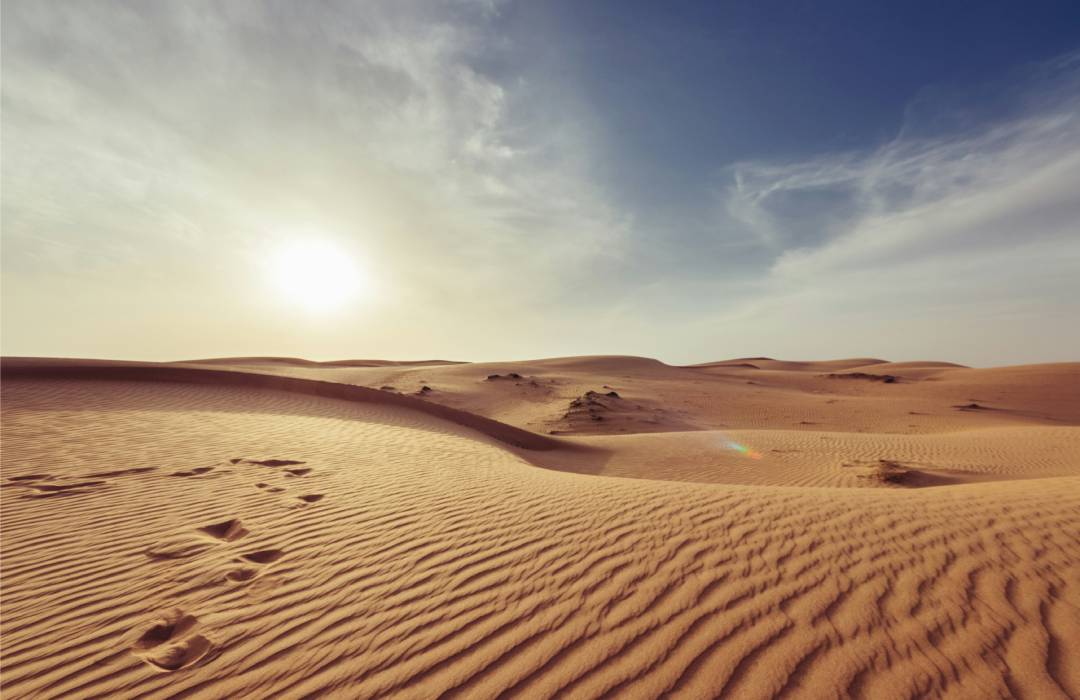
Soft dunes rise and fall across parts of the desert, shaped by wind into smooth, sculptural forms.
Oases
Dotted with doum palms and patches of greenery, oases like Kalacha offer life-giving water and relief.
Volcanic Rocks
The dark, jagged lava fields contrast sharply with the bright desert floor.
This diversity makes the Chalbi Desert an exciting place to explore—each section of the journey reveals a dramatically different face of the desert.
 A Place of Harsh Yet Inspiring Beauty
The Chalbi Desert’s beauty comes from its starkness. It is harsh—temperatures can soar, shade is scarce, and water is precious—but it is precisely this raw power that makes the desert unforgettable. The sunrises and sunsets are among the most spectacular in Kenya. At dawn, soft pinks and golds sweep across the salt flats, lighting up the desert like a painting. At dusk, fiery oranges blend into deep purples as shadows stretch across the dunes.
And when night falls, the stars explode across the sky. With no light pollution for hundreds of kilometers, the Milky Way appears in breathtaking clarity. Stargazing in the Chalbi Desert is one of the purest, most magical experiences Kenya has to offer.
Rich Cultural Heritage of the Desert People
The Chalbi Desert may seem empty, but it is home to vibrant and resilient communities whose cultures have been shaped by the harsh environment.
The Gabbra People
The Gabbra are the primary inhabitants of the Chalbi region. Traditionally pastoralist, they move with their livestock, navigating the desert with centuries of inherited knowledge. Their culture is rich with symbolism—colorful beaded jewelry, woven rugs, camel caravans, and deeply rooted traditions of hospitality.
The Rendille and Turkana
These neighboring communities also interact with the desert, maintaining unique customs and ways of life. Encounters with these tribes offer travelers a rare window into some of Kenya’s most traditional cultures.
Visitors often enjoy:
Learning about nomadic lifestyles
Watching traditional dances
Visiting local manyattas (homesteads)
Listening to stories around the fire
These cultural interactions add depth and meaning to the desert experience.
Wildlife Adapted to Extreme Conditions
Although wildlife is not as abundant as in Kenya’s savannahs, the Chalbi Desert is home to hardy species adapted to the extreme climate.
Common sightings include:
Grevy’s zebra
Beisa oryx
Gerenuk
Somali ostrich
Dik-dik
Hyena
Jackals
Large camel herds belonging to local communities are also a signature sight in the desert.
Birdlife is surprisingly rich around oases and seasonal water sources. Raptors often circle overhead while smaller species flit among palms and shrubs.
Unique Experiences in the Chalbi Desert
The Chalbi Desert offers an adventure unlike any other Kenya destination. Here’s what you can enjoy:
Desert Drives
Traveling across the salt flats in a 4×4 is exhilarating. The terrain is wide, unpredictable, and awe-inspiring.
Sandboarding
Some sections of the desert have perfect dunes for sandboarding—a thrilling desert activity.
Camel Trekking
Camel caravans led by local guides offer slow, meditative journeys through the desert.
Cultural Visits
Interacting with Gabbra, Rendille, or Turkana communities provides insight into desert life.
Photography Expeditions
From glowing sunsets to swirling dust storms and star-filled skies, the desert is a photographer’s dream.
Stargazing
With zero light pollution, nights in the Chalbi are some of the clearest you’ll ever experience.
Exploring Kalacha Oasis
A palm-ringed, vibrant haven that offers shade, life, and beautiful contrast to the barren desert.
How to Get to the Chalbi Desert
The Chalbi Desert is remote, so reaching it requires planning.
By Road
The most common route is:
Nairobi → Nanyuki → Marsabit → North Horr → Chalbi Desert
A 4×4 vehicle is essential due to rough terrain, sand, and potential washouts.
By Air
Light aircraft can land in Marsabit, Kalacha, or Loiyangalani, significantly reducing travel time.
With a Safari Operator
Given the challenges of desert travel, visiting with an experienced tour company is strongly recommended.
Best Time to Visit the Chalbi Desert
The desert can be visited year-round, but conditions vary:
Best Months
July to October
December to February
Dry, stable, and ideal for desert travel.
Rainy Months
March to May
Heavy rains can make parts of the desert difficult to navigate.
Regardless of season, temperatures vary widely between day and night.
Safety and Survival Considerations
The Chalbi Desert is safe with proper planning, but travelers should always consider:
Carrying extra water and fuel
Traveling with a guide
Avoiding driving alone
Preparing for extreme heat
Respecting cultural norms
Keeping communication devices handy
Professional guides ensure safety, navigation, and cultural sensitivity.
Why the Chalbi Desert Is Worth Visiting
The Chalbi Desert is perfect for travelers who desire:
Adventure
Authenticity
Culture
Solitude
Photography
Geological wonder
An off-the-grid experience
It is a journey into raw nature—vast, unfiltered, and deeply peaceful.
The Chalbi Desert Is Kenya at Its Wildest
So, what is the Chalbi Desert like? It is immense, silent, awe-inspiring, mysterious, and profoundly beautiful. It is a place where the world feels ancient, where communities thrive against all odds, and where nature expresses its most extreme and enchanting forms. Visiting the Chalbi Desert is not simply a trip—it is a sensory, emotional, and cultural journey unlike anything else in Kenya.
To explore this extraordinary region safely and comfortably, working with a knowledgeable guide or tour company is essential.
Experiya Tour Company specializes in crafting exceptional desert expeditions—complete with expert drivers, cultural experiences, reliable vehicles, and seamless planning. For an unforgettable adventure into the Chalbi Desert, booking your travels with Experiya Tour Company is highly recommended.