Why Uganda is the Pearl of Africa
December 10, 2025
What Is Sport Fishing in Murchison Falls National Park
December 11, 2025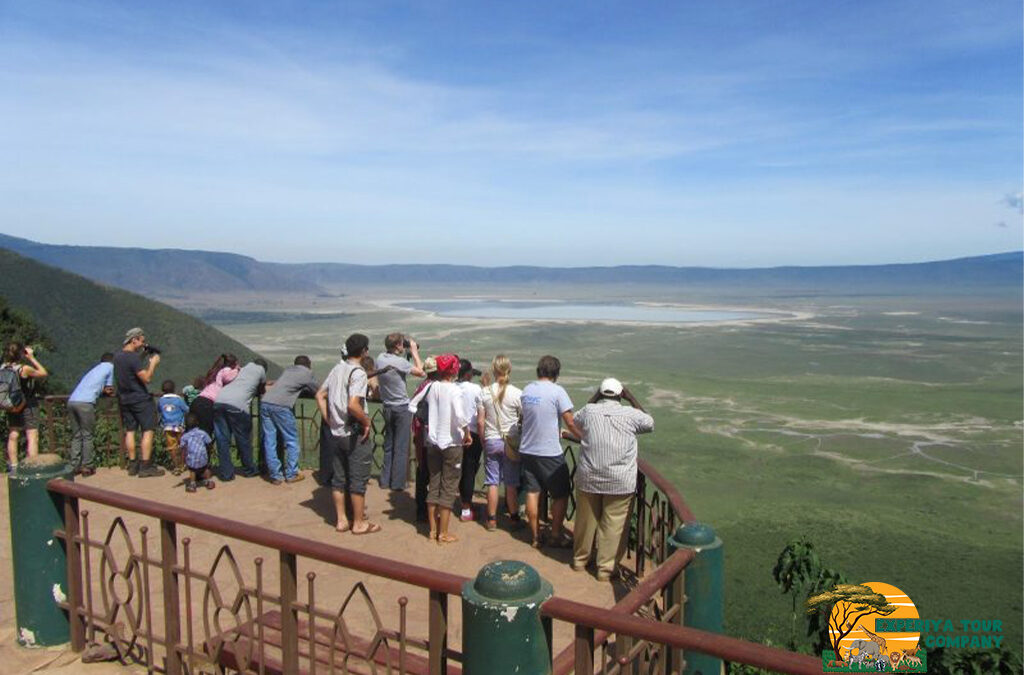
What Is the Ngorongoro Conservation Area?
The Ngorongoro Conservation Area is a protected region in northern Tanzania where wildlife and people coexist. Established in 1959, it covers approximately 8,292 square kilometers and features diverse ecosystems, including grasslands, forests, swamps, and lakes. At its heart lies the world-famous Ngorongoro Crater, a remarkable natural sanctuary. Authorities manage the area under a multiple-land-use system, allowing both conservation and the traditional lifestyle of the semi-nomadic Maasai.
Why Is the Ngorongoro Conservation Area Famous?
The region is best known for the Ngorongoro Crater, the world’s largest intact volcanic caldera. This natural amphitheater supports one of Africa’s densest populations of large mammals, making it a top wildlife destination. UNESCO designated it a World Heritage Site in 1979 due to its extraordinary ecological and cultural value. As a result, travelers across the globe consider Ngorongoro one of Africa’s must-visit safari wonders.
How Big Is the Ngorongoro Conservation Area?
The conservation area spans about 8,292 square kilometers. The Ngorongoro Crater itself measures roughly 260 square kilometers, with a diameter of 19 kilometers and crater walls that rise about 600 meters high. This expansive landscape supports rich biodiversity and wide-ranging habitats—from open plains to montane forests and freshwater sources.
What Wildlife Can You See in the Ngorongoro Crater?
Inside the crater, more than 25,000 large animals thrive. Visitors regularly spot wildebeests, zebras, gazelles, warthogs, and buffaloes grazing on the open plains. The crater is also renowned for its unusually high concentration of lions. Black rhinos, one of Africa’s rarest species, find refuge here. Hippos wallow in the wetlands, and giant-tusked elephants roam along the crater forests. Altogether, this makes safari experiences incredibly rewarding.
Can You See the Big Five in Ngorongoro?
Yes, the Ngorongoro Conservation Area offers excellent chances to see all Big Five animals—lion, leopard, elephant, buffalo, and black rhino. Lions are abundant on the crater floor, buffalos graze in large herds, and elephants often appear along the forested areas. Although leopards and rhinos can be more elusive, patient visitors frequently spot them. This rare opportunity to see all five species in one location makes Ngorongoro unique.
How Was the Ngorongoro Crater Formed?
The Ngorongoro Crater formed around two to three million years ago following a massive volcanic eruption. When the volcano collapsed, it created a vast caldera. Over time, the crater developed its own lakes, forests, and grasslands forming a distinct and thriving ecosystem that still amazes geologists and travelers today.
What Activities Can Tourists Enjoy?
Visitors can explore Ngorongoro in several exciting ways:
- Game drives: The most popular activity, offering close encounters with wildlife.
- Walking safaris: Guided walks along the crater rim or nearby craters.
- Bird watching: Ideal for spotting flamingos at Lake Magadi and hundreds of other species.
- Cultural tours: Interactions with the Maasai to learn about their traditions.
- Historical visits: Trips to Olduvai Gorge, one of the world’s most significant archaeological sites.
Each activity adds depth to the Ngorongoro experience.
Are Walking Safaris Allowed?
Yes, walking safaris are permitted in designated zones. Rangers guide these walks along areas such as the crater rim, Olmoti Crater, and Empakaai Crater. These immersive experiences allow guests to observe smaller wildlife, learn about local vegetation, and enjoy breathtaking views of the Rift Valley and surrounding highlands.
What Cultural Experiences Are Available?
Cultural encounters play an important role in visits to Ngorongoro. Travelers often visit Maasai bomas (villages) to learn about their pastoral lifestyle, livestock traditions, beadwork, and ceremonial practices. Guests also enjoy traditional dances, storytelling, and opportunities to purchase handmade crafts. These interactions help visitors appreciate the cultural heritage woven into the landscape.
How Do the Maasai Live Within the Conservation Area?
The Maasai people maintain a pastoral lifestyle, herding cattle, goats, and sheep across the plains. Their traditional manyattas—circular villages built from mud, sticks, and grass—reflect generations of indigenous knowledge. Although modern influences continue to grow, the Maasai preserve much of their cultural identity, contributing to the area’s living heritage.
What Is the Best Time to Visit Ngorongoro?
Ngorongoro is a year-round destination, but each season offers something unique:
- Dry season (June–October): Clear skies and easier wildlife viewing.
- Green season (November–May): Lush scenery, fewer crowds, and incredible birdlife.
- Calving season (January–March): Wildebeests give birth, attracting predators and dramatic wildlife interactions.
The best time depends on your interests, but every season has its advantages.
How Many Days Should You Spend in Ngorongoro?
Most travelers spend at least two to three days in the area. One full day allows for a crater game drive, while additional days offer time for walking safaris, cultural experiences, and visits to Olduvai Gorge. Longer itineraries often combine Ngorongoro with the Serengeti or Tarangire for a more complete northern Tanzania safari experience.
How Do You Get to Ngorongoro from Arusha?
Travelers can reach Ngorongoro from Arusha by road or air. The scenic drive takes about three to four hours and passes through Karatu before reaching the entrance gate. Alternatively, visitors may take a charter flight to nearby airstrips, followed by a short transfer to their lodge or campsite. Tour operators usually organize both transportation and guided activities for convenience.
Is Ngorongoro Part of the Serengeti Ecosystem?
Yes, the conservation area shares a direct ecological connection with the Serengeti. Wildlife moves freely between the two regions, especially during the annual wildebeest migration. Ngorongoro also links with Lake Natron and Tarangire, forming an extensive protected landscape vital for migration and biodiversity.
Why Is Ngorongoro a UNESCO World Heritage Site?
UNESCO recognized Ngorongoro because of its exceptional wildlife, geological features, and cultural significance. It contains the world’s largest intact caldera, hosts rich wildlife populations, and includes archaeological sites such as Olduvai Gorge—home to some of the earliest human remains. The coexistence of people and wildlife adds another unique dimension to its conservation value.
Can You Stay Overnight in the Ngorongoro Conservation Area?
Yes, guests can stay in lodges and camps located inside and around the conservation area. Accommodation ranges from luxurious crater-rim lodges with sweeping views to comfortable mid-range options and budget campsites. Staying within or near the area gives travelers early access to game drives, sunrises, and cultural visits.
Which Lodges and Camps Are Available?
Ngorongoro offers a wide range of choices:
- Luxury lodges on the crater rim with stunning panoramas.
- Mid-range lodges and tented camps closer to the crater.
- Public and special campsites for budget travelers and adventurers.
Each option allows guests to immerse themselves in the wild beauty of the region.
How Much Is the Entrance Fee?
Entrance fees vary based on nationality and residency. International visitors typically pay around $70 per adult per day, with additional vehicle fees and the mandatory crater service fee. East African residents enjoy reduced rates, and children often qualify for discounts. It’s always best to check updated fees with the Ngorongoro Conservation Area Authority when planning your visit.
What Birds Can You See in Ngorongoro?
With more than 500 bird species recorded, the area is a paradise for bird lovers. Flamingos gather in large flocks around Lake Magadi. Raptors such as vultures, eagles, and buzzards soar over the crater rim. Grassland birds like crowned cranes and kori bustards thrive across the plains, while forests shelter colorful species such as turacos and hornbills.
Is Ngorongoro Safe for Tourists?
Yes, Ngorongoro remains a safe destination when visited responsibly. Park authorities enforce strict guidelines to protect visitors and wildlife. Guests should stay in vehicles during game drives, follow instructions from rangers and guides, and respect cultural sites. Lodges and camps maintain secure environments, ensuring comfortable and safe stays.