What to See on Your Way to Bwindi from Kampala
July 11, 2026
Chimpanzee Trekking in Rwanda
July 13, 2026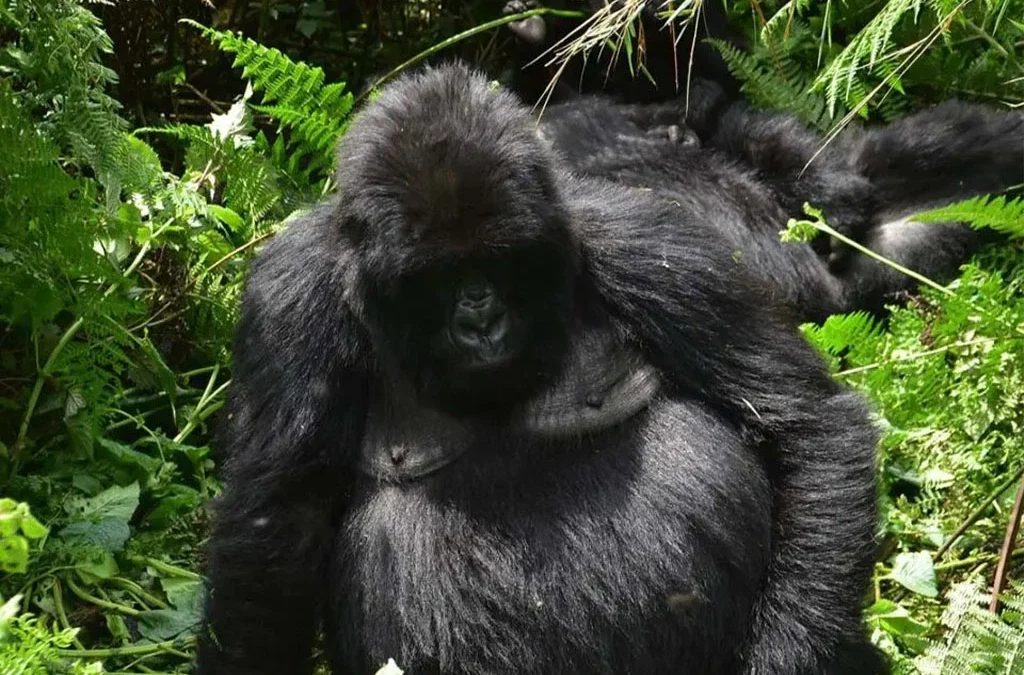
Rwanda has earned a global reputation as one of Africa’s finest destinations for primate encounters. Known as the “Land of a Thousand Hills,” the country combines breathtaking scenery with remarkable biodiversity, making it an ideal destination for travelers seeking close encounters with some of the world’s most fascinating primates. From the mist-covered slopes of Volcanoes National Park to the ancient rainforests of Nyungwe and Gishwati-Mukura National Parks, Rwanda offers unforgettable wildlife experiences that appeal to nature lovers, photographers, researchers, and adventure travelers alike.
At Experiya Tour Company, we specialize in organizing professionally guided primate safaris across Rwanda and East Africa. We arrange gorilla permits, accommodation, transportation, experienced guides, and customized safari itineraries that ensure every traveler enjoys a seamless and memorable experience. Whether you are planning a short primate adventure or a multi-country safari, our team is committed to delivering exceptional service from the moment you arrive until your departure.
Why Choose Rwanda for a Primate Safari?
Rwanda stands among Africa’s leading wildlife destinations because of its impressive conservation success and well-managed national parks. The country’s protected forests provide safe habitats for numerous primate species while offering visitors excellent opportunities for wildlife viewing throughout the year.
Unlike many destinations where wildlife viewing requires long drives, Rwanda allows travelers to access its national parks within a few hours from Kigali International Airport. This convenience makes it possible to enjoy incredible primate experiences even during shorter holidays.
In addition, Rwanda’s conservation programs have helped protect endangered species while supporting local communities through sustainable tourism. As a result, visitors contribute directly to wildlife conservation simply by participating in guided primate activities.
Mountain Gorillas
Mountain gorillas remain Rwanda’s most famous wildlife attraction and the primary reason thousands of visitors travel to the country every year. These gentle giants inhabit the lush bamboo forests and volcanic slopes of Volcanoes National Park, where several habituated gorilla families welcome visitors under carefully regulated trekking programs.
The park protects a significant portion of the endangered mountain gorilla population living within the Virunga Massif, which stretches across Rwanda, Uganda, and the Democratic Republic of Congo. During a gorilla trek, experienced trackers locate a gorilla family before guiding visitors through the forest. Once found, guests spend one unforgettable hour observing the gorillas as they feed, groom one another, play, and interact naturally.
Watching a silverback protect his family or seeing playful young gorillas swinging through vegetation creates memories that last a lifetime. Beyond the excitement, every gorilla permit purchased helps fund conservation efforts, scientific research, park management, and community development projects surrounding the park.
Chimpanzees
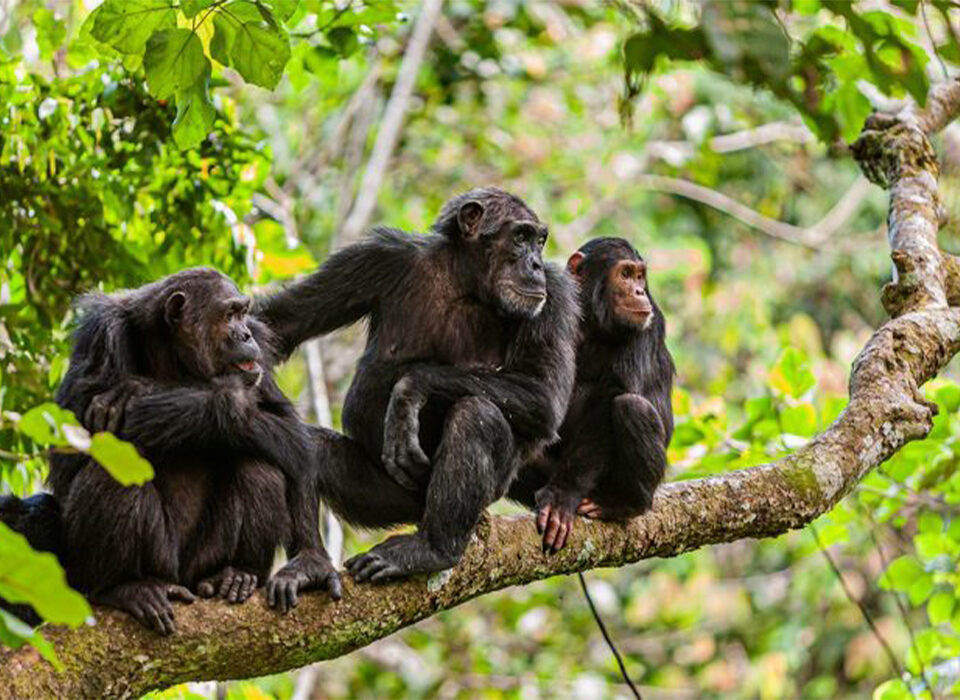
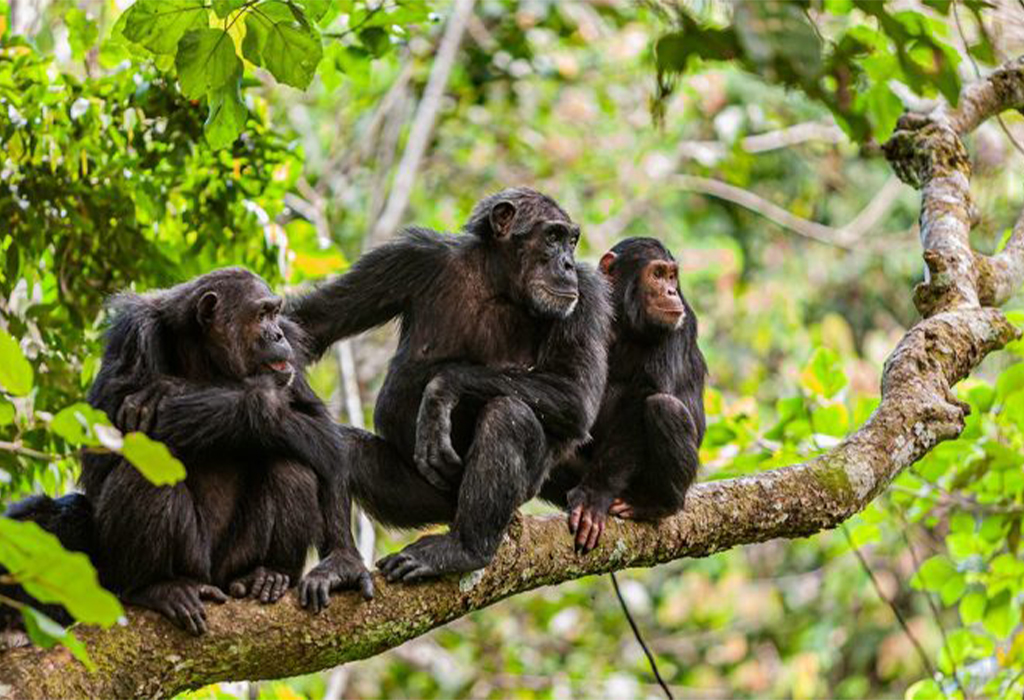
Chimpanzee tracking offers another extraordinary primate experience in Rwanda. Nyungwe Forest National Park, one of Africa’s oldest montane rainforests, provides an ideal habitat for these highly intelligent primates.
Chimpanzees live in large communities within the forest, particularly around the Cyamudongo section. Because they move quickly through the forest canopy and often travel long distances, tracking them can be exciting and unpredictable. Visitors frequently hear loud pant-hoots echoing through the forest before finally spotting a troop moving energetically among the trees.
Apart from chimpanzees, Nyungwe also shelters many other primate species, making every forest walk rewarding even before the main encounter begins.
Golden Monkeys
Golden monkey trekking ranks among Rwanda’s most enjoyable wildlife activities. These beautiful endangered primates inhabit the bamboo forests of Volcanoes National Park, where they live in large social groups.
Their bright golden-orange fur contrasts beautifully with the green bamboo vegetation, creating exceptional photography opportunities. Golden monkeys remain active throughout the day, continuously jumping between bamboo stems while feeding on shoots, fruits, insects, and leaves.
Unlike gorilla trekking, golden monkey tracking usually involves shorter hikes, making it an excellent activity for families and visitors seeking a less physically demanding adventure.
Black-and-White Colobus Monkeys
Among Rwanda’s most recognizable primates are the striking black-and-white colobus monkeys. Their long white tails and silky black coats make them easy to identify as they leap gracefully through the forest canopy.
Large troops inhabit Nyungwe Forest National Park, where visitors occasionally witness hundreds of individuals moving together. Their remarkable agility allows them to travel impressive distances between tree branches with seemingly effortless jumps.
These leaf-eating monkeys spend much of their day feeding and resting high in the forest canopy, offering visitors excellent opportunities for observation and photography.
Red-Tailed Monkeys
Red-tailed monkeys are another common primate species found within Rwanda’s forests. Their distinctive reddish tail, white nose, and pale cheeks contrast beautifully with their dark grey body, making them one of the forest’s most attractive monkey species.
These agile primates primarily feed on fruits, seeds, flowers, and insects. They also possess expandable cheek pouches that allow them to collect food quickly before moving to safer feeding locations.
Although relatively small, red-tailed monkeys remain highly active and curious, often allowing visitors excellent viewing opportunities along forest trails.
L’Hoest’s Monkeys
L’Hoest’s monkeys thrive in Rwanda’s montane forests and stand out because of their elegant appearance. Their dark coats combine with distinctive white cheeks and a white throat, giving them a unique facial expression.
Unlike many arboreal monkeys, L’Hoest’s monkeys spend considerable time on the forest floor searching for fruits, leaves, insects, and small invertebrates. They typically move in organized family groups led by dominant males.
Visitors exploring Nyungwe Forest frequently encounter these shy but fascinating primates during guided nature walks.
Blue Monkeys
Despite their name, blue monkeys are not actually blue. Instead, the name refers to the bluish appearance of their dark facial skin. Their olive-grey coats blend well into the forest canopy, providing effective camouflage against predators.
Blue monkeys mainly inhabit the upper forest layers, where they feed on fruits, leaves, flowers, and insects. Their social behavior and constant communication make them interesting subjects for wildlife observation.
Because they often associate with other monkey species, visitors may observe mixed-species groups while exploring Rwanda’s forests.
Pottos and Galagos
Rwanda also supports several fascinating nocturnal primates, including pottos and galagos, commonly known as bush babies.
Pottos move slowly through dense vegetation using their powerful grip to climb branches while searching for insects, fruits, and tree gum. Their deliberate movements and large reflective eyes make them perfectly adapted for life after dark.
Galagos, on the other hand, display remarkable speed and agility. Their enormous eyes provide excellent night vision, while their powerful hind legs enable them to leap several meters between branches. During specialized night walks, visitors may hear their distinctive calls before spotting them moving swiftly through the forest canopy.
Baboons
Olive baboons inhabit several protected areas throughout Rwanda, particularly in woodland and savannah environments. These intelligent primates live in complex social groups with clearly defined hierarchies.
Baboons spend much of their day foraging on the ground, feeding on fruits, roots, seeds, insects, and occasionally small animals. Their adaptability allows them to thrive in different habitats, making them one of Africa’s most widespread primates.
Watching their social interactions, grooming behavior, and playful young offers fascinating insights into primate behavior.
Vervet Monkeys
Vervet monkeys are among the most commonly observed primates in Rwanda. They easily adapt to forests, woodlands, grasslands, and even areas close to human settlements.
Their grey coats, black faces, and long tails make them easy to identify. Highly social and intelligent, vervet monkeys communicate through a variety of vocalizations that warn group members about different predators.
Visitors frequently encounter these energetic monkeys while traveling between Rwanda’s parks and conservation areas.
Owl-Faced Monkeys
The owl-faced monkey, also known as Hamlyn’s monkey, is one of Africa’s rarest primates. Although it is more commonly associated with forests in the Democratic Republic of Congo, isolated populations occur within parts of the Albertine Rift ecosystem.
Its most recognizable feature is the distinctive white stripe running down the center of its face, creating an owl-like appearance. Combined with its grey-green coat, this unique marking makes it one of Africa’s most unusual monkey species.
Dent’s Monkeys and Grey-Cheeked Mangabeys
Dent’s monkeys inhabit dense tropical forests where they quietly forage for fruits, leaves, and insects. Their elusive behavior makes sightings especially rewarding for experienced wildlife enthusiasts.
Grey-cheeked mangabeys also inhabit East African forests and are easily recognized by their pale cheeks and shaggy crown hair. These intelligent monkeys travel through the canopy in social groups while searching for seasonal fruits, seeds, and young leaves.
Their expressive faces and active behavior provide excellent opportunities for wildlife photography.
Angolan Colobus Monkeys
Angolan colobus monkeys are among the most visually striking primates found within the region. Their long black-and-white fur and flowing tails create an elegant appearance as they move effortlessly through the forest canopy.
These highly social monkeys usually live in groups led by a dominant male and several females. They feed primarily on leaves but also consume fruits, flowers, and seeds depending on seasonal availability.
Their graceful movements and peaceful social interactions make them one of the highlights of Rwanda’s forest ecosystems.
Plan Your Rwanda Primate Safari with Experiya Tour Company
A primate safari in Rwanda offers far more than wildlife viewing. It provides an opportunity to experience ancient rainforests, spectacular volcanic landscapes, rich biodiversity, and inspiring conservation success stories. Whether your dream is to stand face-to-face with endangered mountain gorillas, track energetic chimpanzees through Nyungwe Forest, or observe the playful golden monkeys of Volcanoes National Park, Rwanda promises unforgettable encounters at every turn.
At Experiya Tour Company, we design personalized Rwanda primate safaris that match your interests, schedule, and budget. From securing gorilla permits to arranging luxury lodges, transportation, professional guides, and cross-border adventures into Uganda, we handle every detail with care and professionalism. Contact Experiya Tour Company today to begin planning your unforgettable Rwanda primate safari and discover why this remarkable country remains one of Africa’s premier destinations for primate conservation and wildlife experiences.