Why Visit Camp Kigali Belgian Memorial
January 9, 2026
The 4 Must-Visit Places in Uganda
January 9, 2026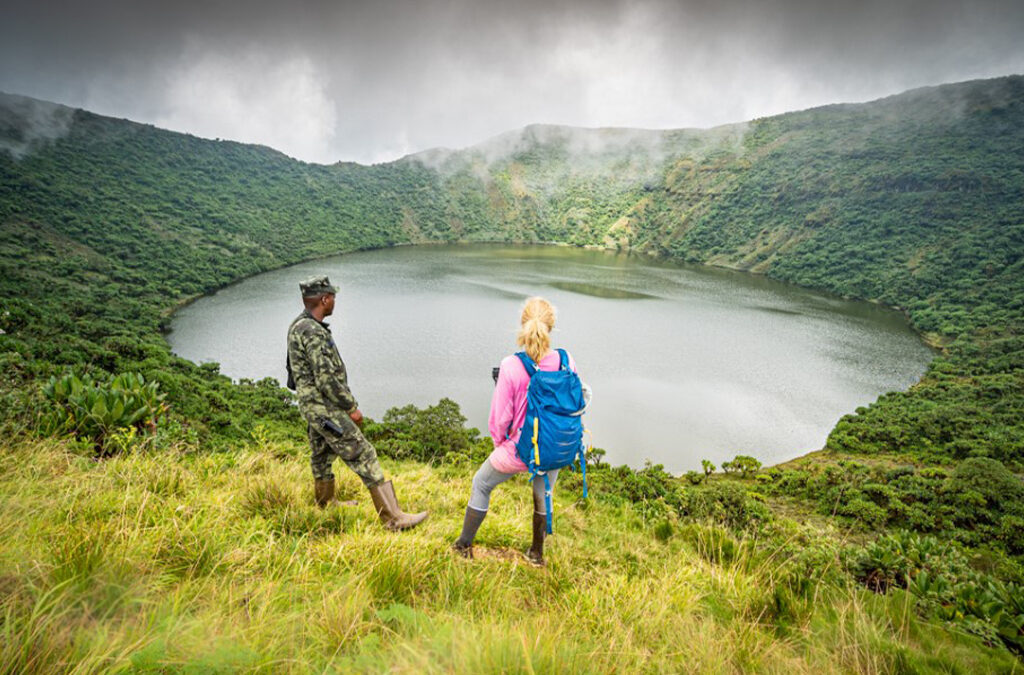
If you’re looking for a thrilling adventure on your Rwanda safari, hiking to Bisoke Crater Lake should be at the top of your list. Bisoke Volcano, also called Visoke, is a dormant giant in the Virunga Mountains, rising to 3,711 meters on the border of Rwanda and the Democratic Republic of Congo (DRC). Its breathtaking scenery, rich wildlife, and iconic crater lake make it one of the most rewarding hikes in East Africa.
Discover the Beauty of Bisoke
The name Bisoke comes from the Swahili word meaning “soaked with water,” a fitting description for this volcano, which hosts two stunning crater lakes. The main crater lake sits at the summit, measuring 400 meters in diameter and reaching a depth of 100 meters. The second, Lake Ngezi, rests along the volcano’s slopes, offering sweeping views of the nearby Mount Sabyinyo and the surrounding Virunga landscape.
These lakes are not only picturesque but also a natural reflection of the volcano’s history. Hiking here is more than just a trek it’s an immersion into Rwanda’s remarkable biodiversity and volcanic heritage.
The Adventure Awaits: Hiking Bisoke Crater Lake
The hike to Bisoke Crater Lake is an adventure suitable for both experienced and less experienced hikers. A complete trek takes about six hours: four hours to reach the summit and two hours for the descent. Along the way, you’ll pass through distinct vegetation zones, transitioning from lush Hagenia forests to open alpine landscapes.
As you hike, you may spot a variety of wildlife. Forest elephants occasionally roam the area, while golden monkeys and buffaloes are more common. Bird enthusiasts will be thrilled by the variety of species inhabiting this volcanic region. While the trail passes near mountain gorillas, photography of gorillas is restricted and only allowed with a special gorilla permit.
Preparing for Your Hike
Your adventure begins at Volcanoes National Park headquarters in Kinigi. Here, park rangers brief hikers on the day’s trek before setting off at around 8:00 am. Each hiker is paired with a professional park ranger who ensures your safety, guides you along the trail, and shares insights about the volcano’s ecosystem.
The starting point is about a 40-minute drive from Kinigi, and it’s important to come prepared. Pack a walking stick, water, energy-boosting snacks, and appropriate clothing. For those carrying heavy luggage, hiring a porter for around $10 is an option.
What to Pack for Bisoke Crater Lake
A successful hike begins with the right gear. Here’s what you should bring:
- Clothing: Long trousers, long-sleeved shirts or t-shirts, sweater, and headgear to protect against sun and cold.
- Footwear: Waterproof hiking boots for slippery or muddy paths.
- Accessories: Hand or gardening gloves for climbing through rough vegetation.
- Supplies: Hiking permit (around $75), water, and energy-rich snacks.
- Optional: Walking sticks, camera (for general landscape photography, not for gorillas), and light rain gear.
Being well-prepared ensures a safer and more enjoyable hiking experience.
Best Time to Hike Bisoke
Timing your hike is essential to avoid rain and enjoy clearer views. The best months for trekking are:
- Dry Season: June, July, August, September
- Short Dry Season: December, January, February
During these months, trails are less muddy, and the crater lake is at its most vibrant.
Overnight Options Near Volcanoes National Park
Staying close to the park makes your hike more convenient. Accommodation options range from basic guesthouses to luxurious lodges:
- Luxury: Choose lodges nestled in the mountains with stunning views, perfect for relaxing before or after your hike.
- Midrange: Comfortable lodges offering cozy rooms and hearty meals.
- Budget: Guesthouses or hotels in Kinigi provide affordable stays and local experiences.
Booking in advance is recommended, especially during peak trekking months.
Getting There: Reaching Bisoke Volcano
Volcanoes National Park is located in northwestern Rwanda, about 2–3 hours’ drive from Kigali, the capital city. From Kigali, the journey winds through scenic hills and villages, giving you a preview of Rwanda’s breathtaking landscapes. Once at the park headquarters, your adventure truly begins.
What You’ll Experience on the Trail
Hiking Bisoke is more than just a climb it’s a journey through nature and culture:
- Diverse Vegetation: From dense forests to high-altitude alpine zones, every step brings a new natural wonder.
- Wildlife Encounters: Watch for golden monkeys leaping among trees, buffalo grazing, and possibly forest elephants moving quietly through the undergrowth.
- Panoramic Views: As you near the summit, the crater lake comes into view, surrounded by volcanic slopes and distant peaks.
Even if you’re not an experienced hiker, the trail is manageable. Guides provide support and share fascinating stories about the volcano’s history, geology, and wildlife.
Safety and Guidelines
Your safety is the park’s priority. Follow your guide’s instructions, stay on marked trails, and respect wildlife. Avoid taking photos of mountain gorillas unless you have a permit. Additionally, carry enough water, wear proper footwear, and pace yourself to enjoy the hike fully.
Making the Most of Your Adventure
To fully enjoy Bisoke, consider combining your hike with other experiences in Volcanoes National Park, such as:
- Visiting nearby crater lakes for scenic views and photography.
- Exploring forest trails for birdwatching and spotting golden monkeys.
- Immersing yourself in local communities to learn about Rwandan culture and traditions.
These activities complement the crater lake hike and create a memorable safari experience.
Final Thoughts
Hiking to Bisoke Crater Lake is an unforgettable adventure. It offers breathtaking landscapes, rich wildlife encounters, and the thrill of reaching a volcanic summit. Whether you’re an experienced trekker or a casual hiker, Bisoke provides a rewarding challenge that combines natural beauty, adventure, and a touch of Rwandan history.
Prepare well, respect the park’s guidelines, and embrace the journey. Standing at the summit, overlooking the pristine crater lake and surrounding peaks, you’ll understand why this hike is one of Rwanda’s most spectacular experiences.