
Gorilla Tourism in Uganda: A Journey into the World of Mountain Gorillas
June 15, 2026
Are There Adventure Activities in Uganda While Trekking Gorillas?
June 16, 2026
Wildlife conservation succeeds through action, commitment, and long-term investment. While passion inspires change, meaningful conservation requires research facilities, trained professionals, funding, and permanent infrastructure. One of the most remarkable examples of this approach is the Ellen DeGeneres Campus of the Dian Fossey Gorilla Fund in Rwanda.
Located in Rwanda’s northern region near Volcanoes National Park, this state-of-the-art conservation center represents a major step forward in mountain gorilla protection. Opened in 2022, the campus serves as a leading hub for scientific research, conservation education, community outreach, and wildlife monitoring. Today, it stands among Africa’s most significant facilities dedicated to gorilla conservation and environmental stewardship.
For travelers exploring Rwanda with Experiya Tour Company, a visit to this inspiring campus offers a deeper understanding of the efforts that have helped mountain gorilla populations recover and thrive in the wild.
The Vision Behind the Campus
The establishment of the Ellen DeGeneres Campus marked a new chapter in African primate conservation. Rather than relying solely on temporary field stations, conservationists envisioned a permanent institution capable of supporting research, training future conservation leaders, and strengthening gorilla protection efforts for generations.
The campus was created to support long-term ecological studies while providing modern facilities for scientists, students, veterinarians, and conservation practitioners. Its strategic location near Volcanoes National Park allows researchers to collaborate closely with rangers and field teams responsible for monitoring Rwanda’s famous mountain gorillas.
Additionally, the campus bridges the gap between academic learning and practical conservation work. Students and researchers can study ecological theories in classrooms and laboratories before applying their knowledge directly in the field.
The History of the Ellen DeGeneres Campus
Planning for the campus began several years before its official opening. Conservation experts recognized that existing facilities in Musanze could no longer accommodate the growing demands of research, education, and wildlife monitoring programs.
As mountain gorilla conservation efforts expanded, the need for a larger and more sophisticated center became increasingly clear. Conservation leaders therefore developed plans for a purpose-built facility that could serve as a central headquarters for research and conservation operations.
The chosen location in Kinigi offered several advantages. Most importantly, it lies close to Volcanoes National Park, home to a significant portion of the world’s remaining mountain gorillas. Furthermore, the area forms part of the famous Virunga Massif, one of Africa’s most important conservation landscapes.
Construction officially began in 2019 and continued despite challenges presented by the global COVID-19 pandemic. Thousands of local workers contributed to the project, creating employment opportunities while helping build a facility that would benefit conservation efforts for decades.
In February 2022, the campus officially opened its doors. Since then, it has become a center of excellence for ecological research, conservation education, and gorilla protection throughout the region.
A Modern Conservation Facility
The Ellen DeGeneres Campus was designed with sustainability, functionality, and innovation in mind. Modern infrastructure supports a wide range of conservation activities while minimizing environmental impact.
The facility features advanced research laboratories, digital data storage systems, classrooms, conference spaces, and accommodations for visiting scientists and students. Reliable power systems and high-speed internet connections ensure that researchers can process and share information efficiently.
More than ninety full-time professionals work at the campus. These include ecologists, veterinarians, conservation managers, educators, researchers, and logistics personnel. Together, they coordinate field activities, analyze scientific data, develop conservation programs, and engage local communities.
Because many researchers spend extended periods working in the area, the campus also provides residential facilities that support long-term scientific projects and international collaborations.
Daily Operations and Field Research
Every day begins with careful planning and coordination. Field teams receive assignments before heading into the forests surrounding Volcanoes National Park. Their work involves tracking gorilla families, monitoring habitat conditions, documenting vegetation changes, and identifying potential conservation threats.
Once researchers return from the field, they transfer their findings to specialized databases maintained at the campus. Scientists then analyze the information to identify trends and make informed conservation decisions.
This continuous flow of information plays a critical role in understanding mountain gorilla populations. Researchers can track family movements, monitor reproductive success, assess habitat quality, and detect emerging threats before they become serious problems.
The campus also serves as a central coordination point for communication between conservation teams and park authorities. Whenever rangers encounter unusual gorilla behavior, signs of illegal activity, or environmental concerns, the campus helps coordinate rapid responses.
Consequently, conservation efforts become more efficient and proactive, helping ensure the long-term survival of mountain gorillas in Rwanda.
Supporting Education and Future Conservation Leaders
One of the campus’s most important achievements lies in its commitment to education. Conservation success depends not only on protecting wildlife today but also on preparing the next generation of environmental leaders.
To achieve this goal, the campus collaborates with universities, schools, and educational institutions throughout Rwanda and beyond. Students studying biology, ecology, environmental science, and wildlife management gain valuable practical experience through internships, research projects, and field-based training.
Each year, numerous students participate in programs hosted at the facility. Through classroom instruction, laboratory work, and guided field experiences, they develop the skills necessary to contribute to conservation efforts across Africa.
This investment in education ensures that future conservation professionals possess both scientific knowledge and practical field experience.
Contributions to Gorilla Conservation
The impact of the Ellen DeGeneres Campus extends far beyond its physical buildings. Since its opening, the facility has contributed significantly to mountain gorilla conservation through research, monitoring, veterinary support, and community engagement.
Researchers use the campus to conduct detailed studies on gorilla behavior, population dynamics, habitat conditions, and ecological health. These findings help conservation authorities make informed management decisions and improve protection strategies.
In addition, the campus manages extensive gorilla monitoring programs. Teams regularly collect data on gorilla health, group composition, movements, and reproductive patterns. Scientists analyze this information to assess population trends and identify conservation priorities.
Veterinary support also plays a crucial role. The campus works closely with wildlife health specialists who respond to medical emergencies affecting wild gorillas. Laboratory facilities enable rapid testing and analysis of biological samples, improving the speed and effectiveness of treatment efforts when intervention becomes necessary.
Furthermore, conservation teams use data generated at the campus to support regional and international wildlife management initiatives. This collaborative approach strengthens conservation efforts throughout the broader range of mountain gorillas.
Visiting the Ellen DeGeneres Campus
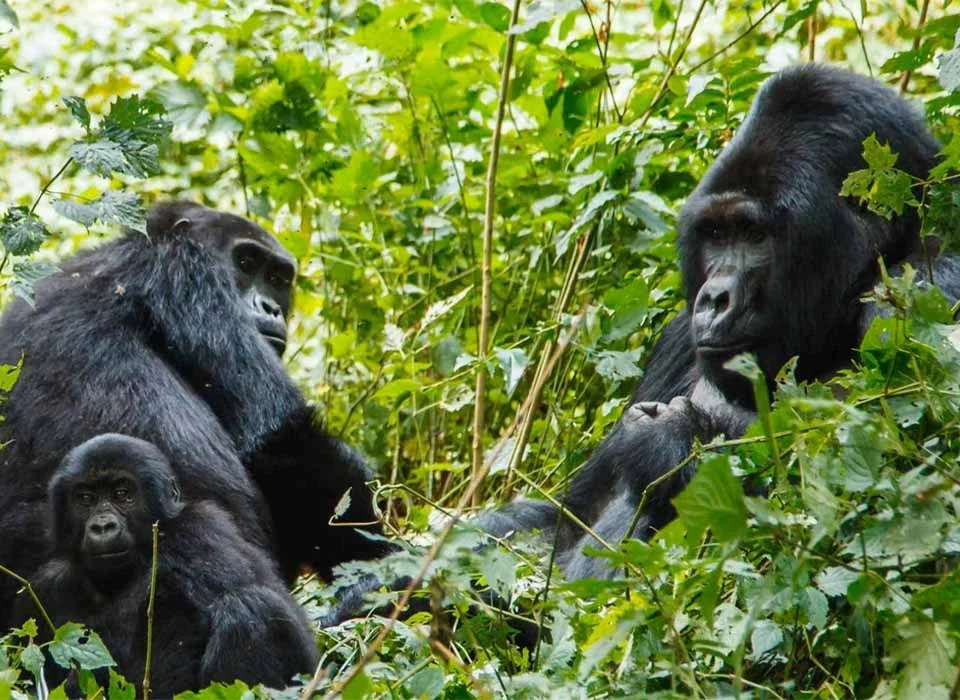
Many travelers visiting Rwanda choose to include the Ellen DeGeneres Campus in their itinerary, especially before or after gorilla trekking in Volcanoes National Park. The experience provides valuable insight into the scientific and conservation work taking place behind the scenes.
Visitors begin their journey at the Interpretive Center, where engaging exhibits introduce the history of mountain gorilla conservation and the legacy of pioneering primatologist Dian Fossey. Interactive displays, archival materials, educational presentations, and multimedia exhibits help visitors understand the challenges and successes of gorilla protection efforts.
Throughout the visit, guests learn about gorilla ecology, conservation science, habitat management, and community-based conservation programs. The educational experience complements the unforgettable encounter many travelers have during gorilla trekking adventures.
Because the campus remains an active research and conservation facility, visitor access is carefully managed to ensure that ongoing work continues without disruption.
Entrance Fees and Booking Information
One of the most appealing aspects of visiting the campus is that there is currently no entrance fee for educational visits. However, voluntary donations are encouraged and directly support ongoing conservation projects and educational programs.
Visitors should arrange their visit in advance, as walk-in access may not always be available. Advance reservations help staff coordinate visitor schedules while maintaining the campus’s primary focus on research and conservation activities.
Additionally, individuals who cannot travel to Rwanda can participate in various online learning and outreach programs offered through the conservation center.
Location and Accessibility
The Ellen DeGeneres Campus is located in Kinigi, within Musanze District in Rwanda’s Northern Province. The facility sits close to Volcanoes National Park, making it a convenient stop for travelers participating in gorilla trekking experiences.
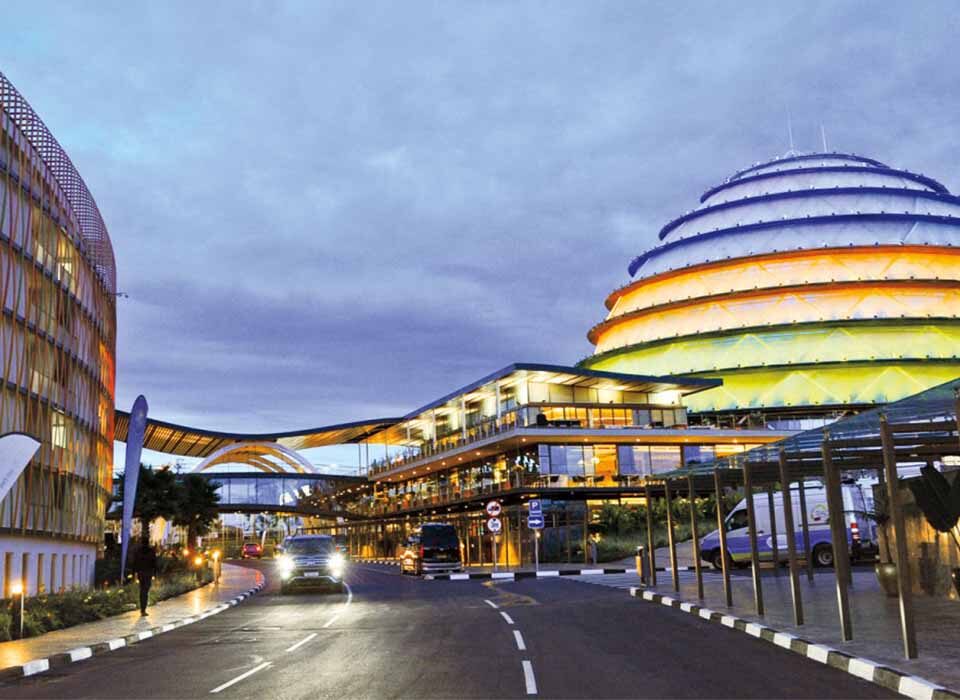
The journey from Kigali International Airport to the campus takes approximately three hours by road. Fortunately, the route follows well-maintained and fully paved highways, allowing for a comfortable and scenic drive through Rwanda’s beautiful countryside.
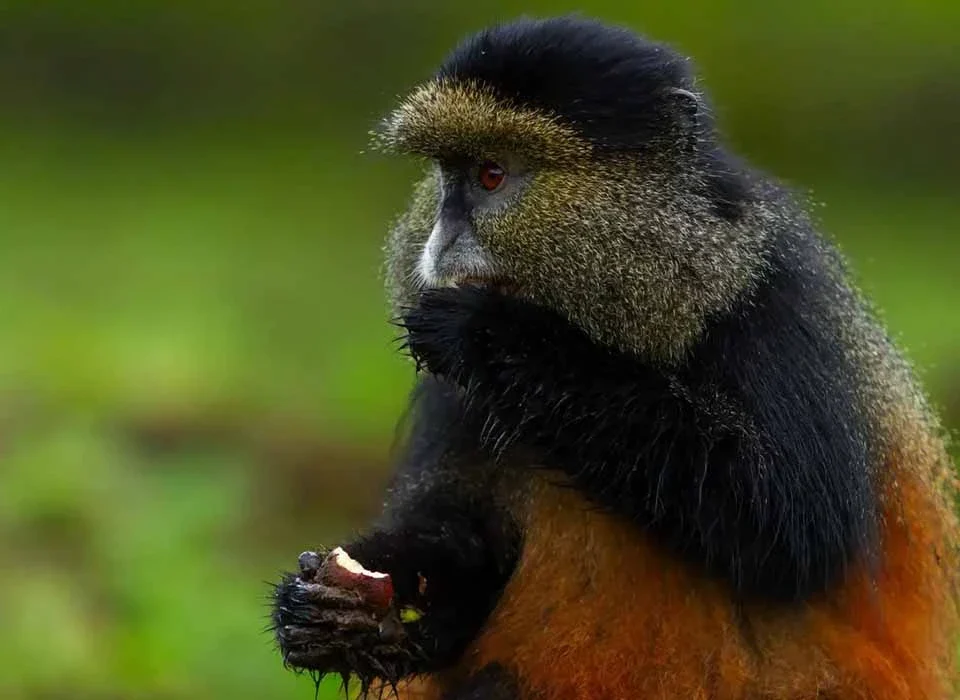
When planning a Rwanda safari with Experiya Tour Company, visitors can easily combine a campus tour with gorilla trekking, golden monkey tracking, cultural experiences, and other attractions found throughout the Virunga region.
Conclusion
The Ellen DeGeneres Campus of the Dian Fossey Gorilla Fund represents far more than a research facility. It serves as a symbol of modern conservation, bringing together science, education, community engagement, and wildlife protection under one roof. Through cutting-edge research, student training, veterinary support, and environmental education, the campus continues to strengthen mountain gorilla conservation in Rwanda and across Africa.
For travelers seeking a deeper understanding of gorilla conservation, a visit to this remarkable center offers an inspiring opportunity to witness how dedication, knowledge, and long-term investment help secure the future of one of the world’s most endangered and beloved species. With Experiya Tour Company, this educational experience can become a meaningful addition to any Rwanda safari adventure.