Hiking to the Top of Murchison Falls
October 8, 2026
What to Do When Gorilla Permits Are Sold Out in Uganda
October 9, 2026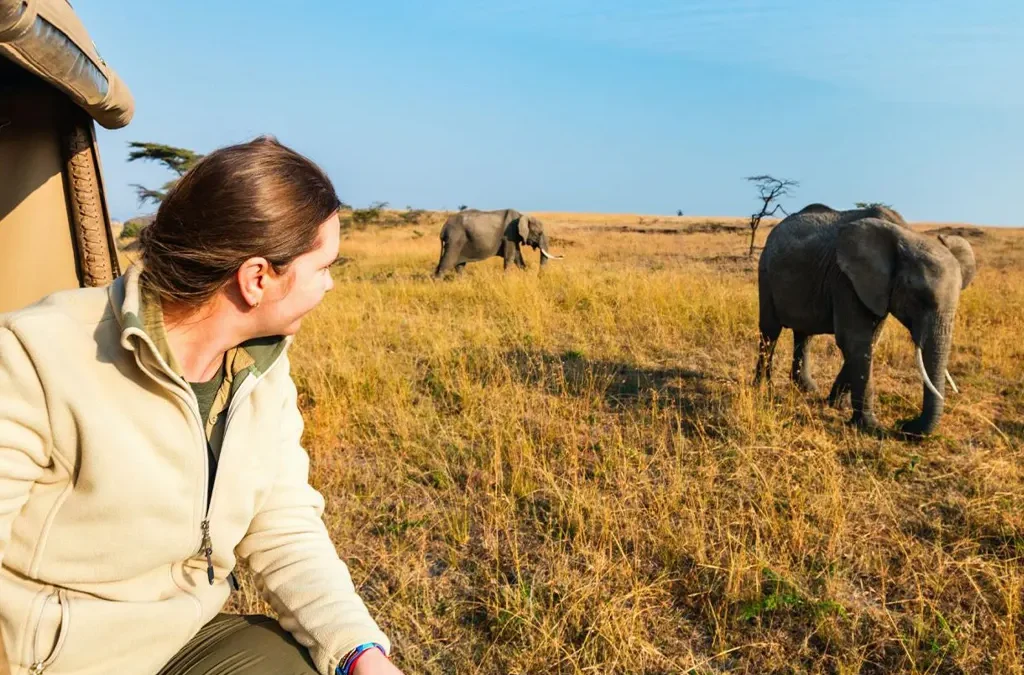
Your first game drive in Africa is more than a journey through the wilderness. It is an opportunity to experience nature up close, discover extraordinary wildlife, and witness the beauty of landscapes that stretch far beyond the horizon. From the golden light of sunrise to the distant roar of a lion, every moment offers something new to discover.
At Experiya Tour Company, we believe that understanding what to expect makes your first safari more enjoyable. Whether you are planning a wildlife adventure in Uganda, Kenya, Tanzania, or another African destination, knowing how game drives work helps you prepare for an experience that stays with you long after you return home.
Unlike a visit to a zoo, a safari unfolds naturally. Animals move freely, wildlife encounters happen on their own terms, and even an experienced guide cannot predict every sighting. However, this uncertainty is part of the adventure. With the right preparation, an open mind, and a little patience, your first game drive in Africa can become one of the most memorable experiences of your life.
What Is a Game Drive in Africa?
A game drive is a guided wildlife excursion in a safari vehicle through a national park, wildlife reserve, or private conservancy. An experienced guide helps you locate animals, interpret their behaviour, and understand the ecosystems that sustain them.
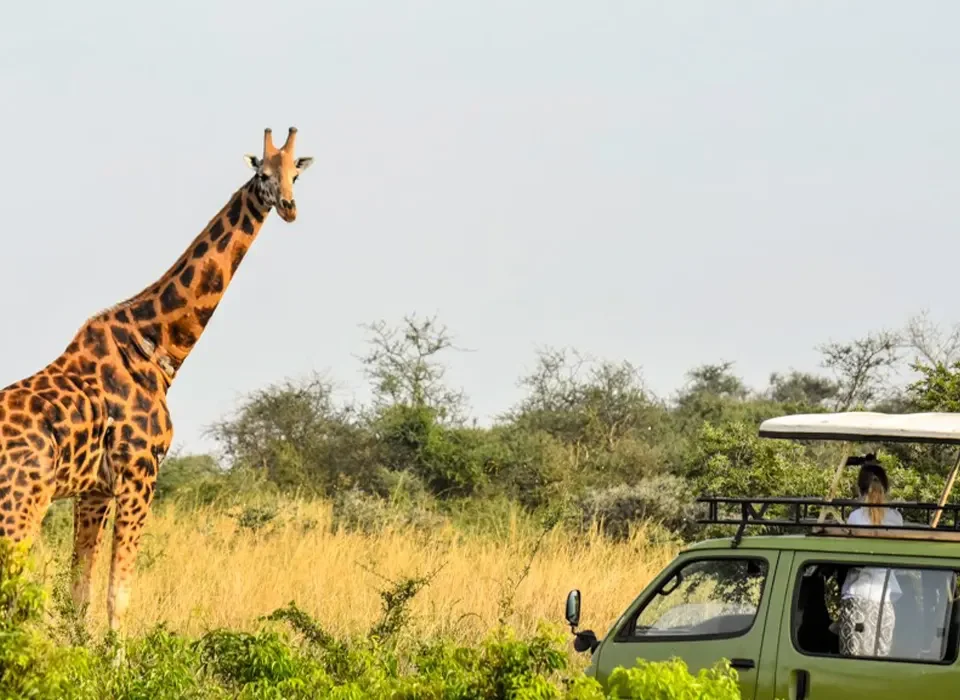
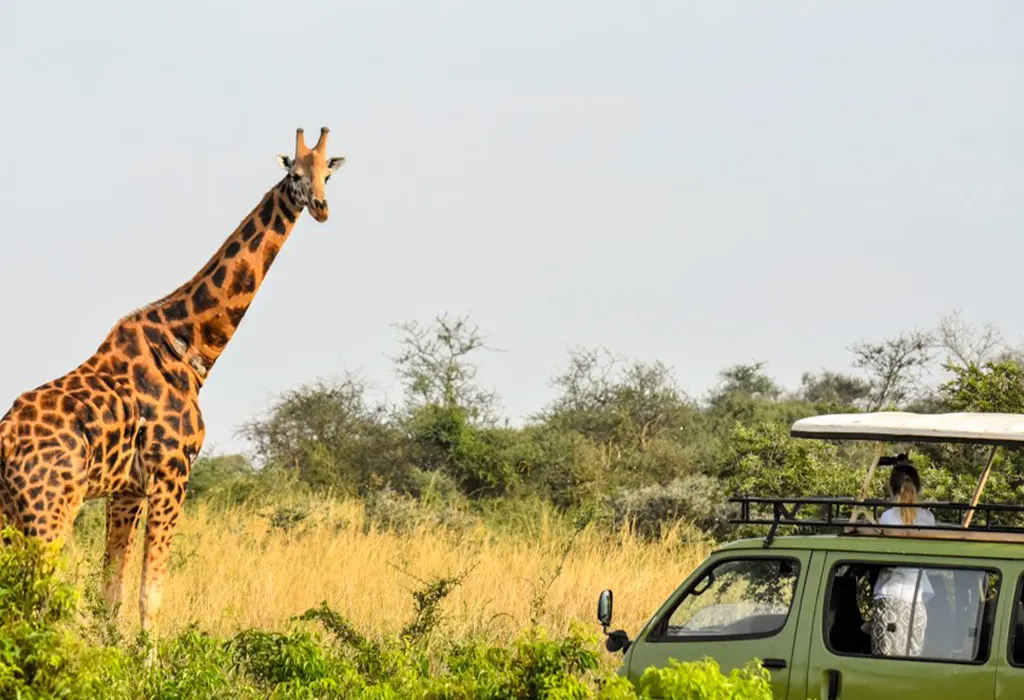
During your first African game drive, you may encounter elephants grazing in open grasslands, giraffes browsing on acacia trees, zebras moving across the plains, or antelope gathering near a water source. Depending on the destination, season, and luck, you might also spot lions, leopards, cheetahs, buffaloes, and rhinos.
However, a game drive involves much more than searching for the Big Five. Your guide may introduce you to colourful birds, fascinating insects, animal tracks, and the relationships between predators and their prey. Consequently, you begin to appreciate the wilderness as a living ecosystem rather than simply a collection of animals.
What to Expect on Your First Game Drive in Africa
Your first game drive often begins before sunrise and continues as the landscape gradually comes alive. The experience changes throughout the day, giving you different opportunities to observe wildlife, enjoy scenic views, and capture memorable photographs.
1. Early Morning Safari Adventures
Early morning is one of the most rewarding times for a game drive. Many safari camps wake guests between 5:00 and 6:00 a.m., depending on the destination, season, and planned activities. Although getting out of bed before sunrise may seem challenging, the experience quickly makes the early start worthwhile.
After a light breakfast or a cup of coffee, you climb into the safari vehicle and head into the wilderness. The air feels cool, birds begin calling, and the first sunlight spreads across the plains. Meanwhile, nocturnal animals may still be active, while other species begin their daily search for food.

Morning drives offer excellent opportunities to observe predators and other wildlife when conditions are favourable. Lions may be returning from a night of hunting, while elephants and antelope move towards feeding grounds. Nevertheless, sightings depend on natural behaviour and local conditions, so no particular animal is guaranteed.
Most morning game drives last approximately three to four hours. Some camps also arrange bush breakfasts, allowing you to enjoy a meal in a designated outdoor setting surrounded by the sights and sounds of the African wilderness.
2. The Midday Safari Break
By late morning, temperatures often rise, and many animals seek shade or reduce their activity. As a result, wildlife viewing can become less predictable during the hottest hours, although sightings remain possible.
Most safari itineraries use this period for breakfast, lunch, relaxation, or optional activities. You might return to your lodge, take a refreshing swim, enjoy the scenery from your balcony, or learn about local wildlife and culture.
This break is important because safari days can be surprisingly demanding. You spend hours observing wildlife, travelling across uneven terrain, and concentrating on the surrounding environment. Resting during the afternoon’s hottest hours helps you regain your energy for the next drive.
Some parks and conservancies offer different schedules, so your guide or tour operator can recommend the most suitable activities for your destination.
3. Afternoon Game Drives and African Sunsets
Afternoon game drives usually begin between 3:00 and 4:00 p.m., when temperatures start to ease. As the sun moves lower, the landscape takes on warmer colours, creating beautiful conditions for wildlife viewing and photography.
During this time, you may see elephants travelling between feeding areas, giraffes crossing open plains, or antelope gathering near water. Predators may also become more active as evening approaches, although their movements vary naturally.
Many safari experiences include a sundowner stop at a scenic location. Here, you can enjoy a refreshing drink while watching the sun disappear beyond the horizon. The changing sky, distant animal calls, and peaceful surroundings create a wonderful opportunity to appreciate the wilderness without rushing from one sighting to another.
In certain private conservancies, especially in Kenya, authorised night drives may also be available. These excursions can reveal nocturnal species such as genets, bush babies, and servals. However, night drives are not permitted in every national park, so check the rules of your chosen destination before travelling.
Which Animals Can You See on Your First Safari?
One of the biggest questions first-time visitors ask is which animals they will encounter. The answer depends on where you go, the time of year, the available habitats, and the movements of wildlife.
Popular safari destinations offer different experiences. The Masai Mara and Serengeti are renowned for their vast grasslands, big cats, and seasonal wildebeest migration. Uganda offers excellent opportunities to see elephants, buffaloes, giraffes in selected parks, antelope, and a remarkable variety of birds.
Your guide may help you look for:
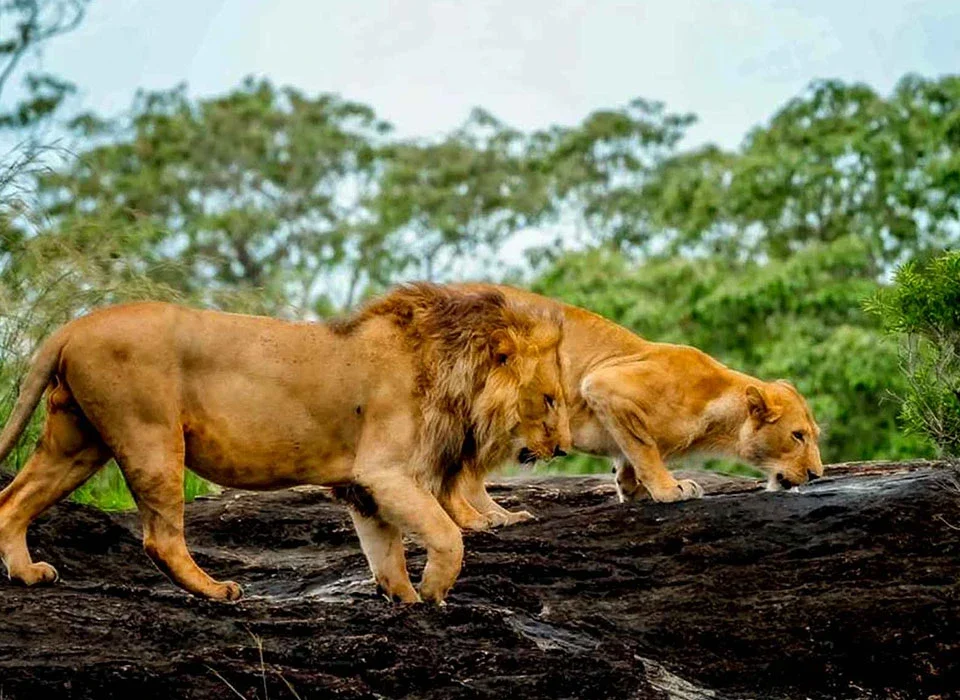
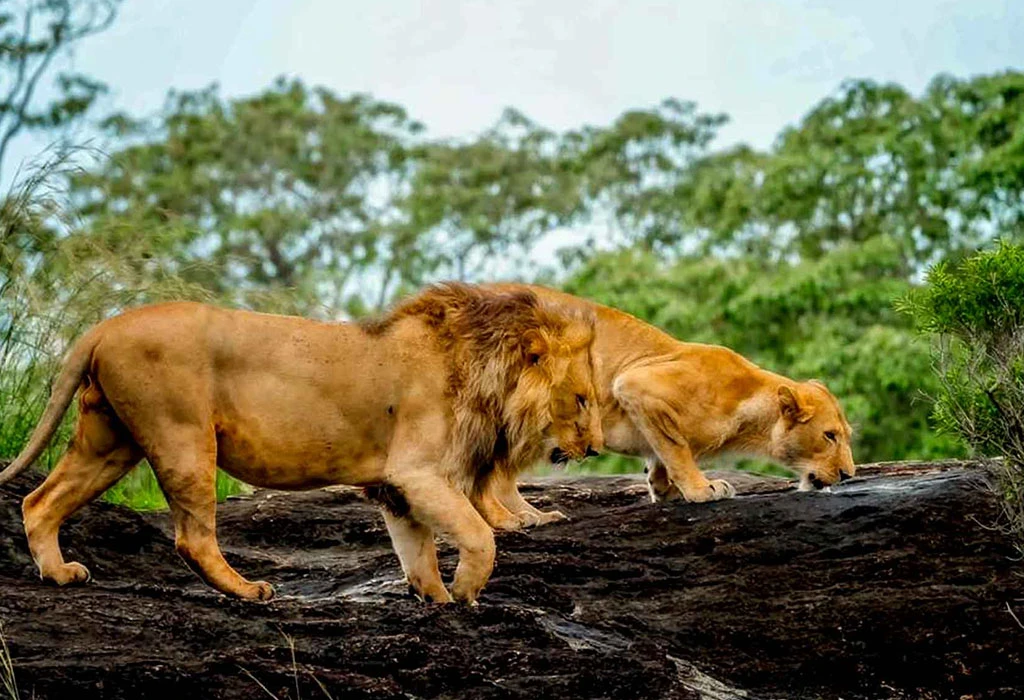
- Lions: Often found resting in shade or moving across open grassland.
- Elephants: Frequently seen feeding, walking in family groups, or visiting water sources.
- Giraffes: Easily recognised by their height and distinctive patterns as they browse on trees.
- Zebras: Commonly encountered grazing in herds on suitable grasslands.
- Leopards: More elusive cats that may rest in trees or move through dense vegetation.
- Buffaloes: Powerful herbivores often seen in herds or smaller groups.
- Birdlife: From colourful bee-eaters and rollers to eagles, vultures, and kingfishers.
Remember that you may not see every animal during a single drive. Instead of focusing exclusively on a checklist, enjoy the different behaviours, sounds, and landscapes that make every safari unique.
Essential Safari Tips for First-Time Visitors
A little preparation can make your first game drive more comfortable, enjoyable, and rewarding. Before leaving your lodge, consider these practical safari tips.
1. Wear Comfortable, Neutral-Coloured Clothing
Choose lightweight, breathable clothing in shades such as khaki, olive, beige, and brown. These colours work well in the bush and help you blend into the surroundings during activities where clothing choice matters.
Early mornings can be surprisingly cold, particularly in elevated areas. Therefore, carry a fleece, light jacket, or windbreaker that you can remove as the day warms up.
Your essential packing list should include:
- Comfortable walking shoes or closed shoes for camp activities.
- A hat and sunglasses for sun protection.
- Sunscreen and insect repellent.
- A reusable water bottle.
- Binoculars for spotting distant animals.
- A camera or smartphone with sufficient battery life.
2. Listen to Your Safari Guide
Your guide is one of the most important parts of your first game drive in Africa. Beyond finding wildlife, a skilled guide interprets tracks, identifies bird calls, explains animal behaviour, and helps you understand how the ecosystem functions.
For example, a sudden alarm call from a bird may indicate that a predator is nearby. Fresh tracks in the dust might reveal where an elephant herd travelled earlier in the morning. These details can transform an ordinary drive into an engaging wildlife lesson.
Ask questions, share what interests you, and follow your guide’s instructions at all times. Most importantly, never pressure the guide to approach an animal more closely than safety and responsible wildlife viewing allow.
3. Practise Responsible Wildlife Viewing
Ethical safari behaviour protects both visitors and animals. Although wildlife in popular safari destinations may tolerate vehicles, they remain wild animals whose behaviour can change unexpectedly.
For a safe and respectful game drive:
- Remain seated unless your guide explicitly permits you to leave the vehicle in a designated safe area.
- Keep your voice low when observing wildlife.
- Never feed animals or attempt to attract them.
- Avoid sudden movements and unnecessary noise.
- Do not ask your guide to chase, crowd, or block an animal.
- Follow park regulations and your guide’s safety instructions.
Responsible viewing gives animals space to behave naturally while allowing visitors to observe them without unnecessary disturbance.
Photography Tips for Your First African Game Drive
You do not need professional photography equipment to capture beautiful safari memories. Modern smartphones can produce excellent images, especially when wildlife is relatively close and the light is favourable.
However, a camera with a telephoto lens can help you photograph distant animals without requiring the vehicle to approach them unnecessarily. Binoculars are equally useful when you want to observe details that a camera cannot easily capture.
For better safari photographs, keep these tips in mind:
- Use natural light: Early morning and late afternoon often provide softer, warmer lighting.
- Avoid flash: Flash photography can disturb wildlife and rarely improves outdoor wildlife images.
- Be patient: Wait for interesting behaviour, eye contact, or movement instead of photographing every moment.
- Keep your equipment ready: Charge your batteries and clear your memory cards before departure.
- Capture the surroundings: Photograph landscapes, trees, birds, and animal tracks alongside the larger wildlife.
- Listen to your guide: Never compromise safety or responsible viewing for a closer photograph.
Most importantly, remember to put your camera down occasionally. Some safari moments are best experienced directly rather than through a screen.
What Will Surprise You Most About Your First Game Drive?
For many first-time safari visitors, the greatest surprise is not simply the number of animals they see. Instead, it is the feeling of being surrounded by a vast, living landscape.
The silence may be the first thing you notice. Once the engine stops, the wilderness reveals a remarkable collection of sounds: birds calling across the plains, wind moving through the grass, and distant animals communicating.
You may also be surprised by how close wildlife can appear when a guide positions the vehicle responsibly. Watching an elephant walk across the landscape or seeing a giraffe move gracefully between trees can feel far more powerful than any documentary.
Then there is the scale of the scenery. African skies often stretch across enormous horizons, while changing light transforms familiar landscapes throughout the day. Even when you are not watching a major predator, there is always something worth noticing.
Ultimately, the best safari experiences often come from slowing down, listening carefully, and allowing nature to unfold at its own pace.
Frequently Asked Questions About Your First Game Drive
What is the best time for a game drive in Africa?
Early morning and late afternoon are generally excellent times for wildlife viewing because temperatures are often cooler and many animals are more active. However, the best time depends on the destination, season, weather, and species you hope to see.
How long does a typical game drive last?
Most game drives last approximately three to four hours. Some itineraries offer longer excursions, full-day drives, or evening activities in authorised conservancies. Your tour operator will explain the schedule before departure.
Is a game drive safe for first-time visitors?
Game drives are generally safe when conducted by qualified guides who follow park regulations and wildlife-viewing protocols. Nevertheless, wild animals are unpredictable. Remain in the vehicle unless your guide authorises you to leave, and follow all safety instructions.
Can I take children on a game drive?
Yes. Many safari lodges welcome families, although minimum age requirements and activity restrictions vary. If you are travelling with children, ask about family-friendly vehicles, shorter drives, child-minding services, and suitable accommodation.
Do I need an expensive camera for a safari?
No. A smartphone can capture memorable photographs, while binoculars help you observe distant wildlife. A camera with a telephoto lens is useful if you want more detailed wildlife images, but it is not essential for enjoying your safari.
What happens if I do not see lions or leopards?
Wildlife sightings are never guaranteed, even in famous safari destinations. Your guide will use local knowledge, tracks, and animal behaviour to improve your chances, but every day unfolds differently. Enjoying the wider ecosystem makes the experience rewarding regardless of which predators appear.
Experience Your First Game Drive with Experiya Tour Company
Your first game drive in Africa is an opportunity to discover the continent’s remarkable wildlife, landscapes, and natural heritage. From the excitement of spotting your first elephant to the peaceful beauty of an African sunset, each moment offers a different reason to appreciate the wilderness.
With Experiya Tour Company, you can plan a safari that matches your interests, travel dates, comfort preferences, and budget. Whether you dream of exploring Uganda’s national parks, witnessing the wildlife of Kenya’s Masai Mara, or discovering Tanzania’s Serengeti plains, thoughtful planning can help you make the most of your adventure.
Ready for your first African safari? Contact Experiya Tour Company to start planning your game drive experience and take the first step towards discovering Africa’s extraordinary wild places.