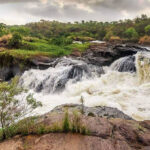
Best Waterfalls to Hike to in Uganda
July 10, 2026
Fly-In Gorilla Safari in Uganda: The Fastest and Most Comfortable Way to See Mountain Gorillas
July 11, 2026
Few safari experiences compare to exploring the African wilderness on foot. Many travelers ask, “Can I see the Big Five on foot?” The answer is yes—but only in carefully managed areas under the guidance of highly trained and armed professional rangers. Walking safaris offer an exciting alternative to traditional game drives, allowing visitors to experience wildlife from a completely different perspective while remaining safe.
Instead of observing animals from inside a safari vehicle, you become part of the landscape. Every footprint, broken branch, bird call, and fresh animal track tells a story. Walking through the bush heightens your senses and creates a deeper appreciation of Africa’s diverse ecosystems.
Whether you choose Uganda Safaris or Rwanda Safaris, a professionally guided walking safari provides an unforgettable opportunity to learn about wildlife behavior, conservation, and the delicate balance between animals and their natural environment. Experiya Tour Company carefully designs walking safari experiences that combine adventure, education, culture, and responsible tourism, ensuring every guest enjoys a safe and rewarding journey.
What Is a Walking Safari?
A walking safari is a guided wildlife experience where visitors explore protected wilderness areas on foot instead of spending the entire safari inside a vehicle. Unlike ordinary nature walks, these excursions are led by experienced wildlife rangers who understand animal behavior, identify potential risks, and interpret everything happening in the surrounding environment.
During the walk, guides explain how to identify animal footprints, recognize feeding patterns, interpret warning calls from birds, and understand the relationships between different species. Visitors discover details that often go unnoticed during game drives, making walking safaris one of Africa’s most educational wildlife experiences.
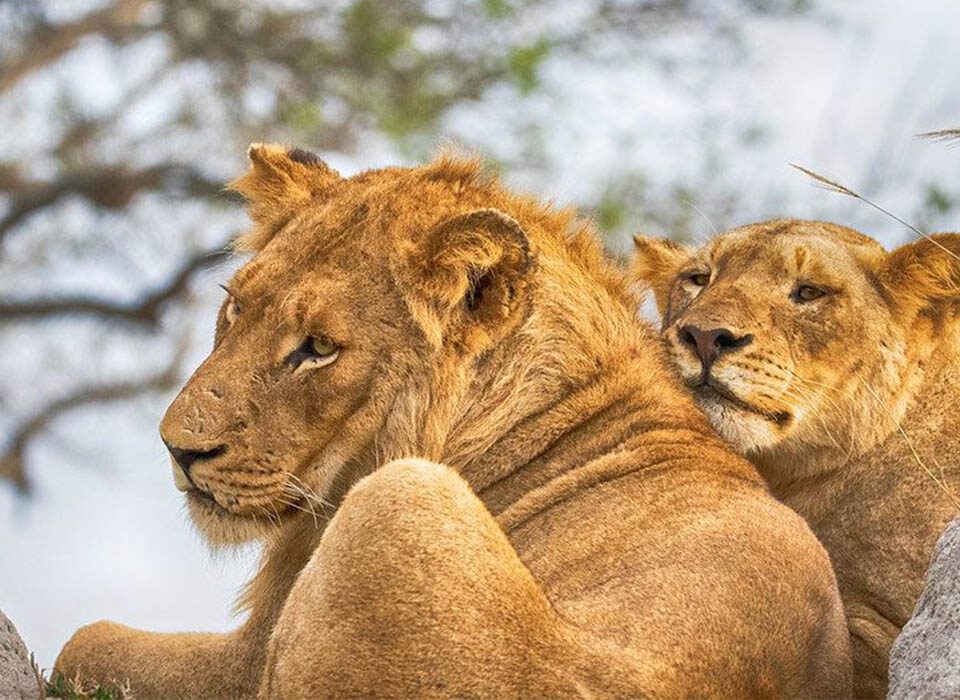
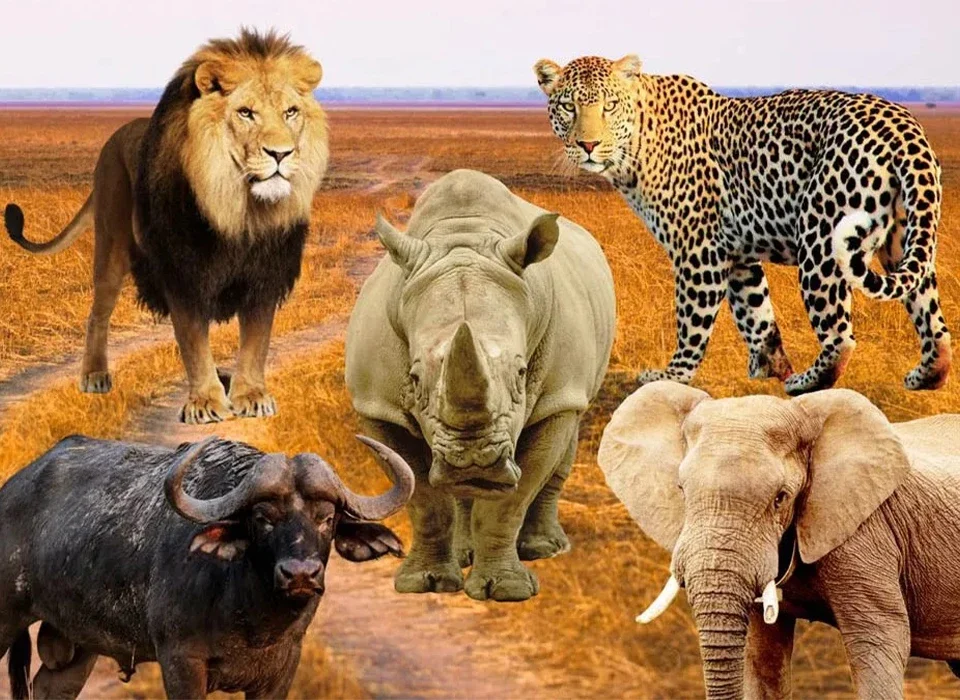
Although many people hope to encounter the famous Big Five—lion, leopard, elephant, buffalo, and rhinoceros—walking safaris focus on much more than simply checking animals off a list. They encourage travelers to appreciate the smaller wonders of nature, including insects, medicinal plants, reptiles, birds, and the intricate ecosystems that support larger wildlife.
Where Can You See the Big Five on Foot in Uganda?
Uganda offers several outstanding destinations for walking safaris, although the experience differs slightly from those available in Southern Africa. Walking activities take place in designated areas where wildlife authorities have carefully assessed safety conditions.
Queen Elizabeth National Park remains one of Uganda’s most popular safari destinations. While traditional game drives provide excellent opportunities to see lions, elephants, buffaloes, and leopards, guided nature walks around selected areas allow visitors to explore the park’s diverse habitats on foot. Rangers share fascinating insights into animal behavior, vegetation, and conservation efforts while ensuring visitors remain at a safe distance from dangerous wildlife.
Another excellent destination is Murchison Falls National Park, Uganda’s largest protected area. Here, guided walks near the Nile Delta and around the top of Murchison Falls reveal spectacular scenery alongside abundant wildlife. Visitors often encounter giraffes, antelopes, buffaloes, elephants, and numerous bird species while learning about the park’s remarkable biodiversity.
Uganda’s private wildlife conservancies also provide exceptional walking experiences where trained guides lead small groups through carefully monitored areas. These exclusive walks create opportunities to observe wildlife in peaceful surroundings while minimizing disturbance to the animals.
Although seeing every member of the Big Five on foot cannot be guaranteed, visitors frequently encounter elephants and buffaloes while safely tracking signs of lions or leopards from appropriate distances. Every walk remains unique because wildlife movements constantly change with seasons, weather, and food availability.
Can You Experience Walking Safaris in Rwanda?
Yes. Rwanda also offers remarkable walking safari experiences, particularly around Akagera National Park, the country’s only Big Five national park.
Akagera has become one of Africa’s greatest conservation success stories following the successful reintroduction of lions and black rhinos. Today, visitors can combine traditional game drives with ranger-guided walking safaris in designated sections of the park and neighboring conservation areas.
Professional guides introduce guests to wildlife tracking techniques while explaining the importance of habitat restoration, anti-poaching initiatives, and community conservation projects. Rather than rushing from one animal sighting to another, walking safaris encourage travelers to slow down and appreciate every detail of the surrounding landscape.
Since Akagera lies only a few hours from Kigali, visitors can easily include a walking safari within a broader Rwanda itinerary. Many travelers also combine Akagera with Rwanda Gorilla Trekking Safaris in Volcanoes National Park, creating a diverse wildlife experience that showcases both the country’s savannah and mountain ecosystems.
For visitors planning longer East African adventures, crossing into Uganda to combine walking safaris with Uganda Gorilla Safaris creates an unforgettable multi-country itinerary filled with extraordinary wildlife encounters.
What Wildlife Can You Expect to See?
Walking safaris present wildlife differently than game drives. Instead of driving directly toward animals, guides interpret the landscape and gradually reveal the hidden signs of wildlife activity.
Depending on the location, visitors may encounter elephants feeding quietly among trees, buffaloes grazing across open grasslands, antelope species moving cautiously through the bush, or giraffes browsing on acacia leaves. Birdlife is often spectacular, with colorful kingfishers, hornbills, fish eagles, bee-eaters, and numerous migratory species adding constant activity to the landscape.
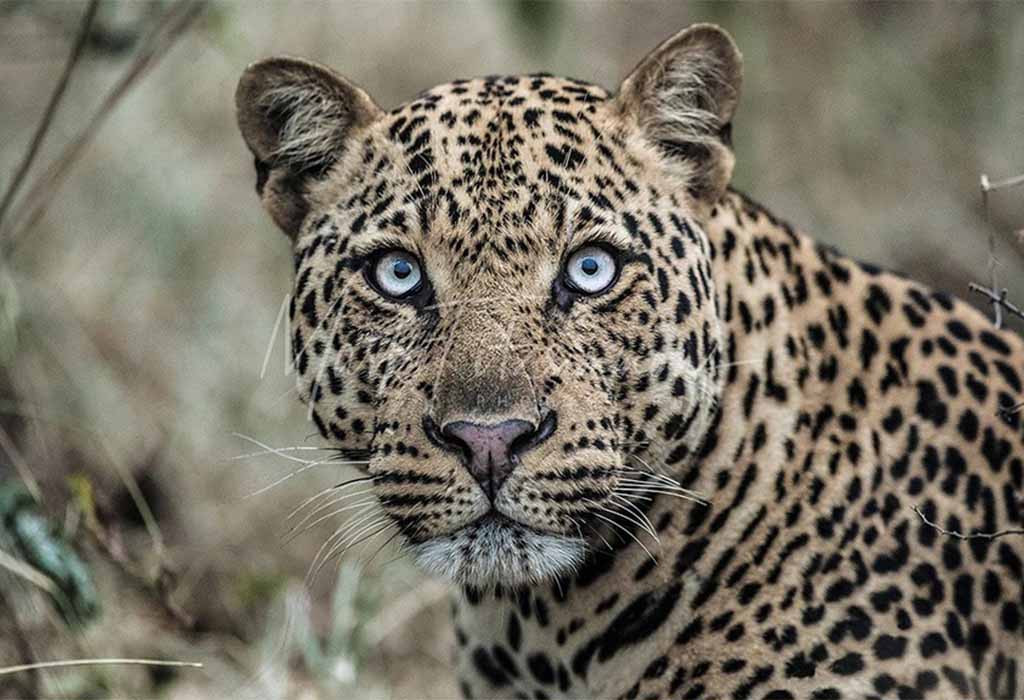
Leopards and lions remain elusive because they naturally avoid human activity. However, experienced guides frequently identify fresh tracks, territorial markings, scratch marks, or recent hunting evidence that demonstrates their presence.
Every walking safari emphasizes observation rather than pursuit. Respecting wildlife space remains essential, allowing animals to behave naturally without unnecessary disturbance.
How Physically Demanding Are Walking Safaris?
Most walking safaris require a moderate level of fitness rather than exceptional athletic ability. Participants usually walk at a comfortable pace while stopping regularly for wildlife interpretation, photography, and rest.
The terrain varies depending on the destination. Some routes follow relatively flat savannah grasslands, while others include gentle hills, rocky paths, riverbanks, or woodland trails.
Visitors should wear lightweight long trousers, neutral-colored clothing, comfortable hiking boots, sunscreen, insect repellent, and wide-brimmed hats. Carrying sufficient drinking water is equally important, particularly during the warmer months.
Above all, participants must carefully follow their guide’s instructions throughout the walk. Professional rangers understand how to respond to changing wildlife situations and always prioritize visitor safety.
How Much Do Walking Safaris Cost?
Walking safari prices vary according to the destination, duration, accommodation level, and the exclusivity of the experience. Since these excursions operate in small groups with highly trained guides and armed wildlife rangers, they generally cost more than standard game drives.
Some national parks charge separate walking permit fees, while others include guided walks within premium safari packages. Additional costs may include park entrance fees, accommodation, transportation, meals, and professional guide services.
Although walking safaris involve a higher investment, many travelers consider them among the most rewarding wildlife experiences available because of the personal attention, educational value, and intimate connection with nature they provide.
Experiya Tour Company helps guests customize safari packages that match different budgets while maintaining high standards of safety, comfort, and wildlife interpretation.
Add Culture to Your Walking Safari Experience
A safari becomes even more meaningful when combined with authentic cultural experiences.
In Uganda, travelers can visit Batwa communities around Bwindi Impenetrable National Park to learn about traditional forest survival skills, music, dance, storytelling, and indigenous conservation practices. Other cultural visits introduce guests to local farmers, craft makers, coffee producers, and village communities that coexist alongside protected wildlife areas.
In Rwanda, cultural experiences include visits to traditional villages, local cooperatives, artisan workshops, and the renowned Iby’Iwacu Cultural Village, where visitors gain insight into Rwanda’s history, customs, and remarkable conservation journey.
These cultural encounters create valuable connections between wildlife conservation and community development while supporting local livelihoods through responsible tourism.
Can You Combine Walking Safaris with Gorilla Trekking?
Absolutely. Combining walking safaris with gorilla trekking creates one of East Africa’s most rewarding safari experiences.
Many visitors begin with classic wildlife viewing in Queen Elizabeth National Park or Akagera National Park before continuing to Bwindi Impenetrable National Park, Mgahinga Gorilla National Park, or Volcanoes National Park for unforgettable gorilla trekking adventures.
This combination allows travelers to experience two completely different ecosystems. Savannah landscapes provide opportunities to observe large mammals and open grassland wildlife, while tropical rainforests introduce visitors to endangered mountain gorillas, colorful birds, waterfalls, and ancient forests.
Adding chimpanzee trekking, birdwatching, boat cruises, or community experiences further enriches the itinerary and creates a well-rounded East African safari.
Why Choose Experiya Tour Company?
Planning a walking safari requires expert knowledge, careful logistics, and trusted local partnerships. Experiya Tour Company specializes in creating personalized safari itineraries throughout Uganda and Rwanda that combine wildlife, culture, conservation, and adventure.
The company works with experienced professional guides, reputable lodges, and licensed wildlife authorities to ensure every safari operates safely and responsibly. Whether you dream of tracking elephants on foot, searching for the Big Five, trekking endangered mountain gorillas, or discovering local cultures, every itinerary is designed to deliver authentic and memorable experiences.
Walking through Africa’s wilderness changes the way you experience nature. Instead of simply observing wildlife, you become fully immersed in the sights, sounds, and rhythms of the natural world. With careful planning and professional guidance from Experiya Tour Company, a walking safari becomes far more than a wildlife excursion—it becomes a journey of discovery, conservation, and lifelong memories.