
The Role of a Gorilla Trekking Certificate
December 12, 2025
Top Hiking Trails in Mgahinga Gorilla National Park
December 12, 2025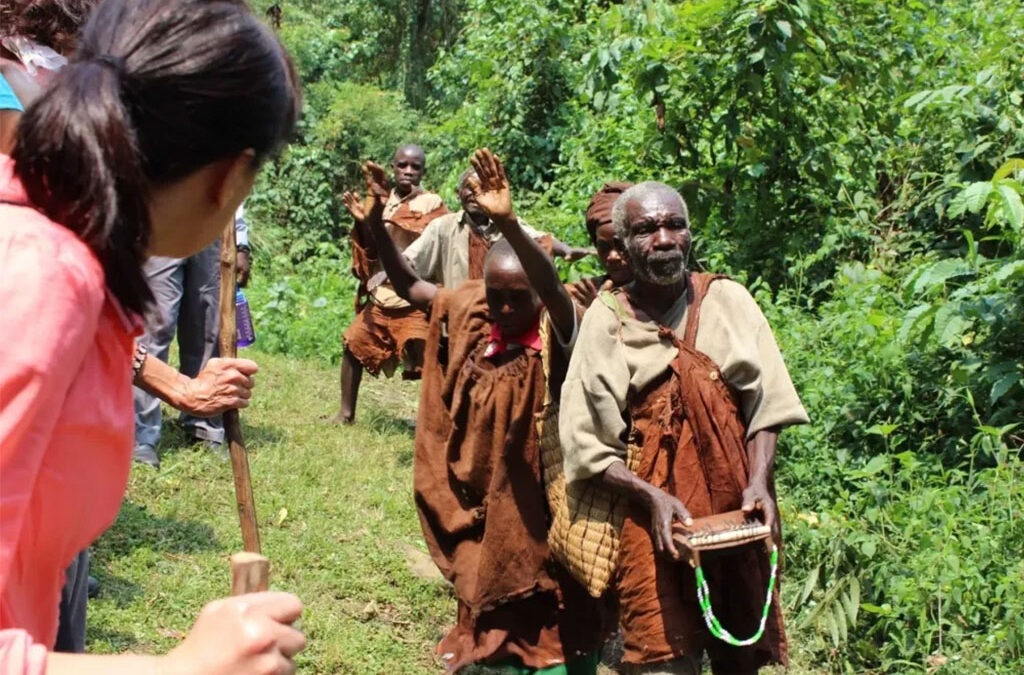
Are you planning to experience the heart of Uganda’s cultural heritage beyond gorilla trekking and forest adventures? A Batwa Community Visit offers you much more than a typical tour. It invites you into the ancient world of the Batwa people, among the original forest dwellers of Central Africa. You will step into their traditions, join their dances, learn age-old survival skills, and listen to stories passed down for generations. This visit is not only an adventure but also an eye-opening cultural exchange where you support a proud, resilient community. Each moment spent here helps preserve their heritage and gives a voice to their stories once silenced by displacement.
Discover the Authentic Batwa Experience
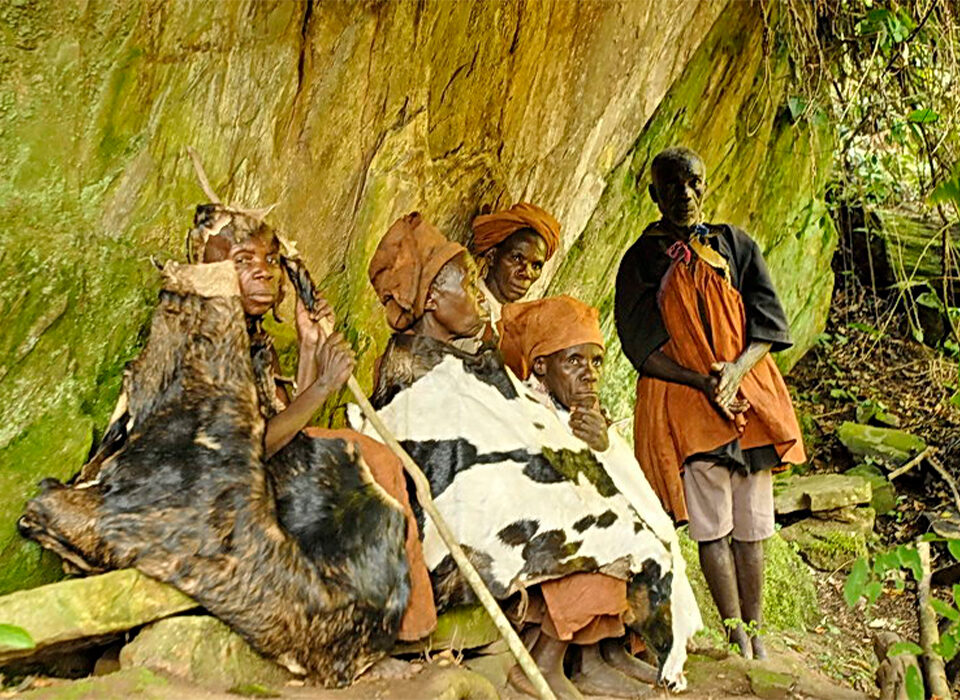
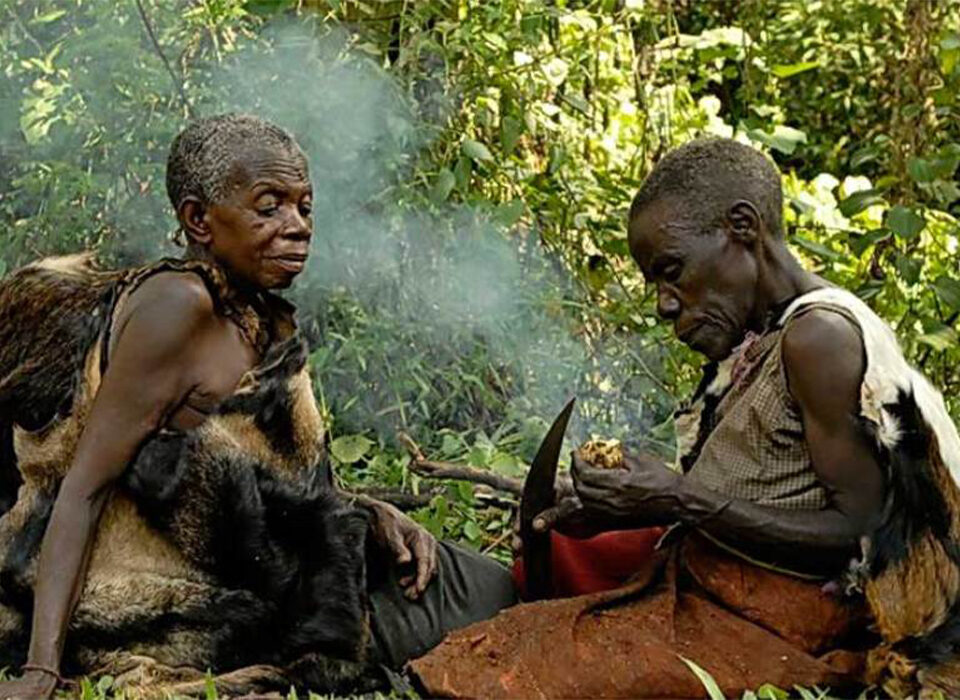
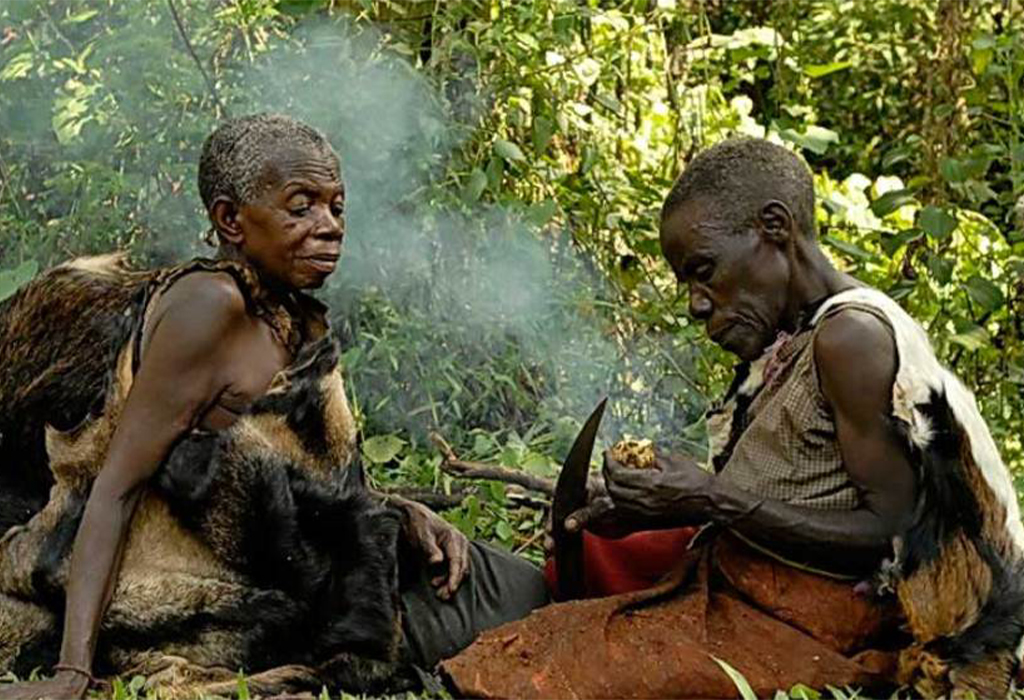
A Batwa community visit connects travelers directly with the people who once lived deep within Uganda’s forests. Through their eyes, you begin to see nature as a home filled with meaning, not just beauty. Experienced Batwa guides lead you through the lush forest, showing how they once hunted, healed, and thrived. You can watch them make fire by hand, use bows and arrows, and collect wild honey with skill and grace. The forest becomes a living museum of their ancient knowledge and survival techniques.
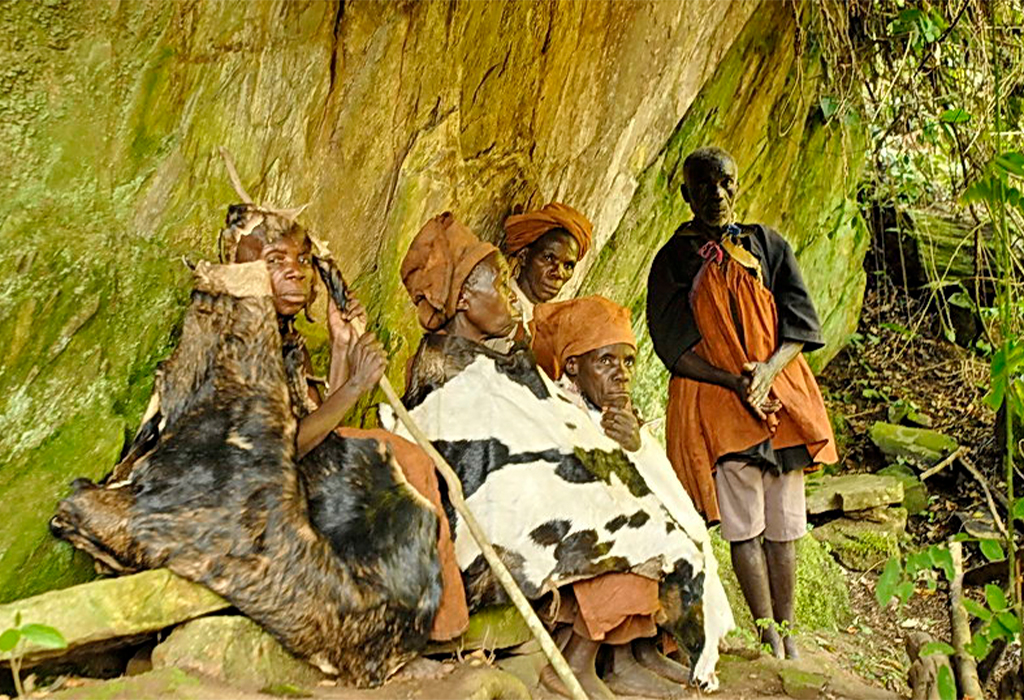
Walking among the green trees, you may hear birds singing and the sound of footsteps crunching softly on forest paths. The air feels cool and fresh as your guide explains which roots treat pain or which leaf stops a wound from bleeding. You will explore hidden caves and sacred shelters once used for gatherings and spiritual rituals. These quiet places tell stories of refuge, strength, and faith. Every step along the trail reveals a connection between people and nature that feels timeless.
Feel the Rhythm of Batwa Culture
After walking through the forest, the sound of drums welcomes you to the next part of your journey — the Batwa cultural performances. The air becomes vibrant as dancers move rhythmically in colorful attire, their voices rising in traditional songs that tell tales of forest life, joy, and struggle. You can join the beat, clapping along or even trying a few steps yourself. Each song is a story about their journey from forest freedom to resettled life at the forest’s edge.
The elders often sit quietly until it is time for storytelling. When they begin speaking, their voices carry wisdom and emotion, weaving tales about hunting days, long treks through the forest, and the deep respect they hold for nature. Listening to them, you feel transported to a time when every tree, river, and cave held spiritual meaning. Their stories remind you that despite losing their ancestral lands, their spirit of unity and resilience remains strong.
Connect Through Daily Community Life
Beyond music and stories, a Batwa visit allows you to experience community life firsthand. You’ll see how families live in neat, simple homesteads built close together, reflecting closeness and cooperation. Women often demonstrate how they prepare meals using natural ingredients gathered from the land. The smell of roasted maize and traditional vegetables fills the air, making you realize how connected daily life remains to the earth.
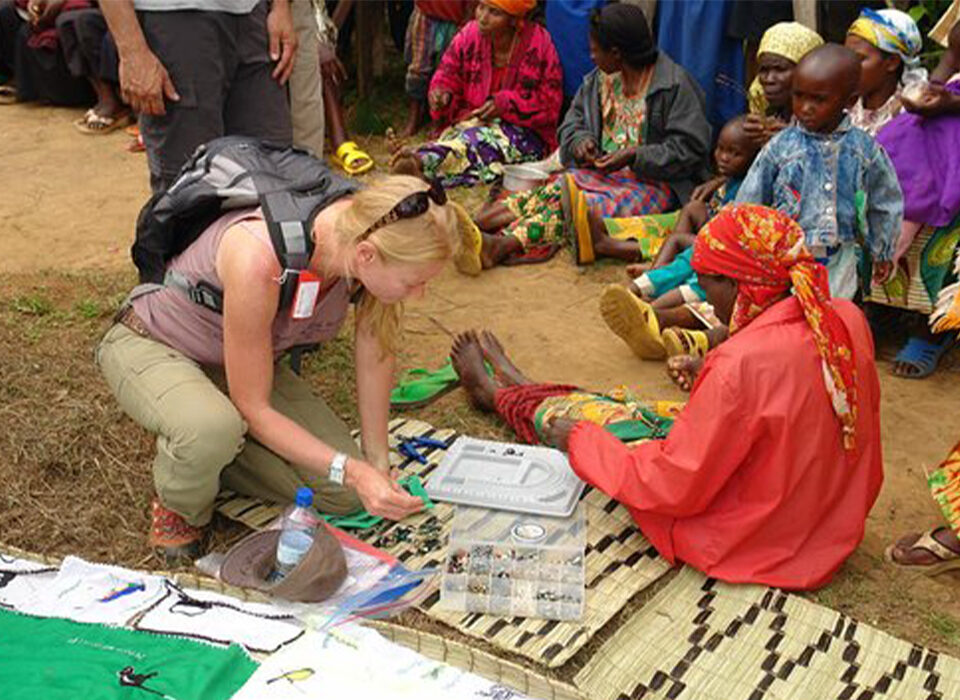
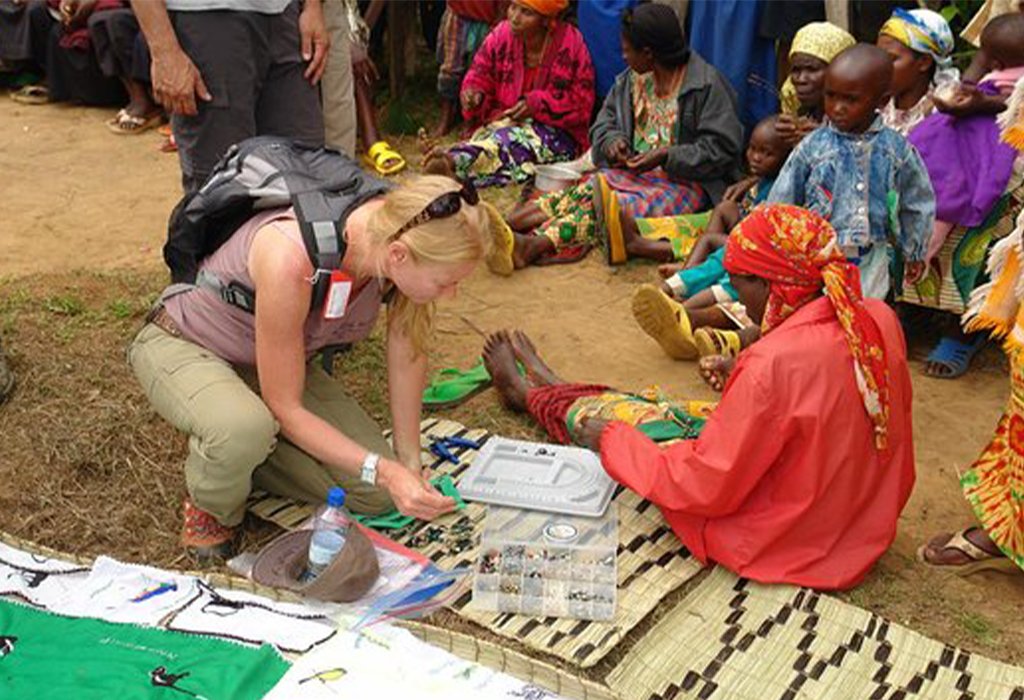
Here, you can try your hand at pottery or basket weaving, guided patiently by skilled artisans who teach with friendly smiles. The sound of laughter mixes with the gentle scraping of clay and rustling of dried grass. Participating in these activities helps you feel part of something more meaningful — a living culture kept alive through sharing and participation. Visitors often leave with handmade crafts, not just as souvenirs but as pieces of the Batwa story.
Support Local Empowerment and Sustainable Tourism
When you visit a Batwa community, you contribute directly to their well-being. Tour fees and purchases go toward community projects like education, healthcare, and cultural preservation. This form of responsible tourism ensures that your visit creates lasting value beyond your stay. Buying handmade mats, baskets, or jewelry not only supports Batwa families but also keeps their artistic heritage thriving.
Many cultural tours partner with organizations such as the Uganda Wildlife Authority (UWA) or the Batwa Development Programme, ensuring the community benefits fairly. These partnerships promote ethical tourism, giving visitors confidence that their experience positively impacts local lives. By visiting respectfully, listening mindfully, and contributing economically, you become part of a larger story — one of cultural appreciation and human connection.
Explore Bwindi and Mgahinga: The Best Places to Visit
The most authentic Batwa community experiences take place near Bwindi Impenetrable National Park and Mgahinga Gorilla National Park, both located in southwestern Uganda. At Bwindi, the Buhoma sector offers a 2 to 4-hour Batwa cultural walk that begins near the Batwa artisan store by the park’s entrance. Here, guides share stories, perform dances, and demonstrate survival skills like hunting and fire-making. The lush surroundings make the experience both educational and adventurous.
Further south, the Buniga Batwa Forest Trail near Nkuringo and Rushaga sectors provides a deep connection to nature. As you hike through this preserved “pocket forest,” guides reveal how the Batwa harvested honey, located wildlife, and identified healing plants. The trails are calm yet filled with wonder, showing how closely they lived with the forest for centuries.
At Mgahinga Gorilla National Park, the famous Batwa Trail offers an even more immersive experience. This guided journey leads you to ancient hideouts and the sacred Garama Cave, once a meeting place for Batwa elders. Inside the cool darkness, songs echo softly, carrying memories of their lost homeland. The walk combines culture and scenery, often paired with golden monkey or gorilla trekking for a full adventure.
Travel Tips for a Meaningful Experience
To make the most of your Batwa visit, approach the experience with respect and openness. Always ask for permission before taking photos, especially of people or sacred places. Wear comfortable shoes for walking along forest paths, and carry water since the weather can change quickly. Most importantly, come with curiosity and a listening heart. The Batwa story is one of resilience, adaptation, and hope, told best in their own words.
By visiting ethically and supporting their work, you help protect a culture that has lived in harmony with Uganda’s forests for centuries. This experience is not a performance; it’s a shared moment of understanding between visitors and hosts. As you leave, you carry with you not just memories but a renewed respect for both nature and humanity.