

Tourism Activities Around Ssezibwa Waterfalls
May 26, 2026
Mweya Peninsula: The Scenic Heart of Queen Elizabeth National Park
May 27, 2026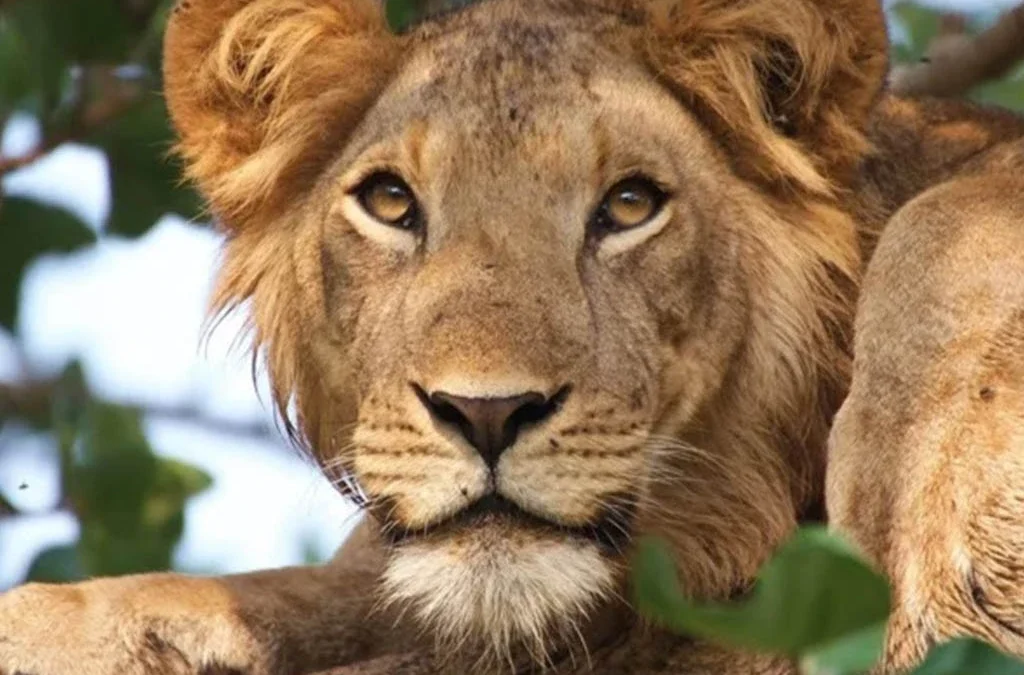
Most travelers who visit Africa expect to see lions stretched across the savannah, hidden beneath acacia trees, or resting on warm termite mounds after a hunt. However, nothing truly prepares visitors for the surreal sight of a fully grown lion lounging high in the branches of a giant fig tree. The tree-climbing lions of Uganda’s Ishasha sector create one of the most unusual wildlife spectacles in Africa, and they continue to fascinate tourists, researchers, photographers, and conservationists from around the world.
Located in the southern part of Queen Elizabeth National Park, the Ishasha sector has become famous for this rare behavior. Watching a lion balance effortlessly above the ground while surveying the plains below feels almost unreal. For many travelers on a Uganda safari with Experiya Tour Company, this encounter becomes the highlight of their entire journey.
Where Are the Ishasha Lions Found?
The Ishasha sector lies in the remote southern region of Queen Elizabeth National Park in western Uganda. Compared to the busier northern areas of the park, Ishasha feels quieter, wilder, and far more secluded. Vast savannah grasslands stretch across the landscape, interrupted by giant fig trees, acacia woodland, and seasonal rivers that attract abundant wildlife throughout the year.
This unique environment creates ideal conditions for the famous tree-climbing lions. The massive fig trees provide strong branches capable of supporting the lions’ weight, while the open plains allow the predators to observe their surroundings from elevated positions.
Many travelers visiting Bwindi Impenetrable National Park for gorilla trekking often pass through Ishasha on the way. As a result, the sector has become a perfect addition to a Uganda safari itinerary, combining primate encounters with exceptional big game viewing.
Although tree-climbing lions also appear in a few other African destinations, including Lake Manyara National Park in Tanzania, the lions of Ishasha remain the most reliable and consistently observed population exhibiting this remarkable behavior.
Why Do the Ishasha Lions Climb Trees?
For years, researchers have studied the Ishasha lions in an attempt to understand why they climb trees so regularly. While no single explanation fully answers the mystery, experts believe several factors work together to influence this unusual behavior.
Escaping the Heat
One of the most widely accepted explanations involves temperature control. During Uganda’s dry season, the Ishasha plains can become extremely hot, especially in the middle of the day. The ground absorbs and radiates heat, making it uncomfortable for lions resting below.
The branches of large fig trees provide cooler air, shade, and better airflow. By climbing into the canopy, the lions escape the intense ground temperatures and enjoy the breeze moving across the savannah. Since lions spend much of their lives resting and conserving energy, finding a comfortable place to sleep becomes essential for survival.
Avoiding Biting Insects
In addition to the heat, biting insects may also encourage the lions to climb. Tsetse flies thrive across many parts of the Ishasha sector, especially near grassy areas and wetlands. These insects constantly disturb animals resting on the ground.
Higher branches often have fewer flies, allowing the lions to rest peacefully without irritation. Over time, the lions may have learned that elevated positions offer a more comfortable environment than the insect-filled grasslands below.
Improving Visibility Across the Plains
Another possible explanation relates to visibility and surveillance. From high in a fig tree, lions gain a wide panoramic view of the surrounding savannah. This elevated perspective allows them to monitor prey movements, observe rival predators, and detect potential threats from a distance.
Uganda kob, buffalo, topi, and antelope frequently move through the Ishasha plains. By resting in trees, the lions can quietly observe these animals while remaining partially concealed within the branches. Although lions do not usually hunt from trees, the improved visibility may still increase hunting efficiency.
Learned Behavior Passed Through Generations
Perhaps the most fascinating theory suggests that tree climbing in Ishasha represents a learned cultural behavior. In other words, younger lions may copy the actions of older pride members through observation and imitation.
Researchers have noticed that cubs often practice climbing from a young age while watching adults move through the branches. If this theory proves correct, it would demonstrate a rare example of cultural transmission in wild lion populations. Such behavior highlights the intelligence and adaptability of these remarkable predators.
The Social Life of the Ishasha Lions
Like other African lions, the Ishasha lions live in prides composed mainly of related females, cubs, and one or more dominant males. The females usually handle most hunting responsibilities, while males defend the pride’s territory from rivals.
However, observing these pride dynamics in trees adds an entirely different dimension to the experience. Visitors frequently witness lionesses nursing cubs on thick branches while young lions playfully test their climbing skills nearby.
Cubs often begin exploring lower branches before gradually gaining confidence to climb higher. Watching these young lions carefully balance above the ground offers both entertaining and educational insights into their development.
Adult males create an especially impressive sight. Because of their large size and heavy build, climbing requires considerably more effort for males than for females. Nevertheless, experienced males still manage to ascend the trees with determination, often settling across thick branches where they rest for hours.
These scenes strongly suggest that tree climbing has become deeply embedded within the social behavior of the Ishasha prides.
Wildlife Encounters Beyond the Lions
Although the tree-climbing lions remain the main attraction, the Ishasha sector supports an impressive diversity of wildlife. Game drives often reveal large herds of buffalo, elephants, Uganda kob, waterbuck, topi, and warthogs moving across the plains.
Bird enthusiasts also find Ishasha rewarding. The sector hosts numerous bird species, including African fish eagles, saddle-billed storks, kingfishers, and various raptors that patrol the skies above the savannah.
Additionally, the quieter atmosphere of Ishasha creates a more intimate safari experience compared to heavily visited parks elsewhere in Africa. Travelers often enjoy long wildlife sightings without large crowds of vehicles surrounding the animals.
For photographers, the landscape itself provides exceptional opportunities. Golden evening light filters through the fig trees while lions rest high above the grasslands, creating scenes that feel both dramatic and timeless.
Conservation Importance of the Ishasha Lions
The Ishasha lions play a critical role in maintaining the ecological balance of Queen Elizabeth National Park. As apex predators, they regulate herbivore populations and help prevent overgrazing across the savannah ecosystem.
Without predators like lions, prey populations could increase beyond sustainable levels, eventually damaging vegetation and affecting countless other species that depend on healthy grasslands.
Despite their importance, the Ishasha lions face several conservation challenges. Human-wildlife conflict remains one of the most serious threats. Occasionally, lions leave park boundaries and prey on livestock belonging to nearby communities. In retaliation, some farmers may attempt to poison or kill the predators.
Poaching also continues to threaten wildlife throughout the region, while habitat pressure from expanding human settlements places additional strain on the ecosystem.
To address these challenges, the Uganda Wildlife Authority works alongside conservation organizations and local communities to strengthen anti-poaching patrols, monitor lion populations, and promote coexistence between wildlife and neighboring villages.
Responsible tourism also contributes significantly to conservation efforts. Every visitor who travels with Experiya Tour Company helps support sustainable tourism initiatives that protect Uganda’s extraordinary wildlife heritage for future generations.
Best Time to Visit the Ishasha Sector
Travelers can visit the Ishasha sector throughout the year, although the dry seasons generally provide the best wildlife viewing opportunities. During these months, animals gather around water sources, and road conditions improve for game drives.
Morning and late afternoon drives usually produce the best chances of spotting the lions in trees. During the hottest parts of the day, the lions often remain resting high in the branches, making sightings more likely.
Experienced local guides know the fig trees most frequently used by the prides, increasing the chances of successful encounters during safari excursions.
Conclusion
The Ishasha lions represent far more than a rare wildlife attraction. They remind us that nature still holds mysteries capable of surprising even seasoned travelers and wildlife experts. Their remarkable ability to climb and rest in trees demonstrates the incredible adaptability of animals living in ever-changing environments.
For travelers exploring Uganda, witnessing a lion stretched across the branches of a giant fig tree becomes an unforgettable moment that challenges every expectation of traditional safari experiences. The quiet plains of Ishasha, combined with the sight of these majestic predators above the ground, create one of Africa’s most extraordinary wildlife encounters.
A safari through the Ishasha sector with Experiya Tour Company offers not only exceptional game viewing but also a deeper appreciation for the beauty, intelligence, and resilience of Uganda’s wildlife.


