Rwanda’s Luxurious Safari Experiences
April 27, 2026
The Best Wildlife Experiences in Murchison Falls National Park
April 27, 2026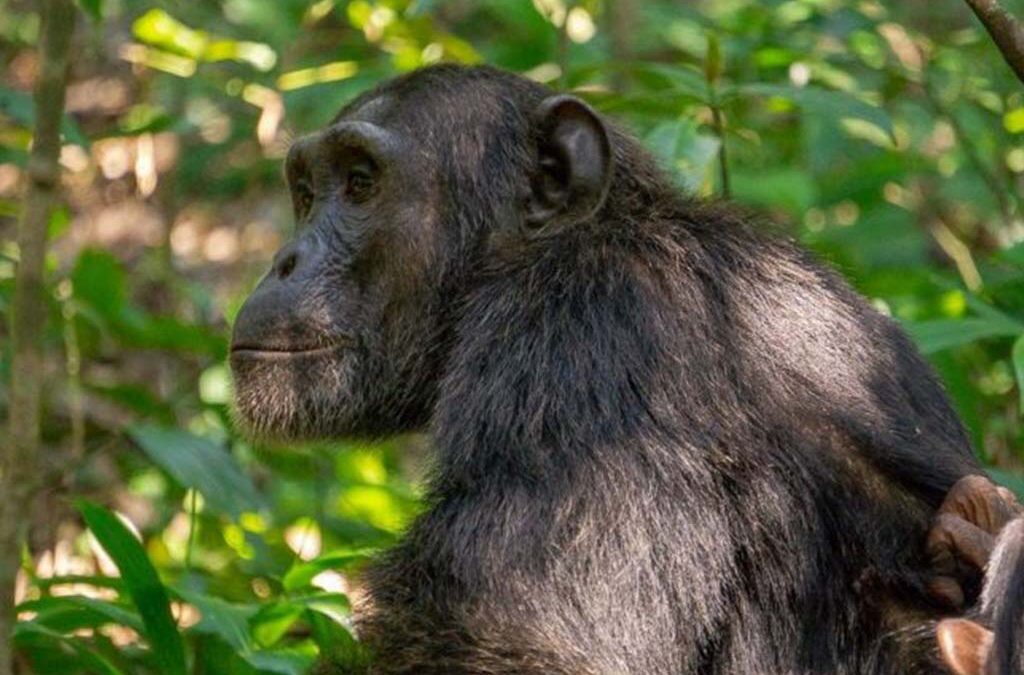
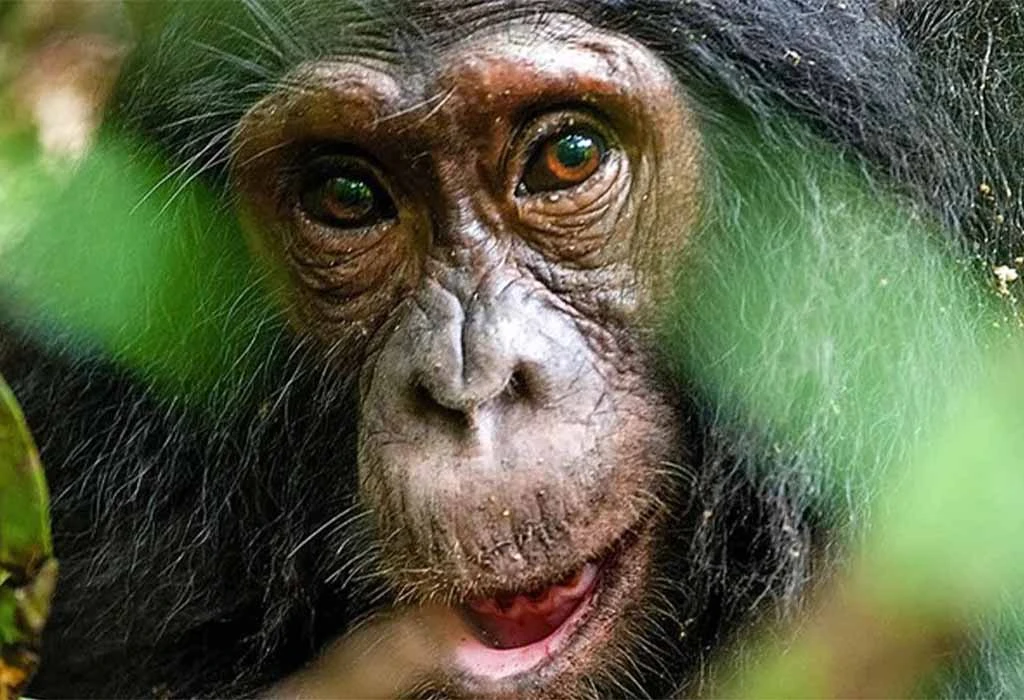
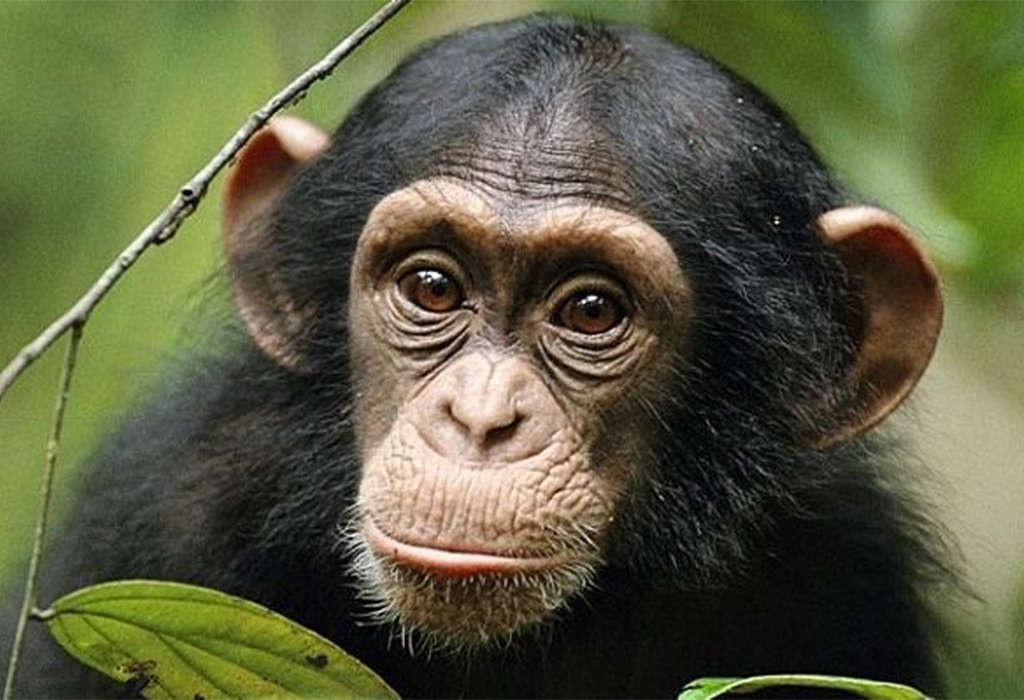
A chimpanzee safari is one of Africa’s most immersive wildlife experiences. Instead of open savannahs and large herds, you step into dense, humid forests where every sound matters and every movement feels alive. Here, you track our closest living relatives in their natural habitat and witness behaviors that feel surprisingly familiar yet deeply wild.
Unlike many traditional safaris, this experience is not just about spotting wildlife. It blends adventure, learning, and conservation in a way that stays with you long after you leave the forest.
Careful Planning Behind the Experience
A well-organized chimpanzee safari starts long before you enter the forest. Everything is arranged in advance so that your focus remains on the experience itself rather than the logistics.
Transportation, lodge arrangements, trekking schedules, and park briefings all follow a clear plan. Because chimpanzee habitats are often in remote regions, this preparation ensures smooth travel and reduces uncertainty along the way. As a result, you move through each stage of the journey with ease, even when the terrain becomes challenging.
Chimpanzee Trekking Permits and Why They Matter
Before entering the forest, you need a chimpanzee trekking permit. This permit is more than just an entry pass; it is part of a carefully managed conservation system.
Authorities limit the number of visitors each day to protect chimpanzees from stress and reduce human impact on their environment. Once inside, you access habituated chimpanzee groups that have slowly adapted to human presence while maintaining their natural behavior.
In addition, the permit fees directly support conservation work. They help fund anti-poaching efforts, scientific research, and community programs that encourage people living near forests to protect wildlife. In this way, your visit contributes to the survival of the species.
The Role of Expert Guides in the Forest
As you enter the forest, experienced guides lead the way, and their knowledge completely shapes your understanding of the experience. They read the forest like a living map, identifying tracks, sounds, and feeding signs that most visitors would easily miss.
While trekking, they explain chimpanzee behavior in detail. You begin to understand how they communicate, form social bonds, raise their young, and solve problems using remarkable intelligence. Every explanation adds depth to what you are seeing in real time.
Beyond chimpanzees, guides also introduce you to the wider ecosystem. They point out birds, insects, and medicinal plants, showing how every element of the forest connects in a delicate balance. Because of this guidance, the trek becomes both educational and deeply engaging.
Reaching the Forest: Transport and Logistics
Chimpanzee habitats often lie far from major towns, so the journey to the forest is part of the adventure. You travel in sturdy 4×4 vehicles designed for rough terrain, steep roads, and unpredictable weather conditions.
Drivers handle the challenging routes with confidence, ensuring safety and comfort throughout the journey. At the same time, vehicles are maintained regularly to avoid disruptions in remote areas where assistance may be limited.
This level of preparation allows you to travel with ease, even when roads become narrow, muddy, or uneven.
Where You Stay: Comfort in the Wild
Accommodation plays a key role in shaping your safari experience. Lodges are usually located near trekking points, which allows for early morning starts without long drives.
You can stay in eco-lodges that blend naturally into the forest or choose more comfortable mid-range and luxury options depending on your preference. Regardless of style, most accommodations focus on relaxation, privacy, and a close connection to nature.
Meals are freshly prepared using local ingredients and are designed to keep you energized for long forest walks. After a demanding trek, returning to a warm meal and a quiet environment becomes one of the most rewarding parts of the day.
The Chimpanzee Trekking Experience
The highlight of the safari begins early in the morning. After a briefing, you enter the forest in small groups led by your guide. At this time of day, chimpanzees are most active, feeding, grooming, and moving through the trees.
The trek can take anywhere from one hour to several, depending on where the chimpanzees are located. The forest feels alive as you move deeper branches rustle, distant calls echo, and sunlight filters through thick canopies.
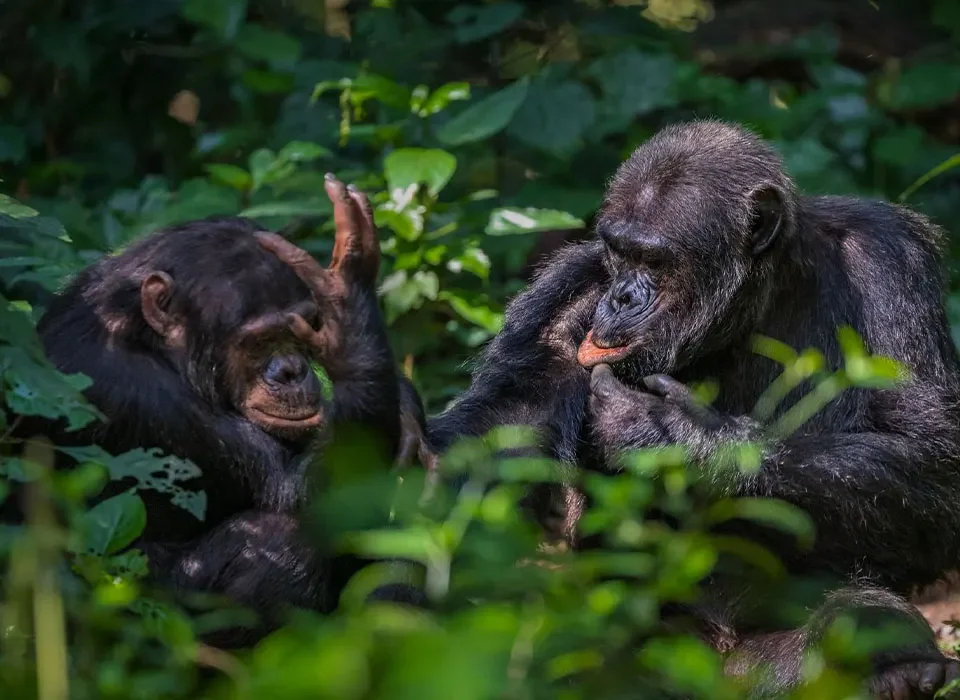
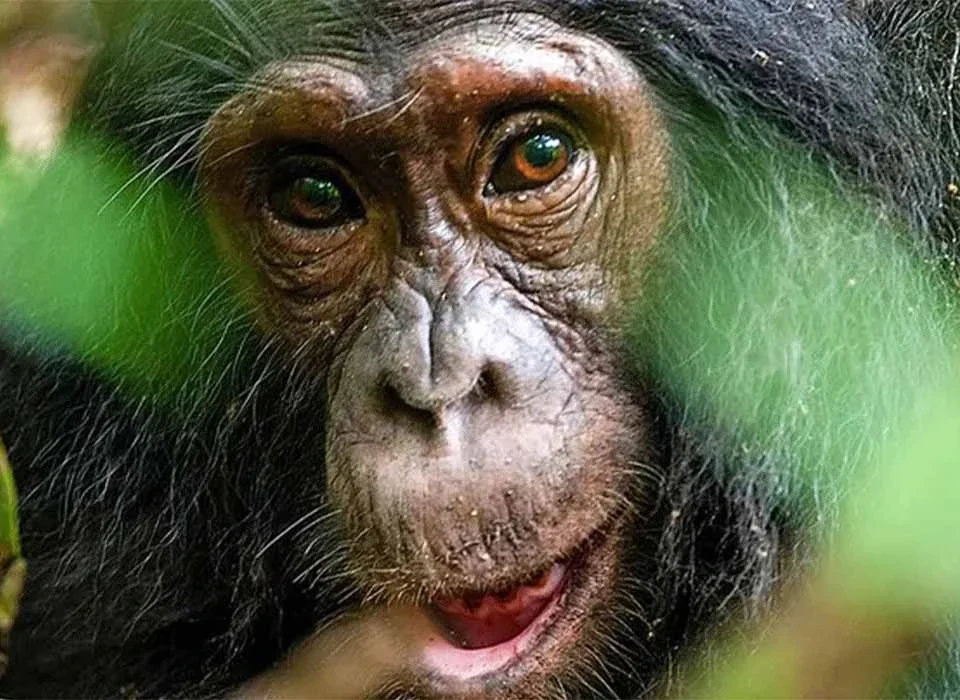
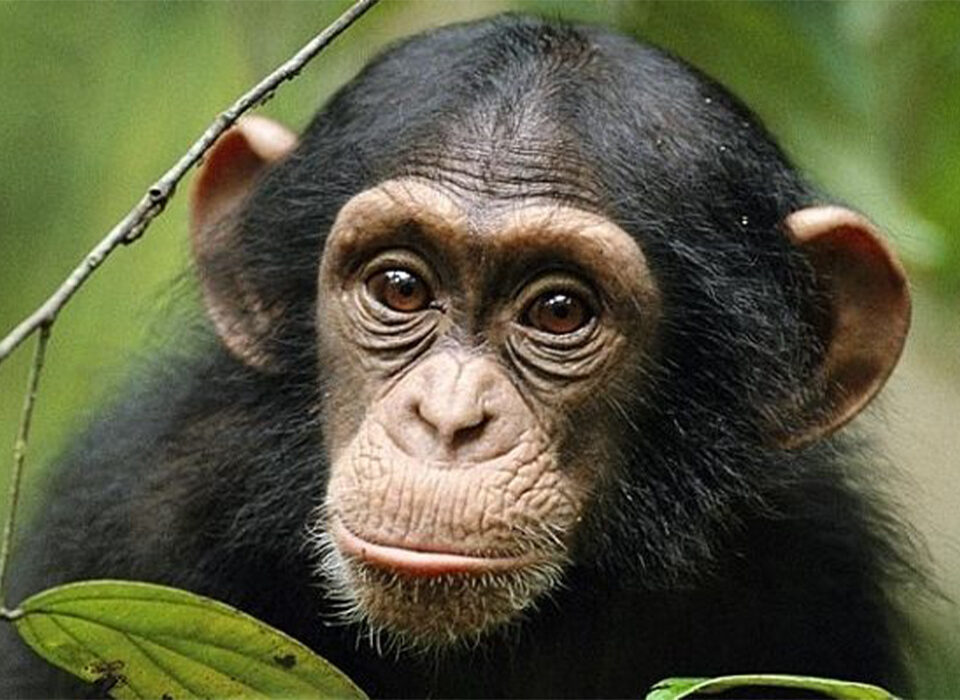
Eventually, you encounter the chimpanzees. Watching them interact is unforgettable. They groom each other, play with their young, and communicate using a complex range of sounds and gestures. Their behavior often feels strikingly human, which makes the experience even more powerful.
You spend a limited time with them, usually one hour. Although short, this time is carefully controlled to protect the animals and ensure they remain undisturbed. Interestingly, this limitation often makes the experience more meaningful, as every moment becomes intentional and focused.
Wildlife and Activities Beyond Chimpanzees
Even though chimpanzees are the highlight, the surrounding forest offers much more. You may encounter other primates such as colobus monkeys, vervet monkeys, and red-tailed monkeys moving through the trees.
Birdlife is especially rich, making the experience rewarding for bird enthusiasts. The forest also reveals unique plant species, butterflies, and small mammals that add layers of discovery to your walk.
In addition, many safaris include extra activities. You might explore nearby wetlands, visit crater lakes, or spend time in local communities learning how people live alongside wildlife. These interactions often provide a deeper understanding of conservation and daily life in forest regions.
A Journey That Connects You to Nature
By the end of a chimpanzee safari, the experience feels much bigger than wildlife viewing. It becomes a journey of connection between people, nature, and conservation.
Every part of the safari, from permits to trekking and from guiding to accommodation, works together to create a meaningful and responsible travel experience. More importantly, your presence supports ongoing efforts to protect chimpanzees and their fragile habitats.
What remains with you is not just the memory of seeing chimpanzees in the wild, but a deeper appreciation of how closely our world is tied to theirs.