How Long Does a Typical Game Drive Last?
April 1, 2026
How Gorilla Trekking Differs from Game Drive Safaris
April 1, 2026
Uganda stands out as one of Africa’s finest birding destinations. Often called the “Pearl of Africa,” the country combines breathtaking landscapes with extraordinary avian diversity. With over 1,000 recorded bird species packed into a relatively small area, Uganda gives birders a rare chance to experience an incredible range of species across varied habitats. From the misty montane forests of the Albertine Rift to sweeping savannas and rich wetlands, the country’s national parks protect some of the most important birding ecosystems on the continent. Whether you’re searching for rare endemics, vibrant forest specialists, or large flocks of waterbirds, Uganda delivers unforgettable birding experiences.
Queen Elizabeth National Park: A Birding Powerhouse
To begin with, Queen Elizabeth National Park holds a remarkable reputation as Uganda’s top birding destination. It hosts more than 600 bird species, the highest number recorded in any protected area in Africa. This diversity comes from its mix of habitats, including savannas, forests, wetlands, and the famous Kazinga Channel.
The Kazinga Channel offers one of the most rewarding birding experiences in Uganda. Boat cruises bring you close to pelicans gliding across the water and African skimmers slicing the surface with precision. Along the banks, kingfishers flash their bright colors while jacanas step lightly over floating vegetation. At the same time, herons, egrets, and storks patrol the shallows. As a bonus, elephants, hippos, and buffalo frequently appear nearby, making every outing even more memorable.
Meanwhile, the Ishasha sector introduces a different setting, where open plains attract raptors and grassland species. In contrast, Maramagambo Forest invites patient birders into a dense tropical world filled with hornbills and elusive forest birds. Around Mweya Peninsula, multiple habitats merge, creating excellent birding opportunities throughout the day.
Bwindi Impenetrable National Park: Home of Endemic Treasures
Although many travelers visit Bwindi for its mountain gorillas, birders recognize it as one of East Africa’s most important forests. The park protects over 350 bird species, including about 23 Albertine Rift endemics found nowhere else on Earth.
As you walk through the misty forest, the atmosphere feels almost magical. Admittedly, spotting birds can be challenging in the thick vegetation, but the rewards make every effort worthwhile. The African green broadbill, with its striking emerald color, remains one of the most sought-after sightings. Likewise, Shelley’s crimsonwing adds a splash of deep red in the bamboo zones, while sunbirds shimmer through the canopy.
In addition, birders may encounter the handsome francolin, Rwenzori turaco, and purple-breasted sunbird. Because the park ranges from lowland forest to high-altitude zones, each elevation reveals a different bird community, encouraging exploration across multiple trails.
Murchison Falls National Park: Birding Along the Nile
Moving north, Murchison Falls National Park offers a completely different birding experience. As Uganda’s largest park, it supports over 450 bird species across riverine forests and open savannas.
The Nile River forms the heart of birding activity here. Boat trips below the falls provide exceptional viewing opportunities. Along the riverbanks, you can spot Goliath herons stalking fish and colorful bee-eaters darting through the air. Near the falls, rock pratincoles cling to the rocks, thriving in a dramatic and turbulent environment.
Beyond the river, the surrounding savannas host ground hornbills, secretary birds, and a wide variety of raptors. As a result, the park offers a balanced mix of waterbirds and open-country species, making it a must-visit destination for bird enthusiasts.
Semuliki National Park: A Taste of the Congo Basin
In contrast to Uganda’s other parks, Semuliki National Park introduces birders to the unique ecosystems of the Congo Basin. Positioned at the edge of Central Africa, the park features lowland rainforest habitats rarely found elsewhere in East Africa. Consequently, it supports around 440 bird species.
What makes Semuliki especially exciting is its population of Guinea-Congo biome species. These include rare forest specialists such as the Congo serpent-eagle and the striking black-casqued hornbill. Additionally, birders often seek out the Nkulengu rail and red-billed dwarf hornbill.
Trails like Kirumia and areas around the Sempaya Hot Springs lead through rich forest environments, while nearby wetlands expand the range of species you can observe. Because of this diversity, a single visit can reveal both forest and wetland birds in one trip.
Kibale National Park and Bigodi Wetland: Forest Meets Wetland
Kibale National Park protects one of Africa’s most beautiful tropical rainforests. While it is famous for chimpanzees, it also offers exceptional birding opportunities. One of its highlights is the elusive green-breasted pitta, a species many birders dream of seeing.
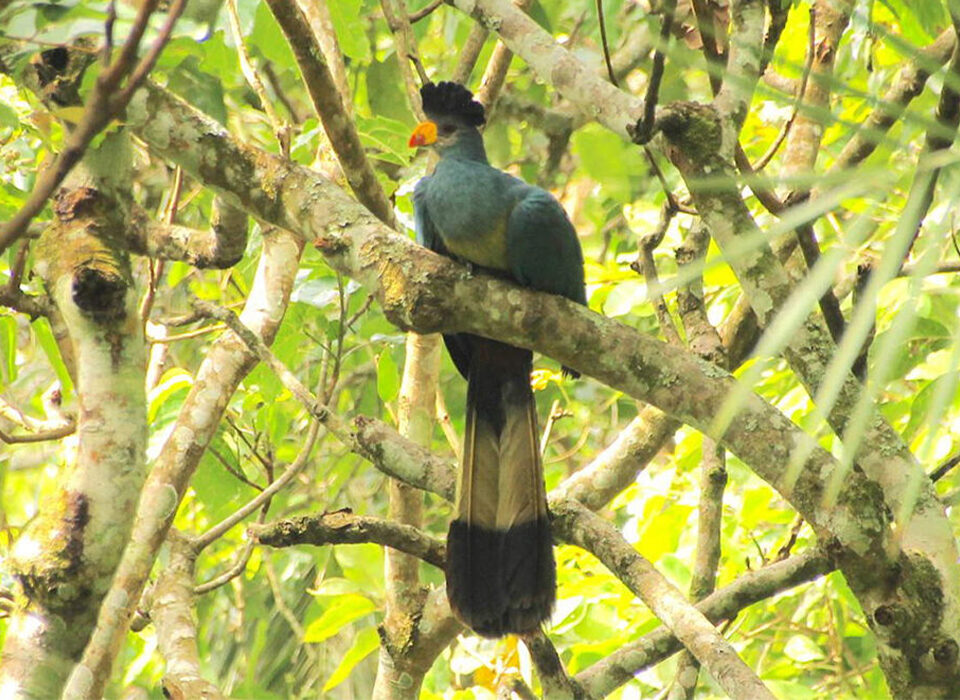
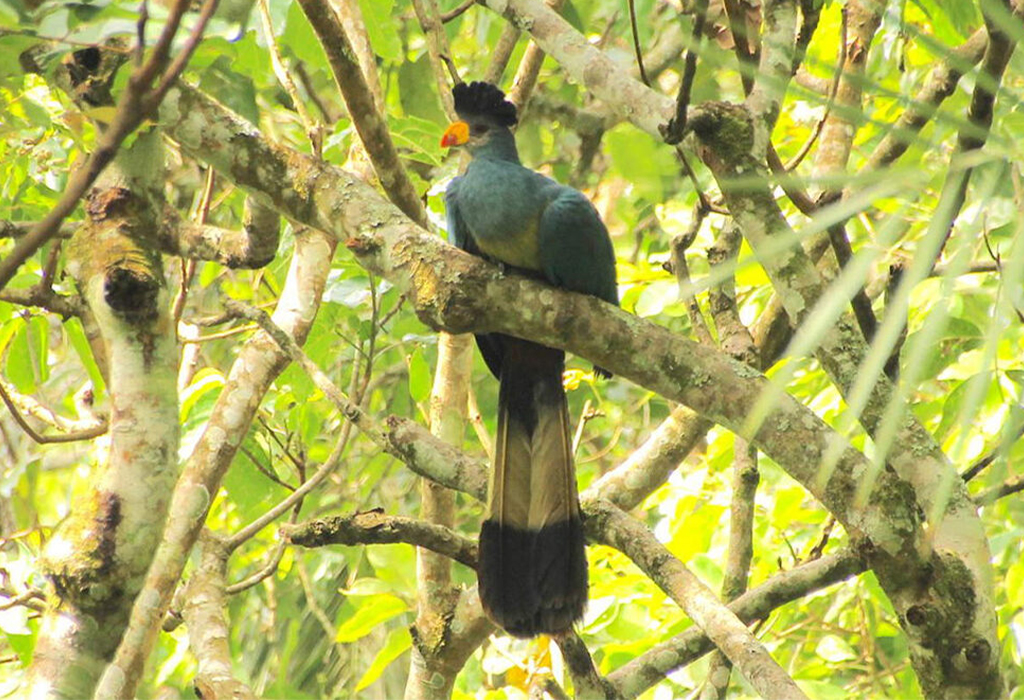
Inside the forest, towering trees and dense vegetation create a challenging yet rewarding environment. With patience, you may spot African grey parrots, great blue turacos, black bee-eaters, and a variety of barbets.
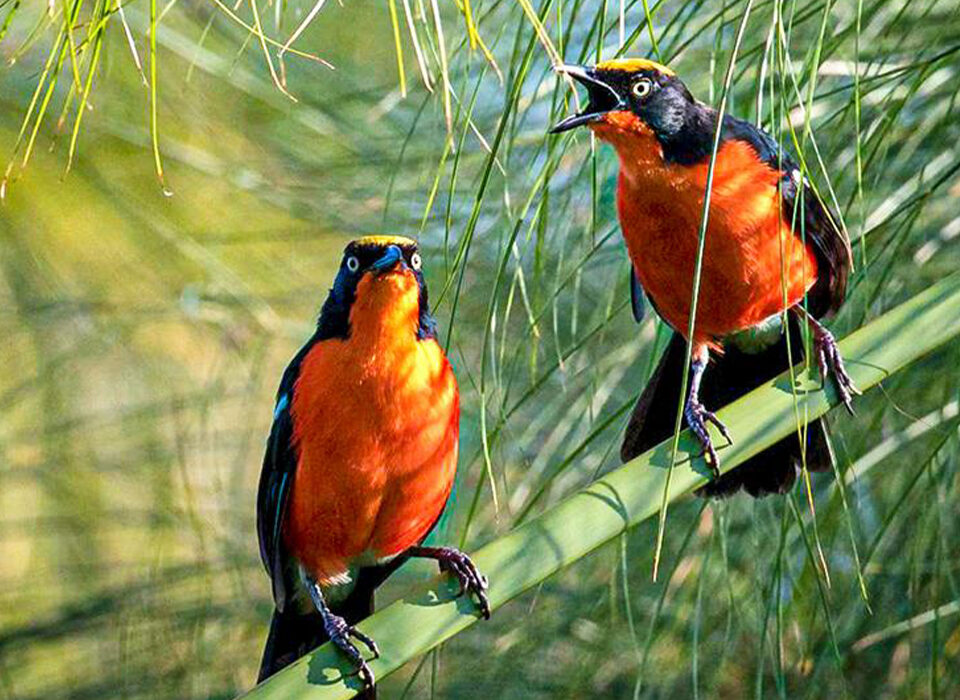
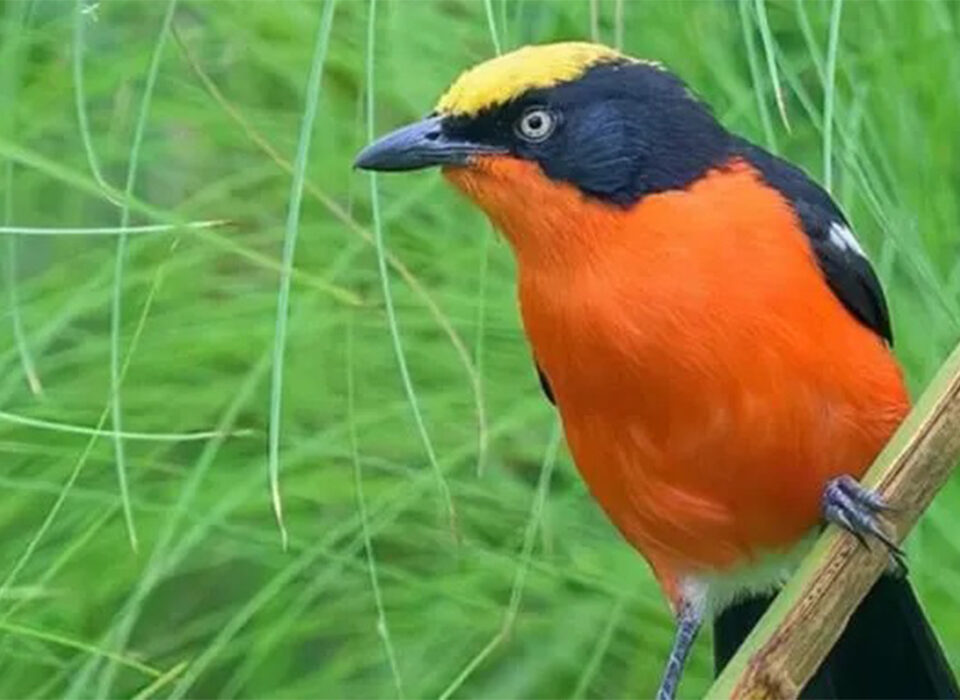
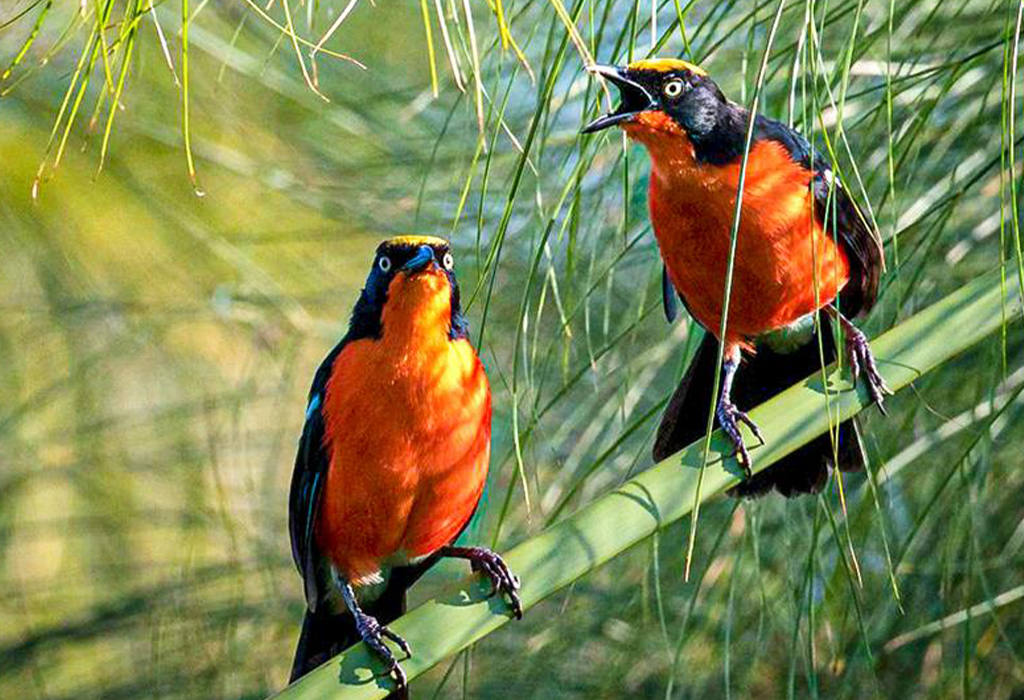
Just outside the park, Bigodi Wetland Sanctuary adds another dimension to the experience. This community-protected wetland hosts papyrus specialists and other water-dependent species. Together, Kibale and Bigodi create a rich combination of forest and wetland birding in a compact area.
Mgahinga Gorilla National Park: High-Altitude Birding
Finally, Mgahinga Gorilla National Park may be small, but it offers unique rewards for birders willing to explore its high-altitude terrain. The park protects around 180 bird species, including several Albertine Rift endemics.
The bamboo zones and montane forests shelter species like the Rwenzori turaco, known for its brilliant crimson wings. Higher up, the moorland habitats support birds adapted to cooler, harsher conditions.
Although the terrain can be challenging, those who venture here often enjoy sightings of rare species that are difficult to find anywhere else in Uganda.
When and How to Plan Your Birding Safari
For the best experience, plan your birding safari during the dry seasons, from June to September and December to February. During these months, trails remain accessible, and birds tend to be more active and visible. Even so, Uganda’s equatorial climate allows for rewarding birding throughout the year.
Equally important, consider hiring an experienced local bird guide. Their knowledge of bird calls, habitats, and behavior can greatly improve your chances of spotting rare species.
Lastly, choose accommodations close to key birding areas. Since early mornings and late afternoons offer the most activity, staying nearby helps you make the most of every moment in the field.
Final Thoughts
In the end, Uganda offers one of the richest birding experiences in Africa. Each national park reveals a different side of the country’s avian diversity, from riverbanks and wetlands to ancient forests and mountain slopes. With careful planning and a sense of adventure, birders can discover an astonishing variety of species in a single journey making Uganda a true paradise for bird lovers.