Is a Visit to Rwanda Safe with Children?
April 1, 2026
What Are the Best National Parks for Birding in Uganda?
April 1, 2026
For travelers planning an East African safari, understanding game drive durations is essential. It helps set realistic expectations and ensures you make the most of your wildlife viewing experience.
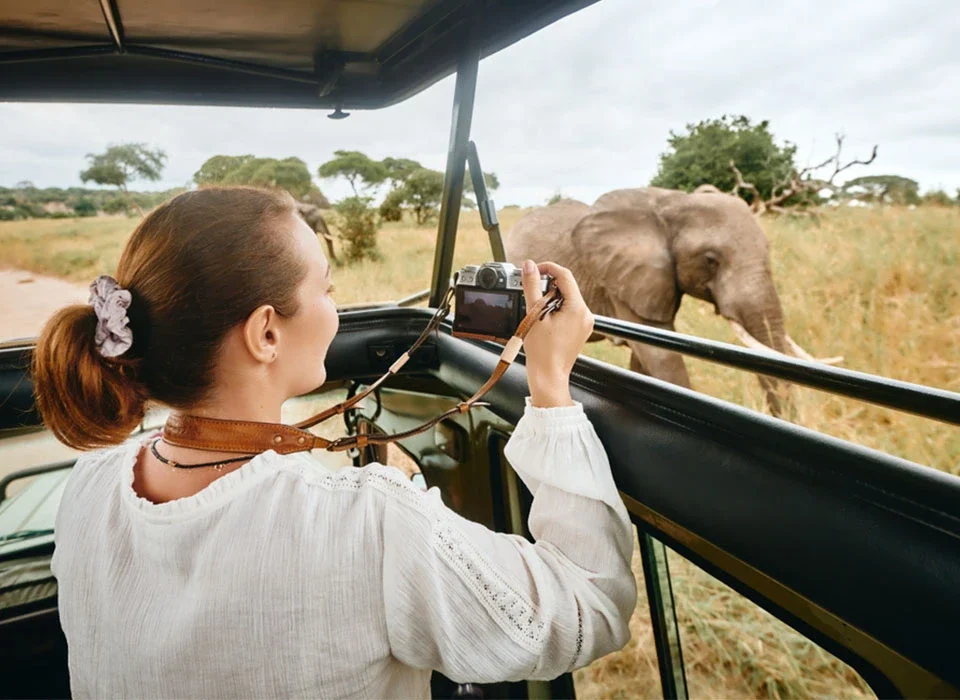
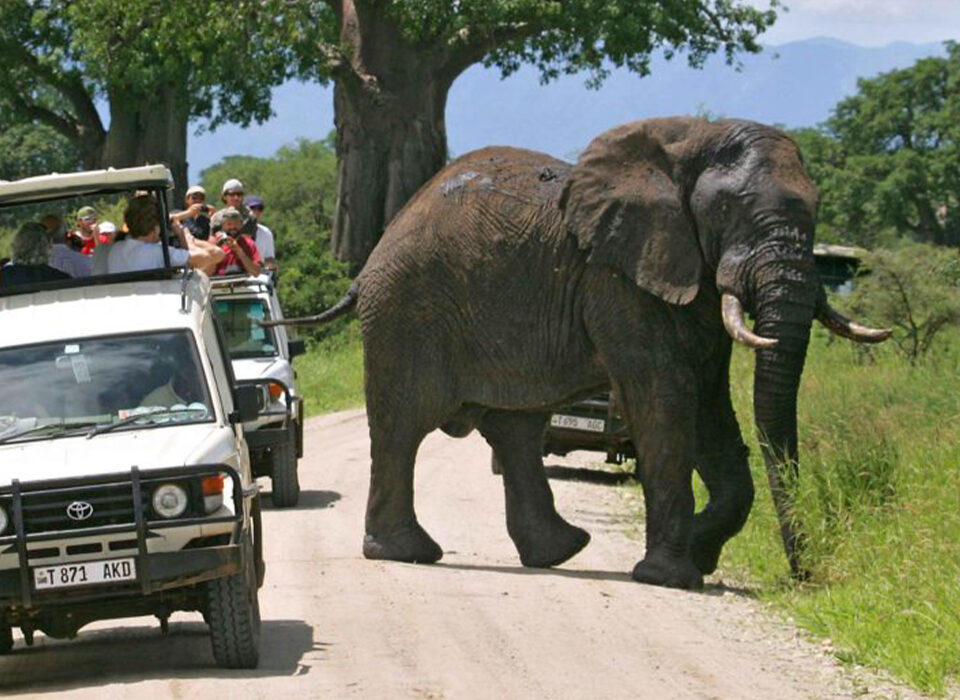
Typically, a game drive in East Africa lasts between 2.5 to 4 hours. Guides carefully time these drives to align with peak animal activity, which occurs during the cooler parts of the day. However, the exact duration can vary depending on the park, season, safari style, and most importantly the wildlife encounters of the day.
Standard Game Drive Durations
Across East Africa, most game drives follow a well-structured schedule designed to maximize wildlife sightings while keeping travelers comfortable.
Morning Game Drives
Morning drives usually begin at dawn, when the savannah awakens. At this time, wildlife activity is at its peak. Nocturnal predators return from hunting, while herbivores begin grazing.
These drives typically last 3 to 4 hours, ending by mid-morning as temperatures rise and animals retreat into shade.
In Uganda, parks like Queen Elizabeth National Park and Murchison Falls National Park offer exceptional morning drives, often rewarding visitors with sightings of lions, elephants, buffaloes, and antelope species.
Additionally, guides often include a short “bush coffee” stop, allowing you to stretch, enjoy refreshments, and take in the scenery.
Afternoon Game Drives
Afternoon drives begin between 3:00 PM and 4:00 PM and continue until sunset, usually around 6:00 to 6:30 PM.
Like morning excursions, these drives last 3 to 4 hours. As the day cools, animals become active again. You may see elephants heading to water sources, giraffes feeding, or predators preparing for the evening hunt.
Moreover, the golden evening light enhances photography and creates a magical safari atmosphere.
Extended Game Drive Options
For travelers seeking a deeper experience, full-day game drives provide an excellent alternative.
These extended drives last 6 to 10 hours and are especially popular in vast ecosystems such as the Serengeti and Maasai Mara. However, Uganda also offers rewarding full-day experiences, particularly in Murchison Falls National Park, where diverse habitats support abundant wildlife.
During full-day drives, guides provide packed meals, allowing you to explore remote areas without returning to camp.
As a result, you gain:
- Greater chances of spotting elusive species
- More time to observe animal behavior
- Access to less-visited regions
Ultimately, these longer drives often lead to unforgettable moments, such as witnessing a hunt or discovering hidden wildlife hotspots.
Factors That Influence Game Drive Length
Several key factors determine how long a game drive lasts.
Geographic Considerations
Larger ecosystems, like the Serengeti, require longer drives due to vast distances between wildlife concentrations. In contrast, Uganda’s parks such as Lake Mburo National Park are more compact, allowing excellent wildlife viewing within shorter periods.
Park Regulations
Each national park enforces specific rules regarding entry and exit times. Some parks restrict early access or late departures, while others limit vehicle movement in sensitive areas.
Consequently, these regulations directly shape the structure and duration of game drives.
Wildlife Sightings
Wildlife ultimately dictates the pace of a game drive. Experienced guides remain flexible and may extend drives when exceptional sightings occur.
For example, if you encounter a lion hunt or a leopard with its prey, guides often allow extra time to fully experience the moment.
This flexibility is part of what makes safaris so unique—nature sets the schedule.
Safari Package Type
Your safari package also plays a major role:
- Budget safaris follow fixed schedules with limited flexibility
- Mid-range safaris may include occasional extended drives
- Luxury safaris often offer private vehicles, allowing customized timing
Therefore, higher-tier packages typically provide more freedom to adjust game drive duration.
The Science Behind Optimal Timing
Why Morning Drives Work Best
Morning game drives offer ideal conditions for wildlife viewing. Cooler temperatures encourage movement, and predators are often still active.
At the same time, soft morning light improves visibility and creates excellent photography conditions.
Advantages of Afternoon Drives
In the late afternoon, animals re-emerge as temperatures drop. Many species head toward water sources, while predators begin preparing for evening hunts.
In addition, the golden hour light enhances both scenery and wildlife viewing.
The Midday Break
Most safari itineraries include a midday break—and for good reason.
During this time:
- Temperatures peak
- Wildlife activity declines
- Harsh sunlight affects visibility
Therefore, this period allows you to rest, enjoy meals, and recharge before the next drive.
Maximizing Your Game Drive Experience
Understanding game drive durations helps you plan more effectively and choose the right safari style.
Whether you prefer shorter drives or full-day adventures, each option offers unique benefits. However, the key to a memorable safari lies in balancing comfort, patience, and flexibility.
After all, the most extraordinary wildlife moments often happen when you least expect them.