Africa’s Desert Adventures Beyond the Sahara
October 2, 2025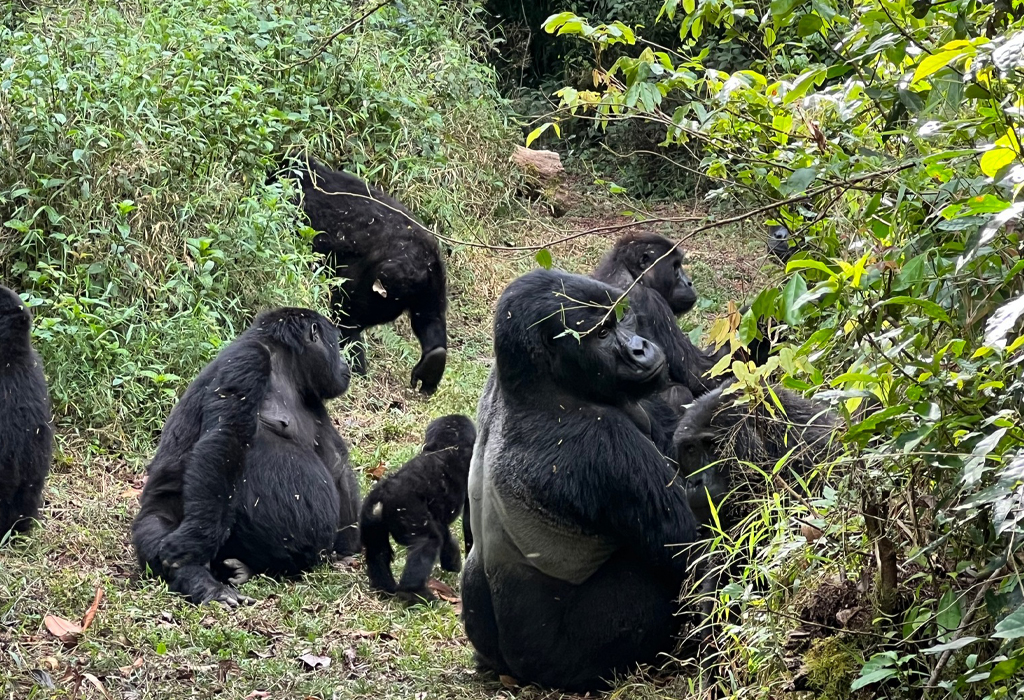
Can You Combine Lion and Leopard Tracking with Gorilla Trekking on a Uganda Safari?
October 2, 2025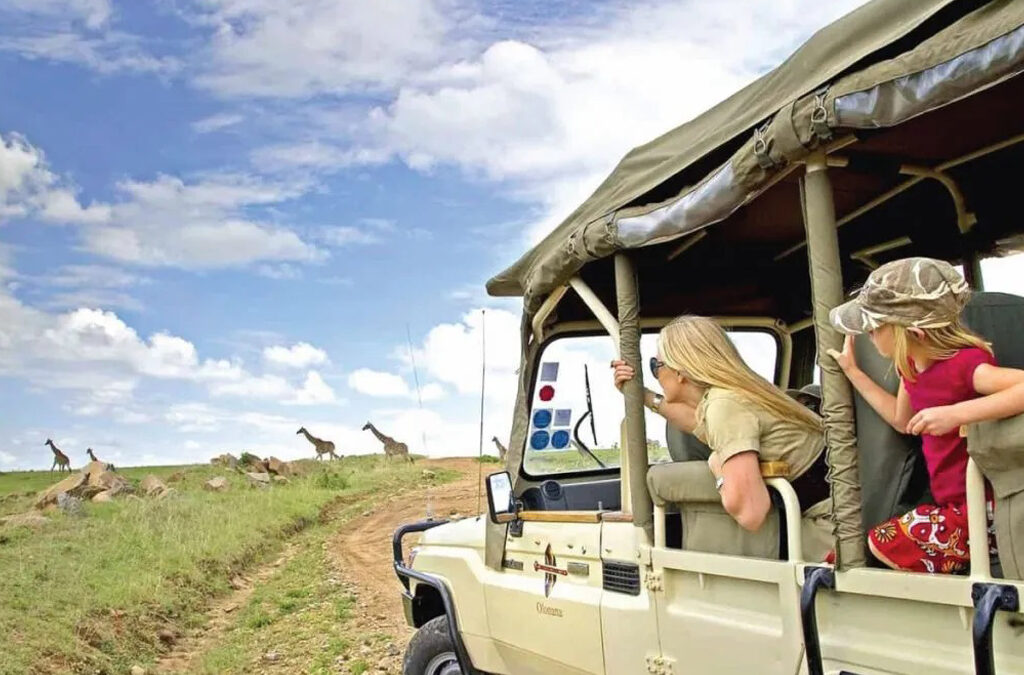
When you think of East Africa, images of gorillas in misty mountains, golden savannahs alive with wildlife, and cultures rich with rhythm and tradition immediately come to mind. Uganda and Rwanda shine as two destinations that perfectly blend thrilling safaris with cultural encounters and historical depth. Crafting the Ultimate Safari Itinerary for Uganda and Rwanda Holidays means going beyond game drives to embrace landscapes, people, and heritage that shape these two nations.
This guide outlines a detailed itinerary that balances adventure, history, culture, and relaxation—a journey that lingers long after you return home.
Day 1–2: Arrival in Entebbe – Your Introduction to Uganda
Your journey begins in Entebbe, a quiet lakeside town on the shores of Lake Victoria. Since most international flights land here, it serves as a natural first stop.
Spend your first day unwinding. You might stroll through the Entebbe Botanical Gardens, where colobus monkeys swing through the trees and colorful birds flit overhead. Alternatively, visit the Uganda Wildlife Education Centre for a soft introduction to the country’s animals. Later, explore the crafts market, where artisans display handmade jewelry, bark-cloth items, and woven baskets.
From the very start, you’ll notice Uganda’s warm hospitality, a constant thread that enriches the rest of your journey.
Day 3–5: Gorilla Trekking in Bwindi Impenetrable National Park
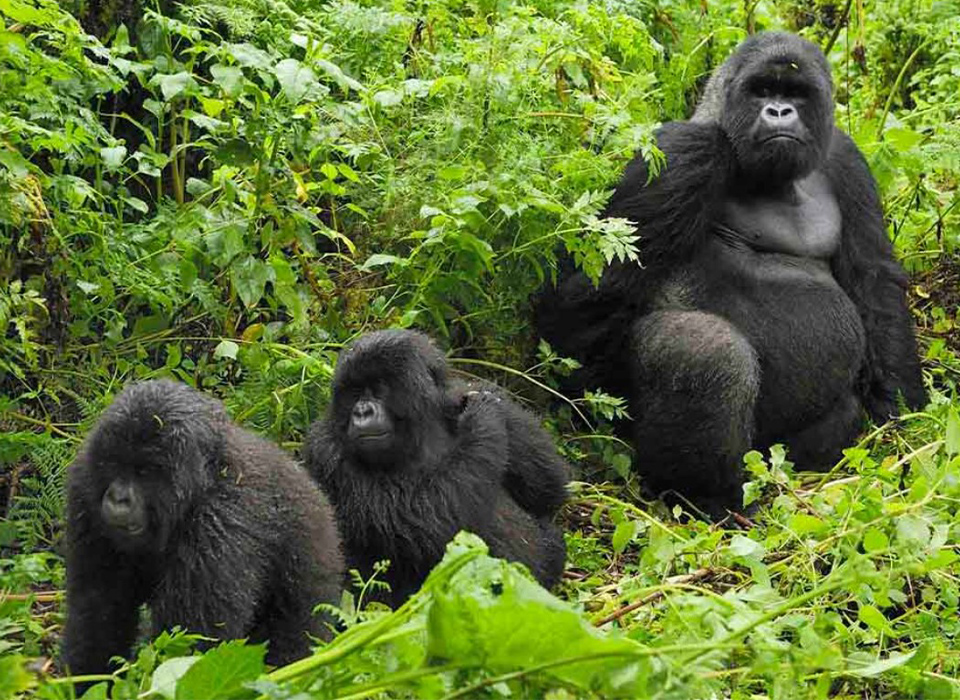
No safari in Uganda feels complete without gorilla trekking. Travel southwest to the highlands, where mist drapes over ancient forests and the earthy scent of wilderness fills the air.
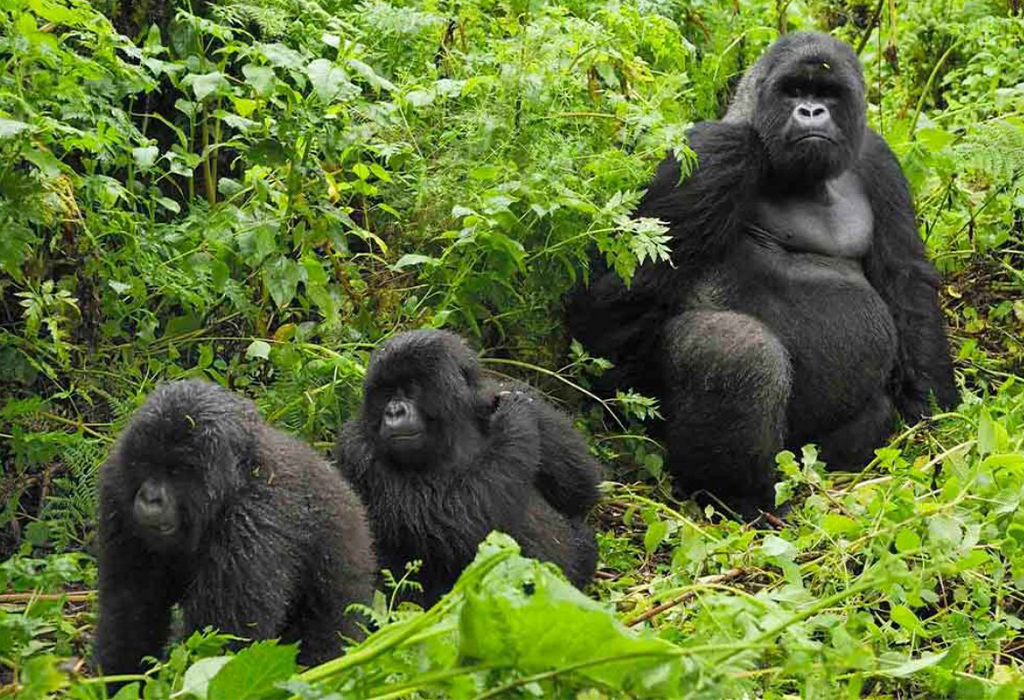
Bwindi Impenetrable National Park shelters nearly half the world’s mountain gorillas. The trek itself challenges you, yet nothing compares to the reward—meeting the gaze of a silverback or watching a baby cling tightly to its mother.
Beyond wildlife, Bwindi also tells a cultural story. Here live the Batwa, one of Africa’s oldest communities. Spend time learning about their hunter-gatherer traditions, forest songs, and ancestral stories, a poignant glimpse into a lifestyle that once thrived entirely in the wild.
Day 6–7: Queen Elizabeth National Park and Kazinga Channel
From the gorilla forests, move north into the sweeping savannah of Queen Elizabeth National Park. The landscape shifts dramatically—acacia-dotted plains, crater lakes, and herds of elephants and buffalo grazing under open skies.
Highlights include:
- Game Drives: Spot lions, leopards, hyenas, and Uganda kobs roaming the Kasenyi Plains.
- Kazinga Channel Boat Cruise: Drift along waters crowded with hippos, crocodiles, and one of Africa’s greatest concentrations of waterbirds.
The park also borders vibrant communities. Visit the centuries-old Katwe Salt Lake, where locals harvest salt by hand, a living practice that ties culture, livelihood, and land together.
Day 8–9: Murchison Falls National Park
Continue north to Murchison Falls National Park, Uganda’s largest and most dramatic reserve. The Nile River carves its way through the park before crashing through a narrow gorge to create the roaring Murchison Falls.
Here, your days unfold with excitement:
- Sunrise game drives bring giraffes, elephants, lions, and antelopes into view.
- A Nile boat cruise carries you to the base of the falls, where rainbows dance in the spray.
- A hike to the top offers sweeping panoramas of the river’s power.
This park also carries a fascinating past. Once a colonial hunting ground favored by figures like Winston Churchill, today it stands as a proud symbol of conservation and Uganda’s shift toward eco-tourism.
Day 10–11: Crossing into Rwanda – Kigali City Tour
Next, cross into Rwanda, the “Land of a Thousand Hills.” Kigali, its capital, surprises many visitors with its clean streets, progressive spirit, and striking blend of past and present.
A guided tour often includes:
- The Kigali Genocide Memorial, a place of reflection and remembrance.
- Bustling local markets, alive with fabrics, spices, and handicrafts.
- Art galleries, where Rwanda’s creativity and resilience come to life.
Kigali is not just a stopover—it is a cultural hub that captures Rwanda’s resilience and renewal.
Day 12–13: Volcanoes National Park – Rwanda’s Gorilla Kingdom
Volcanoes National Park, with its cloud-draped volcanoes, offers another unforgettable primate experience. This is where Dian Fossey conducted her groundbreaking gorilla research, and trekking here carries a legendary allure.
Beyond gorillas, the park rewards you with:
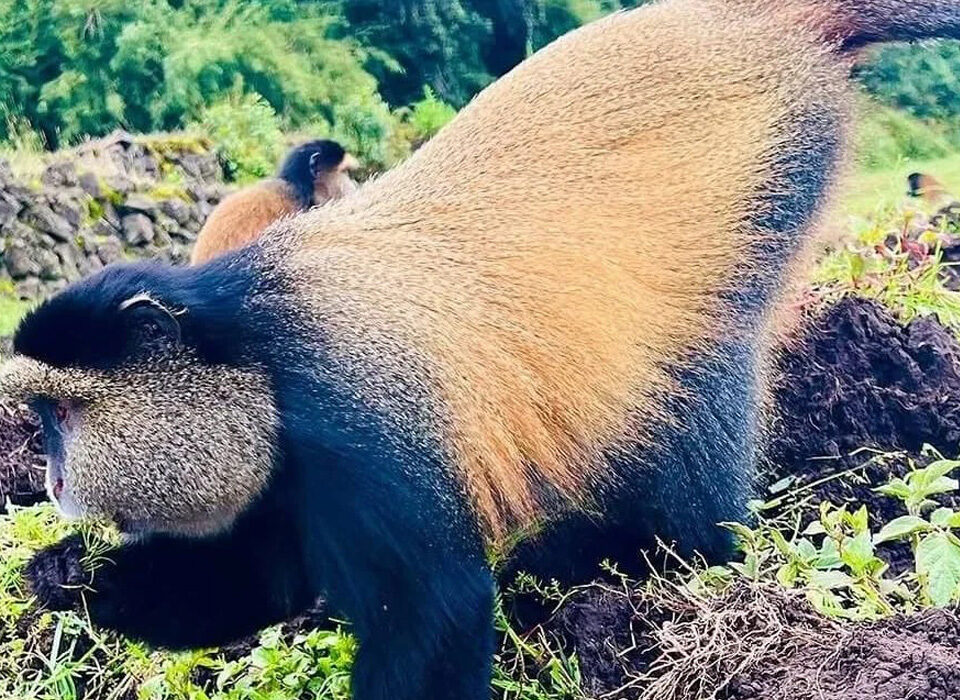
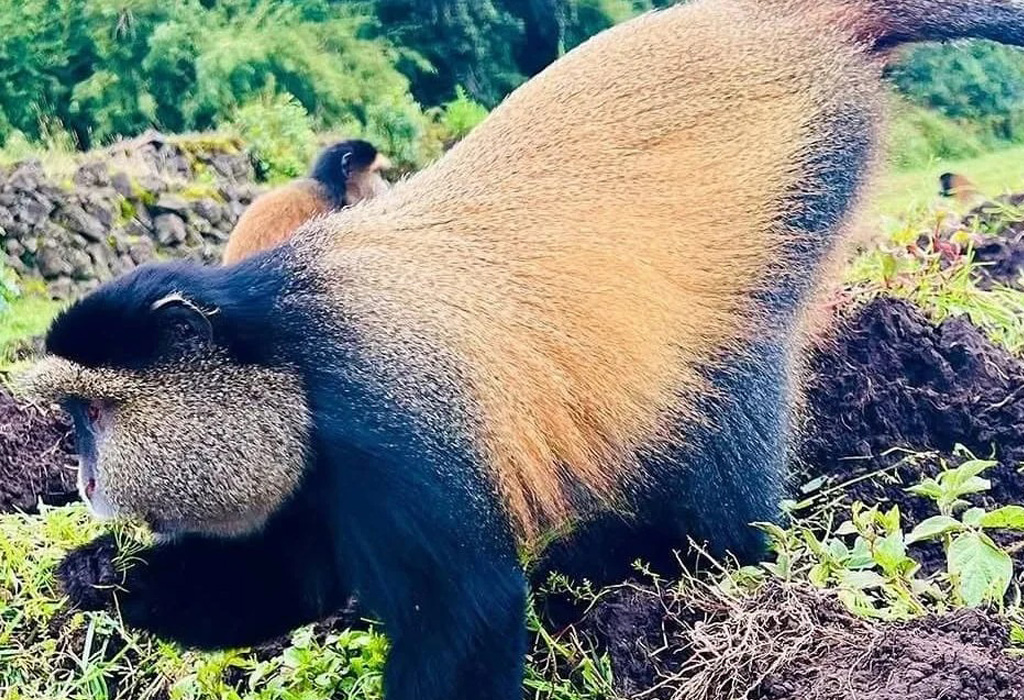
- Golden Monkey Tracking, a lively encounter with playful primates.
- Cultural visits to Iby’iwacu Cultural Village, where traditional dances, farming practices, and crafts reveal the roots of Rwandan heritage.
Here, nature and culture weave seamlessly together, creating memories that remain vivid long after the trek ends.
Day 14: Lake Kivu – Rest and Reflection
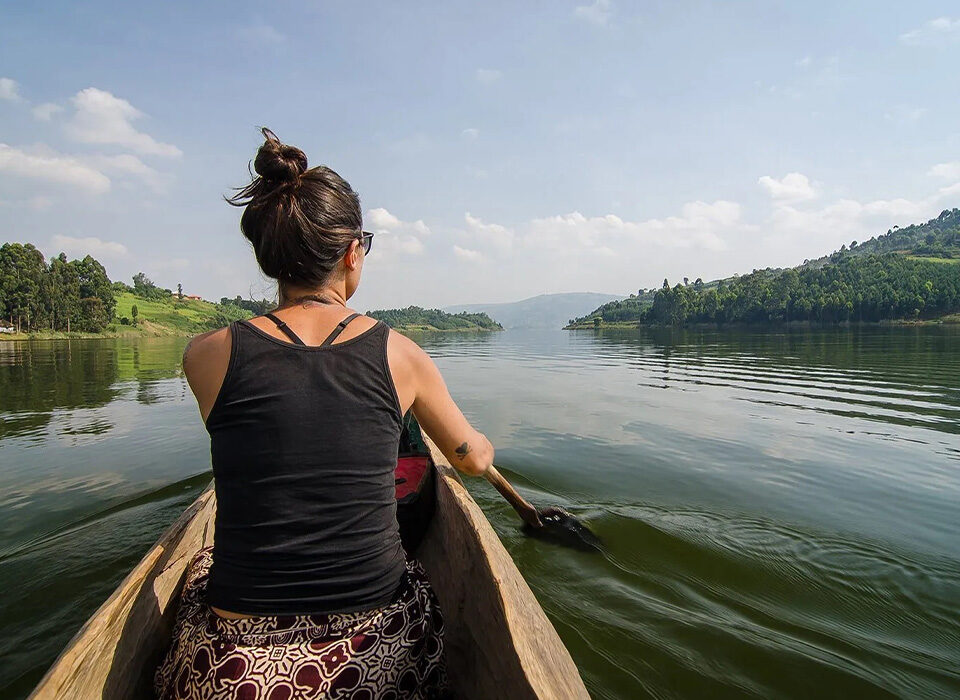
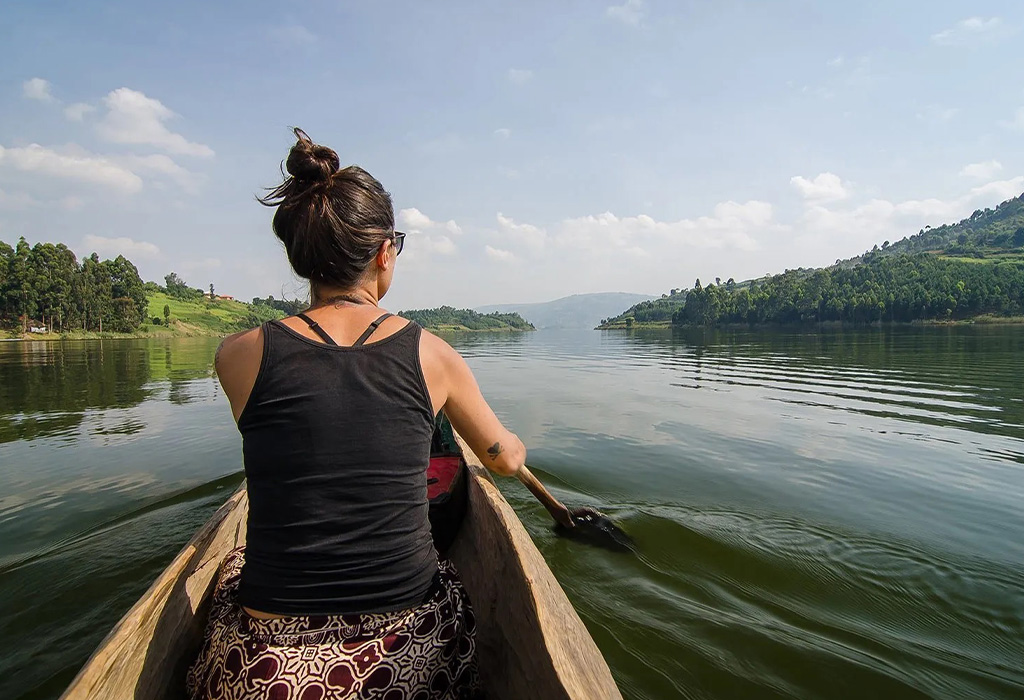
After days of trekking and wildlife encounters, slow down on the tranquil shores of Lake Kivu, Rwanda’s largest freshwater lake. Palm-lined beaches, peaceful villages, and calm waters make this a perfect retreat.
You can sail to islands, sip freshly brewed Rwandan coffee on the shore, or simply relax at a lakeside lodge with views of surrounding hills. More than just a scenic stop, Lake Kivu has long been central to trade, agriculture, and daily life, adding cultural resonance to your rest.
Day 15: Departure
As your holiday draws to a close, return to Kigali for your onward flight. By now, you carry not only photos of wildlife but also stories of people, cultural connections, and moments of deep reflection. This journey lingers in memory, offering far more than a safari—it becomes a personal chapter of discovery.
Cultural and Historical Highlights Along the Itinerary
What makes this ultimate itinerary unique is the blend of wildlife adventure with deeper cultural and historical insight:
- Batwa People of Bwindi: Guardians of ancient forest traditions.
- Katwe Salt Mines: A centuries-old livelihood rooted in Uganda’s landscape.
- Kigali’s Resilience: A global symbol of healing, growth, and unity.
- Iby’iwacu Cultural Village: A living celebration of Rwandan heritage.
Each encounter adds layers of meaning, turning your safari into a journey of memory and identity.
Practical Tips for Travelers
- Best Time to Visit: June to September and December to February, when trekking and wildlife viewing are at their best.
- Permits: Secure gorilla permits early. Uganda’s cost $800, Rwanda’s $1,500—both worth the experience.
- Health & Safety: Yellow fever vaccination is mandatory; malaria prophylaxis is strongly recommended.
- Packing: Bring lightweight clothes, a rain jacket for mountain treks, sturdy hiking boots, binoculars, and a camera with spare batteries.