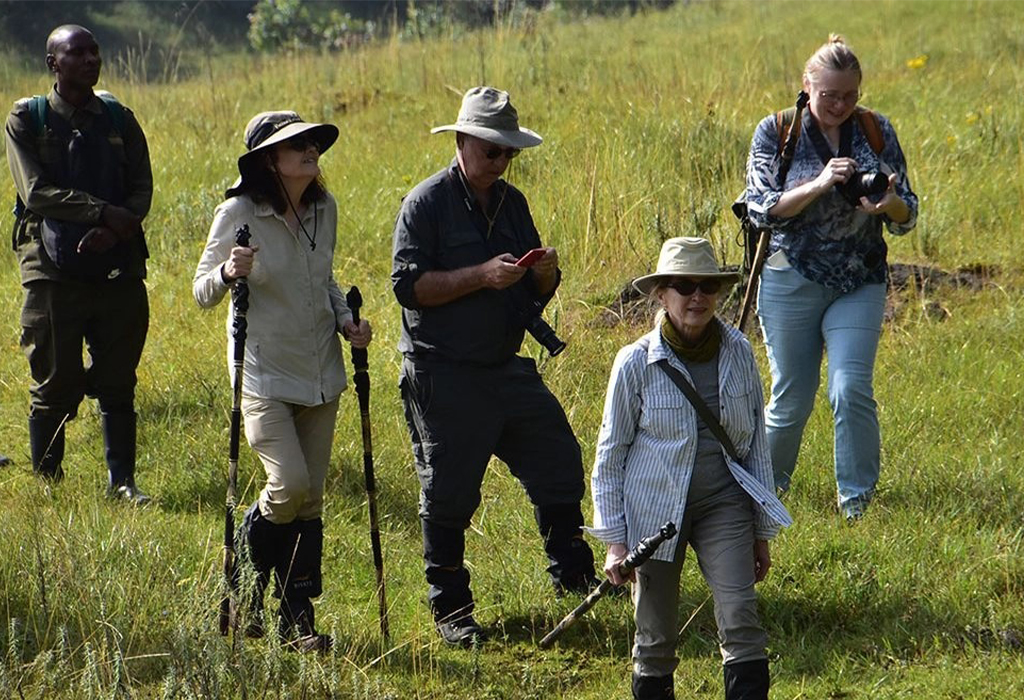
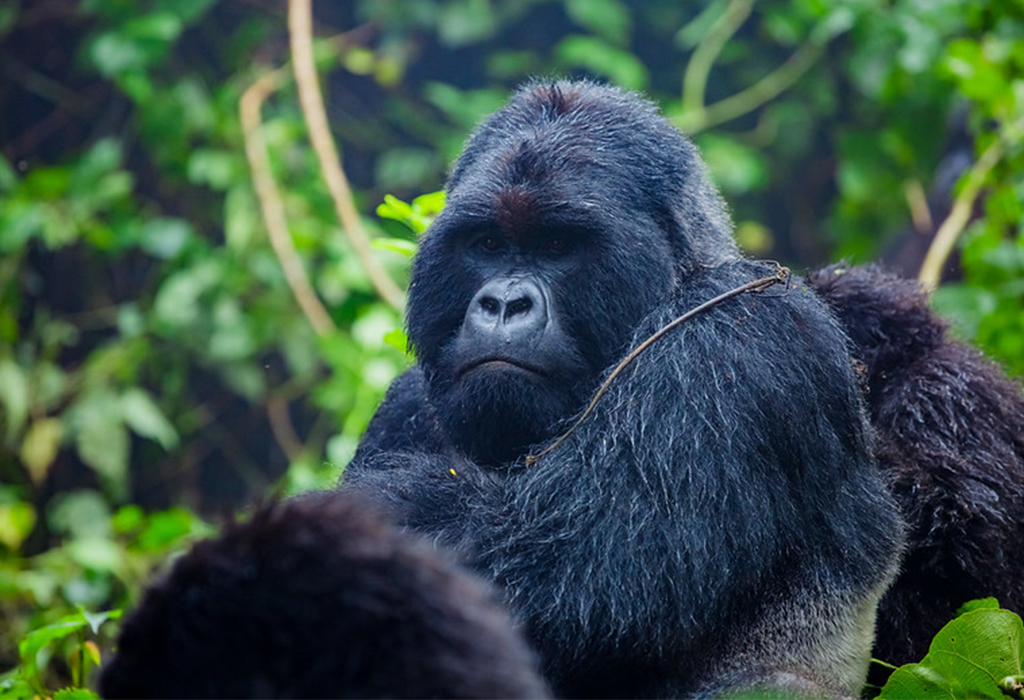
3 Days Bwindi Uganda Gorilla Trekking Safari
January 31, 2026
Off-Season Primate Safaris in Uganda
February 2, 2026
Uganda gorilla trekking permits are the single most important piece of your safari plan. Everything else lodges, flights, and driving routes should be arranged around your permit date. These permits regulate daily visitor numbers, protect endangered mountain gorillas, and determine exactly where and when you trek.
In this guide, you’ll learn how permit timing works in Uganda, why it matters, how far in advance to plan, the best time of year to trek, and how to build a realistic safari itinerary around permit availability.
Understanding Uganda Gorilla Trekking Permits
A gorilla trekking permit is an official authorization that allows one person to visit a habituated gorilla family for one hour on a specific date. The Uganda Wildlife Authority issues permits through licensed operators like Experiya Tour Company, and every trekker must have one regardless of age or nationality.
Your permit includes:
- Park entry fees
- Ranger guides and trackers
- Conservation contributions
Without a permit, you cannot participate in gorilla trekking even if you are already staying near the park.
Most importantly, permits are date-specific and park-specific. Once issued, they cannot be freely changed unless alternative availability exists. Because of this, timing becomes critical, especially for travelers with fixed international flights.
Why Permit Timing Matters More Than Anything Else
Gorilla trekking operates under strict conservation rules. Each habituated gorilla family receives only one visitor group per day, and group sizes are limited. As a result, permits are scarce and often sell out months in advance.
If you delay booking, you may need to:
- Change travel dates
- Switch trekking sectors
- Add long driving distances
- Miss your preferred travel season
Early permit booking also increases your chances of trekking in sectors with gentler terrain, shorter hikes, and lodges nearby ideal for seniors, photographers, or comfort-focused travelers.
Where Gorilla Trekking Happens in Uganda
Uganda offers gorilla trekking in two national parks, each with different permit dynamics.
Bwindi Impenetrable National Park
Bwindi hosts the majority of Uganda’s habituated gorilla families. The park is divided into multiple trekking sectors, and each sector has its own daily permit allocation.
Because more permits are available overall, Bwindi offers greater flexibility in timing but popular sectors still sell out early.
Mgahinga Gorilla National Park
Mgahinga has one habituated gorilla family available for trekking. This makes permits here very limited and highly competitive.
However, Mgahinga is perfect for travelers seeking quieter trails and fewer visitors if they plan well in advance.
How the Permit System Works
Permits are released on a rolling basis and can be booked up to a year in advance. Once purchased, the permit becomes tied to the trek date and specific park sector.
While changes are sometimes possible, they depend entirely on availability which is often very limited during peak seasons. For this reason, experienced safari planners secure permits before confirming lodges or transport.
Ideal Timing to Secure Gorilla Trekking Permits
High-Demand Travel Periods
During peak seasons, book permits 6–12 months in advance. These periods include:
- June to September
- December to February
- Major holiday seasons
If you plan to travel during these months, treat permit booking as urgent.
Shoulder Seasons
Booking 3–5 months ahead is usually sufficient, although popular sectors may still fill early.
Low Seasons
Rainy months offer more flexibility and better availability. Even so, avoid last-minute planning if your travel dates are fixed.
Late bookings sometimes work, but they often require flexibility in dates, sectors, or travel routes.
Best Time of Year for Gorilla Trekking in Uganda
Gorilla trekking happens year-round, but seasonal conditions influence both hiking ease and permit demand.
Dry Seasons
Dry months mean:
- Easier hiking conditions
- Clearer trails
- High visitor demand
Permits sell out fastest during this time, so early booking is essential.
Rainy Seasons
Rain brings:
- Fewer visitors
- More permit availability
- Lush, green forest scenery
Although trails can be muddy, gorilla sightings remain excellent. This season suits travelers who prefer quieter treks.
Importantly, trekking is never canceled due to rain.
Sample Gorilla Trekking Itinerary Based on Permit Timing
Here’s how a well-planned safari revolves around your permit date:
Day 1 – Arrival in Entebbe
Arrive, transfer to your lodge, and rest. This day also allows time to verify permit details.
Day 2 – Transfer to Bwindi
Travel to the sector where your permit is booked. Arriving the day before trekking prevents fatigue and delays.
Day 3 – Gorilla Trekking Day
After an early briefing, trek to your assigned gorilla family. Spend one unforgettable hour with them, then return to the lodge to relax.
Day 4 – Buffer or Cultural Experience
Enjoy a community visit or forest walk. This day also provides a safety buffer for weather or travel delays.
Day 5 – Return to Entebbe or Continue Safari
Transfer back for departure or continue to other parks for wildlife safaris.
This structure keeps the permit day centered, with protective margins on both sides.
Gorilla Trekking Permit Timing When Starting from Kigali
Some travelers begin their journey in Kigali, Rwanda, to shorten driving time to southern Bwindi sectors. While convenient, this route still requires precise timing.
Plan your permit for at least one full day after arriving in Kigali to allow for border crossing and travel delays.
Permit Timing for Different Traveler Needs
- Seniors or less mobile travelers should book early to access sectors with easier terrain.
- Photographers may target specific seasons for lighting and vegetation, requiring early planning.
- Travelers combining gorillas with other safaris must secure permits first, then build the rest of the itinerary around that date.
Common Permit Timing Mistakes to Avoid
Travelers often run into problems when they:
- Book flights before checking permit availability
- Assume permits can be switched between parks or sectors
- Reserve lodges before confirming permit locations
- Skip buffer days and risk missing their trek
Avoiding these mistakes saves time, money, and stress.
Final Planning Tips for Uganda Gorilla Trekking Permits
- Always start safari planning with permit availability
- Book early for popular travel months
- Include buffer days before and after trekking
- Choose lodges close to your permit sector
- Work with specialists like Experiya Tour Company who understand daily permit patterns and park logistics
Gorilla trekking in Uganda is a once-in-a-lifetime experience, and permit timing is the foundation that determines how smooth, rewarding, and comfortable your adventure will be. When handled correctly, everything else in your safari falls perfectly into place.
Experiya Tour Company can guide you on permit timing and handle the booking process for your unforgettable Uganda gorilla tour.