What Attracts People to Uganda?
September 17, 2026
Best 7 Things to Do on a Uganda Safari
September 18, 2026
A Uganda primate safari takes you deep into some of East Africa’s most fascinating forests, where you can encounter mountain gorillas, chimpanzees, golden monkeys and many other primate species in their natural habitats. Unlike a conventional safari that mainly involves watching animals from a vehicle, a primate safari allows you to enter the forest on foot and experience wildlife at a much closer level.
For some travelers, the highlight is sitting quietly in Bwindi Impenetrable National Park as a mountain gorilla family feeds nearby. For others, the excitement comes from following chimpanzee calls through Kibale Forest or watching golden monkeys move quickly through the bamboo-covered slopes of Mgahinga.
Uganda makes it possible to combine these forest experiences with game drives, boat cruises, birdwatching, cultural encounters and mountain hiking. As a result, a Uganda primate safari can become much more than a single wildlife activity.
What Is a Uganda Primate Safari?
A Uganda primate safari is a wildlife journey designed around observing primates in their natural forest environments. The experience normally involves walking through forests with trained guides, trackers and park rangers who understand the behavior and movements of the animals.
Before reaching the primates, trackers look for signs such as feeding remains, footprints, nests, broken vegetation and vocalizations. Because the animals move freely through the forest, the duration and difficulty of a trek can vary from one day to another.
The country’s main primate experiences include mountain gorilla trekking, gorilla habituation, chimpanzee tracking, chimpanzee habituation and golden monkey trekking. You can also combine these activities with forest walks, cultural experiences, birdwatching and traditional wildlife safaris.
Why Choose Uganda for a Primate Safari?
Uganda is well suited to travelers who want to experience several different forms of wildlife during one holiday. Its varied landscape includes tropical rainforests, volcanic mountains, wetlands, crater lakes and extensive savannahs.
Mountain gorillas live in Bwindi Impenetrable National Park and Mgahinga Gorilla National Park, while Kibale National Park is the country’s leading destination for chimpanzee tracking. Mgahinga also offers golden monkey trekking.
This geographical diversity means you do not necessarily have to choose between primates and a traditional African safari. With a well-planned itinerary, you can track chimpanzees in the morning, watch wildlife on a game drive on another day and later trek through the misty forests of Bwindi in search of mountain gorillas.
Uganda also offers a wide selection of accommodation, from simple forest lodges to comfortable mid-range properties and luxury safari camps.
Mountain Gorilla Trekking in Uganda
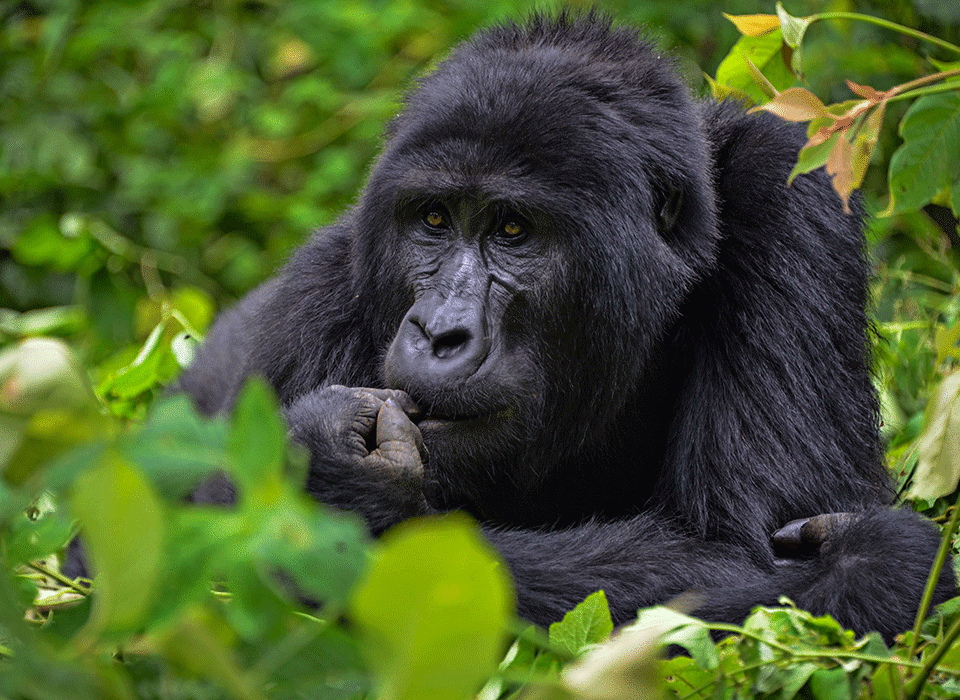
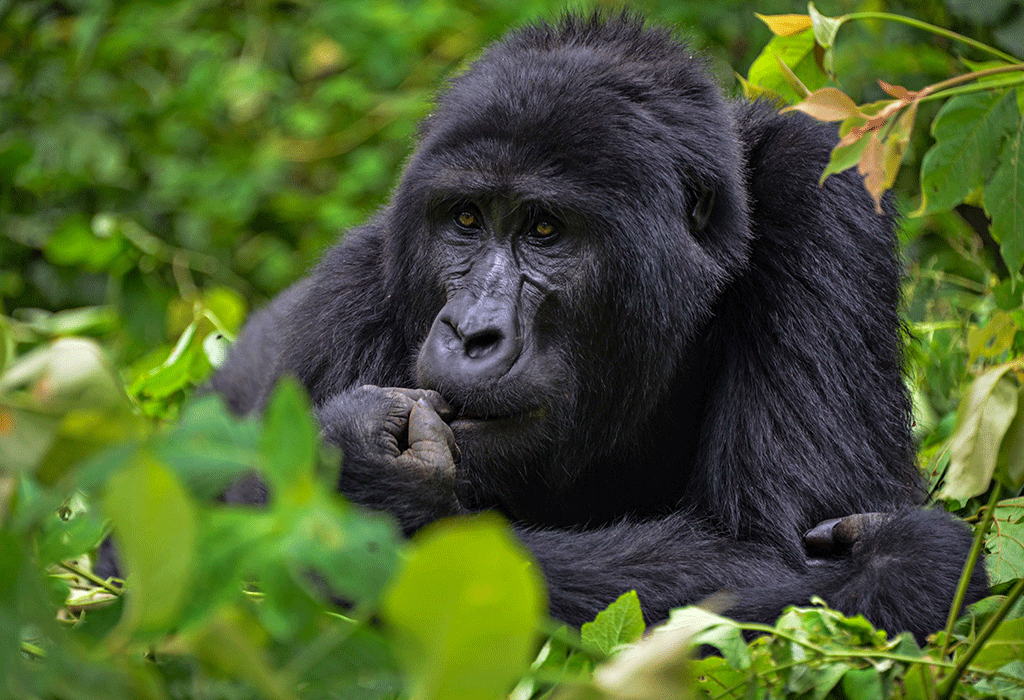
Mountain gorilla trekking is the main attraction for many visitors planning a Uganda primate safari. Uganda protects mountain gorillas in Bwindi Impenetrable National Park and Mgahinga Gorilla National Park in the southwestern part of the country.
Mountain gorillas live in social family groups, usually led by a dominant silverback. A family can include adult females, younger males, juveniles and infants, creating fascinating opportunities to observe social behavior.
On the morning of your trek, you report to the relevant park headquarters for a briefing. Rangers explain the trekking procedures, safety measures and rules for approaching the gorillas. Afterward, trekkers are assigned to groups and guided into the forest in search of a habituated gorilla family.
The trek may take a relatively short time or several hours, depending on where the gorillas have moved. Once the family is located, visitors following the standard trekking experience normally spend a regulated period observing them.
The minimum age for standard gorilla trekking in Uganda is generally 15 years.
Bwindi Impenetrable National Park
Bwindi Impenetrable National Park is Uganda’s principal mountain gorilla trekking destination and an important rainforest conservation area. Its rugged landscape consists of steep ridges, deep valleys and dense vegetation, creating a challenging but rewarding environment for trekking.
The park has four main gorilla trekking sectors: Buhoma, Ruhija, Rushaga and Nkuringo. Although the basic trekking experience remains similar, each sector has its own terrain, accommodation choices and access routes.
Buhoma
Buhoma lies in northern Bwindi and is one of the park’s most established trekking areas. The sector has a wide range of accommodation and can fit well into itineraries that also include the Ishasha sector of Queen Elizabeth National Park.
Ruhija
Ruhija is situated in eastern Bwindi at a relatively high elevation. The area is known for its mountain scenery, forest environment and excellent birdwatching opportunities. It can be convenient for travelers approaching from Kabale or continuing toward other destinations in southwestern Uganda.
Rushaga
Rushaga lies in southern Bwindi and offers several gorilla trekking opportunities. The sector is also closely associated with the Gorilla Habituation Experience. Its location can make it practical for itineraries connecting with Kisoro or Rwanda.
Nkuringo
Nkuringo occupies the southwestern part of Bwindi and is surrounded by spectacular highland scenery. However, the terrain can be steep, so travelers staying here should prepare for demanding hikes.
When choosing accommodation, always match your lodge to the gorilla trekking sector indicated on your permit. Some sectors are separated by mountainous roads, and driving between them can take several hours.
Gorilla Habituation Experience
If you want to spend more time observing mountain gorillas, the Gorilla Habituation Experience provides a different type of forest adventure.
During habituation, visitors accompany researchers and trackers as they follow a gorilla group that is gradually becoming accustomed to human presence. The experience provides more time to observe feeding, movement, social interactions and other natural behaviors.
It particularly appeals to wildlife enthusiasts, photographers and travelers who want a deeper understanding of gorilla behavior. A separate habituation permit is required, and participation is limited, so early planning is important.
Mgahinga Gorilla National Park
Mgahinga Gorilla National Park provides another opportunity to see mountain gorillas in Uganda. The park forms part of the larger Virunga ecosystem shared by Uganda, Rwanda and the Democratic Republic of Congo.
Its dramatic scenery is dominated by three volcanic mountains: Mount Muhabura, Mount Gahinga and Mount Sabyinyo. Compared with Bwindi, Mgahinga is much smaller, but its volcanic landscape creates a distinctly different trekking setting.
The park is also Uganda’s principal destination for golden monkey trekking. Therefore, travelers can combine gorilla trekking and golden monkey tracking within the same destination. Hiking opportunities on the surrounding volcanic mountains can further enrich the experience.
Chimpanzee Tracking in Kibale National Park
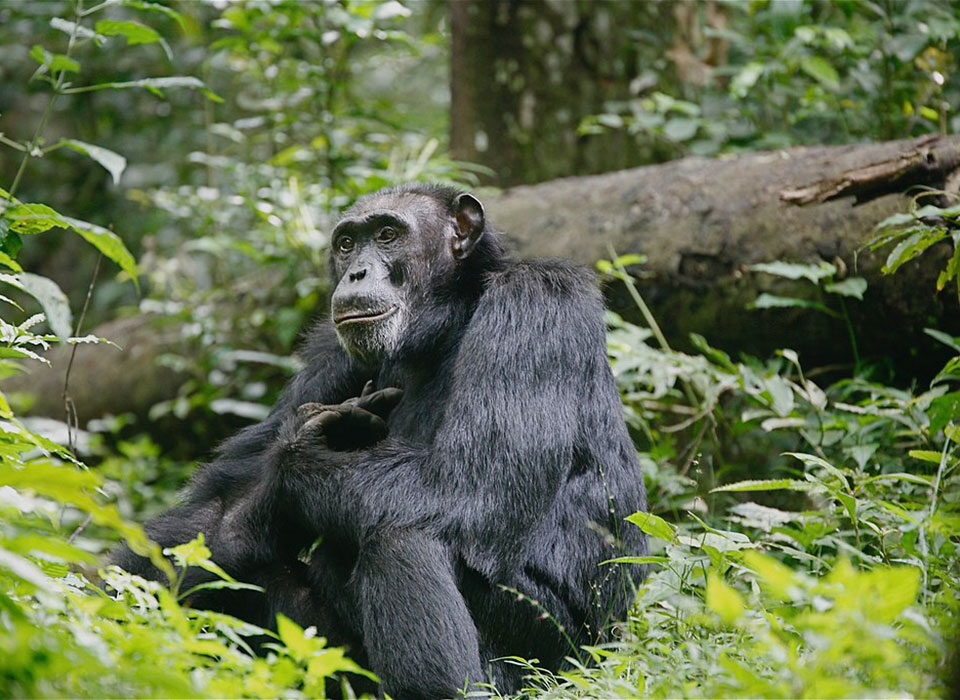
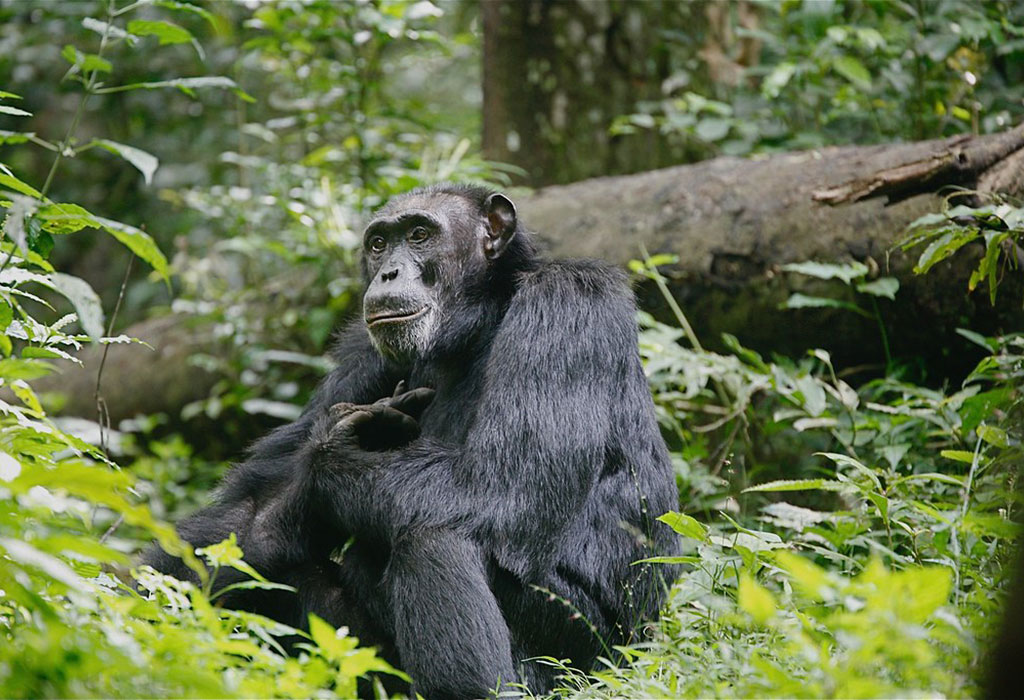
Chimpanzee tracking offers a very different experience from gorilla trekking. Chimpanzees are highly active and can move quickly between the forest floor and the canopy. Their loud calls often provide the first indication that a community is nearby.
Kibale National Park is Uganda’s best-known destination for chimpanzee tracking and is also famous for its remarkable diversity of primates.
Before entering the forest, visitors receive a briefing from their guides. The tracking team then follows signs of chimpanzee movement and listens for calls as it moves through the forest.
Once the chimpanzees are located, you may watch them feed, groom one another, rest, climb trees and interact socially. Their energetic behavior makes chimpanzee tracking particularly engaging for photographers and wildlife enthusiasts.
Chimpanzee Habituation Experience
For visitors who want to spend more time studying chimpanzees, the Chimpanzee Habituation Experience provides a longer forest encounter.
Instead of following chimpanzees for the shorter period associated with standard tracking, participants spend extended time observing their daily activities. You may watch feeding, grooming, communication, movement and social interactions as the day progresses.
Because of the additional time in the forest, the experience can be especially appealing to photographers, researchers and travelers with a strong interest in primate behavior.
Other Chimpanzee Tracking Locations in Uganda
Although Kibale is the country’s best-known chimpanzee destination, it is not the only place where visitors can track these fascinating primates.
Kyambura Gorge lies within the Queen Elizabeth National Park ecosystem. Its forested gorge creates a striking contrast with the surrounding savannah and provides an opportunity to combine chimpanzee tracking with a traditional wildlife safari.
Kalinzu Forest is another option, particularly for travelers already exploring the Queen Elizabeth National Park area.
Further north, Budongo Forest forms part of the wider Murchison Falls Conservation Area. Chimpanzee tracking here can therefore be incorporated into a northern Uganda safari.
Your choice of forest will largely depend on your itinerary, available time and the other attractions you want to experience.
Golden Monkey Trekking in Uganda
Golden monkey trekking takes place in Mgahinga Gorilla National Park. These distinctive primates are recognized by their golden-orange fur, which contrasts with their darker limbs and faces.
Unlike mountain gorillas, golden monkeys are fast-moving and spend considerable time in bamboo forests. Consequently, tracking them can feel more energetic and unpredictable. Photographers need to react quickly when the monkeys move through the vegetation or leap between branches.
Combining golden monkey trekking with gorilla trekking creates two very different primate encounters within the same volcanic landscape.
Other Primates You May See in Uganda
Uganda’s primate diversity extends far beyond gorillas, chimpanzees and golden monkeys. Depending on where you travel, you may encounter black-and-white colobus monkeys, red-tailed monkeys, blue monkeys, L’Hoest’s monkeys, grey-cheeked mangabeys, vervet monkeys and olive baboons.
Some forest destinations also offer nocturnal walks where visitors can search for bush babies and pottos.
Kibale is particularly rewarding for travelers who want to see a wide range of primate species during one journey. The forest’s remarkable diversity makes it an important part of Uganda’s primate tourism experience.
Gorilla and Chimpanzee Permits
Permits are an important part of planning a Uganda primate safari. For 2026, a standard gorilla trekking permit for a foreign non-resident costs USD 800. The Gorilla Habituation Experience costs USD 1,500 for a foreign non-resident from July 1, 000.
In Kibale National Park, standard chimpanzee tracking for a foreign non-resident costs USD 250 in 2026, while chimpanzee habituation costs USD 300.
Because Uganda Wildlife Authority tariffs and regulations can change, travelers should confirm the applicable rates and conditions for their specific travel dates.
Permits are limited, particularly during popular travel periods. Therefore, checking availability early should be one of the first steps when organizing your safari.
Best Time for a Uganda Primate Safari
Uganda’s primate destinations can be visited throughout the year. Nevertheless, weather conditions can influence trekking conditions and overall comfort.
The relatively drier periods from June to September and December to February are popular because forest trails are often easier to navigate. The wetter periods generally occur from March to May and October to November.
Rainfall, however, can occur at any time in Uganda’s tropical forests. Wet conditions may make trails muddy and slippery, but they also keep the forests lush and green.
Regardless of when you travel, carrying reliable rain protection is advisable.
What to Pack for Primate Trekking
Good preparation can make a significant difference during forest trekking. Start with sturdy hiking boots that provide good grip, especially because some trails can become slippery after rain.
Long trousers and long-sleeved shirts can protect your skin from vegetation and insects. A lightweight waterproof jacket is equally useful because forest weather can change quickly.
You should also carry drinking water, insect repellent, sunscreen, a small backpack and any essential personal medication. If you are carrying a camera, protect it from rain and humidity.
Hiring a porter during gorilla trekking is another practical option. A porter can assist with your backpack and provide support on difficult sections of the trail while also creating a direct source of income for people living around the park.
Combining Primates With a Wildlife Safari
One of Uganda’s greatest advantages is the ability to combine primate experiences with classic wildlife viewing.
For example, an itinerary can begin in Kibale National Park with chimpanzee tracking before continuing to Queen Elizabeth National Park. Here, you can enjoy game drives and a boat cruise along the Kazinga Channel.
From Queen Elizabeth, the journey can continue south toward Bwindi for mountain gorilla trekking.
Longer itineraries can add Murchison Falls National Park, Ziwa Rhino Sanctuary or Lake Mburo National Park. This creates a varied safari combining rainforest primates, savannah wildlife, birds, rivers and lakes.
The result is a journey that shows several different sides of Uganda rather than concentrating on one type of wildlife experience.
How Many Days Do You Need?
The number of days you need depends on how many primate experiences you want to include.
A shorter trip can focus primarily on gorilla trekking, especially when you enter southwestern Uganda through Kigali or use domestic flights to reduce driving time.
If you want to combine gorillas and chimpanzees, you will need additional time because the two destinations are separated by considerable road distances.
An itinerary of around eight to twelve days can provide enough time to combine gorillas, chimpanzees, golden monkeys and traditional wildlife experiences without making the journey excessively rushed.
Travelers with more time can extend the trip to include additional national parks, cultural experiences and mountain hikes.
Primate Conservation and Responsible Tourism
Responsible tourism is essential when visiting Uganda’s primate habitats. Mountain gorillas and chimpanzees are protected wildlife, and every visitor has a role to play in keeping these encounters safe for both people and animals.
Always follow the instructions given by rangers and guides. Maintain the required distance from primates, avoid physical contact and follow health-related regulations designed to reduce the possibility of disease transmission.
You should also avoid littering, making unnecessary noise or disturbing animals.
Beyond conservation, primate tourism contributes to local economies. It provides employment for guides, trackers, porters, drivers, lodge staff and other people working within the tourism sector.
By traveling responsibly, visitors can therefore contribute to both wildlife protection and community livelihoods.
Planning Your Uganda Primate Safari
Start by deciding which primate experiences matter most to you. Gorilla trekking is the main priority for many travelers, while others prefer to combine gorillas with chimpanzees, golden monkeys and traditional wildlife viewing.
Once you know what you want to see, check permit availability before committing to accommodation and transportation. This is particularly important in Bwindi, where the trekking sectors are spread across a mountainous landscape.
Your accommodation should correspond with the sector shown on your gorilla permit. Choosing a lodge close to your trekking starting point can save considerable travel time on the morning of your trek.
Experiya Tour Company can assist travelers with gorilla and chimpanzee permits, accommodation, transportation, professional driver-guides and safari arrangements across Uganda. Depending on your interests, your itinerary can also include game drives, boat cruises, cultural experiences, birdwatching and mountain hiking.
Final Thoughts
A Uganda primate safari takes you beyond conventional game drives and into the forests where some of the country’s most fascinating wildlife lives.
You might find yourself watching a silverback in the misty forests of Bwindi, following chimpanzee calls through Kibale or tracking golden monkeys among the bamboo slopes of Mgahinga. Each experience has its own character, and together they reveal the remarkable diversity of Uganda’s wildlife.
Whether you plan a dedicated primate adventure or want to combine gorillas and chimpanzees with a broader Uganda safari, thoughtful planning will make the journey smoother. Secure your permits early, choose accommodation close to your trekking sector and allow enough time to enjoy each destination without rushing.
With the right itinerary, a Uganda primate safari can bring together mountain gorillas, chimpanzees, golden monkeys, other forest primates, spectacular landscapes and classic African wildlife in one rewarding journey.