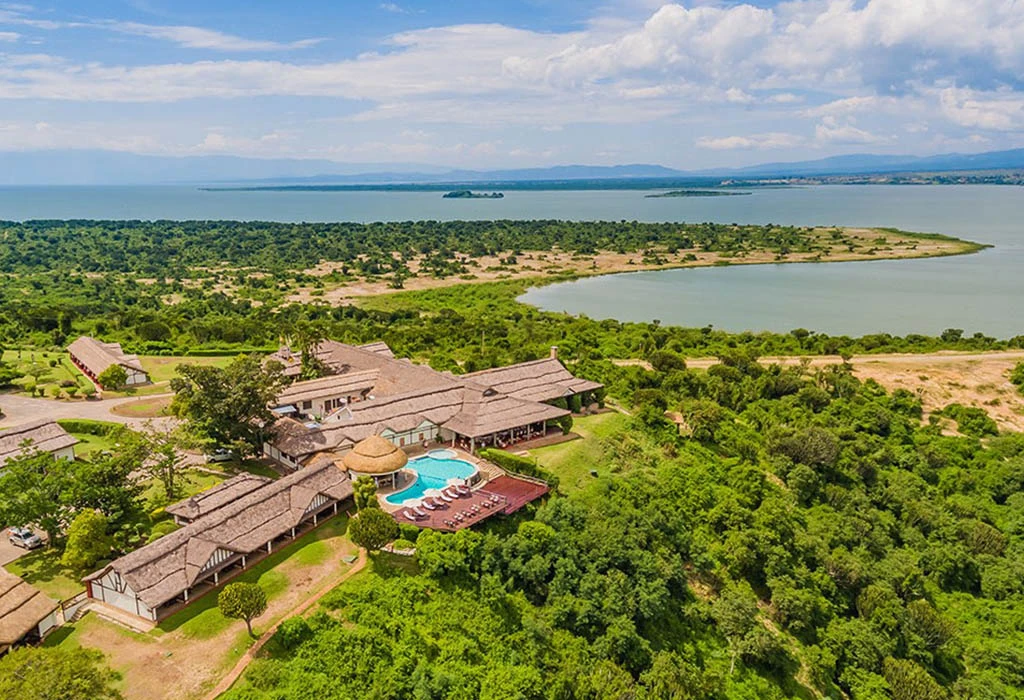
Mweya Peninsula: The Scenic Heart of Queen Elizabeth National Park
May 27, 2026
10 Days Uganda and Rwanda Safari
May 27, 2026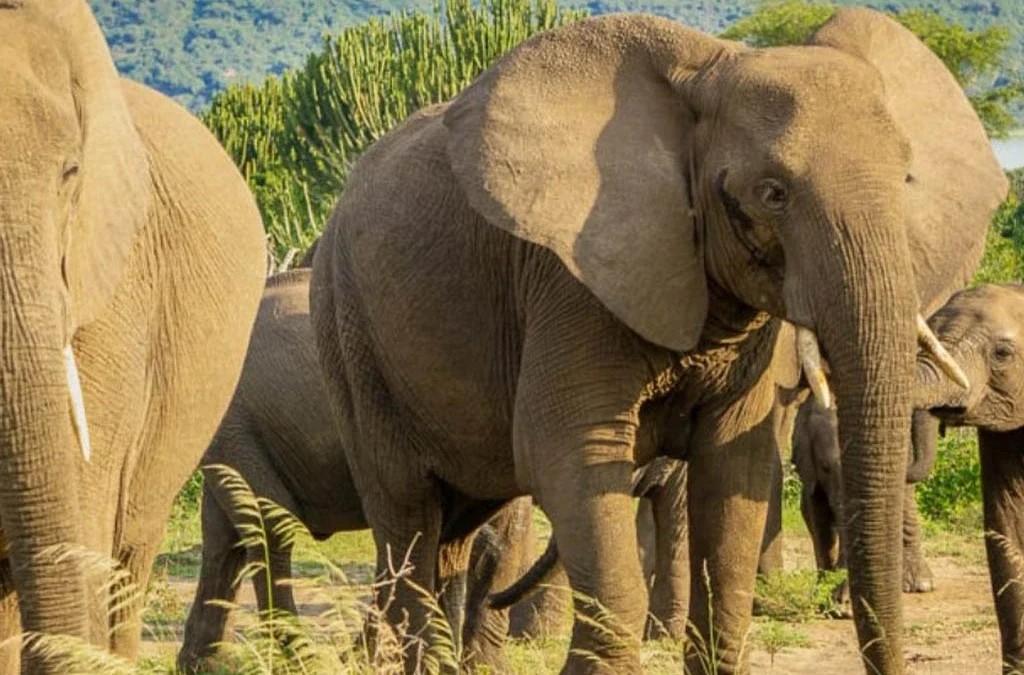
Elephant herds in Queen Elizabeth National Park represent one of the most fascinating wildlife spectacles in Uganda. These powerful yet highly intelligent animals move gracefully across the park’s diverse landscapes, shaping the ecosystem wherever they travel. From the open savannah plains and acacia woodlands to wetlands and crater lakes, African savannah elephants play a critical role in maintaining the ecological balance of this famous protected area.
For travelers exploring western Uganda with Experiya Tour Company, watching elephant herds in their natural environment offers far more than a simple wildlife encounter. It provides a deeper understanding of animal behavior, family bonds, survival strategies, and the interconnectedness of nature within Queen Elizabeth National Park.
The Social Structure of Elephant Herds
At the heart of every elephant herd stands the matriarch, the oldest and most experienced female in the group. She leads the herd with remarkable intelligence and memory, guiding family members through the vast landscapes of the park in search of food, water, and safety.
Most herds consist of related females and their calves, while mature males often live independently or form loose bachelor groups. The matriarch’s experience becomes especially valuable during dry seasons when water and vegetation become scarce. She remembers ancient migration routes, reliable water sources, and safe feeding grounds, helping the herd survive difficult environmental conditions.
In Queen Elizabeth National Park, elephant herds frequently move toward areas such as the Kazinga Channel, where water remains available throughout much of the year. The matriarch carefully directs the herd through these routes, ensuring younger and weaker members stay protected.
Unlike many wildlife species, elephants maintain incredibly strong family bonds. They show affection, grief, cooperation, and protection toward one another. These emotional connections make observing elephant herds both moving and unforgettable for visitors on safari.
Herd Size and Seasonal Movement
The size of elephant herds in Queen Elizabeth National Park changes throughout the year depending on food availability, rainfall, and migration patterns. Some groups contain only a few individuals, while others grow to more than twenty elephants.
During periods of abundant food and water, several herds may temporarily join together to create larger social groups. However, when resources become limited, they often separate into smaller family units to reduce competition. This flexibility demonstrates the elephants’ remarkable adaptability and social intelligence.
Seasonal movement strongly influences elephant distribution within the park. During the wet season, fresh vegetation spreads across wide areas, allowing herds to disperse into different habitats. In contrast, the dry season forces many elephants to gather around permanent water sources such as the Kazinga Channel and nearby wetlands.
As a result, safari travelers often enjoy exceptional elephant sightings during dry months because large concentrations of wildlife gather in predictable locations. These seasonal movements also affect other species that depend on the same habitats and resources.
Communication Within the Herd
Elephants communicate in surprisingly sophisticated ways. They rely on vocal sounds, body language, touch, and low-frequency vibrations to stay connected with one another across long distances.
One of the most remarkable aspects of elephant communication involves infrasonic rumbles. These deep sounds travel several kilometers and allow separate herds to exchange information even when they cannot see each other. Through these calls, elephants coordinate movements, warn of danger, and maintain social connections.
Physical contact also strengthens relationships within the herd. Elephants frequently touch trunks, rub against one another, and remain close together while walking. These gentle interactions reinforce trust and emotional bonds among family members.
Visitors on game drives with Experiya Tour Company often notice how attentive elephants remain toward each other. Adults constantly monitor calves, while herd members respond quickly when danger approaches. This level of cooperation highlights the intelligence and emotional depth of these extraordinary animals.
The Care and Protection of Calves
Young elephants receive exceptional care within the herd. Although mothers play the primary role in raising calves, other females known as allomothers actively help protect and supervise the young.
This cooperative care system improves calf survival rates and strengthens social unity within the group. Younger females gain valuable parenting experience by assisting with calf care long before they have offspring of their own.
Calves spend much of their early lives learning through observation and imitation. They watch older elephants closely to understand feeding behavior, communication, migration routes, and social interaction. At the same time, playful behavior among calves helps develop physical coordination and social skills.
Watching elephant calves interact during a safari often becomes one of the most memorable experiences in Queen Elizabeth National Park. Their curiosity, energy, and close relationship with the herd create emotional wildlife moments that visitors rarely forget.
Feeding Habits and Ecological Importance
Elephants consume enormous amounts of food every day to support their massive bodies. In Queen Elizabeth National Park, they feed on grasses, leaves, bark, fruits, roots, and branches gathered from different habitats across the ecosystem.
However, elephants do much more than simply eat vegetation. Their feeding behavior directly shapes the environment around them. By uprooting trees, breaking branches, and clearing dense vegetation, elephants create open spaces that encourage grass growth.
These grasslands then support other herbivores such as buffalo, Uganda kob, and antelope species. Because of this influence, scientists often describe elephants as ecosystem engineers. Their activities help maintain biodiversity and create habitats for countless other animals.
Although tree destruction may sometimes appear harmful, it forms part of a natural ecological process that has shaped African savannah ecosystems for thousands of years. Without elephants, many habitats within Queen Elizabeth National Park would gradually change in ways that could negatively affect other wildlife species.
Elephant Sightings Along the Kazinga Channel
The Kazinga Channel remains one of the best places in Uganda to observe elephant herds in the wild. This natural waterway connects Lake George and Lake Edward and attracts wildlife throughout the year.
Elephants regularly visit the channel to drink, cool themselves, bathe, and socialize. During hot afternoons, visitors often see entire herds standing along the shoreline, spraying water over their bodies or crossing shallow sections of the channel.
Boat safaris along the Kazinga Channel provide exceptional opportunities for close wildlife viewing and photography. Unlike game drives, boat cruises allow travelers to observe elephants from a unique perspective while also enjoying sightings of hippos, crocodiles, buffalo, and numerous bird species.
Experiya Tour Company frequently recommends Kazinga Channel cruises because they offer some of the most reliable and rewarding elephant encounters in Queen Elizabeth National Park.
Conservation Challenges Facing Elephants
Despite their size and strength, elephants in Queen Elizabeth National Park face several ongoing conservation challenges. Human-wildlife conflict remains one of the most significant concerns, especially in communities surrounding the park.
As elephant populations grow and habitats become increasingly pressured, some herds leave protected areas in search of food. Unfortunately, this movement can lead to crop destruction, causing tension between wildlife and local farmers.
To reduce conflict, conservation organizations and the Uganda Wildlife Authority continue implementing protective measures such as electric fencing, community education programs, and wildlife monitoring initiatives. These efforts encourage peaceful coexistence between local communities and elephants.
Poaching also remains a concern, although conservation efforts have significantly reduced illegal hunting compared to previous decades. Historically, ivory poaching caused devastating elephant population declines across Africa. Today, stronger law enforcement and international conservation partnerships help protect elephant populations within Queen Elizabeth National Park.
Tourism contributes greatly to these conservation efforts. Revenue generated from safaris supports habitat protection, ranger patrols, community development projects, and wildlife research. Responsible tourism therefore plays a direct role in securing the future of elephants in Uganda.
Experiencing Elephants on Safari
Few safari experiences compare to watching a herd of elephants move silently across the African savannah at sunrise. Whether encountered during a game drive, boat safari, or guided nature excursion, elephants create unforgettable memories for travelers visiting Queen Elizabeth National Park.
Their intelligence, emotional behavior, and ecological importance make them one of the park’s most iconic species. Visitors often leave with a deeper appreciation for wildlife conservation and the delicate balance that sustains African ecosystems.
Experiya Tour Company offers carefully guided Uganda safaris that allow travelers to experience these magnificent animals responsibly while supporting ongoing conservation efforts.
Conclusion
Elephant herds in Queen Elizabeth National Park form an essential part of the park’s ecological identity and wildlife experience. Their complex social structures, remarkable intelligence, and environmental influence make them one of the most important species in Uganda’s savannah ecosystems.
From nurturing calves and communicating across long distances to shaping landscapes through feeding behavior, elephants demonstrate the incredible adaptability of nature. At the same time, their survival depends heavily on continued conservation efforts, responsible tourism, and community cooperation.
For anyone planning a Uganda safari, encountering elephant herds in Queen Elizabeth National Park offers an inspiring glimpse into the beauty, power, and interconnectedness of the natural world.