Nightlife and Bar Life in Kampala—The City That Never Sleeps
September 3, 2025
A Premier Safari Destination in Serengeti National Park
September 3, 2025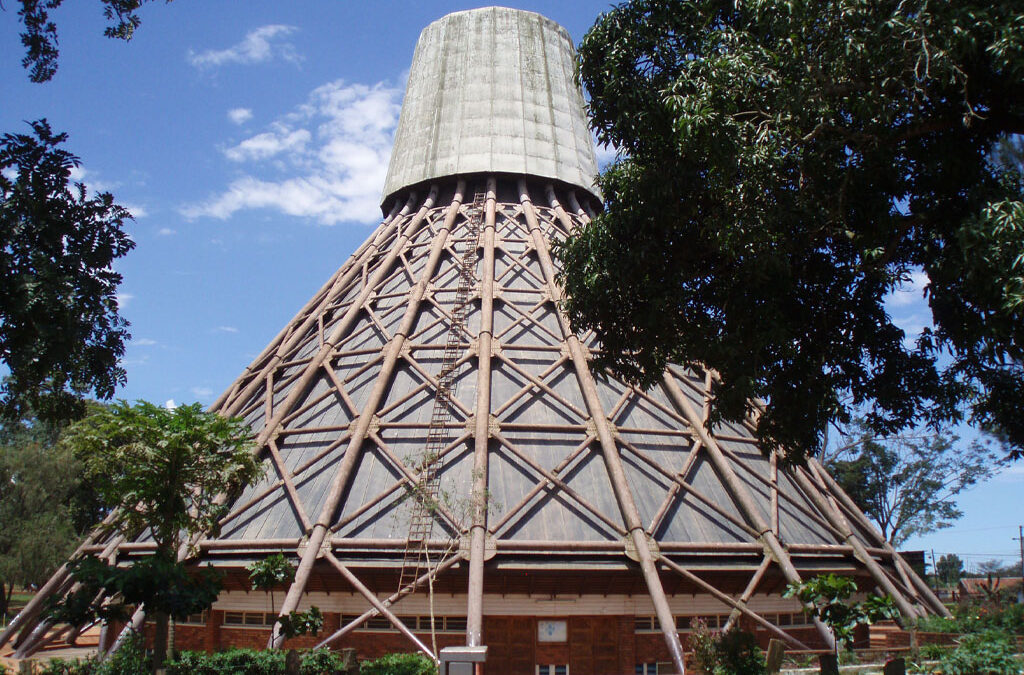
The Uganda Martyrs Shrine in Namugongo stands as one of the most significant religious landmarks in Uganda, revered for both its historical depth and spiritual importance. This sacred site commemorates the Uganda Martyrs, a group of Christian converts who gave their lives for their faith under Kabaka Mwanga II of Buganda in the late 19th century. Today, the shrine attracts millions of visitors annually, serving not only as a place of pilgrimage but also as a symbol of resilience and devotion.
Location of Uganda Martyrs Shrine in Namugongo
The Namugongo Shrine lies about 15 kilometers northeast of Kampala. Because of its strategic location, visitors can easily access it by car or public transport.
The History of the Uganda Martyrs
In the late 1800s, the spread of Christianity through Buganda created friction with the kingdom’s traditional customs and political authority. Many new converts, guided by their faith, refused to obey commands that contradicted Christian teachings. Kabaka Mwanga II, fearing the growing influence of Christianity and perceiving it as a threat to his power, ordered the execution of 45 men who had embraced the faith.
Between 1885 and 1887, these men 22 Catholics and 23 Anglicans suffered horrific deaths. On June 3, 1886, Saint Charles Lwanga and a group of Catholic martyrs were burned alive at Namugongo. Today, June 3 is observed as Uganda Martyrs’ Day, honoring their sacrifice and unwavering commitment to their beliefs.
The Catholic Martyrs Shrine in Namugongo
Standing at the very site of execution, the Catholic Shrine has become an iconic structure that resembles a traditional African hut. This unique architectural style symbolizes unity and inclusiveness, welcoming pilgrims from every corner of the world.
Key Features of the Catholic Shrine
- Main Basilica
The central dome rises with breathtaking beauty, symbolizing the spiritual bridge between earth and heaven. Inside, the serene atmosphere invites visitors to pray and reflect. - Martyrs’ Relics
The shrine preserves relics associated with Saint Charles Lwanga and other martyrs. These sacred items provide a tangible link to history and inspire deep reverence. - Memorial Gardens
Lush gardens surround the shrine, offering pilgrims a peaceful space for meditation and quiet contemplation.
The Anglican Martyrs Shrine
Located near the Catholic shrine, the Anglican Shrine honors the Anglican martyrs who also laid down their lives during the same period. Though more modest in size, the shrine holds equal significance, serving as a lasting reminder of the shared Christian heritage in Uganda.
Features of the Anglican Shrine
- A peaceful chapel for worship and prayer.
- Memorial plaques narrating the stories of the Anglican martyrs.
- Beautifully landscaped grounds that enhance spiritual reflection.
Martyrs’ Day Celebrations
Every year on June 3, Namugongo transforms into the heart of Uganda Martyrs’ Day celebrations. Pilgrims from across Uganda, Africa, and beyond gather here, with many walking long distances as an act of devotion.
- Special Masses: Clergy from Uganda and even the Vatican lead solemn masses in honor of the martyrs’ legacy.
- Cultural Performances: Traditional music and dance enrich the celebration, blending faith with Uganda’s vibrant heritage.
- Storytelling: Pilgrims share the inspiring stories of the martyrs, ensuring that their sacrifices live on through generations.
Significance of the Uganda Martyrs Shrine
- Spiritual Significance
The shrine shines as a beacon of faith, symbolizing the triumph of spiritual courage over adversity. Pilgrims arrive to seek blessings, strengthen their faith, and honor the martyrs’ bravery. - Historical Importance
The shrine preserves a pivotal moment in Uganda’s religious history. The martyrs’ sacrifice laid a strong foundation for the growth of Christianity, influencing both spiritual and cultural life across the nation. - Tourism and Education
Beyond its religious role, the shrine also draws tourists, scholars, and students interested in Uganda’s history. Guided tours provide insights into the martyrs’ story, the shrine’s architecture, and the wider historical context.
Best Time to Visit
- June 3 (Martyrs’ Day): Experience the largest annual gathering, filled with faith and celebration.
- Weekdays: For a more peaceful visit, weekdays offer a quiet and personal atmosphere for reflection.
What to Bring to the Uganda Martyrs Shrine in Namugongo
- Modest attire to respect the sanctity of the site.
- Comfortable shoes for walking around the expansive grounds.
- A notebook or journal to capture reflections and spiritual insights.
The Uganda Martyrs Shrine in Namugongo is more than just a place of worship—it stands as a testament to unshakable faith, a cornerstone of Uganda’s history, and a sanctuary for spiritual renewal. Whether you come as a pilgrim or as a history enthusiast, the shrine offers an unforgettable experience that underscores the resilience, courage, and devotion of the human spirit.
By visiting Namugongo, you not only honor the martyrs’ legacy but also embark on a meaningful journey of faith, reflection, and discovery.