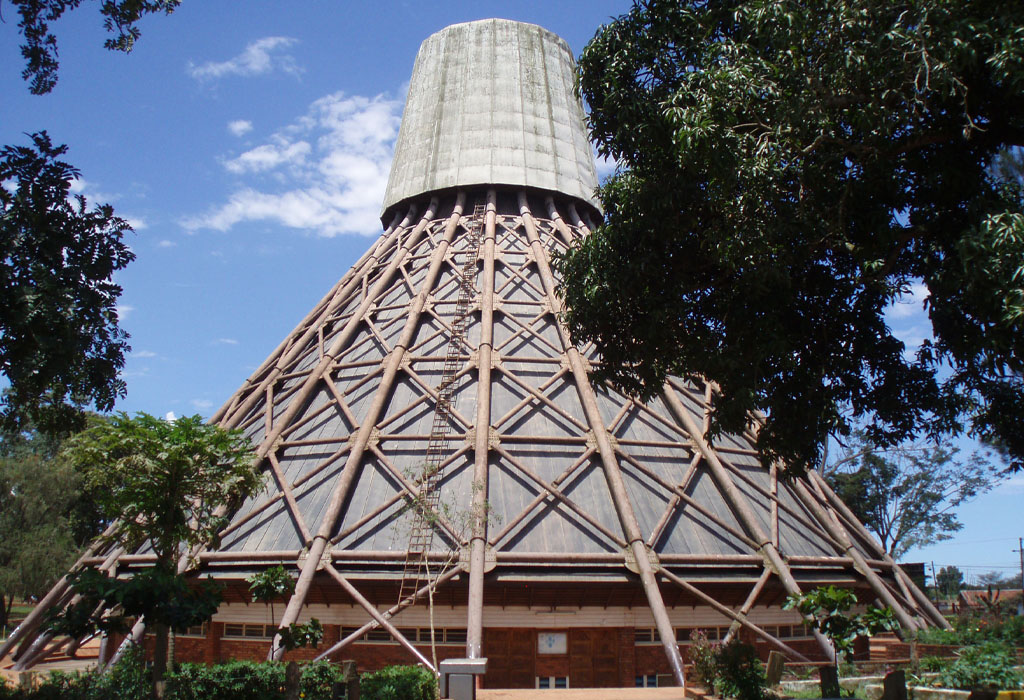
Uganda Martyrs Shrine in Namugongo: A Sacred Landmark of Faith and History
September 3, 2025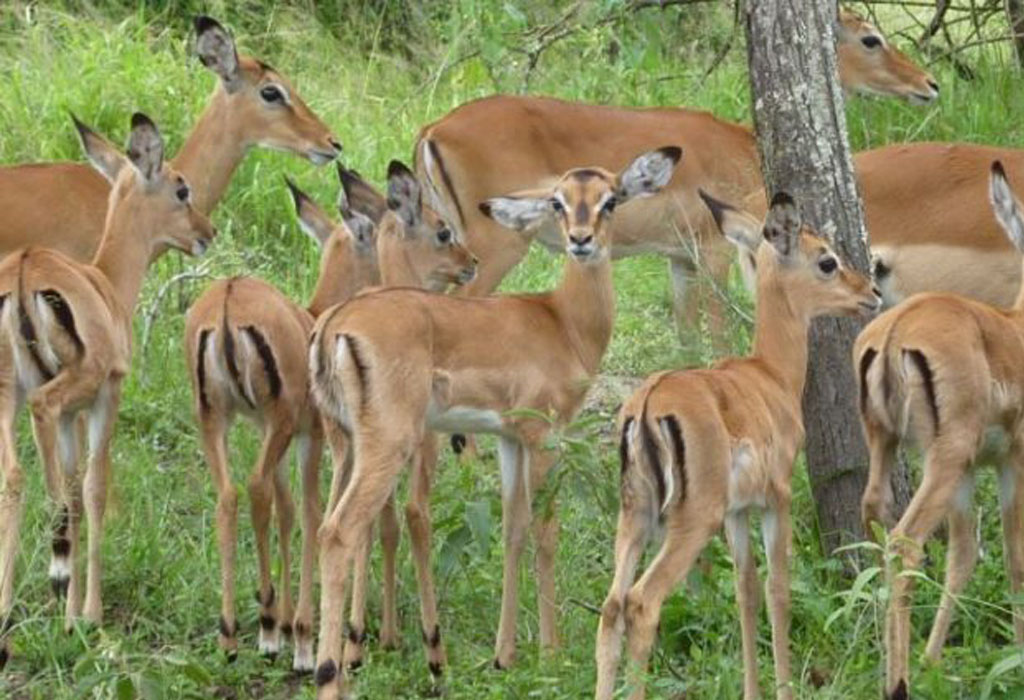
When to Visit and How to Access Akagera National Park
September 3, 2025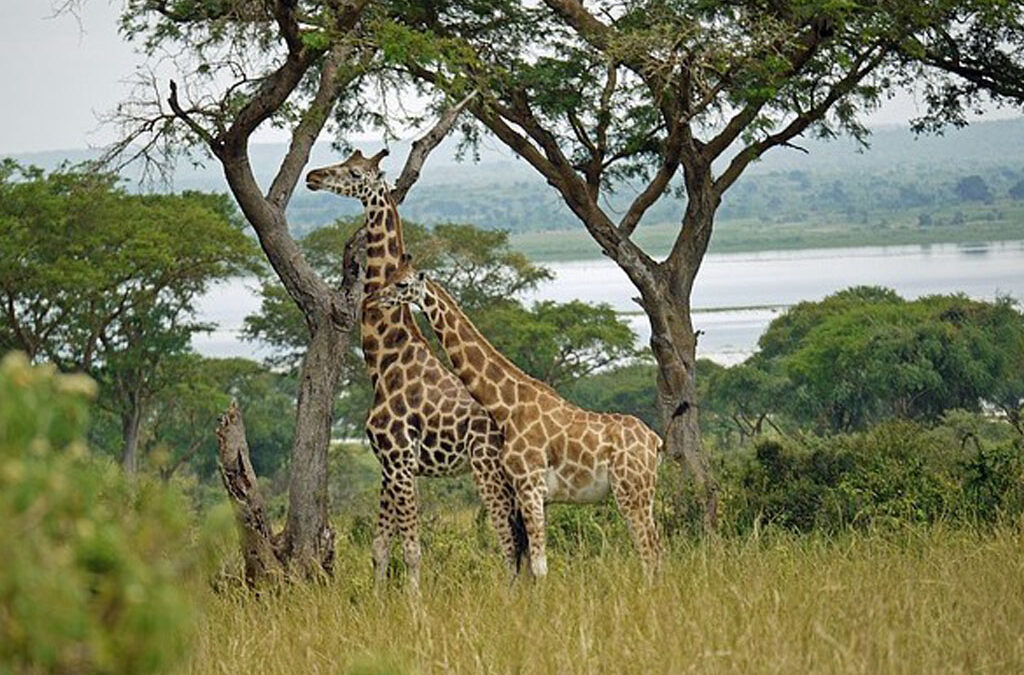
Serengeti National Park, a premier safari destination, covers over 14,763 sq. km, making it Tanzania’s largest park and one of the world’s most celebrated wildlife reserves. Its name comes from the Maasai word siringet, meaning “endless plains.” Located in northern Tanzania, the park stretches into southern Kenya, where it connects with the Maasai Mara Reserve.
Wildlife and the Annual Migration
The Serengeti is world-famous for the Great Migration, an awe-inspiring natural spectacle where millions of wildebeests, zebras, and gazelles move across the plains in search of fresh pastures. Along their route, they cross the Grumeti and Mara rivers, where massive crocodiles lie in wait. Predators such as lions, leopards, cheetahs, and hyenas follow closely, creating dramatic scenes that draw visitors from across the globe.
Home to over three million large mammals—including elephants, buffalo, giraffes, rhinos, and hippos—the Serengeti offers unmatched game-viewing opportunities. In addition, more than 500 bird species, including flamingos, ostriches, and eagles, thrive within its diverse ecosystems.
Attractions in Serengeti National Park
The Great Migration
Each year, typically between May and June, over 1.5 million wildebeests accompanied by hundreds of thousands of zebras and gazelles embark on a migration that is nothing short of extraordinary. Visitors witness vast herds, perilous river crossings, and intense predator-prey interactions—an experience that remains etched in memory.
Moru Kopjes
The granite outcrops of Moru Kopjes rise dramatically from the plains, providing shade, water, and shelter for a wide range of animals. This area is also home to the endangered black rhino. Visitors can explore ancient Maasai rock paintings and hear the sound of Gong rocks, once used as musical instruments by the Maasai people.
Seronera River Valley
Situated in central Serengeti, the Seronera Valley boasts a permanent water supply that sustains abundant wildlife year-round. Leopards, large prides of lions, elephants, and cheetahs thrive here. The picturesque riverine landscapes dotted with acacia trees create a prime game-viewing environment.
Grumeti River
The Grumeti River is a focal point of the Great Migration. Its waters are filled with giant crocodiles, presenting a deadly obstacle for migrating herds. Visitors can witness unforgettable wildlife drama as wildebeests and zebras attempt the crossing, while hippos and birdlife flourish along the riverbanks.
Retina Hippo Pool
Near the Seronera Valley, the Retina Hippo Pool offers a chance to see large pods of hippos wallowing in the water. Safe viewing points allow visitors to observe these fascinating animals up close, often alongside lurking crocodiles.
Olduvai Gorge
On the park’s southeastern edge lies Olduvai Gorge, one of the world’s most significant paleoanthropological sites. Discoveries made here by Dr. Louis Leakey and his team revealed evidence of human ancestors dating back nearly two million years. A museum and guided tours provide deep insights into human evolution.
Maasai Culture and Villages
The Maasai have lived in the Serengeti region for centuries. Visiting their villages offers a unique cultural encounter where guests can learn about traditions, participate in dances, explore local crafts, and experience daily Maasai life.
Activities to Do in Serengeti National Park
- Game Drives – Morning and evening game drives offer the best chance to spot the Big Five and other iconic animals in their natural habitat.
- Hot Air Balloon Safaris – A sunrise balloon flight provides breathtaking aerial views of the Serengeti followed by a champagne breakfast in the bush.
- Walking Safaris – Guided walking tours bring visitors closer to nature, allowing them to track animals and learn about plants and smaller creatures.
- Bird-Watching Tours – With over 500 bird species, specialized tours help enthusiasts identify resident and migratory birds.
- Cultural Tours – Visits to Maasai villages deepen understanding of local traditions and lifestyles.
- Olduvai Gorge Tours – History lovers can explore the museum and archaeological sites showcasing human ancestry.
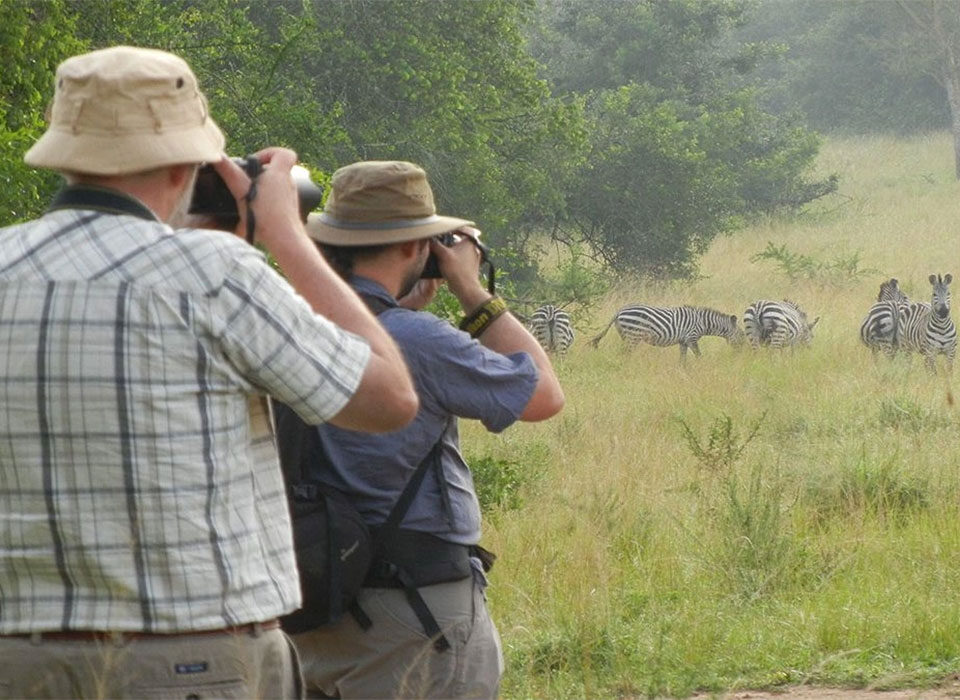
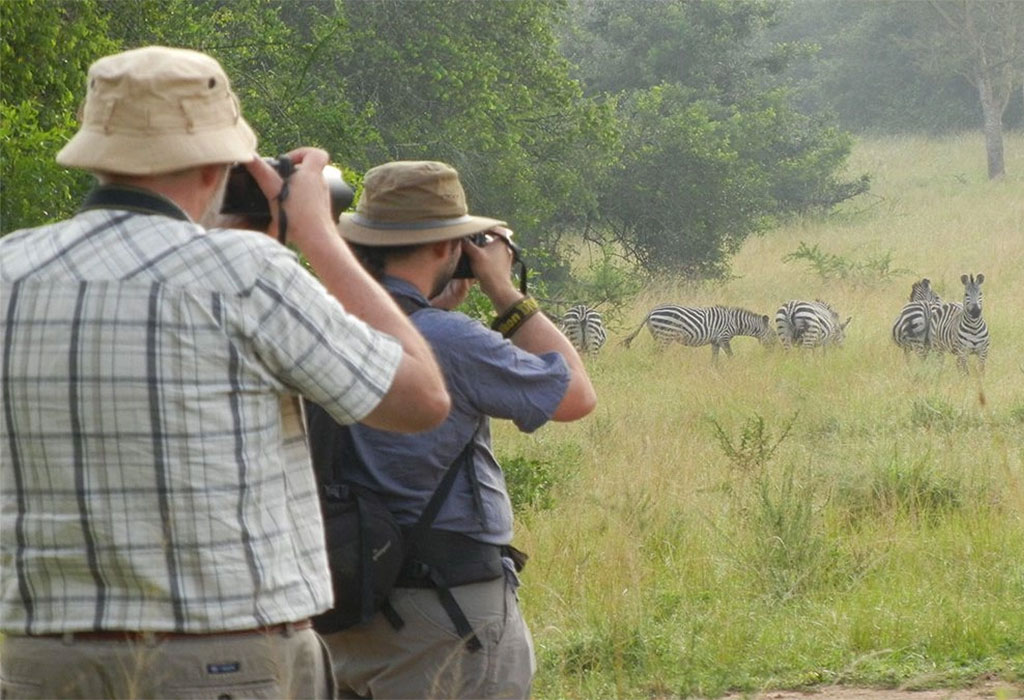
- Photography Safaris – Guided photography experiences ensure visitors capture stunning landscapes and unforgettable wildlife moments.
- Night Game Drives – Select areas allow night drives, offering the rare chance to spot nocturnal animals such as aardvarks, civets, and porcupines.
Best Time to Visit Serengeti National Park
- June to October: Witness dramatic river crossings during the Great Migration.
- December to March: Enjoy excellent game viewing, including newborn animals in the southern Serengeti.
- November to April: Ideal for birdwatchers, with lush scenery and migratory birds in abundance.
- April to May: Experience fewer crowds and lower rates during the long rains, with dramatic skies and fresh greenery.
How to Reach Serengeti National Park
By Air
Most visitors fly into Kilimanjaro International Airport (JRO), located about 29 miles from Arusha. From there, domestic flights connect directly to Serengeti airstrips such as Seronera, Lobo, or Kogatende. Alternatively, flights from Dar es Salaam and other Tanzanian cities are available.
By Road
From Arusha, the drive to Serengeti takes around eight hours and passes through scenic landscapes, including the Ngorongoro Conservation Area. A 4×4 vehicle is essential due to rough terrain, especially during the rainy season.
By Transfer
Travelers can arrange private transfers for comfort and flexibility, or opt for scheduled transfers departing from Arusha and nearby towns directly into the park.