
How Many Types of Gorillas Exist in Uganda?
January 3, 2026
Luxury Gorilla Trekking Safaris and Tours in Uganda
January 4, 2026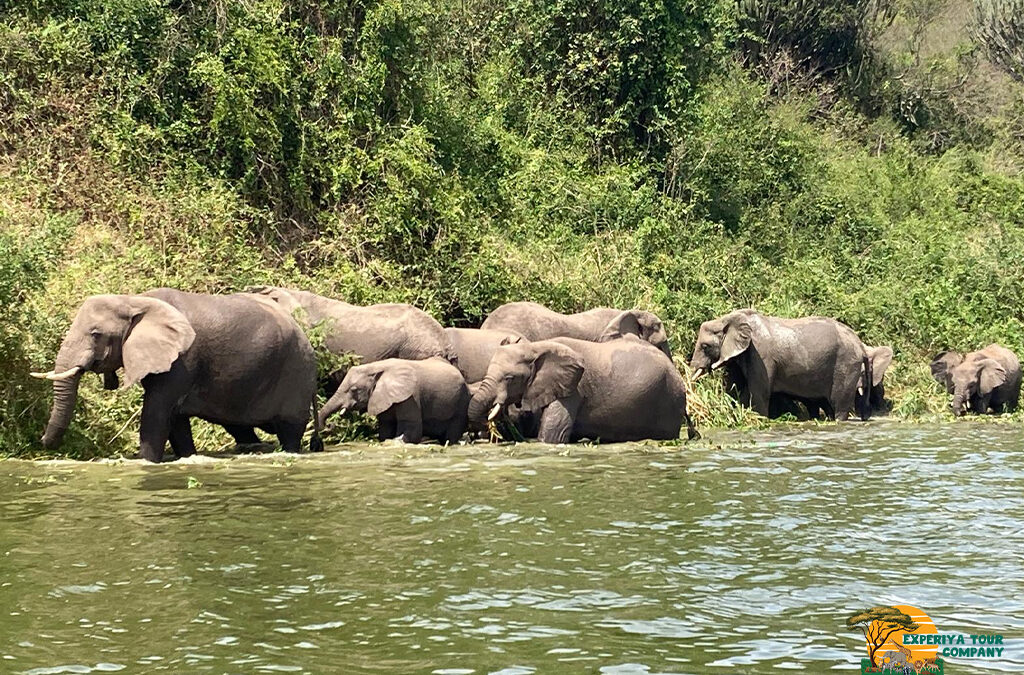
The top animals to see on a Uganda safari form an extraordinary collection of Africa’s most iconic wildlife. From legendary mountain gorillas hidden in mist-covered rainforests to powerful predators roaming open savannahs, Uganda offers wildlife experiences found nowhere else on the continent.
Straddling the equator, Uganda boasts remarkable ecological diversity. Tropical rainforests, wetlands, rivers, lakes, and savannah plains together support over 1,000 bird species and approximately 345 mammal species. This rich biodiversity firmly places Uganda among Africa’s premier safari destinations and earns it the title “The Pearl of Africa.”
Primates: Uganda’s Jungle Stars
Uganda proudly claims the title “Primate Capital of the World.” With 13 primate species more than any other country Uganda offers unmatched opportunities to observe our closest animal relatives in the wild.
Mountain Gorillas: The Ultimate Wildlife Encounter
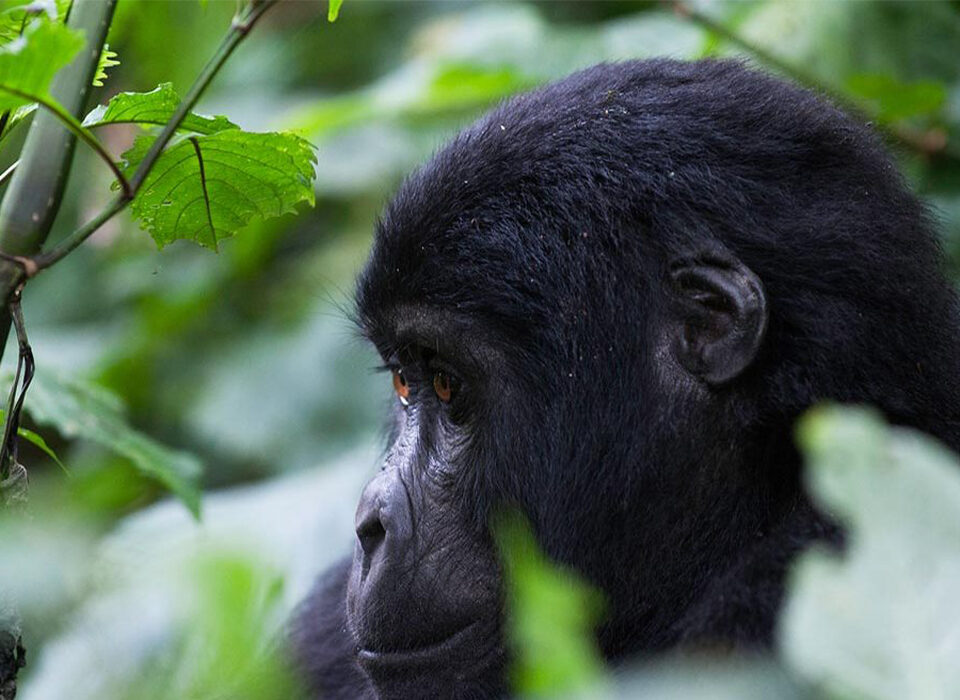
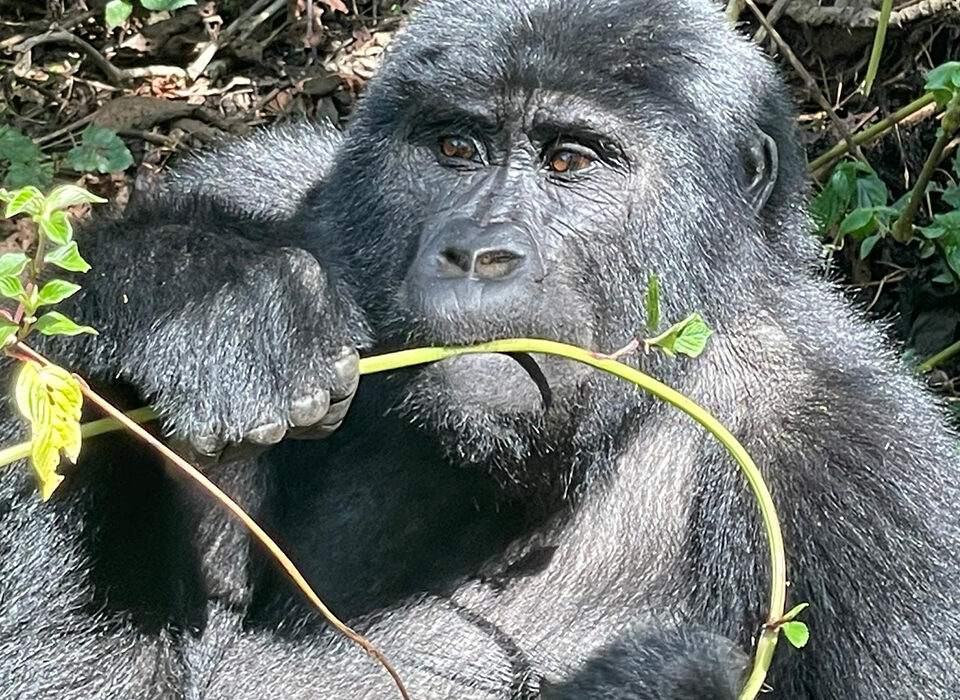
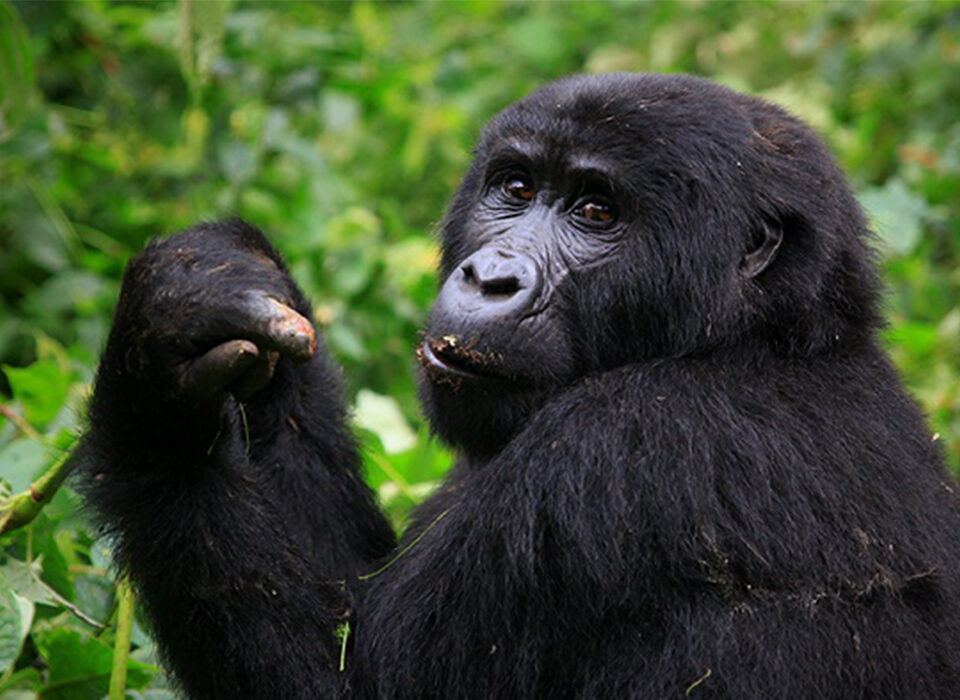
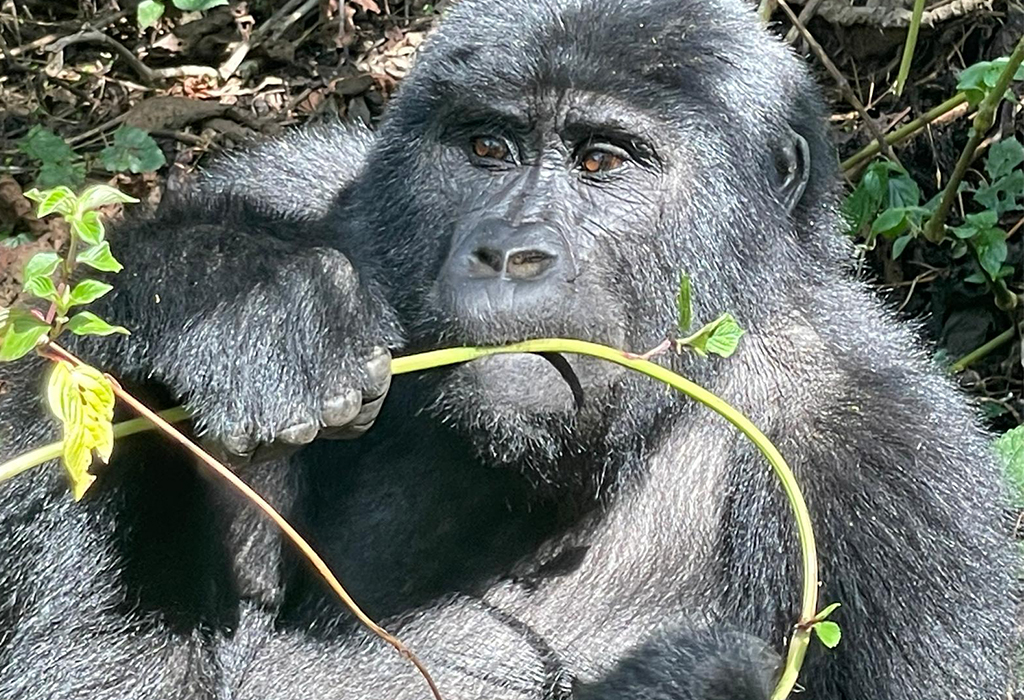
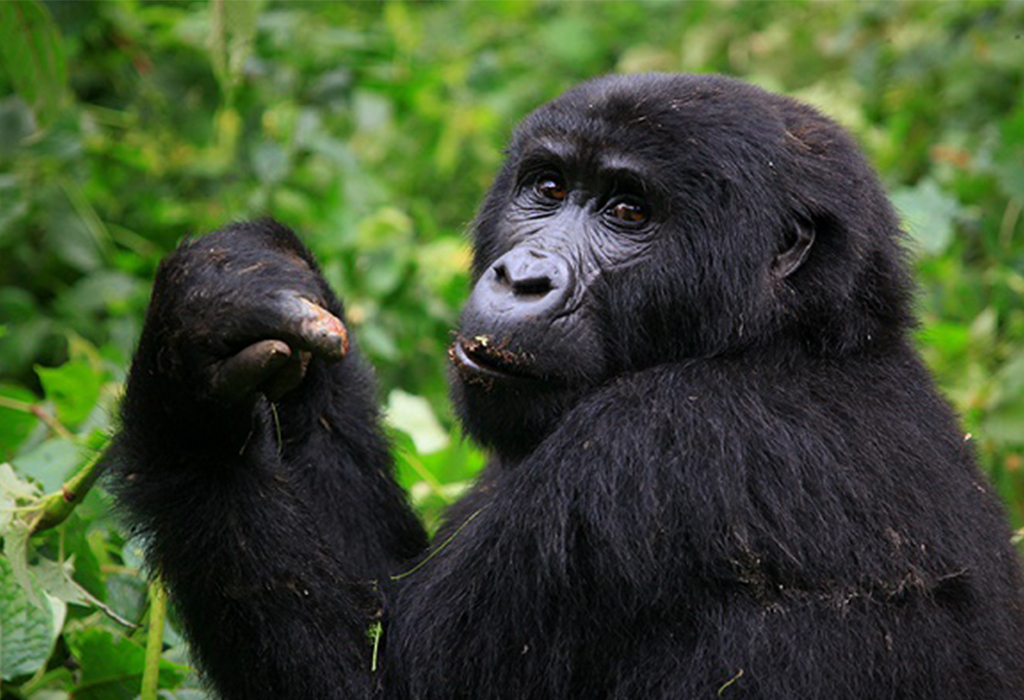
Mountain gorillas represent Uganda’s most celebrated wildlife experience and one of the most emotional encounters available anywhere on Earth. Sharing about 98% of human DNA, these gentle giants live only in the high-altitude forests of Uganda, Rwanda, and the Democratic Republic of Congo.
With fewer than 1,100 individuals remaining globally, seeing mountain gorillas in the wild is both a rare privilege and a powerful conservation success story.
Where to See Mountain Gorillas in Uganda
Uganda protects nearly half of the world’s mountain gorilla population across two parks:
Bwindi Impenetrable National Park
A UNESCO World Heritage Site, Bwindi shelters approximately 459 gorillas across four sectors: Buhoma, Ruhija, Rushaga, and Nkuringo. Each sector hosts several habituated gorilla families, with permits strictly regulated to protect these endangered primates.
Mgahinga Gorilla National Park
Though smaller, Mgahinga forms part of the larger Virunga Conservation Area. Its dramatic volcanic scenery enhances the gorilla experience. One habituated family—the Nyakagezi group resides here, occasionally crossing borders due to their transboundary range.
What to Expect During Gorilla Trekking
Gorilla trekking begins early with ranger briefings covering safety and conservation rules. Treks may last one to eight hours, depending on gorilla movements and terrain. While the hike can be demanding, the reward is unforgettable.
Standing just meters away from a massive silverback calmly feeding while juveniles play nearby creates a moment that stays with you forever. Visitors spend one strictly controlled hour with the gorillas to minimize stress and disease risk.
The Human–Gorilla Connection
Watching gorilla families interact mothers nurturing infants, juveniles playing, and silverbacks protecting their groups offers deep insight into our own social behaviors. The experience feels both humbling and profoundly moving.
Chimpanzees: Our Closest Living Relatives
Chimpanzees share approximately 98.7% of human DNA, making them our closest living relatives. Uganda protects an estimated 5,000 chimpanzees, with several communities habituated for tourism and research.
Kibale National Park
Often called the primate capital of Africa, Kibale hosts around 1,500 chimpanzees, the highest density on the continent. Thirteen primate species thrive here, creating an unmatched forest experience.
Chimpanzee tracking success rates exceed 90%, thanks to decades of habituation. Morning treks usually reveal more activity as chimpanzees forage after leaving their night nests.
Chimpanzees display complex behaviors tool use, coordinated hunting, social hierarchies, and loud pant-hoot calls that echo through the forest. Observing these behaviors offers thrilling, educational encounters.
Chimpanzee Habituation Experience
For deeper insight, the chimpanzee habituation experience allows visitors to spend an entire day with a chimpanzee community still adapting to human presence. This immersive experience reveals daily routines from dawn to dusk.
Other Chimpanzee Tracking Locations
- Queen Elizabeth National Park (Kyambura Gorge): A dramatic “underground forest” set within open savannah
- Budongo Forest: Located in the Murchison Falls Conservation Area, offering tracking amid towering mahogany trees
Golden Monkeys: Rare Mountain Treasures
Golden monkeys are among Africa’s most beautiful and endangered primates. Their striking gold-orange fur contrasts sharply with black limbs and faces, making them spectacular to watch.
In Uganda, golden monkeys live only in Mgahinga Gorilla National Park, where two habituated groups inhabit bamboo forests. These agile primates leap effortlessly between bamboo stalks, creating lively and entertaining encounters.
Golden monkey tracking usually lasts 2–4 hours, with one hour spent observing them feed, groom, and play. Their smaller size and active behavior make the experience fast-paced and highly rewarding.
Other Primates You’re Likely to See
Uganda’s forests and savannahs host many additional primate species:
- Black-and-White Colobus Monkeys: Elegant leaf-eaters with flowing white capes
- Red-Tailed Monkeys: Energetic and commonly seen across forests
- L’Hoest’s Monkeys: Shy, ground-dwelling monkeys with white bibs
- Grey-Cheeked Mangabeys: Loud, social forest monkeys
- Olive Baboons: Intelligent, adaptable troops found in savannah parks
Together, these species enrich every forest walk and game drive.
The Big Five: Classic Safari Icons
Uganda protects four of Africa’s Big Five lion, leopard, elephant, and buffalo with rhinos returning through conservation efforts.
Lions: Kings of the Savannah
Lions thrive in Uganda’s savannah parks, particularly in:
- Queen Elizabeth National Park, including the famous tree-climbing lions of Ishasha
- Murchison Falls National Park, especially the Buligi area
- Kidepo Valley National Park, where lions display natural, undisturbed behavior
Leopards: The Elusive Ghosts
Leopards roam most Ugandan parks but remain difficult to spot due to their nocturnal and solitary nature. Queen Elizabeth and Murchison Falls offer the best chances, especially during early morning or late evening drives.
African Elephants: Gentle Giants
Uganda hosts approximately 5,000 elephants, with large populations in:
- Murchison Falls National Park
- Queen Elizabeth National Park
- Kidepo Valley National Park
Watching elephant families interact—bathing, communicating, and guiding calves—provides endlessly fascinating moments.
Cape Buffalo: Powerful and Unpredictable
Massive buffalo herds dominate Uganda’s savannahs, particularly in Queen Elizabeth and Murchison Falls. Their defensive formations and interactions with predators create dramatic wildlife scenes.
Rhinos: A Conservation Comeback
Rhinos went extinct in Uganda but have returned through conservation breeding. Today, visitors can track southern white rhinos on foot in a protected sanctuary, offering close, unforgettable encounters.
Other Must-See Wildlife
Uganda Kob: The National Symbol
Seen in large numbers across savannah parks, these elegant antelopes play a vital ecological role as prey for predators.
Hippopotamus: River Giants
Boat safaris along the Kazinga Channel and Victoria Nile reveal massive hippo pods basking and vocalizing.
Nile Crocodile: Ancient Predator
Large crocodiles line riverbanks in Murchison Falls and Queen Elizabeth, showcasing raw prehistoric power.
Rothschild’s Giraffe: Towering Beauties
These endangered giraffes roam northern Uganda, particularly in Murchison Falls National Park.
Shoebill Stork: The Prehistoric Bird
Uganda ranks among Africa’s best destinations for shoebill sightings, especially in wetlands and papyrus swamps.
Conclusion
Uganda delivers one of Africa’s most diverse and rewarding safari experiences. From mountain gorillas and chimpanzees in lush rainforests to lions, elephants, and buffalo on open plains, the country offers unmatched variety within a compact travel distance.
Add rare species like shoebills and tree-climbing lions, and Uganda stands apart as a destination where conservation, adventure, and authentic wildlife encounters come together seamlessly.
Whether you seek primate tracking, classic Big Five safaris, or specialized birding, a Uganda safari promises lifelong memories rooted in nature at its most powerful and inspiring.