Discover the African Big Five: Your Ultimate Safari Adventure with Experiya Tour Company
July 30, 2026
Bigo Bya Mugenyi Historical Site
July 31, 2026
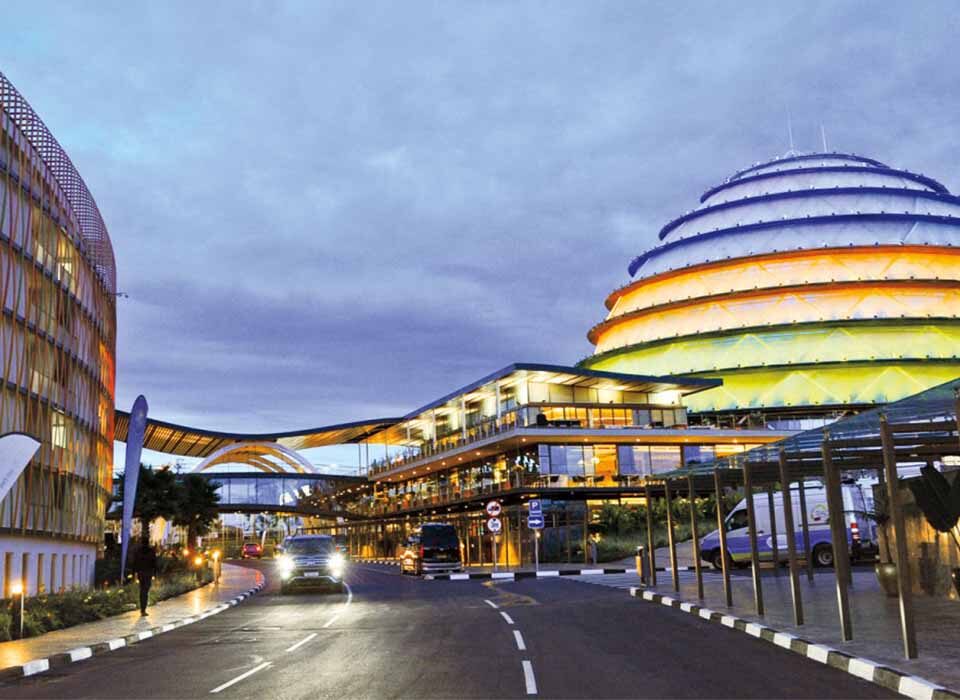
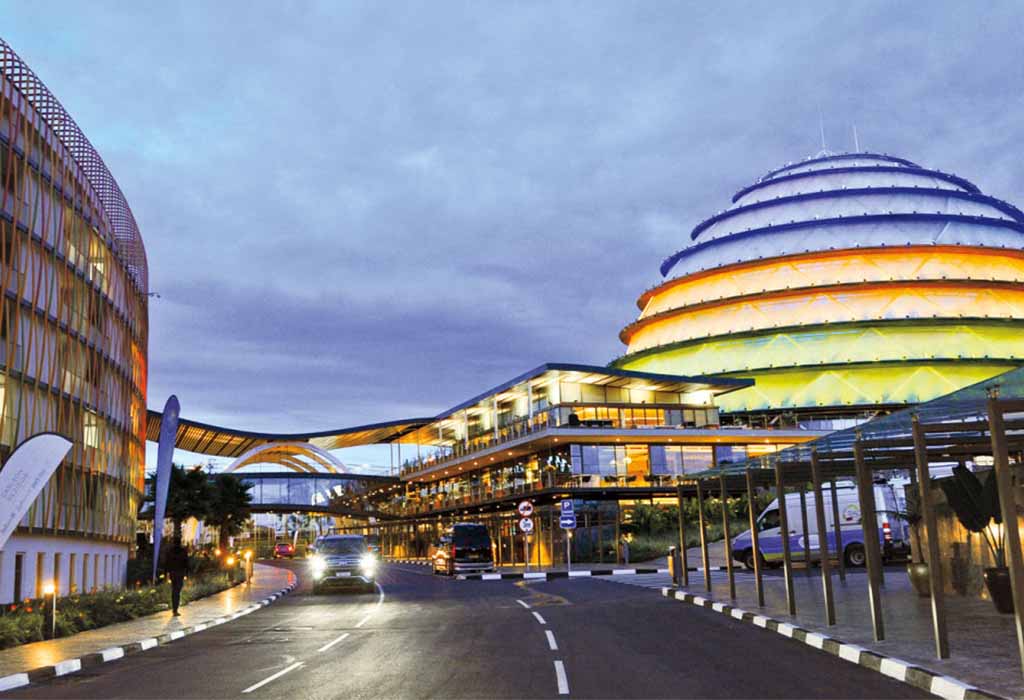
Rwanda, often called the Land of a Thousand Hills, has become one of Africa’s most remarkable travel destinations. Although it is one of the continent’s smallest countries, Rwanda offers spectacular landscapes, thriving wildlife, vibrant culture, and excellent tourism infrastructure. From the lively streets of Kigali to the misty slopes of Volcanoes National Park, every journey reveals breathtaking scenery and unforgettable experiences.
Over the years, Rwanda has established itself as a leader in conservation and sustainable tourism. Visitors come from around the world to trek endangered mountain gorillas, explore ancient rainforests, enjoy classic wildlife safaris, discover rich cultural traditions, and relax along the peaceful shores of Lake Kivu. Preparing well before your trip will help you enjoy everything this extraordinary destination has to offer.
Discover Rwanda’s Beautiful Landscape
Located in East-Central Africa, Rwanda shares borders with Uganda, Tanzania, Burundi, and the Democratic Republic of Congo. Despite covering only about 26,338 square kilometers, the country boasts remarkable geographical diversity. Rolling hills, fertile valleys, volcanic mountains, tropical forests, and sparkling lakes create some of Africa’s most stunning scenery.
Because much of Rwanda sits between 1,500 and 2,500 meters above sea level, the country enjoys a pleasant tropical highland climate throughout the year. The cooler temperatures make outdoor adventures far more comfortable than in many equatorial destinations. As you travel across the countryside, terraced hillsides, cultivated farms, and panoramic viewpoints transform every road journey into a memorable part of your safari.
Communicating During Your Visit
Traveling around Rwanda is easy because communication rarely becomes a challenge. Kinyarwanda serves as the national language, while English, French, and Kiswahili are also official languages spoken throughout the country.
Tour guides, hotel staff, drivers, and tourism professionals communicate fluently in English, especially in Kigali and major tourist destinations. Nevertheless, learning a few simple greetings in Kinyarwanda shows respect for local culture and often creates warm connections with local communities.
Entry Requirements and Visa Information
Before traveling, ensure your passport remains valid for at least six months beyond your arrival date and contains sufficient blank pages for immigration stamps.
Rwanda has simplified its visa process considerably. Many international visitors can obtain a visa upon arrival at Kigali International Airport or designated land border crossings. Travelers planning to visit Uganda and Kenya alongside Rwanda should consider applying for the East African Tourist Visa, which allows entry into all three countries using a single visa.
Although visa procedures are straightforward, always verify the latest immigration requirements before departure, as regulations may change periodically.
Currency and Payment Options
The official currency is the Rwandan Franc (RWF). However, many hotels, safari lodges, and tour operators also accept US dollars, particularly in major tourist areas.
Even so, carrying some local currency remains advisable for purchases in local markets and rural communities where electronic payments may not always be available. Kigali offers numerous ATMs, while larger towns also provide banking facilities.
Most hotels, restaurants, and shopping centers accept major debit and credit cards. However, travelers should carry backup cash during longer safaris. In addition, Rwanda generally prefers newer US dollar notes printed after 2009, as older bills may not be accepted.
Stay Healthy Throughout Your Journey
Rwanda is widely recognized as one of Africa’s cleanest and safest destinations. Nevertheless, taking basic health precautions before traveling is essential.
Depending on your country of origin, immigration officials may require proof of Yellow Fever vaccination. Health professionals also commonly recommend vaccinations against Hepatitis A, Typhoid, and Tetanus before visiting East Africa.
Although Rwanda has made remarkable progress in controlling malaria, visitors should still consult their doctors about appropriate malaria prevention. Using insect repellent, drinking bottled or filtered water, and carrying essential personal medication will further contribute to a safe and comfortable journey.
Gorilla Trekking Rules You Should Know
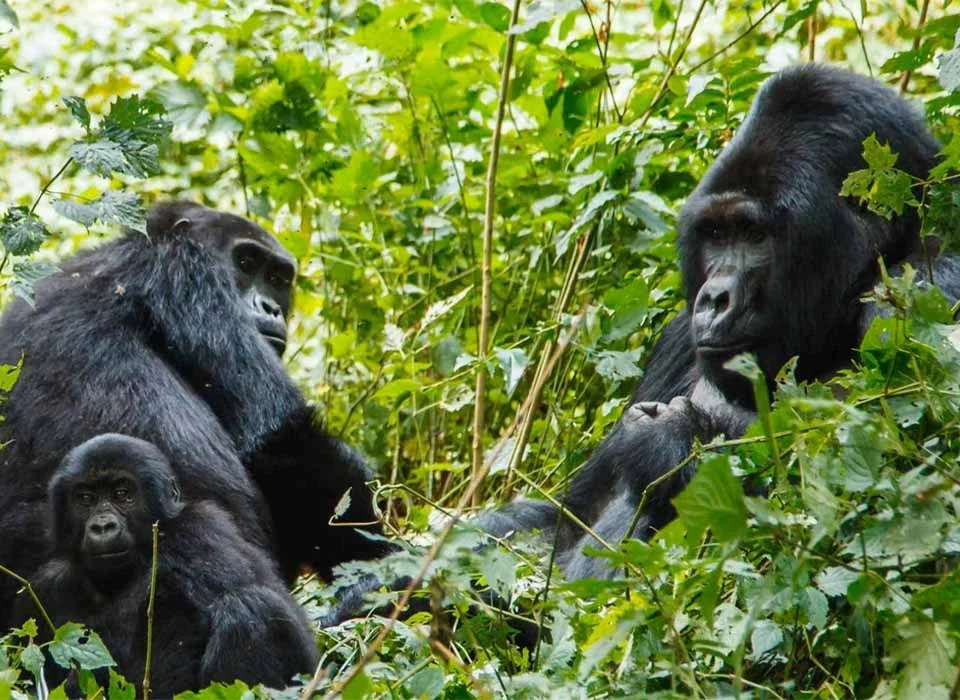
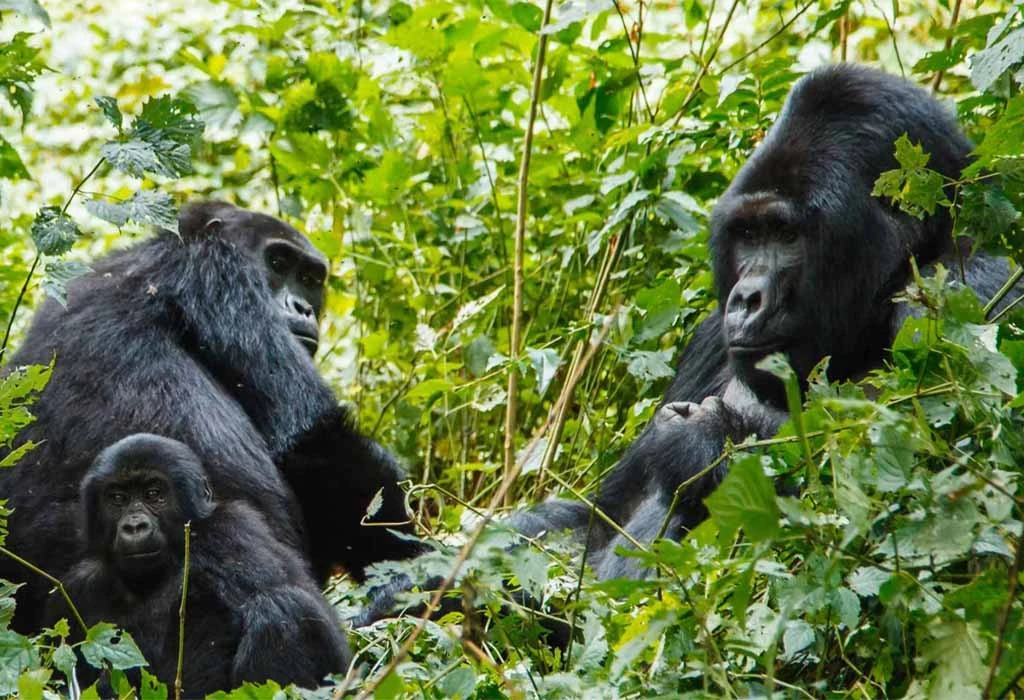
Mountain gorilla trekking remains Rwanda’s most famous wildlife experience. Inside Volcanoes National Park, visitors have the rare opportunity to observe endangered mountain gorillas in their natural habitat.
Because gorillas share much of their DNA with humans, they are extremely vulnerable to human illnesses. Consequently, Rwanda enforces strict conservation guidelines to protect these magnificent animals. Anyone experiencing flu-like symptoms should immediately inform park authorities before the trek begins.
During the experience, visitors must maintain the required viewing distance, avoid physical contact, keep noise to a minimum, and follow every instruction provided by park rangers. These measures protect both visitors and gorillas while supporting Rwanda’s successful conservation efforts.
The Best Time to Visit Rwanda
Rwanda enjoys comfortable weather throughout the year thanks to its high elevation. Average temperatures typically range between 16°C and 27°C, although mountainous regions can become significantly cooler.
The dry seasons from June to September and December to February offer the best conditions for gorilla trekking, hiking, and wildlife viewing because trails remain less slippery and visibility improves.
However, rain can fall unexpectedly, particularly in rainforest regions such as Nyungwe National Park. Therefore, visitors should always carry waterproof clothing regardless of the season. Those who travel during the rainy months often enjoy greener landscapes, outstanding birdwatching opportunities, and fewer tourists.
Pack Smart for Your Safari
Packing appropriately can greatly improve your comfort while exploring Rwanda’s diverse landscapes.
Choose sturdy waterproof hiking boots, lightweight long trousers, long-sleeved shirts, and a waterproof jacket for gorilla trekking and forest walks. Neutral colors such as green, brown, and khaki blend naturally into the environment and are ideal for wildlife activities. Since mornings and evenings can become chilly in mountainous areas, packing a warm fleece or sweater is equally important.
You should also bring sunscreen, sunglasses, insect repellent, binoculars, a reusable water bottle, and a good camera to capture Rwanda’s spectacular scenery and wildlife.
Choose Practical Luggage
Many first-time safari travelers overlook the importance of selecting the right luggage. Soft-sided travel bags are far more practical than hard-shell suitcases because safari vehicles and domestic charter flights have limited storage space.
Most light aircraft serving Rwanda’s safari destinations allow approximately 15 kilograms of luggage per passenger. Packing efficiently not only simplifies transportation but also makes moving between lodges much easier.
Safety and Transportation
Rwanda consistently ranks among Africa’s safest countries for international visitors. Kigali is especially known for its cleanliness, organization, and low crime rates.
Although travelers generally feel secure, sensible precautions remain important. Keep valuables out of sight, store passports safely, and remain aware of your surroundings in busy public areas. Like any destination, avoiding isolated areas late at night is advisable.
Rwanda’s road network has improved significantly in recent years. Most highways linking Kigali with national parks are paved and well maintained, allowing comfortable travel across the country. Safari companies typically use customized 4×4 vehicles that provide excellent visibility for photography and wildlife viewing. Domestic charter flights also offer convenient access to selected destinations.
Travel Responsibly and Support Local Communities
Responsible tourism forms the foundation of Rwanda’s tourism industry. Conservation initiatives, wildlife protection, and community development all work together to preserve the country’s natural heritage.
Visitors can enrich their journey by participating in cultural experiences, coffee tours, craft workshops, village visits, and community-led activities. These experiences provide meaningful cultural exchanges while generating direct economic benefits for local families.
Rather than giving money or gifts directly to children, visitors should support recognized community organizations that ensure assistance reaches those who need it most. Responsible travel helps protect Rwanda’s wildlife while creating sustainable opportunities for future generations.
Final Thoughts
Rwanda offers far more than a traditional African safari. It combines breathtaking landscapes, exceptional wildlife, rich cultural heritage, modern infrastructure, and genuine hospitality into one unforgettable destination.
Whether you dream of meeting mountain gorillas in Volcanoes National Park, hiking through Nyungwe Forest, cruising along the shores of Lake Kivu, or exploring Kigali’s vibrant city life, Rwanda promises experiences that remain with you long after your journey ends.
With thoughtful planning and the guidance of Experiya Tour Company, you can experience Rwanda confidently while discovering one of Africa’s most inspiring and rewarding travel destinations.