
Uganda Gorilla and Coffee Safari: Explore Bwindi’s Gorillas and Coffee Culture
October 17, 2026
Why are Rwanda’s Gorilla Permits Expensive?
October 17, 2026
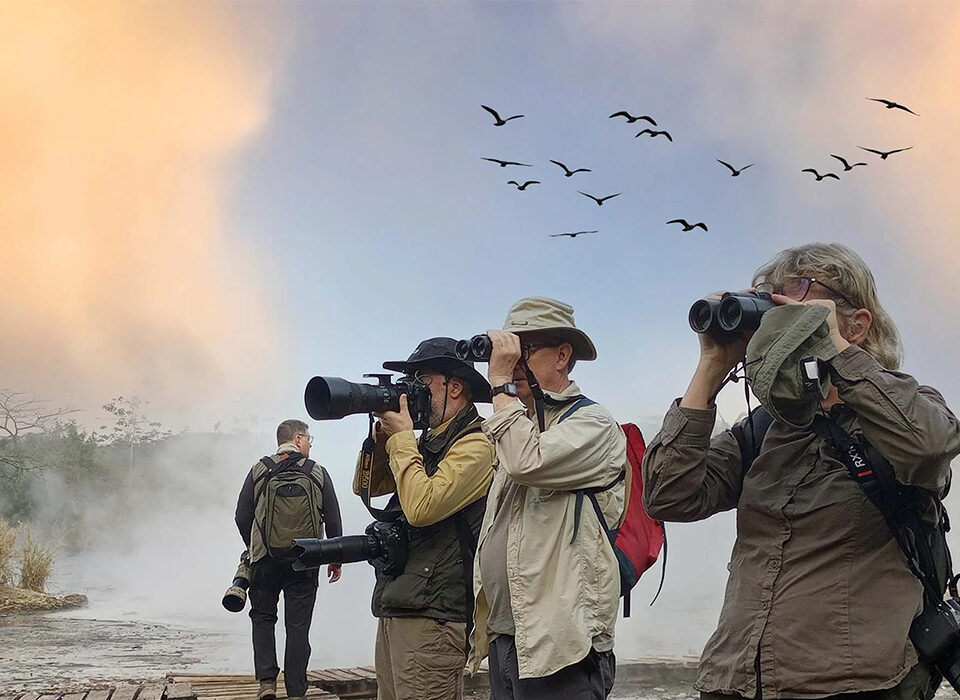
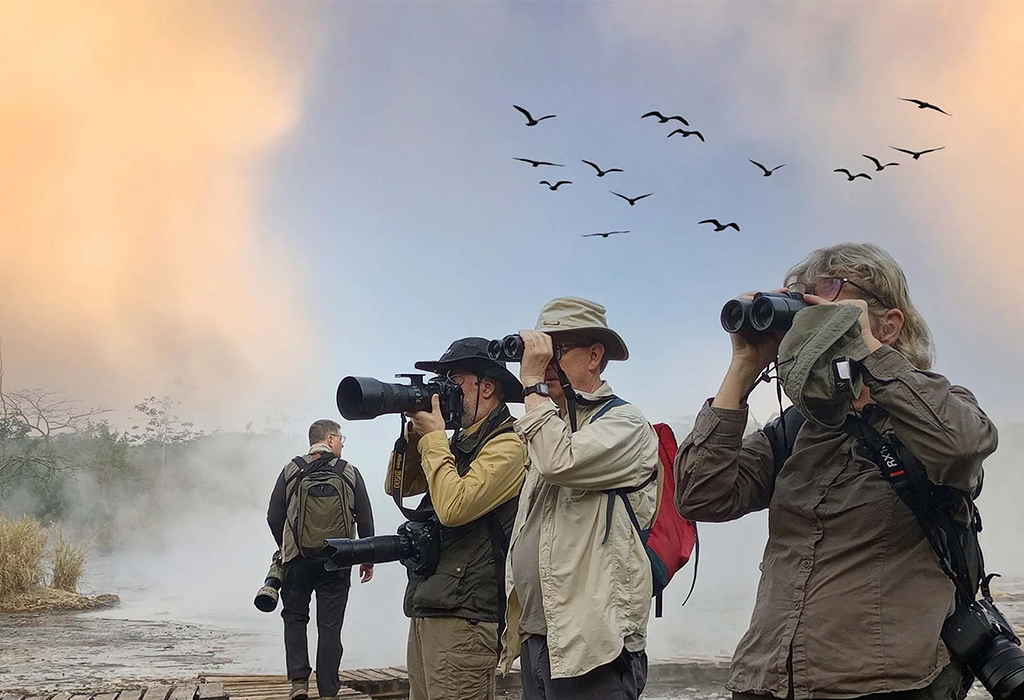
Uganda is a photographer’s paradise, offering extraordinary opportunities to capture wildlife, breathtaking landscapes, vibrant cultures and unforgettable travel experiences. From mist-covered rainforests to open savannahs and spectacular waterfalls, the country provides a remarkable variety of subjects for photographers of all skill levels.
At Experiya Tour Company, we believe that photography is more than taking pictures; it is about telling stories, preserving memories and connecting with the world around us. Whether you are a professional wildlife photographer, an enthusiastic beginner or a traveller who enjoys documenting adventures, photography tours in Uganda allow you to experience the country’s beauty through your own lens.
In this guide, we explore Uganda’s best photography destinations, the ideal time to visit, essential equipment and practical tips to help you plan a rewarding photography safari.
Why Choose Photography Tours in Uganda?
Uganda, famously known as the Pearl of Africa, combines remarkable biodiversity with diverse landscapes and rich cultural traditions. Consequently, it offers photographers an opportunity to capture several aspects of African life in one destination.
For wildlife enthusiasts, Uganda’s national parks provide opportunities to photograph elephants, lions, giraffes, buffaloes, chimpanzees and mountain gorillas in their natural habitats. Meanwhile, nature photographers can explore tropical forests, crater lakes, rolling hills and dramatic mountain scenery.
Photography tours in Uganda also offer cultural experiences. Visitors can photograph traditional crafts, local markets, rural communities and everyday activities, always with appropriate permission and respect for people’s privacy.
With Experiya Tour Company, travellers can plan photography-focused itineraries that balance wildlife encounters, scenic locations and meaningful cultural experiences.
Best Time to Visit Uganda for Photography
Choosing the right season can significantly influence your photography experience. Although Uganda offers photographic opportunities throughout the year, different seasons create distinct conditions for capturing wildlife and landscapes.
Dry Seasons: June to August and December to February
The dry seasons are popular for wildlife photography because vegetation is often less dense in many savannah areas, and animals may gather around available water sources. These conditions can make wildlife easier to observe and photograph.
Additionally, relatively dry trails can make travelling between destinations more convenient. Photographers can take advantage of early morning and late afternoon light to capture animals, landscapes and birds in beautiful natural colors.
Rainy Seasons: March to May and September to November
The rainy seasons transform Uganda’s countryside into a lush green landscape. Forests become vibrant, waterfalls grow more dramatic, and atmospheric clouds create interesting compositions for landscape photography.
Although rain can present challenges, these months can reward photographers who enjoy moody scenery, fresh vegetation and fewer crowds in some locations. However, weather conditions vary, so flexibility remains essential.
Ultimately, the best time for photography tours in Uganda depends on your preferred subjects, destinations and shooting conditions.
Top Photography Destinations in Uganda
Uganda has several remarkable locations where photographers can capture its natural beauty and wildlife diversity.
1. Murchison Falls National Park
Murchison Falls National Park is an excellent destination for landscape and wildlife photography. Here, the River Nile forces its way through a narrow gorge before plunging dramatically below, creating a spectacular waterfall surrounded by powerful rapids and mist.
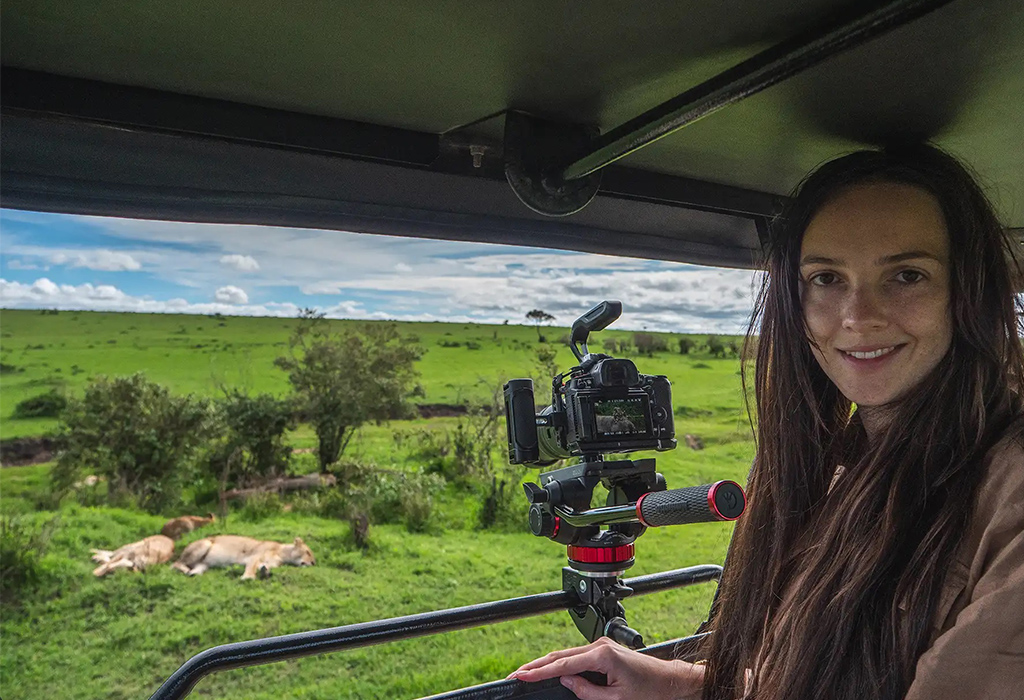
Beyond the falls, the park’s savannah landscapes provide opportunities to photograph elephants, giraffes, buffaloes, antelopes and numerous bird species. Boat trips along the Nile can also offer memorable views of hippos, crocodiles and waterbirds.
For the best results, consider photographing the falls from different viewpoints and using early morning or late afternoon light for wildlife encounters.
2. Bwindi Impenetrable National Park
Bwindi Impenetrable National Park is particularly rewarding for photographers interested in mountain gorillas and rainforest scenery. Its dense vegetation, towering trees and misty atmosphere create a distinctive setting for wildlife photography.
Gorilla trekking offers an extraordinary opportunity to observe these endangered primates in their natural habitat. However, photographers must follow park regulations, maintain the required distance and respect all instructions from guides and trackers.
Because forest conditions can be dark and humid, a camera that performs well in low light, a suitable lens and protective equipment can make a significant difference.
3. Queen Elizabeth National Park
Queen Elizabeth National Park combines open savannahs, wetlands, crater lakes and forest habitats, making it a versatile destination for photography safaris.
Wildlife photographers can look for elephants, buffaloes, hippos, antelopes and a variety of bird species. The Ishasha sector is particularly famous for its tree-climbing lions, although sightings are never guaranteed.
Furthermore, the park’s changing landscapes offer opportunities to experiment with wide-angle compositions, wildlife portraits and dramatic sunset photography.
4. Rwenzori Mountains National Park
For landscape photographers, Rwenzori Mountains National Park presents a striking contrast to Uganda’s savannah parks. Known for its rugged peaks, distinctive vegetation and mountain scenery, the region offers opportunities to photograph misty valleys, forested slopes and alpine environments.
Conditions can change quickly at higher elevations, so photographers should prepare for cold temperatures, moisture and challenging terrain. A guided trek also helps visitors plan their route safely while making the most of scenic viewpoints.
5. Lake Mburo National Park
Lake Mburo National Park is another rewarding destination for photography tours in Uganda. Its rolling hills, acacia woodlands, open grasslands and lakes create beautiful compositions throughout the day.
Photographers may encounter zebras, impalas, giraffes, buffaloes and diverse birdlife. Depending on the activities arranged, guided nature walks and boat trips can provide different perspectives on the park’s landscapes and wildlife.
Benefits of Joining a Photography Safari in Uganda
Although independent travel can be rewarding, joining a specialized photography safari offers several practical advantages.
- Local knowledge: Experienced guides understand the terrain, wildlife habitats and seasonal conditions, helping you make informed decisions about where to photograph.
- Better time management: A photography-focused itinerary allows more time for observing subjects, adjusting camera settings and waiting for suitable light.
- Convenient planning: Transport, accommodation, park activities and relevant permits can be coordinated in advance.
- Learning opportunities: Travelling with knowledgeable guides and fellow photographers can help you discover new techniques and creative perspectives.
- Meaningful experiences: Carefully planned cultural visits allow you to document local traditions and daily life respectfully.
Experiya Tour Company can help organise a photography safari around your interests, whether you prefer wildlife encounters, landscapes, bird photography or a combination of experiences.
Essential Photography Equipment for Uganda
Packing suitable equipment helps you prepare for different environments, from bright savannahs to shaded rainforests.
Consider carrying:
- Camera body: A reliable DSLR or mirrorless camera with good autofocus and low-light performance.
- Telephoto lens: A 100–400mm or similar zoom lens can be useful for photographing wildlife from an appropriate distance.
- Wide-angle lens: A 16–35mm or comparable lens works well for landscapes, waterfalls and expansive scenery.
- Spare batteries and memory cards: These are particularly important during long game drives and forest excursions.
- Rain protection: Waterproof camera covers and dry bags help protect equipment from rain, humidity and dust.
- Tripod or monopod: Choose a practical option for landscapes, low-light photography or situations where additional support is useful.
- Cleaning accessories: A microfibre cloth and lens-cleaning kit help keep your equipment ready for changing conditions.
Above all, choose equipment that suits your experience, budget and planned activities rather than carrying unnecessary weight.
Practical Tips for Capturing Stunning Photos in Uganda
To make the most of your photography safari, combine preparation with patience and creativity.
First, take advantage of the golden hours shortly after sunrise and before sunset. The softer light can bring out textures, colours and depth in wildlife portraits and landscapes.
Second, learn about your subjects before travelling. Understanding animal behaviour helps you anticipate movement and prepare for spontaneous moments.
Third, experiment with composition. Use natural framing, leading lines and different perspectives to create images that tell a stronger story.
Additionally, keep your camera settings flexible. Faster shutter speeds can help freeze animal movement, while wider apertures can separate subjects from distracting backgrounds.
Finally, respect wildlife and local communities. Follow your guide’s instructions, avoid disturbing animals and always seek consent before photographing people.
Plan Your Photography Tours in Uganda with Experiya Tour Company
Uganda offers much more than beautiful scenery. It invites photographers to experience the natural world, discover local cultures and capture moments that remain meaningful long after the journey ends.
From the thunderous waters of Murchison Falls to the mountain gorillas of Bwindi and the open plains of Queen Elizabeth National Park, every destination offers a different photographic story.
With Experiya Tour Company, you can plan photography tours in Uganda that reflect your interests, travel schedule and creative ambitions. Whether you are pursuing extraordinary wildlife images, exploring scenic landscapes or documenting authentic cultural experiences, the right itinerary can help you make the most of your adventure.
Start planning your Uganda photography safari with Experiya Tour Company today, and discover the Pearl of Africa one unforgettable photograph at a time.