
Explore Tanzania’s Nyerere Game Reserve
January 18, 2026
When Is the Best Time of the Year to Trek Gorillas in Uganda?
January 19, 2026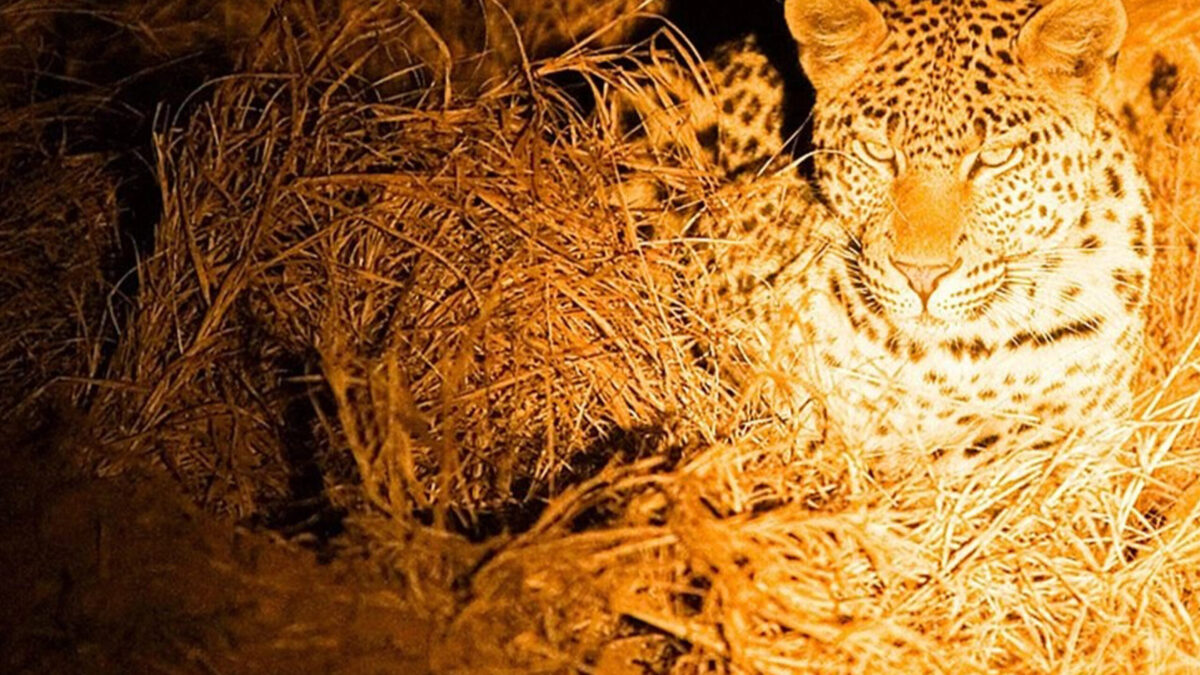
Queen Elizabeth National Park stands as one of Uganda’s most remarkable and widely visited protected areas. Gazetted in 1952, it is the country’s second-largest national park, covering approximately 1,978 square kilometres. The park stretches from Lake George in the northeast to Lake Edward in the southwest, with the scenic Kazinga Channel linking the two lakes and forming the ecological heart of the park.
Renowned for its diverse wildlife and dramatic landscapes, Queen Elizabeth National Park hosts African buffalo, Uganda kob, hippopotamus, giant forest hog, warthog, Nile crocodile, African bush elephant, leopards, lions, and chimpanzees. With over 95 mammal species and more than 500 bird species recorded, the park offers one of the richest wildlife experiences in East Africa. The Ishasha sector in Rukungiri District is particularly famous for its rare tree-climbing lions, a sight found in only a few places in Africa.
Beyond its daytime wonders, Queen Elizabeth National Park reveals an entirely different world after sunset—one you can only experience through a night game drive.
What Makes a Night Game Drive Special
A night game drive, also known as a nocturnal safari, offers an extraordinary opportunity to explore the park under the cover of darkness. As the sun dips below the horizon, nocturnal animals emerge from hiding, and predators begin their nightly patrols. This experience allows visitors to witness wildlife behaviors that are rarely seen during daylight hours.
In Queen Elizabeth National Park, night game drives typically last between two and three hours and begin shortly after sunset. Experienced guides collect visitors from their lodges or campsites and lead them through savannah grasslands and woodland areas using specialized spotlights. These guided drives focus on detecting eye reflections and subtle movements, turning the night into a thrilling wildlife discovery.
Where Night Game Drives Take Place
Night game drives in Queen Elizabeth National Park are conducted exclusively on the Mweya Peninsula. This restriction helps protect wildlife and minimizes disturbance in other areas, such as the Kasenyi Plains, which host heavy daytime activity. During the drive, an armed Uganda Wildlife Authority ranger accompanies every vehicle to ensure safety and provide expert interpretation of animal behavior.
As darkness falls, visitors may encounter elusive species such as leopards, lions, hyenas, civets, genets, bushbabies, servals, banded mongooses, and other small carnivores. In addition, large mammals such as elephants, buffaloes, Uganda kobs, waterbucks, and hippos often remain active at night, with hippos commonly seen grazing outside the water.
Cost of a Night Game Drive in Queen Elizabeth National Park
The cost of a night game drive in Queen Elizabeth National Park depends on residency status. Foreign non-residents pay USD 30 per person, foreign residents pay USD 20 per person, and East African citizens, including Ugandans, pay UGX 50,000 per person. Participation is limited to visitors staying within the park, and the presence of Uganda Wildlife Authority guides is mandatory.
For travelers using Uganda Wildlife Authority vehicles, the cost is USD 40 per person for foreign non-residents, USD 35 per person for foreign residents, and UGX 40,000 per person for East African Community citizens. These vehicles accommodate up to three passengers for foreign non-residents and residents, and up to five passengers for East African citizens.
What to Pack for a Night Game Drive
Preparing properly enhances comfort and safety during a night game drive. Long pants and long-sleeved shirts help protect against insect bites, scratches, and exposure to the night air. A reliable flashlight or headlamp is essential for navigating in low light, while a camera and binoculars allow you to capture and observe wildlife from a distance.
Comfortable closed-toe shoes provide stability and protection, especially during brief stops. Carrying snacks and a reusable water bottle helps maintain energy and hydration throughout the drive. Insect repellent is highly recommended, as mosquitoes are more active at night. A lightweight backpack makes it easy to carry all essential items without discomfort.
Best Time to Go for a Night Game Drive
Night game drives in Queen Elizabeth National Park operate throughout the year. However, the dry seasons offer the best conditions for wildlife viewing. These months include June through September and December through February, when the weather remains mild and animals are easier to spot.
June to September marks the peak tourist season, which means higher visitor numbers. In contrast, the rainy seasons—from March to May and October to November—bring fewer crowds but heavier rainfall. During dry months, nocturnal predators such as lions, leopards, civets, servals, and bushbabies are particularly active, increasing the chances of memorable sightings.
Other Activities in Queen Elizabeth National Park
In addition to night game drives, Queen Elizabeth National Park offers a wide range of rewarding safari experiences. Visitors can enjoy daytime game drives, chimpanzee tracking in Kyambura Gorge, boat launch trips along the Kazinga Channel, guided nature walks, cave exploration, birdwatching, hiking, agro-tourism walks, and cultural encounters with surrounding communities.
A night game drive in Queen Elizabeth National Park pairs perfectly with safaris to other iconic destinations such as Murchison Falls National Park, Lake Mburo National Park, Kibale Forest National Park, and Bwindi Impenetrable Forest National Park.
Book Your Night Game Drive Experience
For expert planning and seamless safari experiences, contact Experiya Tour Company for detailed information and customized night game drive packages in Queen Elizabeth National Park. With professional guides and well-curated itineraries, Experiya Tour Company ensures a safe, immersive, and unforgettable wildlife adventure under Uganda’s starlit skies.