Where can I trek gorillas in Uganda?
October 22, 2025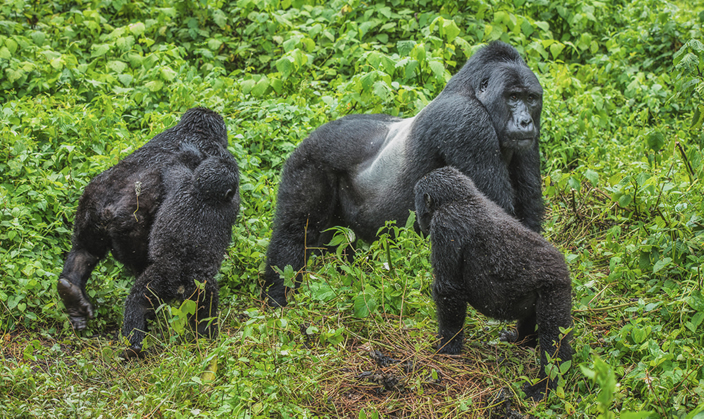
What’s the best time to visit Bwindi Impenetrable National Park?
October 22, 2025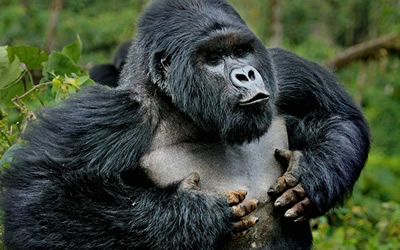
How Much Is a Gorilla Trekking Permit in Uganda?
Gorilla trekking in Uganda is one of the most extraordinary wildlife experiences on earth — an emotional, intimate, and life-changing encounter with the rare mountain gorillas in their mist-covered habitats. But before venturing into the dense rainforests of Bwindi or Mgahinga, one of the most common and important questions travelers ask is: How much does a gorilla trekking permit in Uganda cost?
This article takes you deep into everything you need to know about gorilla trekking permits — from prices, booking procedures, and validity, to comparisons with Rwanda and Congo. By the end, you’ll understand exactly what you’re paying for, and why it’s worth every single dollar.
Understanding the Gorilla Trekking Permit
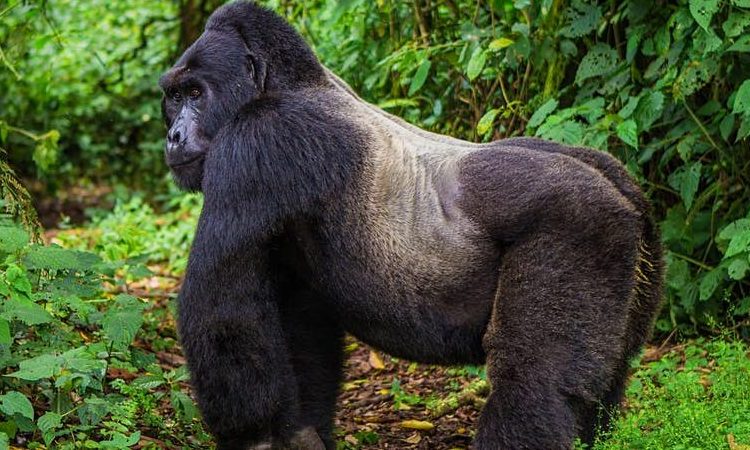
A gorilla trekking permit is an official document issued by the Uganda Wildlife Authority (UWA) that grants you permission to visit a habituated mountain gorilla family within Uganda’s national parks. It’s your ticket to the unforgettable experience of spending an hour in the company of these majestic creatures in their natural habitat.
Without a permit, no one is allowed to see gorillas — and this strict regulation plays a crucial role in the conservation and protection of this endangered species.
Current Gorilla Trekking Permit Price in Uganda (2025)
As of July 2024 onwards, the Uganda Wildlife Authority (UWA) set the price of a gorilla trekking permit at USD 800 per person per trek for foreign non-residents.
Here’s a full breakdown of the current pricing structure:
- Foreign Non-Residents (FNR): USD 800 per person
- Foreign Residents (FR): USD 700 per person
- East African Citizens (EAC Nationals): UGX 300,000 per person
These fees are uniform across Uganda’s two gorilla trekking destinations — Bwindi Impenetrable National Park and Mgahinga Gorilla National Park. The fee allows you to track one habituated gorilla family and spend a full hour in their presence once located.
Gorilla Habituation Experience Cost
If you want to go beyond a typical trek and spend more time with gorillas, Uganda offers a Gorilla Habituation Experience — a rare opportunity to accompany researchers and rangers as they gradually accustom wild gorillas to human presence.
- Cost of Gorilla Habituation Permit: USD 1,500 per person
- Duration: Up to four hours with the gorillas
This experience is available only in the Rushaga and Nkuringo sectors of Bwindi Impenetrable National Park. It’s more immersive and educational, perfect for wildlife enthusiasts, photographers, or anyone seeking deeper interaction with the gorillas.
Why Gorilla Permits Are Expensive — and Why It’s Worth It
Many travelers initially experience sticker shock at the cost of a gorilla permit. However, once you understand what the fee covers, the value becomes clear.
1. Conservation Funding
A large portion of the permit fee goes directly into conservation. Protecting gorillas requires extensive manpower — trackers, rangers, veterinary teams, and anti-poaching units all depend on these funds to safeguard the species and their habitat.
2. Community Development
About 20% of the permit revenue is channeled into local community projects — including schools, healthcare centers, and roads. This ensures that communities living near the parks benefit from tourism, reducing human-wildlife conflict and promoting coexistence.
3. Sustainable Tourism
Limiting the number of daily visitors (a maximum of eight per gorilla family) minimizes stress on the gorillas and ensures intimate, ethical encounters. This exclusivity naturally increases the value of each permit.
4. Once-in-a-Lifetime Experience
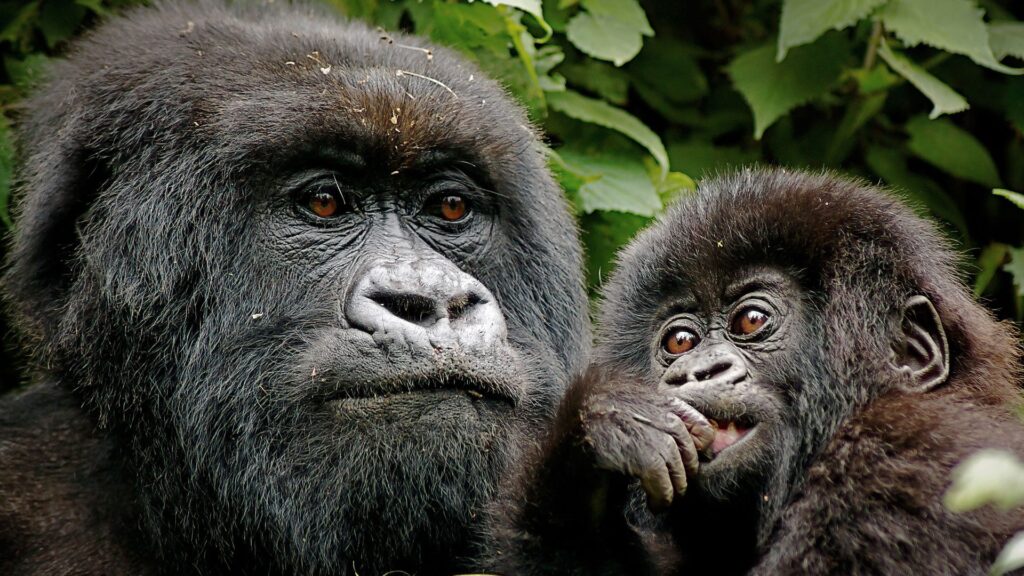
Few wildlife encounters can match the raw emotion of meeting a gorilla family in the wild — watching a baby cling to its mother or locking eyes with a silverback. It’s a rare, intimate moment that no price tag can truly quantify.
How to Book a Gorilla Trekking Permit in Uganda
There are two main ways to book your gorilla trekking permit:
1. Through the Uganda Wildlife Authority (UWA)
You can purchase your permit directly from the UWA headquarters in Kampala. However, this method is often cumbersome for international travelers, especially when coordinating travel dates, accommodation, and transportation logistics.
2. Through a Licensed Tour Operator
Most travelers prefer to book through a registered Ugandan tour company, such as Experiya Tour Company, which handles everything on your behalf. Your operator will secure your permit, arrange accommodations, transportation, and guide services — ensuring a seamless experience from start to finish.
Tour companies often have real-time access to permit availability, which is especially important during peak seasons when permits sell out months in advance.
Permit Availability and Booking Tips
Gorilla trekking permits are strictly limited — only eight visitors are allowed to visit each gorilla family per day. Uganda currently has about 22 habituated gorilla groups across Bwindi and Mgahinga, meaning roughly 176 permits are available per day.
Booking Timeline:
It’s highly recommended to book your permit at least 3 to 6 months in advance, especially if you plan to trek during the high season (June–September or December–February).
Peak vs. Low Season:
- Peak Season: June to September, December to February — permits sell out fast.
- Low Season: March to May, October to November — better availability and sometimes discounted accommodation rates.
Even in the low season, gorilla sightings remain excellent; the forest may be wetter, but it’s greener, quieter, and more photogenic.
Comparing Gorilla Permit Prices: Uganda vs. Rwanda vs. Congo
When choosing where to trek gorillas, price plays a major role. Uganda remains the most affordable and reliable destination for this activity.
| Country | Permit Cost (USD) | Gorilla Population | Key Park | Notes |
|---|---|---|---|---|
| Uganda | 800 | ~550 | Bwindi & Mgahinga | Best value; two trekking destinations |
| Rwanda | 1,500 | ~300 | Volcanoes NP | High-end experience, easier access |
| DR Congo | 400 | ~200 | Virunga NP | Cheapest, but less stable region |
Why Uganda Wins
- Offers both affordable pricing and exceptional infrastructure.
- Houses half of the world’s mountain gorillas.
- Offers diverse add-on experiences — chimpanzee tracking, big game safaris, and lake retreats — making it ideal for multi-activity safaris.
What’s Included in the Permit Fee
The gorilla trekking permit covers several key components of your experience:
- Park entrance fee
- Gorilla tracking activity with UWA rangers and guides
- One hour with the gorillas (or four hours for habituation)
- Security and ranger escorts during the trek
- Contribution to conservation and local communities
What it does not include are accommodation, transportation, porters, or tips — all of which can be arranged by your tour operator.
Additional Costs to Consider
When planning your gorilla trek, budget for additional expenses beyond the permit itself:
- Transport: Depending on your starting point (Kampala, Entebbe, or Kigali), transfers to Bwindi can cost between USD 150–500.
- Accommodation: Mid-range lodges range from USD 150–300 per night, while luxury options can exceed USD 600.
- Porters: Hiring a porter costs around USD 20–30 and helps support the local community.
- Tips: Guides and rangers appreciate gratuities (USD 10–20 per trekker is standard).
All these costs contribute to a well-rounded, ethical safari that supports conservation and livelihoods.
Why Uganda’s Gorilla Permit Offers the Best Value
Uganda’s gorilla trekking experience stands out for one major reason: it combines affordability with richness. For just USD 800, you don’t only get access to the gorillas — you also gain entry into one of Africa’s most biodiverse regions, home to countless other primates, birds, and mammals.
Additionally, Uganda’s varied trekking environments — from the dense jungles of Bwindi to the volcanic slopes of Mgahinga — provide a range of experiences unmatched by neighboring countries.
Where Rwanda caters mainly to luxury travelers, Uganda strikes the perfect balance between accessibility, authenticity, and sustainability, making it a favorite among wildlife enthusiasts, adventurers, and eco-travelers alike.
Best Time to Trek and Get Your Permit
The best time to trek gorillas in Uganda coincides with the dry seasons, when trails are less slippery and conditions are most favorable for hiking.
- June to September: Ideal weather, peak season.
- December to February: Short dry season, excellent for photography.
- March to May & October to November: Rainy season — fewer crowds, lush scenery, discounted lodge rates.
Booking early remains essential regardless of the season, as demand consistently outpaces availability.
What Happens After You Get the Permit
Once your permit is confirmed, your tour operator (like Experiya Tour Company) will assign you to a trekking sector within Bwindi or Mgahinga. The allocation depends on your accommodation location, fitness level, and availability.
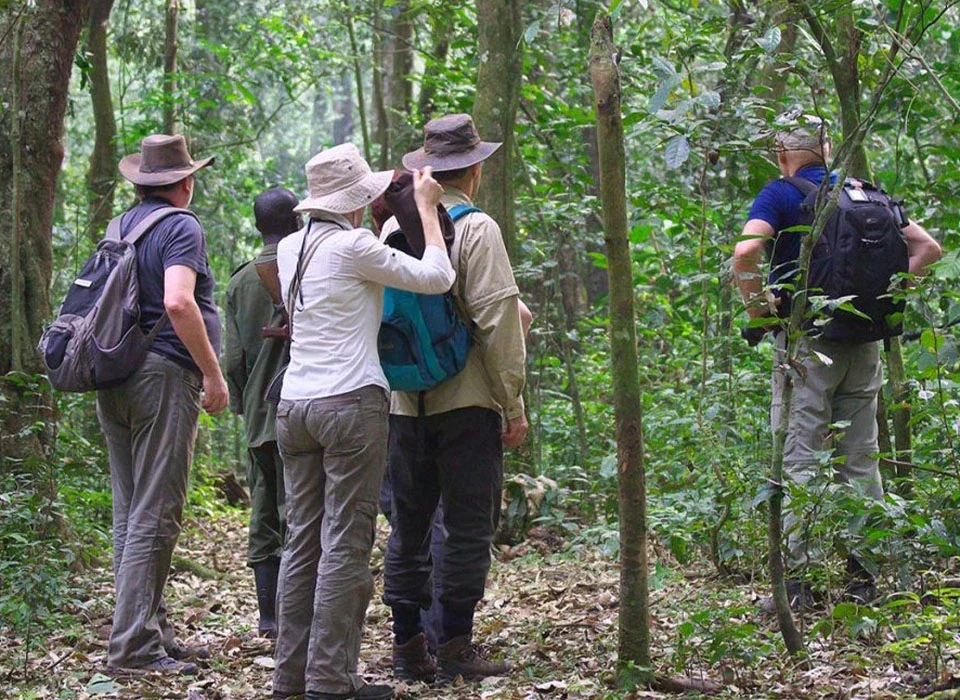
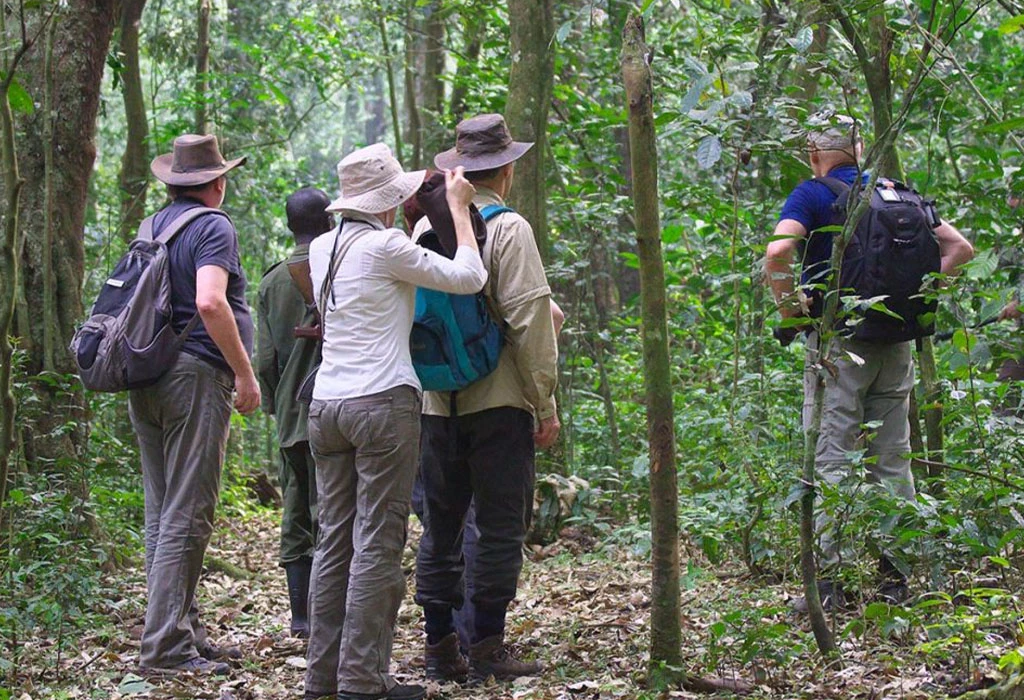
On the day of your trek, you’ll gather at the park headquarters for a briefing. Rangers will explain safety protocols, gorilla behavior, and trekking guidelines before leading you into the forest. Once you locate the gorillas, you’ll spend an awe-inspiring hour observing them — a moment that feels both primal and profoundly peaceful.
Why Book with Experiya Tour Company
Gorilla trekking requires careful planning, timely permit reservations, and reliable logistics. That’s where Experiya Tour Company comes in.
Experiya is one of Uganda’s trusted safari operators specializing in gorilla trekking, wildlife safaris, and tailor-made East African adventures. With a professional team, deep local knowledge, and years of experience working closely with the Uganda Wildlife Authority, Experiya ensures your permit is secured, your itinerary seamless, and your experience unforgettable.
From handling permits and transport to arranging comfortable lodges near Bwindi or Mgahinga, Experiya Tour Company makes your journey smooth, ethical, and truly enriching.