Facts about Mount Kilimanjaro Elevation, Deaths, Weather, History and Records
September 16, 2025
Chances of Seeing Mountain Gorillas in Bwindi and Rwanda
September 16, 2025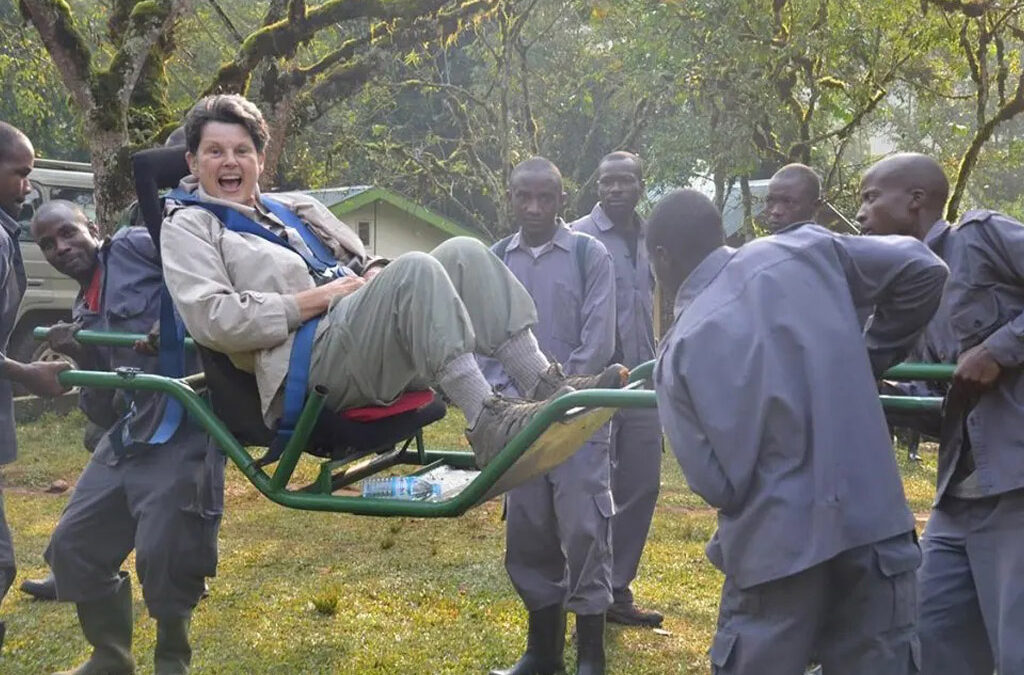
Gorilla trekking is one of the most extraordinary wildlife encounters on earth. While many travelers imagine it to be an activity only for the young and physically fit, the truth is quite different. Older travelers and those with disabilities can also take part in this life-changing experience. With proper planning, support from porters, and the use of sedan chairs, the elderly can comfortably enjoy gorilla trekking just like anyone else.
Background on Mountain Gorillas
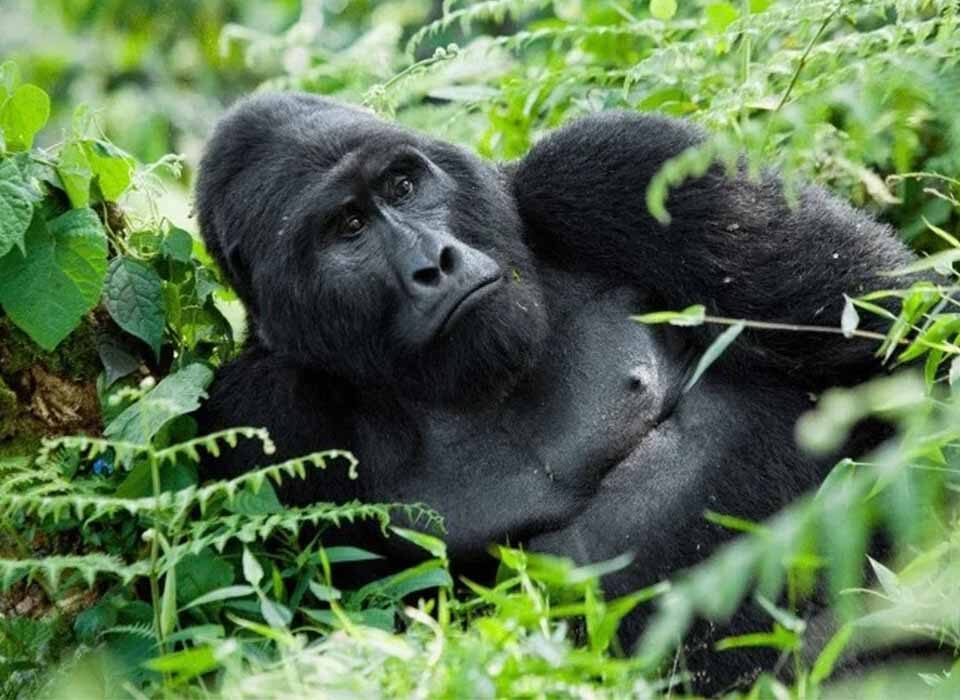
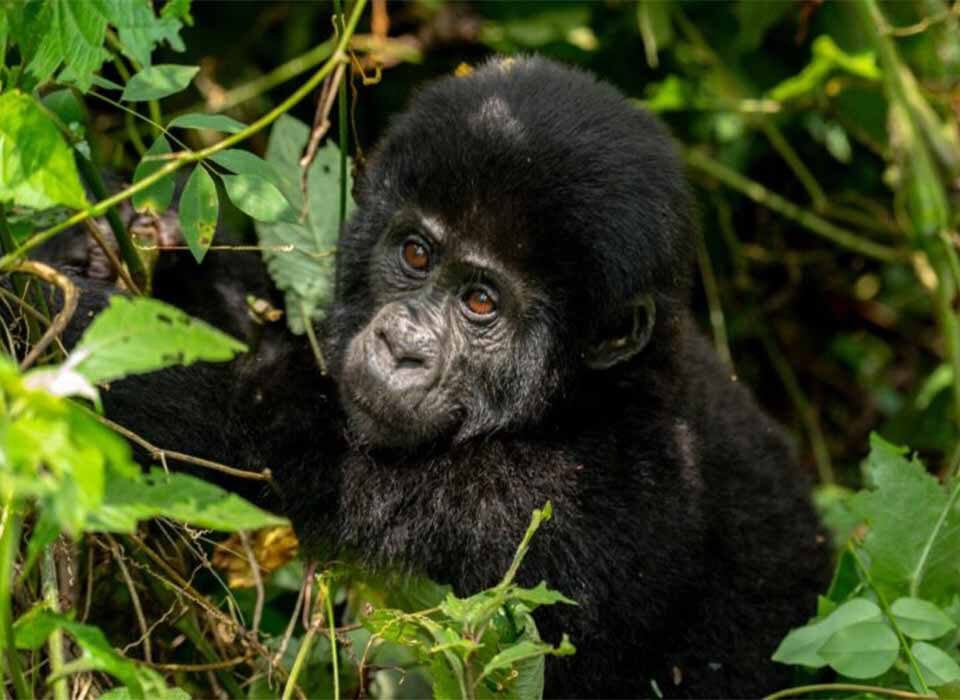
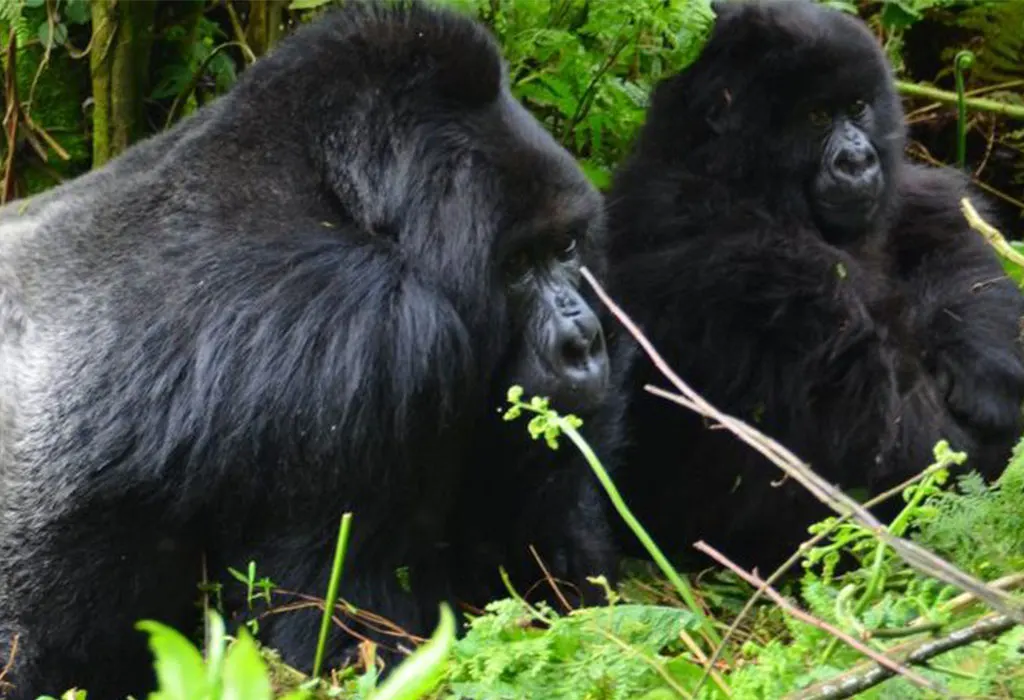
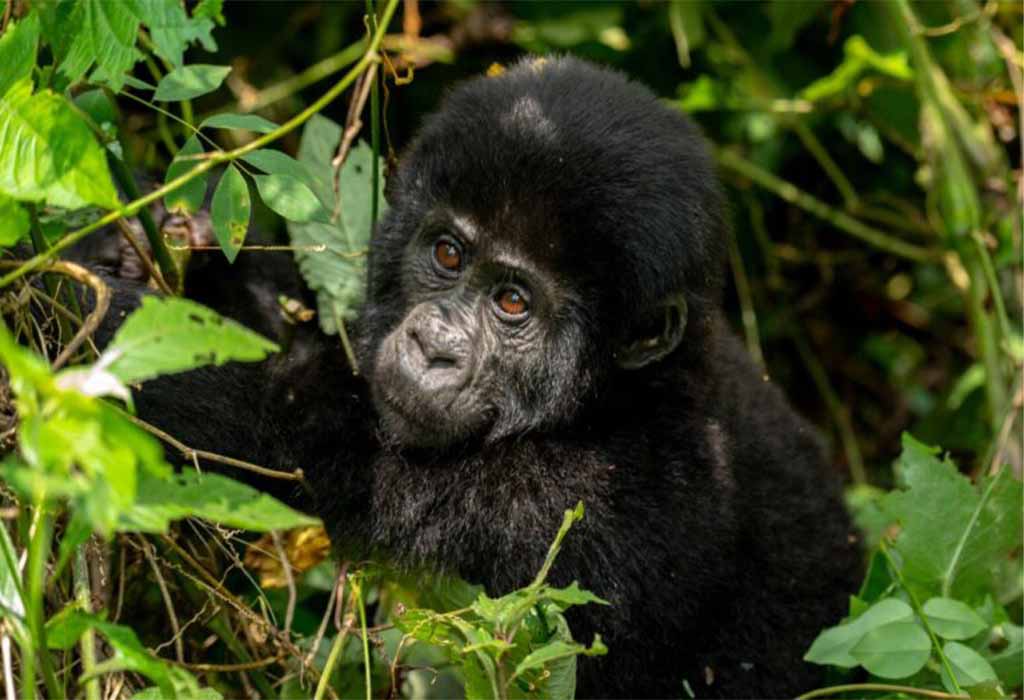
Mountain gorillas are among the most fascinating primates in the world. Unlike lowland gorillas, they cannot survive in captivity, meaning the only way to see them is in their natural habitat. These gorillas are found in only three African countries Uganda, Rwanda, and the Democratic Republic of Congo.
- Uganda: Home to half of the world’s remaining 1,000 mountain gorillas, living in Bwindi Impenetrable National Park and Mgahinga Gorilla National Park.
- Rwanda: Gorillas live in Volcanoes National Park.
- Congo: Gorillas can be seen in Virunga National Park.
Gorilla trekking permits are relatively expensive because of the uniqueness and conservation importance of the activity. As of 2025, a gorilla permit costs $800 in Uganda, $1,500 in Rwanda, and $400 in Congo. These fees directly support gorilla conservation and local community projects, making the experience both exclusive and impactful.
Challenges of Gorilla Trekking
Trekking to see gorillas can be physically demanding. The activity takes place in mountainous regions at altitudes ranging from 2,300 to 4,500 meters. Trails can be steep, muddy, and slippery, especially during the rainy season. Depending on the gorilla family assigned, a trek may last as little as 30 minutes or extend up to six hours.
These challenges can pose difficulties for the elderly, people with disabilities, or travelers who may not be in top physical condition. However, solutions exist to make the experience accessible.
Can the Elderly and Disabled Trek Gorillas?
Yes, they can. Gorilla trekking is not reserved for the young and energetic. In fact, most gorilla trekkers worldwide are above 40 years of age. As long as one is healthy enough to board a plane, it is possible to join a gorilla trek. Parents and grandparents can also share in the adventure, provided the right preparations are made.
At the pre-trek briefing, rangers and wardens review each participant’s passport and identify travelers who may need special support. Seniors above 60 years are usually assigned gorilla families located closer to the starting point. However, if an older traveler feels strong and adventurous, they can request a longer trek.
Booking and Allocation of Gorilla Families
The allocation of gorilla groups depends on fitness levels, age, and permit availability. Since only eight visitors are allowed to visit a gorilla family per day, booking early is essential—ideally at least three months in advance. Seniors who book on time stand a better chance of being assigned to a nearby gorilla group, minimizing the trek’s difficulty.
For travelers planning multiple treks, park authorities usually assign different gorilla groups on subsequent days to enhance the experience.
Assistance Options for the Elderly and Disabled
Elderly and disabled travelers can choose from different support options to make gorilla trekking manageable:
- Sedan Chairs and Stretchers: Special sedan chairs with steel bases, seat belts, and handles are available. Teams of four porters carry the traveler throughout the trek, switching roles as needed. This ensures the client never touches the ground until they return. Costs range between $400–$500, depending on the traveler’s weight.
- Porters for Support: Those who are mobile but unfit to carry luggage can hire a porter to assist with heavy backpacks and to provide support on steep or slippery terrain. Hiring a porter costs about $15–$20 per trek.
- Walking Sticks: All trekkers receive a hiking stick, but elderly travelers may also bring personal walking aids for extra comfort.
Beyond physical support, hiring porters contributes to local livelihoods, as many are students or community members supporting their families.
Best Parks for Elderly Travelers
Among the gorilla trekking destinations, Bwindi Impenetrable National Park in Uganda is the most ideal for elderly travelers. Unlike Volcanoes, Virunga, or Mgahinga, Bwindi sits on lower altitudes with gentler trails. Many gorilla families in Bwindi live on relatively lower ground, making treks shorter and less strenuous.
The park has four main trekking sectors—Buhoma, Ruhija, Rushaga, and Nkuringo. Of these, Ruhija is considered especially good for seniors, as trekkers often return earlier compared to other sectors. However, gorilla movements are unpredictable, so trekking time varies regardless of the chosen sector.
Safety and Security Considerations
Safety during gorilla trekking is excellent, particularly in Uganda and Rwanda. Armed rangers escort every group, ensuring protection from wild animals such as elephants and buffaloes. In the Democratic Republic of Congo, stricter security measures apply, with additional escorts and checkpoints due to past instability.
Transportation Options for Seniors
One common concern for elderly travelers is the long driving distance to Bwindi.
- From Entebbe/Kampala: The drive takes 8–10 hours.
- From Kigali, Rwanda: The drive to Bwindi is only about 3–4 hours, making it a popular option.
- Chartered Flights: Seniors can also opt for a domestic flight from Entebbe or Kajjansi to Bwindi’s nearest airstrip, cutting the journey to just one hour.
Although local flights are costly, they save time and energy, making them worth considering for the elderly or physically limited.
Accommodation for the Elderly and Disabled
Accommodation around the gorilla parks ranges from luxury lodges to mid-range options and budget camps. Many lodges are designed with accessibility in mind, offering ramps and spacious rooms to ensure the elderly and disabled move around easily.
Preparing for Gorilla Trekking
Elderly travelers, or those unfit for long treks, can still prepare in advance:
- Engage in light exercises such as walking, hiking, or climbing small hills.
- Carry enough drinking water and energy snacks during the trek.
- Pack appropriate gear, including:
- Hiking boots
- Rain jacket and sweater
- Gloves
- Long-sleeved shirts and trousers
- Insect repellent
- Sunglasses and hat
- First-aid kit
Conclusion
Gorilla trekking is not limited to the young or extremely fit. With proper arrangements, elderly travelers and people with disabilities can also take part in this extraordinary experience. By planning ahead, booking the right gorilla group, and making use of sedan chairs, porters, and accessible lodges, seniors can fully enjoy one of the greatest wildlife encounters on earth.