Is Uganda All About Gorillas?
September 16, 2025
Gorilla Trekking for the Elderly and the Disabled
September 16, 2025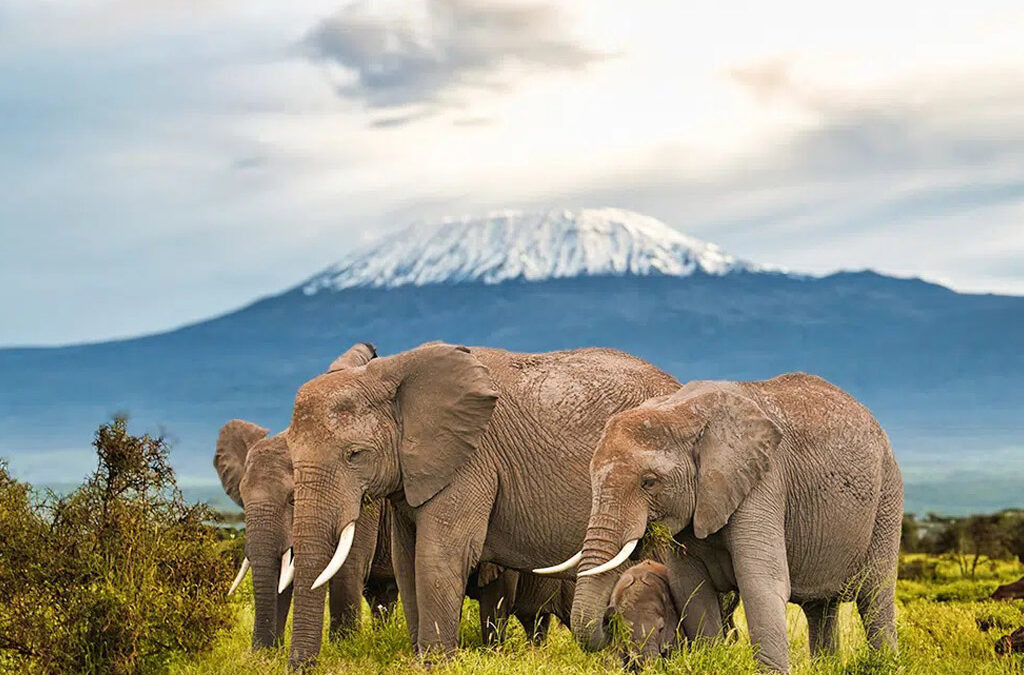
Mount Kilimanjaro is located in northern Tanzania within Kilimanjaro National Park. Rising to 19,341 feet (5,895 meters) above sea level, it is the tallest mountain in Africa and the highest free-standing peak in the world. Kilimanjaro is a dormant volcano with three distinct cones: Shira, Mawenzi, and Kibo. While its name has been in use since the 1860s, its true origin and meaning remain uncertain. Early Swahili tribes and European explorers such as Johann Ludwig Krapf recorded the name, but its deeper roots are still a mystery.
Kilimanjaro as a Climbing Destination
As Africa’s highest mountain, Kilimanjaro attracts over 30,000 climbers each year. However, not all who start the climb reach the summit. The main challenges include altitude sickness, inadequate preparation, and poor route selection. Many first-time hikers attempt the shorter Marangu Route, which takes only five days. Unfortunately, this does not allow enough time for proper acclimatization. To improve the chances of success, climbers are encouraged to choose longer routes that provide more gradual adaptation to altitude and climate. Physical preparation, mental strength, and the right gear also play a crucial role in reaching the summit.
Geological Formation of Mount Kilimanjaro
Mount Kilimanjaro’s three volcanic cones give it its distinct structure. Kibo, the highest at 16,893 feet (5,149 meters), is dormant but could erupt again in the future. Mawenzi is rugged and steep, while Shira, at 13,140 feet (4,005 meters), is the lowest and long extinct. Geological evidence shows that Shira’s first eruption occurred around 2.5 million years ago, with its last activity about 1.9 million years ago. Kibo and Mawenzi began erupting roughly one million years ago, and Kibo’s most recent activity about 150,000 years ago formed the summit crater visible today.
Climatic Zones and Wildlife
Mount Kilimanjaro has five climatic zones, each influencing its vegetation and wildlife.
- Bushland Zone (2,600 – 5,900 feet): Home to shrubs, grasslands, and small wildlife.
- Rainforest Zone (5,900 – 9,200 feet): Dense forest filled with birds, primates, and colorful plants.
- Moorland/Heather Zone (9,200 – 13,100 feet): Open terrain with giant heathers and lobelias.
- Alpine Desert Zone (13,100 – 16,400 feet): A dry, barren landscape with little vegetation.
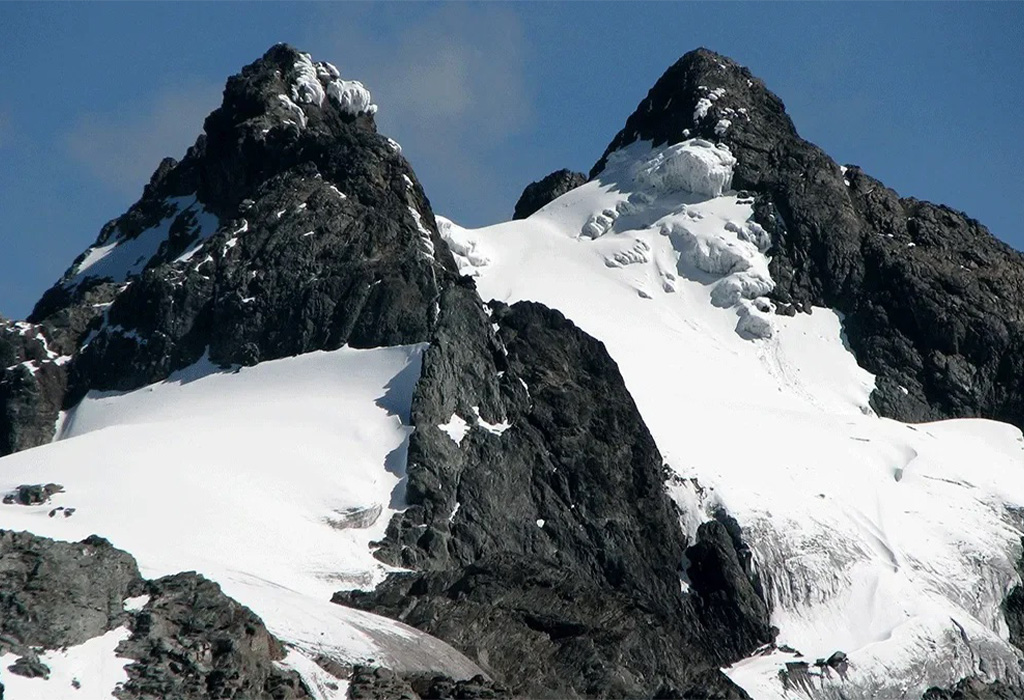
- Arctic Zone (16,400 – 19,300 feet): Ice, snow, and rocky ground dominate this final stage.
The southern slopes are heavily eroded, forming rivers such as the Pangani and Lumi. Wildlife on the lower slopes includes zebras, buffaloes, elephants, leopards, and warthogs. Climbers may encounter these animals, especially elephants and buffaloes, which can pose real dangers.
History of Exploration and First Climbs
Mount Kilimanjaro may have been mentioned by ancient geographers such as Ptolemy, who referred to “mountains of the moon,” though his descriptions remain unclear. In the early 16th century, explorers traveling through East Africa also heard local accounts of a great snow-capped mountain inland.
The first confirmed European sighting came in 1848 when missionaries Johannes Rebmann and Johann Ludwig Krapf reported the snow-covered peak. Serious climbing attempts began in the 1860s, with several expeditions reaching partial heights but retreating due to bad weather or lack of equipment.
In 1889, German geographer Hans Meyer and Austrian mountaineer Ludwig Purtscheller, assisted by local guides, became the first to successfully reach the summit of Kibo. Their success opened the way for future climbers, and by 1912, climbers had also conquered Mawenzi, the second-highest peak.
Dangers, Deaths, and Climbing Records
Climbing Mount Kilimanjaro is considered easier than tackling peaks like Everest or Denali because it requires no advanced mountaineering skills or technical gear. Still, challenges remain. Strong winds, low temperatures, and high altitude take a toll on even the fittest hikers.
Altitude sickness affects nearly 77 percent of climbers at some stage. Symptoms include nausea, loss of appetite, and vomiting. Between 1996 and 2003, about 25 climbers died on Kilimanjaro, mostly due to altitude sickness, pneumonia, or other medical complications. This results in an estimated death rate of 0.1 per 100 climbers, which is relatively low compared to other major peaks.
Best Routes for Climbing
Kilimanjaro has six main routes:
- Machame Route: The most popular but crowded during peak season.
- Shira Route: An eight-day trek through the scenic Shira Plateau.
- Northern Circuit: The longest and most successful route, lasting 8–9 days.
- Lemosho Route: A gradual, scenic route taking about eight days.
- Rongai Route: A quieter option on the northern slopes, usually six days.
- Marangu Route: Once the most popular but now less favored due to overcrowding.
Longer routes like Lemosho or Northern Circuit provide the best acclimatization and highest summit success rates.
Additional Facts about Mount Kilimanjaro
- Kilimanjaro is often called the “Roof of Africa” because of its towering presence over the continent.
- Surprisingly, the mountain is difficult to see clearly from most places in Tanzania. For a full panoramic view, travelers often go to Kenya’s Amboseli National Park.
- The cost of climbing varies. Group climbs average about $2,500 per person, while private treks are more expensive.
- The best time to climb is from July to October, during the dry season. March to May brings heavy rains, making trails slippery and reducing visibility.
- Depending on the route, a climb takes between 5 and 9 days. Climbers should prepare physically and mentally, carry proper gear, and consult a doctor before attempting the hike.
Conclusion
Mount Kilimanjaro is more than just Africa’s tallest peak—it is a symbol of adventure, endurance, and natural wonder. Its diverse climate zones, fascinating history, and accessibility make it one of the world’s most iconic climbs. With preparation, patience, and respect for the mountain, climbers can stand at the roof of Africa and experience one of the most rewarding adventures on earth.