7 Days Uganda Safari Tour: A Complete Uganda Safari Itinerary
October 1, 2026
Rwanda Cycling Tours: Discover the Land of a Thousand Hills by Bike
October 2, 2026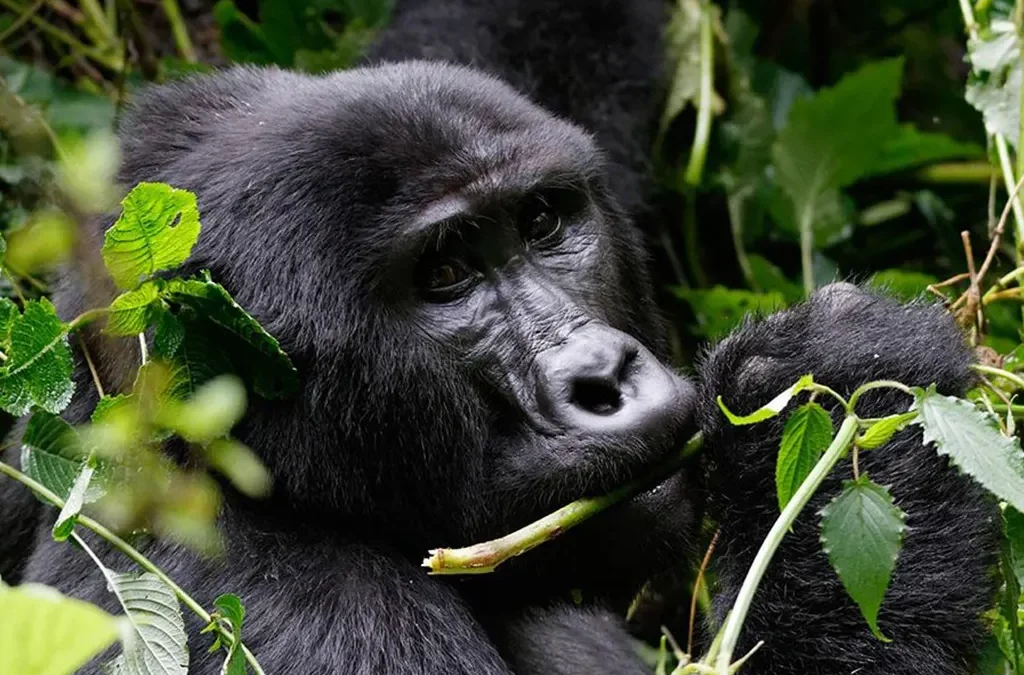
Gorilla trekking is one of Africa’s most remarkable wildlife experiences, attracting travelers who want to explore tropical rainforests and observe mountain gorillas in their natural habitat. Unlike a traditional game drive, gorilla trekking takes you deep into the forest on foot, where you follow experienced trackers and guides in search of a habituated gorilla family.
Today, travelers can experience gorilla trekking in Uganda, Rwanda and the Democratic Republic of Congo. In Uganda, the activity takes place in Bwindi Impenetrable National Park and Mgahinga Gorilla National Park. Rwanda offers gorilla trekking in Volcanoes National Park, while the Democratic Republic of Congo has opportunities in Virunga National Park and Kahuzi-Biega National Park, depending on current conservation and visitor-access arrangements.
Because planning a gorilla trekking safari involves several important decisions, many travelers have similar questions before booking. Below are some of the most frequently asked questions about gorilla trekking, together with practical information to help you prepare.
What Is Gorilla Trekking?
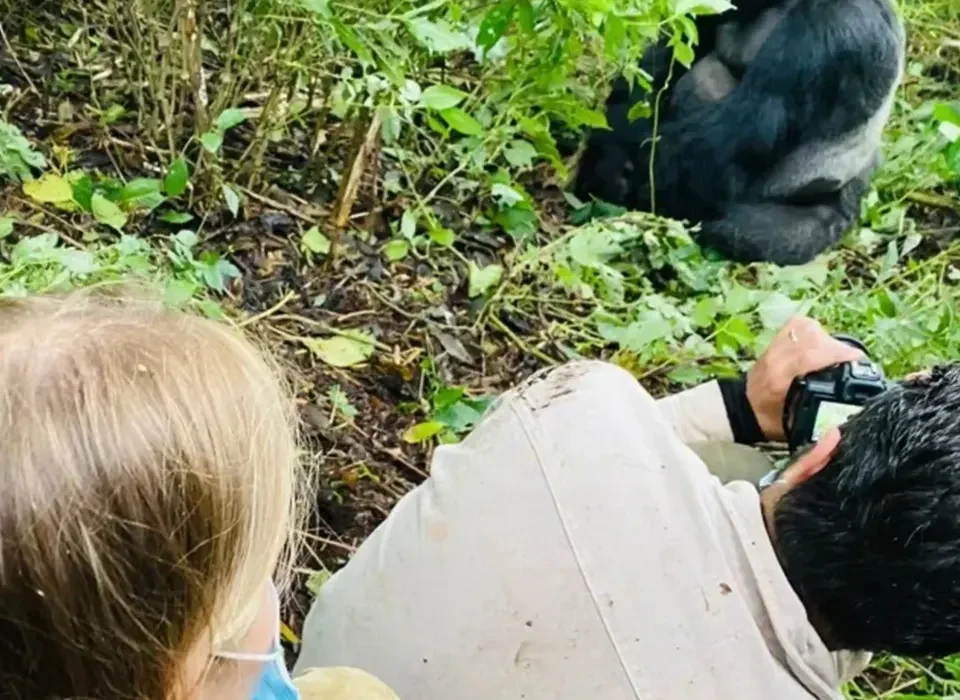
Gorilla trekking is a guided wildlife activity in which visitors hike through the rainforest in search of a habituated gorilla family. Once the gorillas are located, visitors spend a regulated period observing them while maintaining the required distance and following the instructions of the park guides and trackers.
The trek can involve relatively easy walking or several hours of challenging hiking, depending on the location of the gorillas on that particular day. Therefore, physical preparation is useful, especially for travelers who are not accustomed to walking on steep or muddy forest trails.
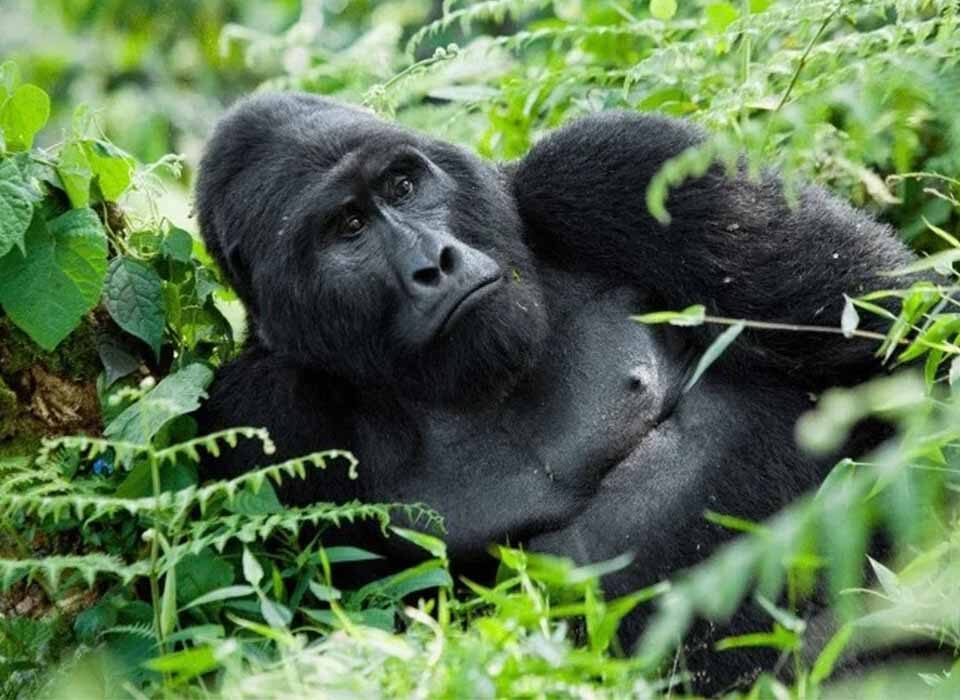
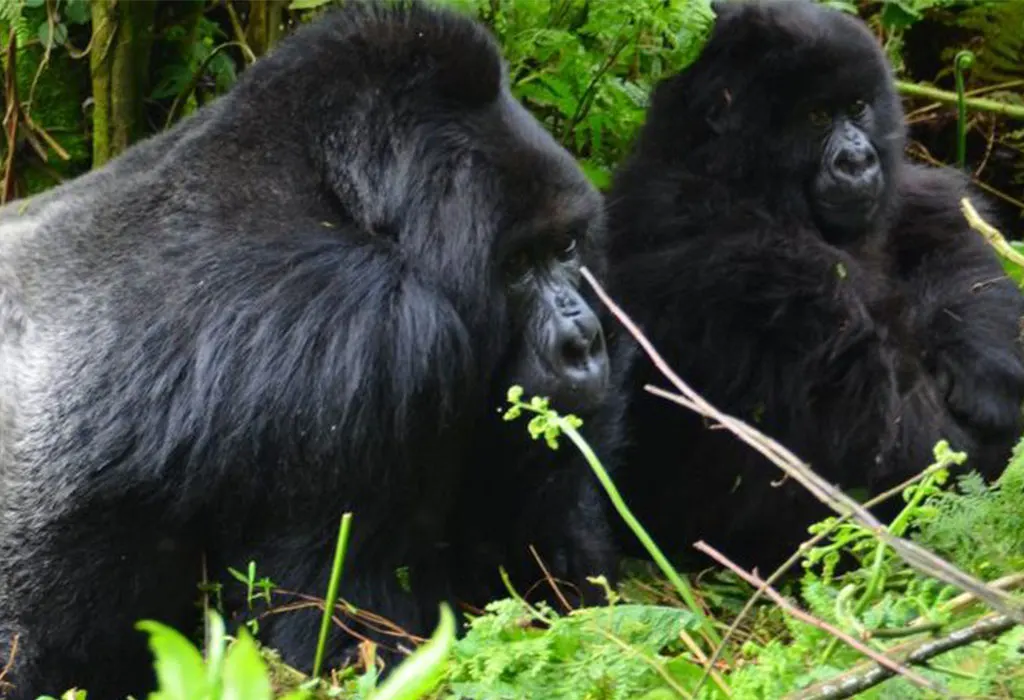
During the encounter, you may watch gorillas feeding, resting, grooming, playing or moving through the vegetation. It is also an excellent opportunity to learn about gorilla behavior, family structures and conservation efforts directly from experienced guides.
Where Can You Go for Gorilla Trekking?
Gorilla trekking is available in several protected areas across East and Central Africa. However, the exact experience varies according to the destination, gorilla species and current park regulations.
In Uganda, travelers can choose between Bwindi Impenetrable National Park and Mgahinga Gorilla National Park. Bwindi is particularly well known for its large population of mountain gorillas and its four trekking sectors: Buhoma, Ruhija, Rushaga and Nkuringo.
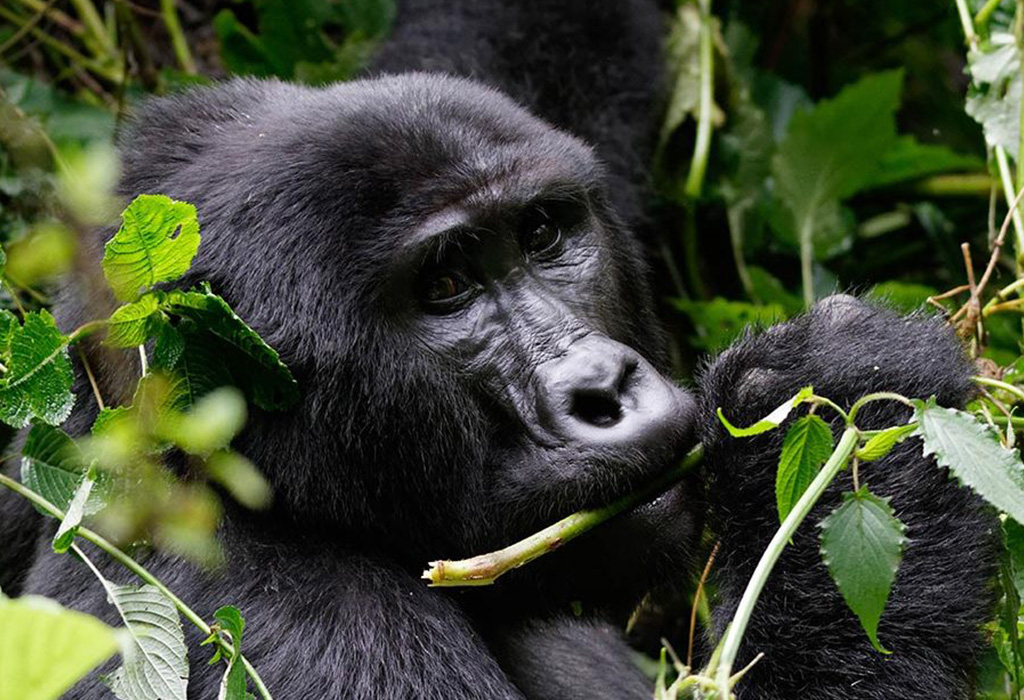
Rwanda’s gorilla trekking takes place in Volcanoes National Park, part of the wider Virunga conservation landscape. The park is easily accessible from Kigali, making it popular with travelers looking for a relatively short gorilla safari.
In the Democratic Republic of Congo, gorilla experiences are associated with Virunga National Park for mountain gorillas and Kahuzi-Biega National Park for eastern lowland gorillas. Because conditions and access can change, travelers should confirm current arrangements before planning their trip.
What Is Gorilla Habituation Experience?
Gorilla habituation is the gradual process through which wild gorillas become accustomed to the presence of people without losing their natural behavior. It allows researchers, trackers and conservation teams to study the animals while preparing them for controlled tourism encounters.
In Uganda, the Gorilla Habituation Experience is associated with the Rushaga sector of Bwindi Impenetrable National Park. Compared with standard gorilla trekking, the habituation experience provides visitors with considerably more time with a gorilla group under the supervision of researchers, trackers and guides.
This makes it particularly attractive to travelers who want a deeper understanding of gorilla behavior and conservation. However, availability, group allocation, pricing and operational rules can change, so it is important to confirm the current requirements when booking.
What Is the Best Time for Gorilla Trekking?
Gorilla trekking can take place throughout the year. Nevertheless, many travelers prefer the relatively drier months because forest trails are generally easier to navigate when there is less rainfall.
In Uganda and Rwanda, the commonly preferred travel periods include June to September and December to February. During these periods, trekking conditions can be more favorable, although weather in rainforest environments remains unpredictable.
The wetter months can also provide rewarding experiences. Rain may make trails muddy and slippery, but the forests remain beautiful and lush, and travelers can sometimes benefit from lower-season travel conditions.
Ultimately, the best time for gorilla trekking depends on your schedule, budget, preferred weather conditions and tolerance for challenging trail conditions.
What Should You Pack for Gorilla Trekking?
Packing correctly can make a major difference during a gorilla trek. The rainforest environment can be wet, muddy and humid, while temperatures may change throughout the day.
For a comfortable gorilla trekking safari, consider carrying:
- Sturdy waterproof hiking shoes with good grip.
- Long trousers and a long-sleeved shirt.
- A lightweight waterproof rain jacket.
- Gardening gloves for protecting your hands from vegetation.
- Long socks to help protect against insects and vegetation.
- A small waterproof backpack.
- Drinking water and high-energy snacks.
- Insect repellent.
- A camera with spare batteries or a power bank.
- Binoculars for observing wildlife and birds.
- A walking stick for additional support on difficult trails.
- Personal medication and basic toiletries.
Avoid carrying unnecessary heavy items because you may have to walk for several hours through uneven terrain.
What Is the Minimum Age for Gorilla Trekking?
The standard minimum age for gorilla trekking is 15 years in Uganda and Rwanda, subject to the regulations of the relevant wildlife authority and destination.
Families traveling with younger children can still enjoy a broader safari experience. While children below the permitted trekking age cannot normally participate in the gorilla trek, they can take part in suitable activities such as cultural visits, nature walks and selected wildlife experiences.
Because age requirements and operational policies can change, families should confirm the current regulations with the relevant park authority or their tour operator before making final arrangements.
How Long Does Gorilla Trekking Take?
One of the most common questions about gorilla trekking is how long visitors should expect to spend in the forest. There is no fixed trekking duration because gorillas move freely through their natural habitat.
Depending on where the gorilla family is located, the hike can take a few hours or considerably longer. Steep terrain, dense vegetation and weather conditions can also affect the walking time.
Once you find the gorillas, however, the standard trekking experience provides a regulated viewing period. This gives visitors enough time to observe the family, take photographs without flash and learn about their behavior from the guides.
Therefore, travelers should avoid scheduling another activity too soon after the trek. Allowing plenty of time makes the day more relaxed.
What Is a Gorilla Trekking Permit?
A gorilla trekking permit is an official authorization that allows a visitor to participate in a regulated gorilla trekking experience. The permit is normally issued through the relevant wildlife authority or authorized booking system for the destination.
The permit is essential because gorilla tourism is carefully controlled to protect the animals and their habitat. It also helps authorities manage the number of visitors who can enter a gorilla group’s territory each day.
When booking a gorilla trekking safari, travelers should confirm exactly what their permit includes because inclusions can vary between destinations and permit categories.
How Much Does a Gorilla Trekking Permit Cost?
The cost of a gorilla trekking permit depends on the country, destination and applicable visitor category. Permit prices can also change when wildlife authorities update their tariffs.
For this reason, travelers should not rely on old online prices when preparing a safari budget. Instead, confirm the current tariff before making payment.
Besides the permit, your total gorilla safari cost may include accommodation, transportation, meals, guide services, visas, flights and optional activities. Working with an experienced operator such as Experiya Tour Company can make it easier to organize these different components into one practical itinerary.
How Do You Book a Gorilla Trekking Permit?
Booking your permit early is one of the most important steps when planning a gorilla trekking safari. First, decide where you want to trek and identify your preferred travel date. You should then check permit availability before finalizing other parts of the itinerary.
Travelers can work directly with the relevant wildlife authority or use a reputable tour operator such as Experiya Tour Company to help coordinate the booking.
A typical booking process involves:
- Choosing your preferred gorilla trekking destination.
- Selecting the trekking date.
- Checking permit availability.
- Providing the required traveler information.
- Making payment according to the booking terms.
- Receiving confirmation of the permit.
- Arranging accommodation, transportation and other safari activities.
Booking early is especially important during popular travel periods because the number of daily permits is limited.
When Should You Book Your Gorilla Trekking Permit?
It is advisable to arrange your permit several months before your intended trekking date, particularly if you plan to travel during a busy season.
Early booking gives you a better opportunity to secure your preferred date and, where applicable, a suitable trekking sector or gorilla family. It also gives your tour operator enough time to organize accommodation and transportation.
If you are planning a gorilla trekking safari in Uganda, Rwanda or Congo, contact Experiya Tour Company early with your preferred travel dates and destination so that availability can be checked before you make other arrangements.
What Is Included in a Gorilla Trekking Permit?
Permit inclusions depend on the destination and the current regulations of the relevant authority. Generally, a standard gorilla trekking permit covers the regulated gorilla viewing experience and the services associated with the official trekking operation.
However, travelers should not assume that accommodation, meals, transportation or personal expenses are included.
Before paying for a gorilla trekking permit, ask your tour operator or the relevant authority to provide a clear breakdown of what the permit covers. This helps you prepare an accurate safari budget and avoid unexpected costs.
What Are the Chances of Seeing Mountain Gorillas?
Gorilla trekking offers a very high likelihood of finding the assigned gorilla family because experienced trackers monitor the animals and begin searching for them before visitors enter the forest.
However, gorillas are wild animals, and their movements cannot be guaranteed. They may move through dense vegetation or travel considerable distances in search of food.
Your guides and trackers use their knowledge of the forest, recent gorilla movements and tracking signs to locate the group. Even so, travelers should approach the experience with the understanding that wildlife encounters are naturally unpredictable.
How Many People Can Trek a Gorilla Family?
Gorilla tourism is carefully managed to limit pressure on the animals. Under standard trekking arrangements, a maximum of eight visitors is generally allowed to visit a habituated gorilla group per day, subject to the current rules of the destination.
The limited group size helps reduce human disturbance and gives visitors a more controlled wildlife experience. Trekking groups normally move with guides, trackers and security personnel as required by the park.
What Are the Gorilla Trekking Rules and Regulations?
Following gorilla trekking rules is essential for protecting both visitors and gorillas. Before entering the forest, your guides will explain the key regulations and expected behavior.
Important guidelines generally include:
- Follow your guide and tracker throughout the trek.
- Keep your voice low when approaching the gorillas.
- Maintain the required distance from the animals.
- Never attempt to touch a gorilla.
- Do not use flash photography.
- Do not leave rubbish in the forest.
- Avoid eating or drinking while close to the gorillas unless instructed otherwise.
- Do not visit the gorillas when you are sick with a potentially infectious illness.
- Follow instructions immediately if a gorilla approaches you.
- Avoid sudden movements and remain calm during close encounters.
The required distance and health protocols can change according to conservation guidance, so always follow the instructions given by your guide on the day of trekking.
What Happens If a Gorilla Charges?
Although gorilla encounters are carefully managed, visitors should remember that these are wild animals. A gorilla may display intimidating behavior, especially if it feels uncomfortable or surprised.
If a gorilla approaches or displays a charge, remain calm and follow your guide’s instructions. Do not run away or make sudden movements. Your guide and trackers understand gorilla behavior and will tell you how to respond safely.
Most importantly, never attempt to provoke, touch or attract the attention of a gorilla for a photograph.
What Other Activities Can You Do After Gorilla Trekking?
A gorilla trekking safari can easily be combined with other attractions in Uganda, Rwanda or Congo. This allows travelers to experience more than just the rainforest.
Depending on your destination and itinerary, you can consider:
- Golden monkey trekking.
- Chimpanzee trekking.
- Wildlife game drives.
- Boat cruises.
- Bird watching.
- Cultural experiences.
- Batwa community visits.
- Guided forest walks.
- Mountain hiking.
- Nature photography.
In Uganda, for example, travelers can combine gorilla trekking in Bwindi with wildlife experiences in Queen Elizabeth National Park, a boat cruise on the Kazinga Channel or cultural experiences around the Kigezi region.
Why Book a Gorilla Trekking Safari With Experiya Tour Company?
Planning a gorilla trekking safari involves more than simply purchasing a permit. You need to coordinate transportation, accommodation, trekking dates and other activities while ensuring that the itinerary matches your available time and budget.
Experiya Tour Company can help travelers organize these different elements into a practical gorilla trekking itinerary. From choosing the appropriate destination to arranging transportation and accommodation, working with a local tour company can simplify the planning process.
Whether you are planning gorilla trekking in Uganda, looking for the best time for gorilla trekking, comparing gorilla trekking permit costs, or preparing for a gorilla trekking safari in Bwindi, early planning gives you more time to organize the experience properly.
Final Thoughts on Gorilla Trekking
Gorilla trekking is much more than a simple wildlife excursion. It combines rainforest hiking, wildlife observation and conservation in one extraordinary experience. From the moment you begin following the forest trail to the moment you encounter a gorilla family, every part of the journey offers something different.
Before traveling, make sure you understand the current permit prices, age requirements, trekking rules, health guidelines and booking procedures. Most importantly, approach the experience with respect for the gorillas and the fragile forest environment they depend on.
With the right preparation, appropriate equipment and a well-organized itinerary, your gorilla trekking adventure can become one of the most memorable experiences of your African safari.