
Do You Need Walking Sticks for Uganda Gorilla Trekking?
September 16, 2025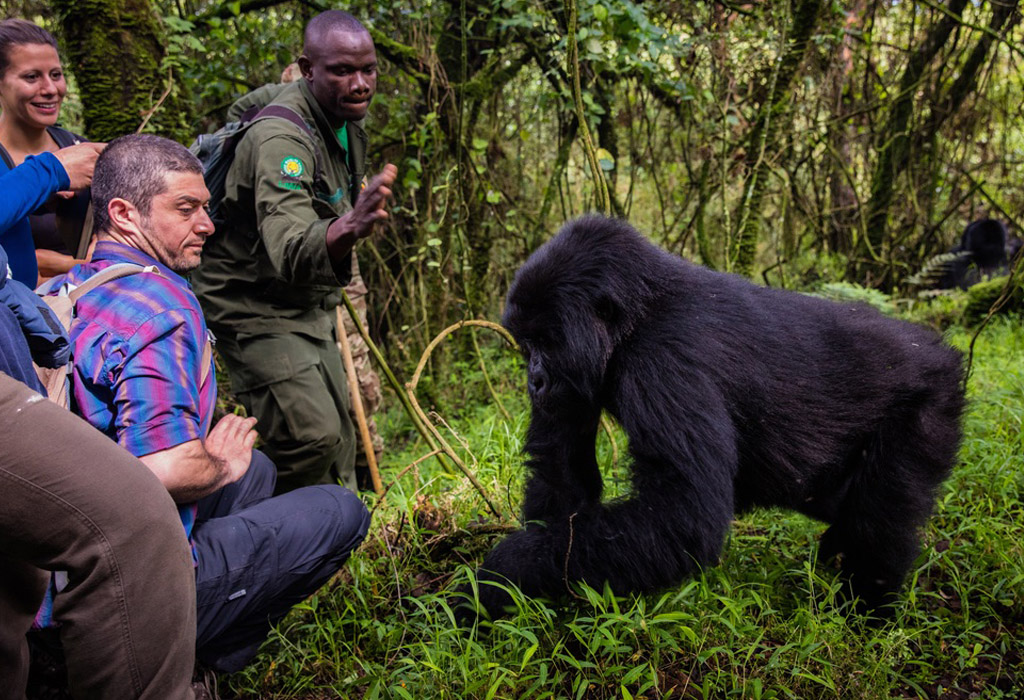
Common Reasons Why Gorillas Are Poached
September 17, 2025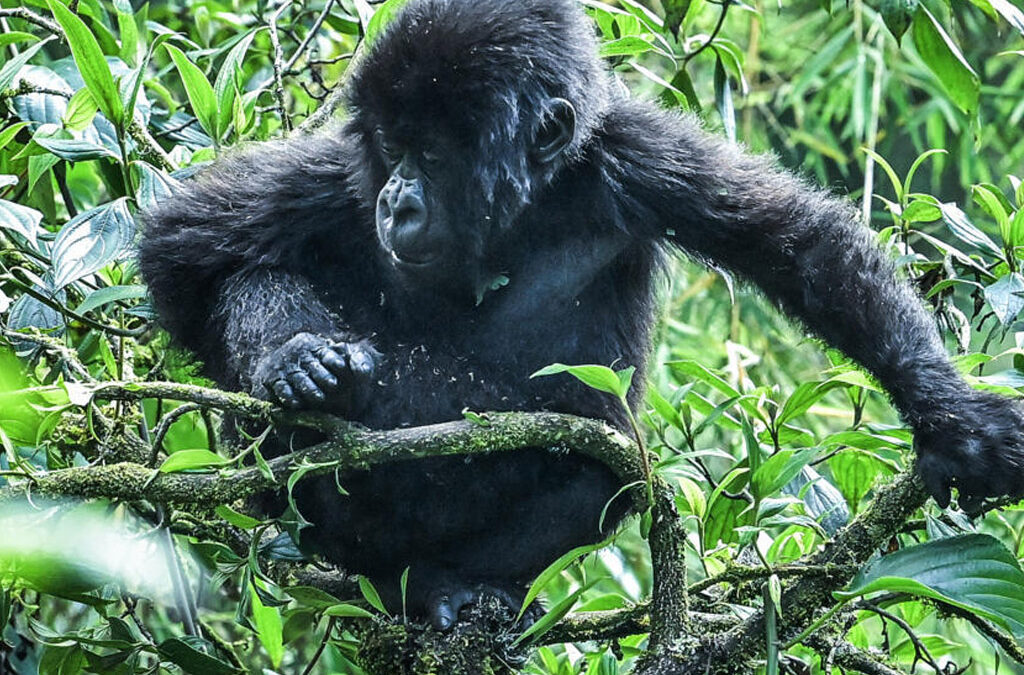
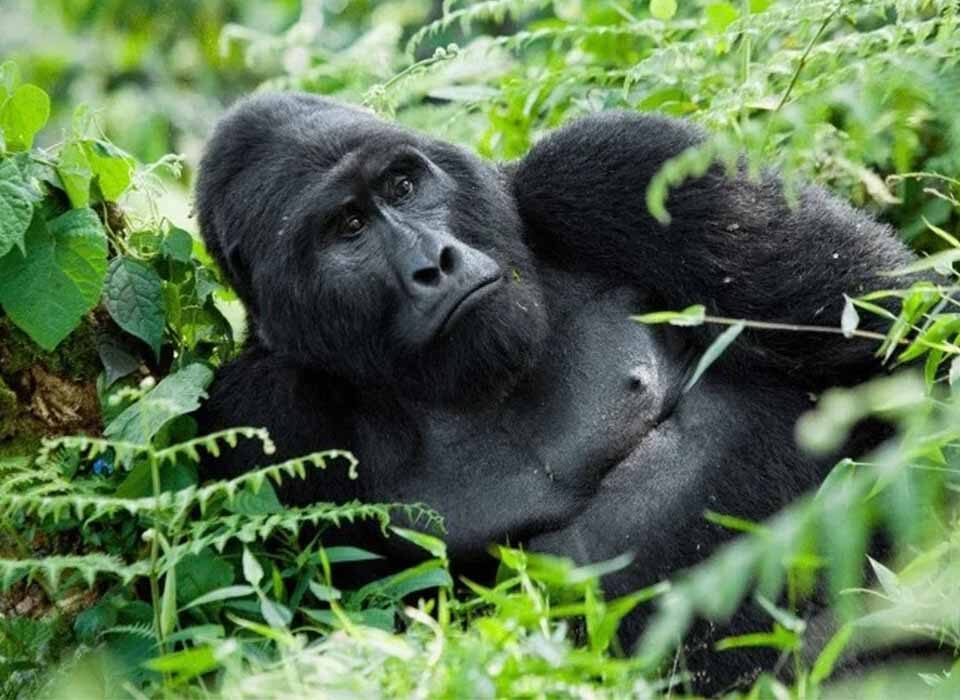
Mountain gorillas are among the most fascinating creatures on Earth. These giant, wild, and intelligent apes are endangered species that share about 98% of their DNA with humans, which is why they are often referred to as our “human cousins.” Unlike other wildlife species that may live solitary lives, mountain gorillas are highly social animals that live in organized family groups. These groups, called troops or families, are central to their survival and daily life.
Species of Gorillas
Gorillas are divided into two main species: lowland gorillas and mountain gorillas.
- Lowland gorillas are often found in captivity, such as zoos, where they live under human care.
- Mountain gorillas, on the other hand, survive only in the wild, mainly in the dense forests of Central and East Africa.
In Uganda, mountain gorillas inhabit Bwindi Impenetrable Forest National Park and Mgahinga Gorilla National Park. Beyond Uganda, they also thrive in Rwanda’s Volcanoes National Park and the Virunga National Park in the Democratic Republic of Congo.
Gorilla Families: The Troop
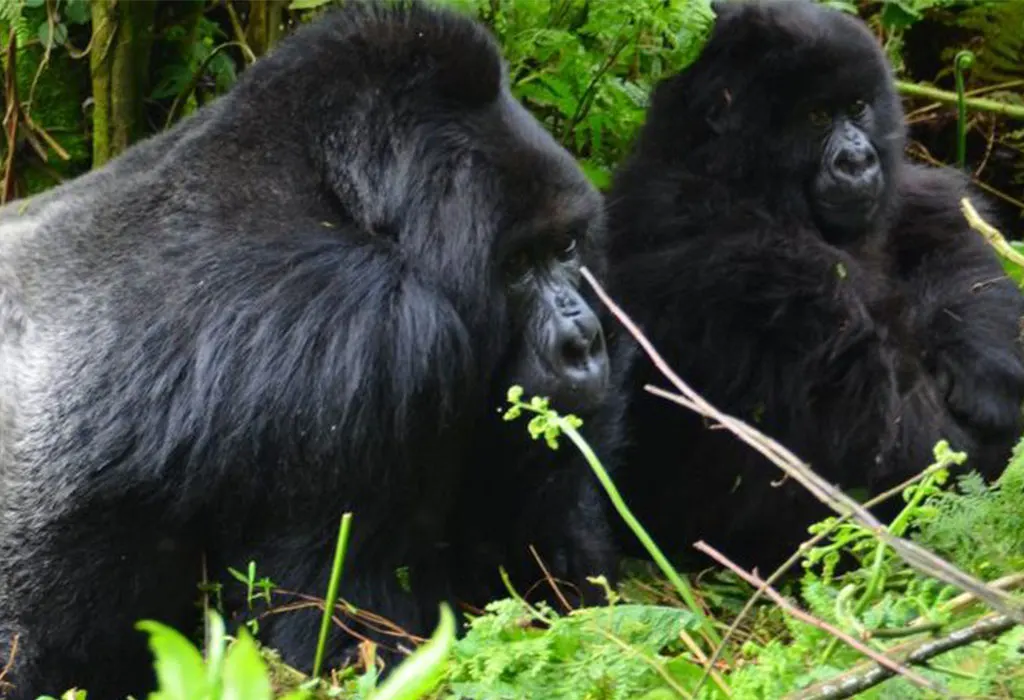
Mountain gorillas are shy yet social apes that live in groups known as troops or families. These families vary greatly in size, often ranging from 5 to 30 members, although some rare cases record groups of up to 60 individuals. In fact, the largest gorilla family ever documented consisted of 65 members in Rwanda.
A typical gorilla family consists of:
- One dominant silverback male, the leader and protector of the group.
- Several adult females and their young.
- Occasionally, more than one silverback or subordinate males, though these usually remain closely related to the leader.
The Role of the Silverback
The silverback is the backbone of the gorilla family. This mature male, easily recognized by the distinctive silver stripe of hair on his back, makes critical decisions for the group. He determines where the family sleeps, feeds, and moves. Most importantly, he protects the troop from external threats such as predators, rival gorillas, or human disturbances.
When the silverback dies, leadership does not disappear. Instead, the family chooses a new leader. Often, the role is taken over by the eldest son of the deceased silverback. If no suitable heir exists, the group may split, or another strong male may assume control.
Family Life and Daily Routines
Life in a gorilla family is a rich mix of cooperation and bonding. Gorillas spend their days engaging in activities such as:
- Roaming the forest in search of fresh vegetation.
- Feeding on leaves, stems, roots, and fruits.
- Playing, especially the younger gorillas, who wrestle, chase, and climb as part of their development.
- Grooming, an essential behavior that strengthens social bonds and helps maintain hygiene.
Through these daily activities, gorillas maintain strong social ties within the troop, ensuring both safety and emotional stability.
Female and Male Roles in Family Formation
Female gorillas typically leave the group where they were born once they reach maturity at around 8–10 years of age. They then join a new family to reproduce. This behavior prevents inbreeding and allows the species to thrive. Once a female chooses a new family, it becomes her permanent group. However, females that arrive later may not always receive the full benefits of high-ranking status within the troop.
Males, on the other hand, often face a different path. If a young male grows up in a troop with limited breeding opportunities, he may leave and live a solitary life. During this time, he gradually matures, gains strength, and eventually forms his own family. This process can take several years, but it ensures that new families are created, maintaining the population structure.
Gorilla Families in Uganda
Uganda is home to 12 habituated gorilla families, each open to tourism and research. These groups are found in the four main sectors of Bwindi Impenetrable National Park and in Mgahinga Gorilla National Park.
Families in Bwindi Impenetrable National Park
- Rushaga Sector – Known for the highest concentration of gorilla families, including:
- Bweza
- Nshongi
- Kahungye
- Busingye
- Mishaya
- Ruhija Sector – Smaller but equally significant, with families such as:
- Bitukura
- Oruzogo
- Kyaguliro
- Buhoma Sector – The oldest gorilla trekking region, with families including:
- Rushegura
- Habinyanja
- Mubare
- Nkuringo Sector – Home to a single but popular family:
- Nkuringo
Family in Mgahinga Gorilla National Park
- Nyakagezi Family – This is the only habituated family in Mgahinga. It is well known for its mobility, sometimes crossing into Rwanda or the DRC but now more settled in Uganda.
Conflicts and Power Struggles
Although gorilla families may appear peaceful, they are not free from conflict. Males often compete for dominance, especially when more than one silverback is present. These fights are not only about breeding rights but also about leadership and protection of the family. While confrontations can turn violent, they are also a natural way of maintaining balance within the troop.
Why Family Structure Matters
The family system is vital to the survival of mountain gorillas. By living in groups, they protect each other, raise their young together, and maintain a social environment that ensures the continuity of the species. The dominance of the silverback provides stability, while the participation of females ensures the growth of the family through reproduction.
Conclusion
Yes, mountain gorillas live in families, and this social structure is essential to their survival. From the leadership of the silverback to the nurturing roles of females and the playful spirit of young gorillas, every member contributes to the well-being of the troop. In Uganda, Rwanda, and the Democratic Republic of Congo, conservation efforts continue to protect these incredible creatures and their family groups.
For travelers, observing a gorilla family in its natural habitat is one of the most profound wildlife experiences in the world a reminder of how closely connected humans are to these gentle giants.