

Nightlife Safari: Nocturnal Creatures You Don’t See During Day Drives
February 12, 2026
How Safe Is Virunga National Park For Travelers in 2026?
February 12, 2026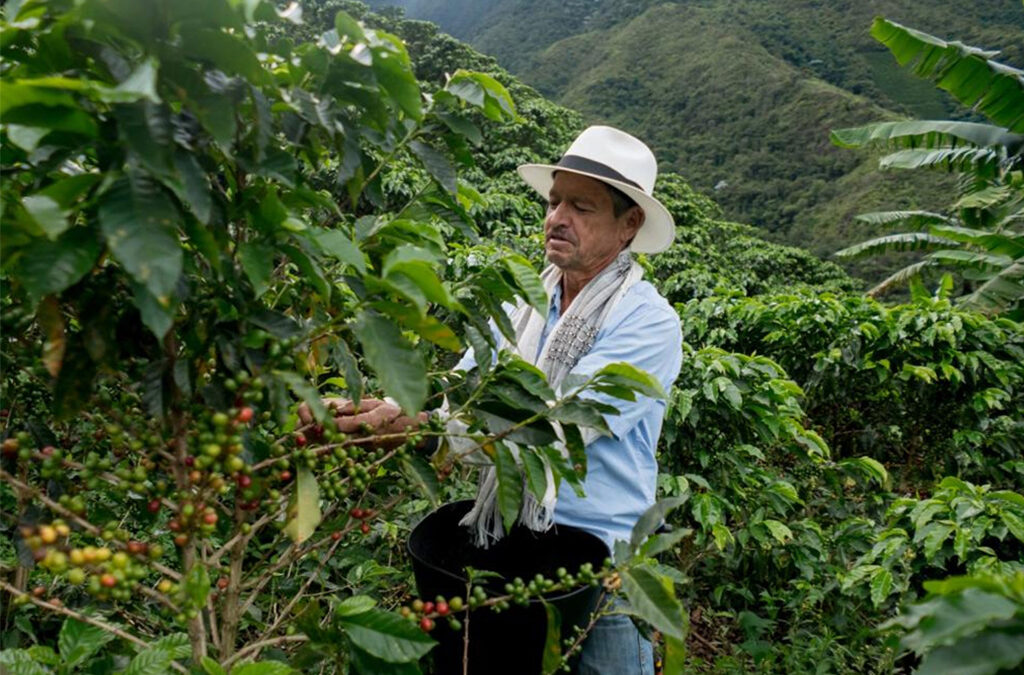
Rwanda, famously known as the “Land of a Thousand Hills,” has earned global recognition for producing award-winning specialty coffee. Over the years, this small East African nation has become a must-visit destination for travelers seeking authentic cultural experiences.
Beyond its breathtaking landscapes, Rwanda offers visitors a chance to explore scenic coffee plantations, learn about sustainable farming practices, and taste some of the finest Arabica beans in the world. As you journey through the rolling hills, you quickly realize that coffee here is not just a crop it is a story of resilience, community, and pride.
A Brief History of Coffee in Rwanda
Coffee first arrived in Rwanda in the early 1900s through German missionaries. However, the industry took decades to mature into the respected global sector it is today.
Following the 1994 genocide, Rwanda prioritized coffee as a key pillar of economic recovery. The government, alongside international development partners, invested in high-quality Arabica cultivation, built modern washing stations, and strengthened farmer cooperatives.
As a result, Rwanda transformed its coffee industry and positioned itself among Africa’s leading specialty coffee producers. Today, global buyers actively seek Rwanda single-origin beans for their quality, traceability, and distinctive flavor profiles.
What Makes Rwandan Coffee Unique?
Several natural and human factors combine to create Rwanda’s exceptional coffee.
First, the country’s volcanic soils provide rich nutrients. Second, high altitudes ranging between 1,500 and 2,000 meters slow the ripening process of coffee cherries. Finally, Rwanda’s ideal climate allows beans to develop complex and refined flavors.
Most farmers grow Bourbon Arabica, a variety celebrated for its balanced structure and elegant taste. Expect floral aromas, bright acidity, and delightful notes of red fruit and citrus in every cup.
In addition, farmers hand-pick each cherry and use traditional washing techniques to maintain strict quality control. More than 400,000 smallholder farmers carefully manage their plots, preserving generations of agricultural knowledge while embracing sustainable practices.
Because of this commitment, Rwanda aligns perfectly with growing global demand for ethical sourcing, traceable coffee, and farm-to-cup experiences.
The Best Places to Experience Coffee Tours
Visiting a Rwandan coffee plantation offers much more than a simple farm tour. Instead, it provides a full cultural immersion.
Several regions stand out for coffee tourism, including Nyamasheke, Gakenke, Huye, and Rutsiro. Each district showcases unique terroirs and long-standing farming traditions.
In the Southern Province, visitors can participate in cherry picking, observe fermentation and drying processes, and even roast and brew their own coffee. Meanwhile, washing stations near Lake Kivu combine hands-on learning with scenic relaxation along the lakeshore.
Many travelers integrate coffee tours into broader Rwanda itineraries, pairing them with wildlife safaris, conservation activities, and cultural experiences. As a result, coffee tourism becomes a meaningful complement to adventure travel.
Coffee and Community Empowerment
Coffee plays a vital role in Rwanda’s social and economic development. The industry empowers rural families, supports education, and strengthens local communities.
Women and youth increasingly take leadership roles within cooperatives, gaining access to training, financial literacy programs, and business development opportunities. During guided visits, travelers can meet cooperative members and hear firsthand stories about how coffee income has improved livelihoods and funded community projects.
By purchasing beans directly from local producers, visitors actively contribute to rural empowerment. This connection between tourism and development has strengthened the growth of community-based tourism in East Africa.
Coffee Tasting: A True Sensory Experience
No coffee journey is complete without a traditional cupping session. During this experience, local guides teach visitors how to evaluate aroma, body, acidity, and flavor notes.
As you inhale the fragrance and taste the layered notes, you begin to understand the craftsmanship behind every bean. In addition to farm-based tastings, Kigali’s vibrant café culture offers modern spaces where visitors can continue their coffee exploration.
These cafés also serve as training hubs for young Rwandans pursuing careers in hospitality and barista skills. Therefore, coffee tasting supports both cultural appreciation and professional development.
Adding Coffee to Your Rwanda Itinerary
Incorporating a coffee experience into your Rwanda safari is simple and rewarding. Many travelers schedule visits to cooperatives between national park adventures or city tours.
For example, you can combine coffee tourism with gorilla trekking in Volcanoes National Park, a wildlife safari in Akagera, or an art and history exploration in Kigali.
Moreover, a coffee farm visit enriches any cultural tour and provides an opportunity to purchase freshly roasted beans as meaningful souvenirs.
Conclusion
Rwandan coffee represents far more than a delicious beverage. It connects visitors to the land, the farmers, and the powerful stories behind each harvest.
Through educational farm visits, sustainable practices, and immersive tasting experiences, Rwanda offers one of Africa’s most enriching coffee journeys. Whether you are a specialty coffee enthusiast, a cultural explorer, or an adventurous traveler, discovering Rwanda’s coffee culture adds depth and flavor to your journey.
With every fruity, aromatic sip, you will remember the mist-covered hills and hardworking communities that make Rwandan coffee truly exceptional.
