
How to Combine Gorilla Trekking with a Big Five Safari in One Trip
December 4, 2025
Akagera vs Queen Elizabeth National Park: Which Is Better for a Big Five Safari?
December 4, 2025
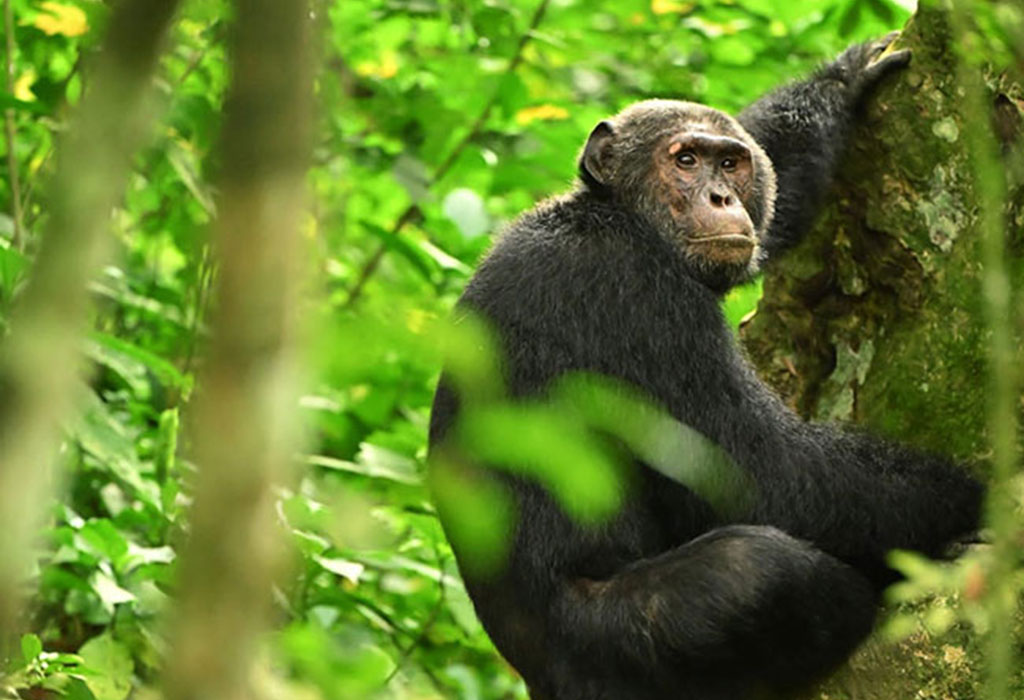
Chimpanzees are some of the most exciting primates to see in the wild, and Uganda is one of the best places in the world to meet them. Many visitors hear about two activities, chimpanzee trekking and chimpanzee habituation—but they are not always sure how they differ. Both experiences take place in beautiful forest parks like Kibale National Park, Kalinzu Forest, and Budongo Forest. Both let you watch chimps in their natural home. However, the time you spend with the chimps, the style of the activity, and what you get to see are very different. Understanding these differences helps you choose the experience that fits your interests and your schedule.
What Is Chimpanzee Trekking?
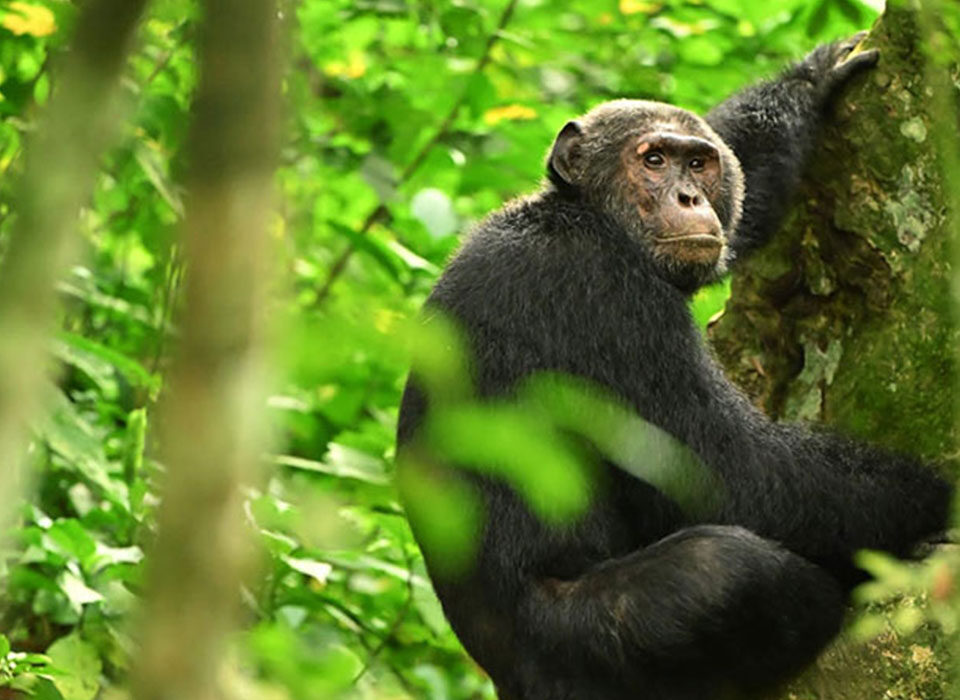
Chimpanzee trekking is the most common experience for visiting chimps. It involves walking into the forest with a guide and tracking a chimp community that is already used to seeing people. Once you find them, you spend one full hour watching them go about their daily lives. You may see them feeding, grooming each other, or climbing high into the trees. The time is short but very exciting because the chimps are active and always on the move. Trekking is perfect for travelers who want to see chimps but have limited time, or for those who want a lighter and easier activity that still offers amazing wildlife moments.
What Is Chimpanzee Habituation?
Chimpanzee habituation is a deeper and longer experience. Instead of spending one hour with the chimps, you spend up to four hours with them. You join researchers and rangers who are training the chimps to get used to human presence. Because this process is still ongoing, the chimps are wilder and less predictable than those visited during trekking. You follow the group for a big part of the day, observing how they move, feed, build nests, or communicate. This experience feels more raw, more natural, and more immersive. It is ideal for people who love primates, photography, or scientific-style adventures.
Differences in Time and Depth of Experience
The biggest difference between the two activities is the amount of time you spend with the chimps. Trekking gives you one hour, while habituation gives you several hours. This extra time allows you to see more behaviors. During habituation, you may watch the chimps wake up from their night nests, follow them as they travel through the trees, and sit quietly as they interact with one another. This creates a deeper connection and gives you a better understanding of their social structure. Trekking is shorter but still exciting because the chimps are usually easy to find and active.
Differences in Difficulty
Chimpanzee trekking is usually easier because the chimps being visited are well habituated and easier for guides to locate. The walk may be short or long, depending on where the chimps are, but it is normally manageable for most visitors. Habituation requires more walking and more patience. The chimps move faster, so you should expect to follow them for longer distances. The activity can last up to half a day, which can be tiring but also rewarding. People who choose habituation usually enjoy the physical challenge and the chance to spend more time in the forest.
Differences in Cost and Permits
Chimpanzee habituation is more expensive than trekking because you get much more time with the chimps and because the activity supports research. Trekking permits are more affordable and more common. Both activities require booking your permit early, especially during the high season, because spaces are limited. Uganda Wildlife Authority limits daily visitors to protect the chimps and keep the experience natural for everyone.
Which Experience Should You Choose?
If you want a shorter adventure that still offers amazing close-up views of chimps, then chimpanzee trekking is the perfect choice. It fits well in most safari itineraries and still gives you incredible photos and memories. If you want more time with the chimps, love learning about wildlife behavior, or want a deeper and more natural experience, then chimpanzee habituation is the better option. The extra hours let you feel like part of the forest and give you a rare opportunity that few travelers ever experience.
Where to Do Both Activities
Uganda is the best place for both chimp trekking and habituation. Kibale National Park is the top destination because it has the highest chimp population and the most reliable sightings. Habituation is especially popular there. Trekking can also be done in Kalinzu Forest, Budongo Forest near Murchison Falls, and Toro-Semliki Wildlife Reserve. Each place offers a slightly different forest environment, but all give you a good chance of seeing chimps.
Why Book With a Trusted Tour Operator
A professional tour company like Experiya Tour Company helps you secure your chimp permits, plan your travel route, and choose the right forest destination for your interests. They also arrange comfortable lodges and experienced guides who understand the forests well. Booking with experts makes your experience smooth and allows you to enjoy your adventure without worrying about logistics.