
Chances of Seeing Mountain Gorillas in Bwindi and Rwanda
September 16, 2025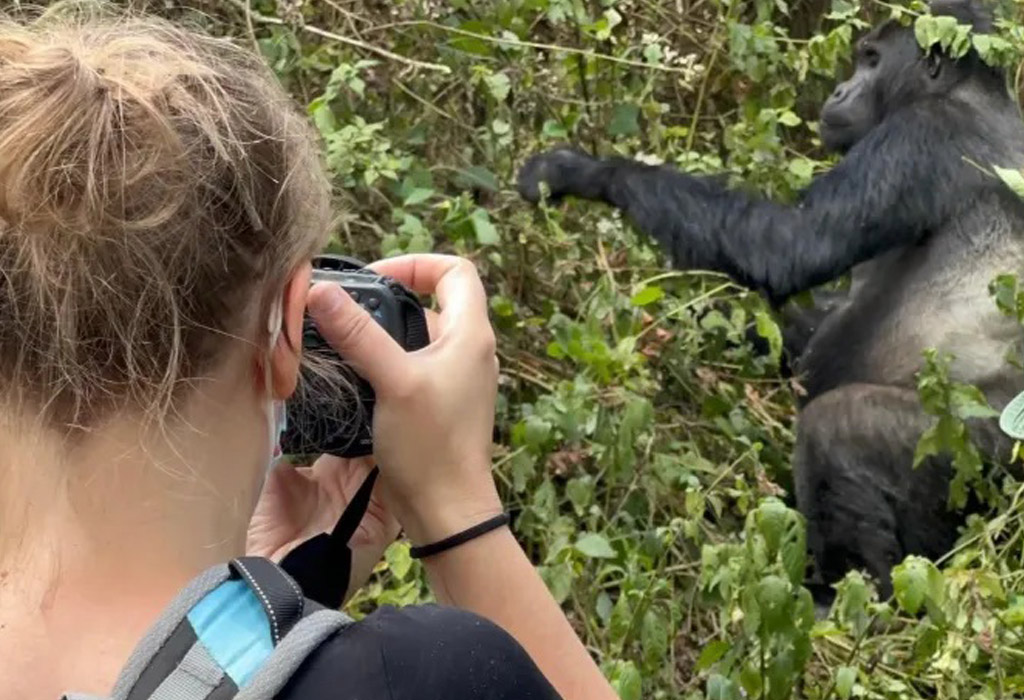
Gorilla Conservation in Uganda, Rwanda, and Congo
September 16, 2025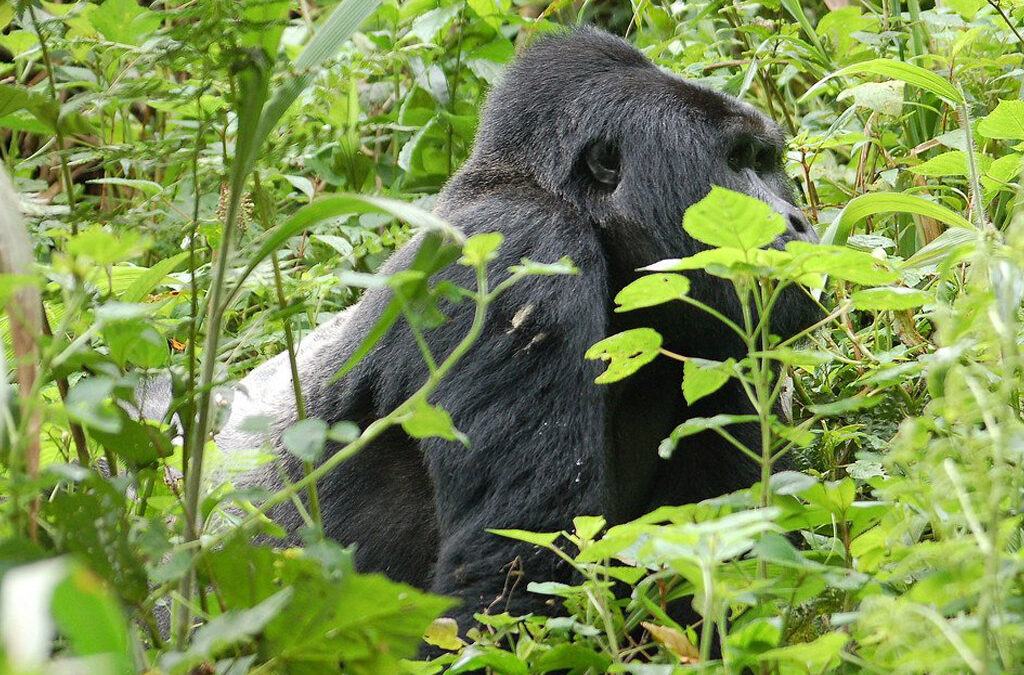
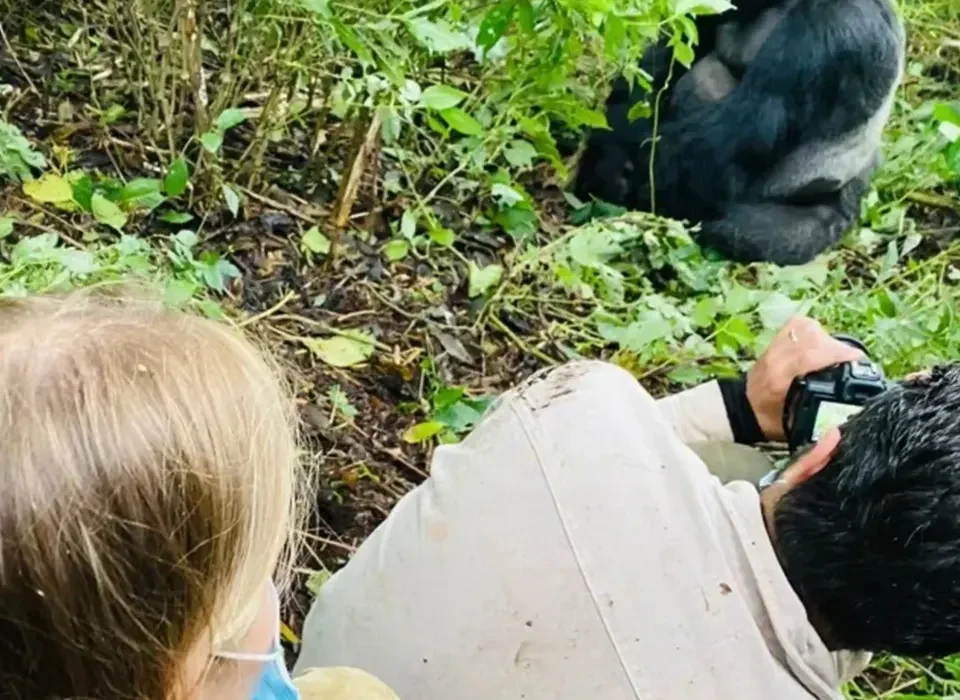
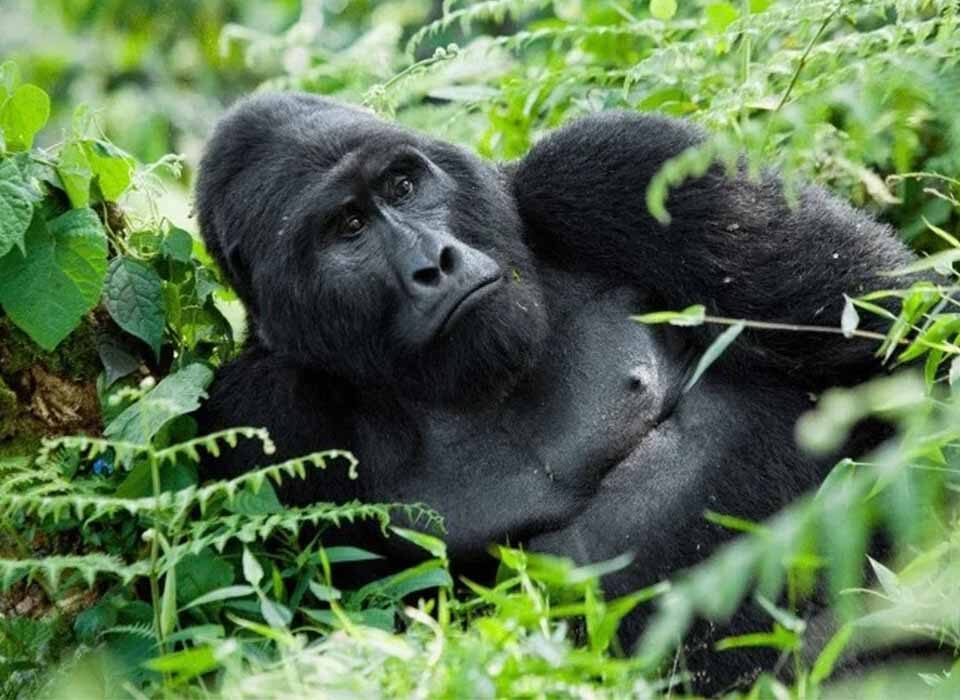
Gorilla trekking is arguably the most fascinating wildlife experience in Africa. Unlike a game drive in the Masai Mara or Serengeti, it feels more like paying a visit to our closest ancestors. Every year, tens of thousands of people travel to Africa to see these majestic primates in the wild. Mountain gorilla trekking is especially popular because the species is listed as endangered by the IUCN. Their low numbers make them even more sought after compared to their lowland cousins.
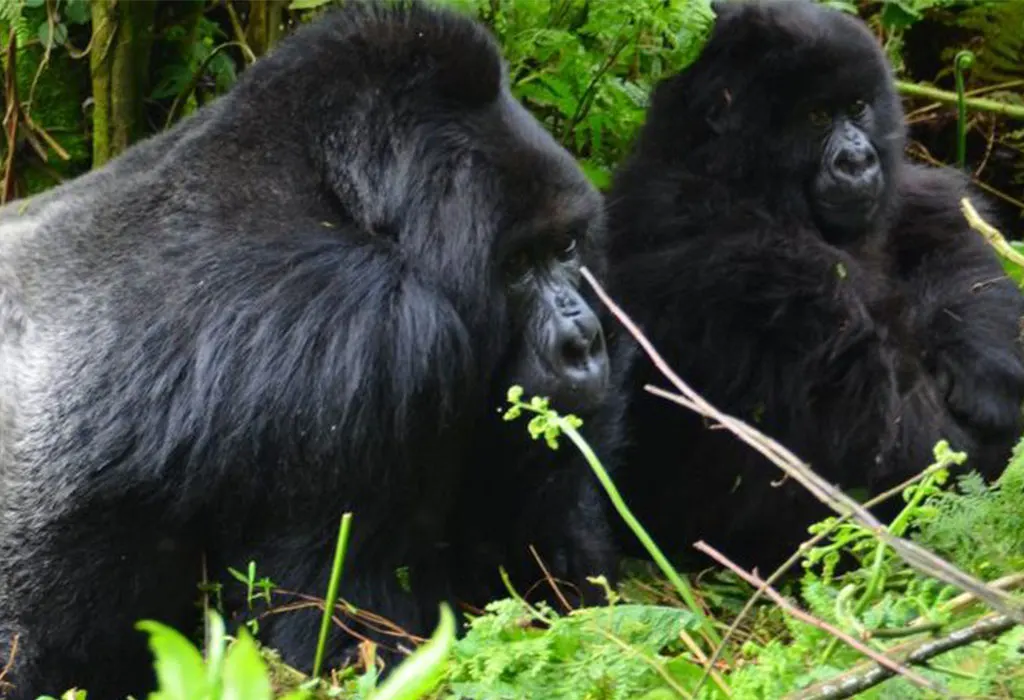
Mountain gorillas live in families or groups of about 20 members on average. However, not every group is open to tourists. Currently, there are 34 habituated mountain gorilla families across the region: 15 in Uganda, 10 in Rwanda, and 8 in the Democratic Republic of Congo (DRC).
The Best Gorilla Groups to Track
Many travelers often ask: Which is the easiest gorilla group to track? The answer is not straightforward. In all gorilla parks, some families are easier to find while others are more challenging. Trekking may take as little as 30 minutes or stretch up to six hours.
In general, Rwanda’s gorilla families are considered easier to reach. However, Mgahinga National Park in Uganda and some families in Bwindi and Virunga also offer shorter treks. Bwindi alone has nearly double the number of habituated families compared to Rwanda, with some groups closer to the starting points while others live deeper in the forest.
It is important to remember that gorillas are wild. A family that was once difficult to reach may later migrate closer to the park offices. Likewise, groups change over time new silverbacks emerge, babies are born, and dynamics shift. What was true in the past may not be the same today.
Gorilla Families in Uganda
Uganda has two national parks with mountain gorillas: Mgahinga Gorilla National Park and Bwindi Impenetrable National Park.
- Mgahinga: Only one habituated group exists here the Nyakagezi family.
- Bwindi: This park has the highest number of gorilla families, spread across four sectors: Buhoma, Ruhija, Rushaga, and Nkuringo.
Among these, the Rushegura family in Buhoma is often considered the easiest to track. However, their movements change with the seasons, so ease of access is never guaranteed.
Rushaga sector also offers a unique gorilla habituation experience, which allows visitors to spend more hours with the primates—a rare opportunity only available in Uganda.
Gorilla Families in Rwanda
Rwanda has 10 habituated gorilla families located in Volcanoes National Park. The main advantage here is accessibility: the park is only a two-hour drive from Kigali.
Notable groups include: Agashya, Amahoro, Bwenge, Hirwa, Kwitonda, Sabyinyo, Susa A, Susa B, and Umubano.
- The Amahoro family is often described as the best to track due to its peaceful nature.
- The Susa A group is one of the hardest to reach but remains popular because it was studied extensively by Dian Fossey.
Gorilla Families in Congo
The Democratic Republic of Congo has 8 habituated gorilla groups. What makes the DRC special is that it is the only country where both mountain gorillas and lowland gorillas can be seen.
The gorilla families here include: Bageni, Humba, Kabirizi, Lulengo, Mapuwa, Munyaga, Nyakamwe, and Rugendo.
Permits in Congo are also the most affordable, costing around $400, compared to $800 in Uganda and $1,500 in Rwanda.
How Gorilla Groups Are Allocated
The Early System
In the early days of gorilla tourism, Uganda allocated families months in advance on a first-come, first-served basis. Travelers would choose specific groups, and their permits reflected that choice. However, this system proved impractical because some groups became extremely popular while others were ignored.
The Current System
Today, both Uganda and Rwanda allocate gorilla groups on the morning of the trek, at the park offices. Permits now indicate only the sector, not the specific family. The allocation is done by park officials based on several factors:
- Level of Fitness
Gorillas live in dense forests, often on steep terrain. Park officials visually assess travelers and assign groups accordingly. Less fit travelers are given families closer to the starting point, while those in good condition may be assigned harder treks. Seniors and disabled travelers can request sedan chairs and porters for support. - Age of Travelers
Age is loosely used as a guide. Younger participants may be given medium treks, while older travelers are considered for easier routes. However, physical fitness is always more important than age. - Gorilla Permit and Park Sector
In Uganda, the permit indicates the sector (e.g., Rushaga, Buhoma). Travelers can only be assigned families within that sector. - Traveler Preferences
Tourists can express interest in certain groups or sectors. While not always guaranteed, requests are often considered, especially during low season. - Season of Travel
During peak season, securing a preferred family is difficult due to high demand. In low season, there is more flexibility and room for negotiation. - Multiple Treks (Double Tracking)
If you trek more than once, you can usually request a different family on the second day. Rangers are often accommodating, especially if you have built rapport.
Coping with a Difficult Trek
If you are allocated a more challenging trek, preparation is key. You can cope better by:
- Walking long distances before your trip to build stamina.
- Bringing proper gear such as sturdy hiking boots, gloves, rain jackets, and walking sticks.
- Carrying essentials like drinking water, snacks, insect repellent, and a camera.
Additionally, hiring a porter is highly recommended. Porters not only carry your equipment but also assist during steep or slippery sections. This small fee directly supports local communities and students who work as porters to fund their education.
Final Thoughts
Regardless of which gorilla family you track, the experience is always unique. Each group has its own dynamics, personalities, and surprises. Thanks to advance teams of trackers who set out early every morning, the chances of seeing gorillas are extremely high close to 100%.
Gorilla trekking is more than just an adventure; it is an intimate connection with one of our closest relatives in the animal kingdom. With proper planning and preparation, it becomes a life-changing journey you will never forget.