Buying Uganda Gorilla Permits: A Complete Guide for Gorilla Trekking
August 18, 2026
Can I Reschedule My Gorilla Trekking Permit for Bwindi?
August 18, 2026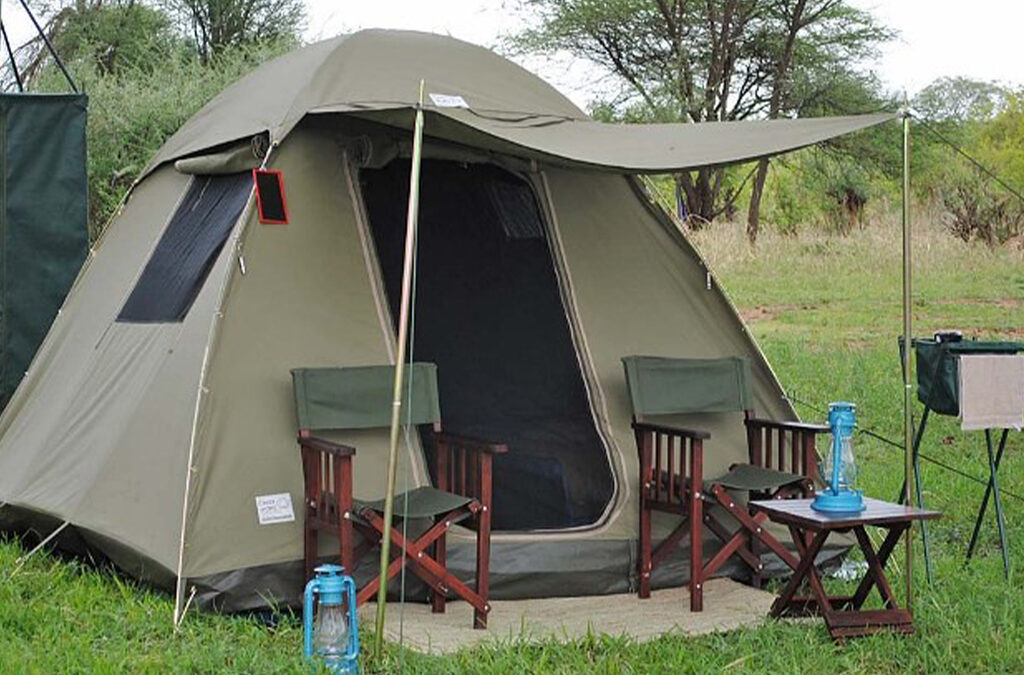
Uganda offers some of the most rewarding camping experiences in East Africa. From wide savannah plains and peaceful lakeshores to dense tropical forests, the country provides a remarkable variety of landscapes for travelers who want to experience nature beyond the comfort of a traditional lodge.
Camping also gives you a closer connection to Uganda’s wilderness. At night, you may hear distant animal calls, insects buzzing through the forest, or the gentle sounds of water nearby. In the morning, you can wake up to birdsong, fresh air, and beautiful views that make the experience feel truly special.
Whether you are an experienced camper or preparing for your first outdoor adventure, choosing the right campsite and carrying suitable equipment can make a significant difference. Experiya Tour Company helps travelers discover Uganda’s natural beauty while enjoying safe, memorable, and responsible camping experiences.
Best Camping Sites in Uganda
Uganda has numerous destinations where travelers can enjoy camping alongside wildlife, forests, mountains, and lakes. Each location offers a different experience, so your ideal campsite will depend on the kind of adventure you want.
Murchison Falls National Park
Murchison Falls National Park is an excellent destination for travelers who want to combine camping with a classic African safari. The park is famous for the powerful Murchison Falls, where the Victoria Nile forces its way through a narrow gorge before continuing toward Lake Albert.
Camping here allows you to experience the wilderness from a different perspective. During the day, you can enjoy game drives across the savannah in search of elephants, giraffes, buffaloes, antelopes, and lions. You can also take a boat trip along the Nile, where hippos and crocodiles are common.
Several camps and designated camping areas operate around the park. Red Chilli Rest Camp, for example, has long been popular with travelers looking for a more budget-friendly safari experience. However, always confirm current campsite availability, park requirements, and safety arrangements before your trip.
Queen Elizabeth National Park
Queen Elizabeth National Park combines dramatic scenery with abundant wildlife, making it another attractive destination for camping. The park contains open grasslands, woodland, wetlands, crater lakes, and the famous Kazinga Channel.
Camping gives you an opportunity to experience the atmosphere of the park more intimately. Depending on the area you choose, you may enjoy views of the surrounding savannah while listening to birds and other wildlife.
The Ishasha sector in the southern part of the park is particularly appealing to adventurous travelers. It is known for its tree-climbing lions, elephants, buffaloes, and beautiful wilderness landscapes.
Because you will be staying close to wildlife, camping in and around Queen Elizabeth National Park requires careful attention to park regulations. Never leave food unattended or walk away from your campsite without following the guidance of park authorities or your guide.
Lake Mburo National Park
For travelers seeking a quieter camping experience, Lake Mburo National Park is a wonderful choice. The park is relatively compact but supports an impressive range of wildlife, including zebras, impalas, buffaloes, elands, hippos, and numerous bird species.
Camping around Lake Mburo allows you to enjoy the peaceful relationship between water and wildlife. Depending on your campsite, you may hear hippos calling from the lake or wake up to birds moving through the surrounding vegetation.
The area is also suitable for travelers interested in activities beyond traditional game drives. You can explore the park on a guided walking safari, take a boat trip, or experience a cycling safari in appropriate areas.
Bwindi Impenetrable National Park
Bwindi Impenetrable National Park offers a completely different camping experience. Instead of open savannah, you enter a cool, misty rainforest filled with towering trees, vines, ferns, and remarkable biodiversity.
The forest is internationally famous for its mountain gorillas, and camping near the park can complement a gorilla trekking adventure. The Buhoma area, for instance, has community-based accommodation and camping options that allow visitors to experience the forest while supporting local communities.
Camping near Bwindi requires good preparation because the area can receive rainfall throughout the year. A waterproof tent, dry bags, suitable clothing, and warm sleeping equipment are especially important.
Essential Camping Gear for Uganda
The right equipment can turn a difficult camping trip into a comfortable and enjoyable adventure. Uganda’s climate varies considerably between destinations, so prepare for sunshine, cool evenings, insects, and sudden rainfall.
Choose a Strong, Weather-Resistant Tent
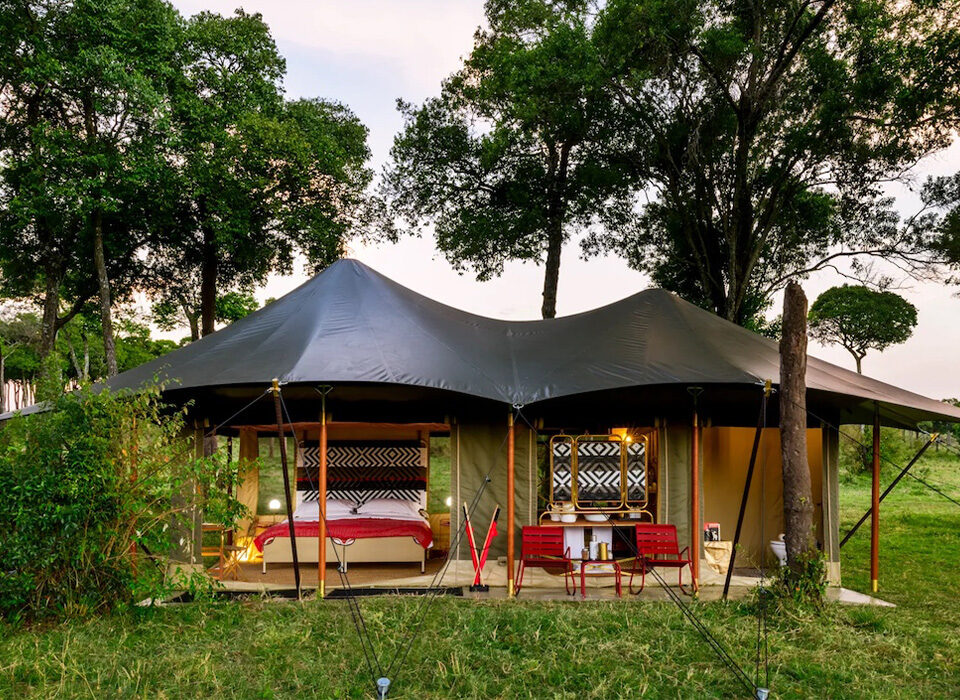
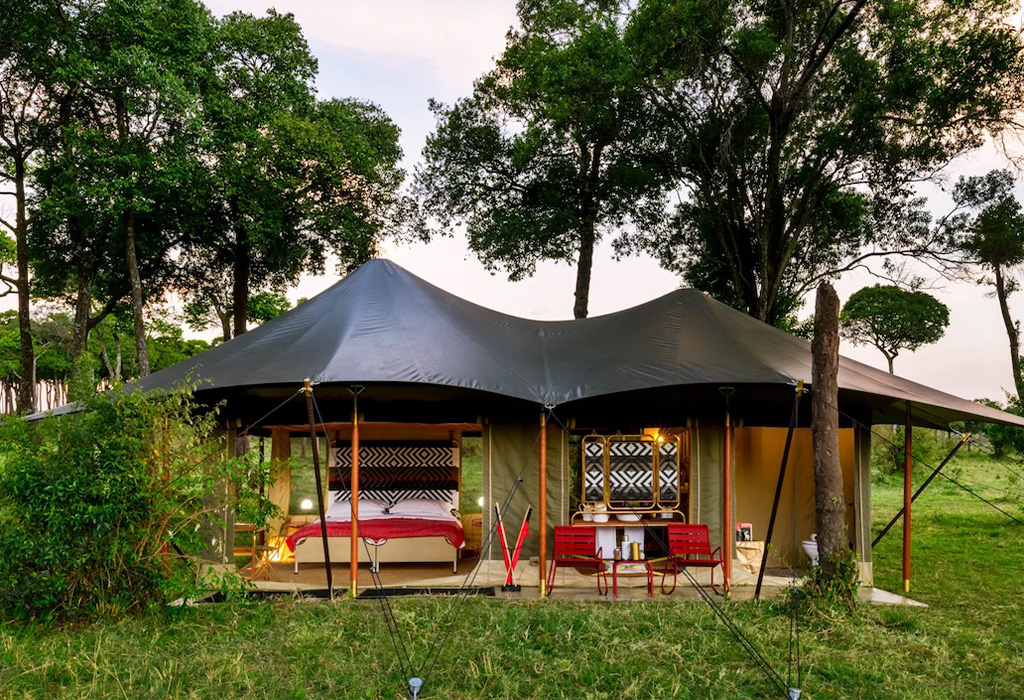
Your tent is your primary shelter, so choose one that can withstand rain and changing weather conditions. A good-quality waterproof tent with a strong rainfly will provide protection during unexpected showers.
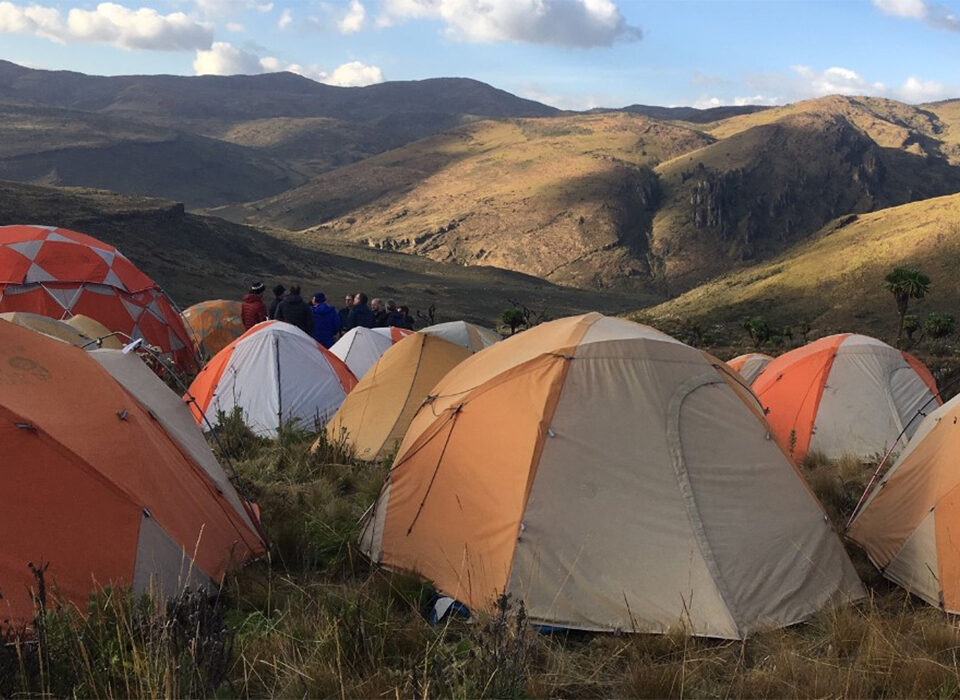
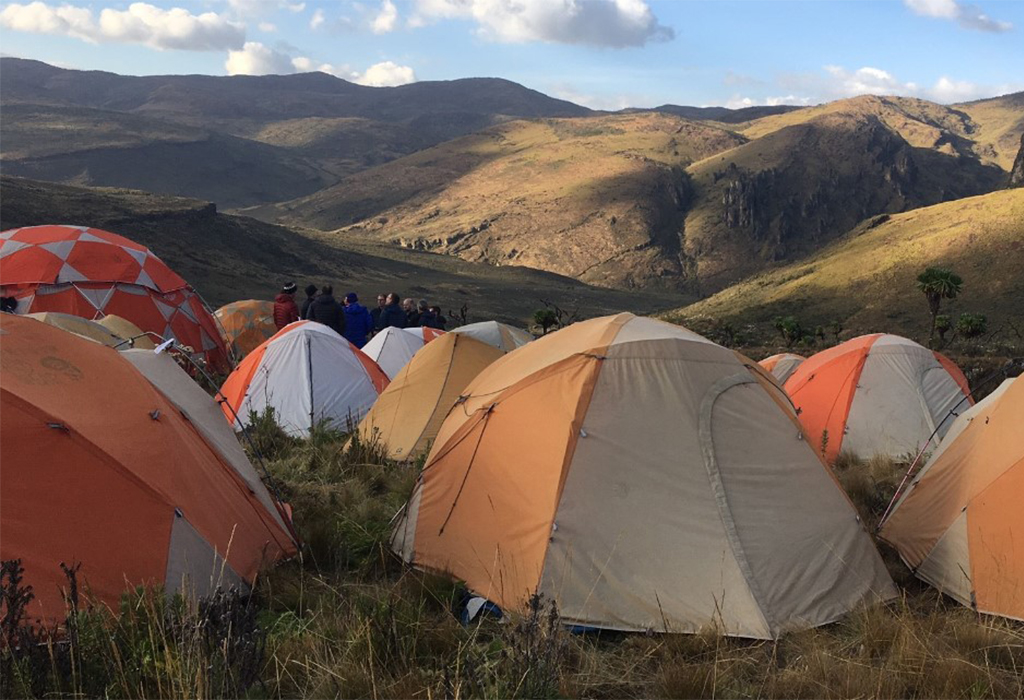
For safari camping, consider a tent that is easy to assemble and pack. If you plan to camp in forested or mountainous areas, choose equipment designed to handle cooler and wetter conditions.
Carry a Comfortable Sleeping Bag and Mat
A sleeping bag provides warmth during cool nights, while a sleeping mat protects you from cold ground and improves comfort.
Choose a sleeping bag appropriate for the temperatures you expect at your destination. A lightweight inflatable or foam sleeping mat can also make your camping experience much more comfortable without taking up excessive space.
Pack Reliable Cooking Equipment
If your camping arrangement allows self-cooking, bring practical equipment such as a portable stove, lightweight cookware, cups, plates, and utensils. Choose compact equipment that is easy to transport.
However, some national parks and campsites have specific rules regarding fires and cooking. Always follow the instructions provided by park authorities and campsite managers.
Do Not Forget Lighting
Darkness arrives quickly in many wilderness areas, making reliable lighting essential. A headlamp is particularly useful because it leaves your hands free when cooking, setting up camp, or moving around your tent.
You can also carry a rechargeable lantern or flashlight. Bring spare batteries or a power bank where appropriate, especially if you will spend several nights away from reliable electricity.
Protect Yourself From Insects
Mosquitoes and other insects are common in many parts of Uganda. Carry an effective insect repellent and consider wearing long-sleeved clothing and trousers during periods of high insect activity.
A mosquito net can provide additional protection, particularly where your camping setup does not already include one.
Prepare for Rain
Uganda’s tropical climate means that rainfall can occur even when the day begins with clear skies. Waterproof jackets, ponchos, dry bags, and waterproof covers can help protect both you and your belongings.
Keep important items such as passports, phones, cameras, and documents inside waterproof bags. This simple precaution can save you from significant problems if heavy rain arrives unexpectedly.
Carry a First Aid Kit
A basic first aid kit should form part of every camping setup. Include items suitable for treating minor cuts, blisters, headaches, insect bites, and other common travel problems.
Also carry any personal medication you require. For longer or more remote trips, consult a qualified medical professional about additional preparations before departure.
Navigation and Communication Equipment
Although a professional guide can handle navigation during many safari and camping trips, it is still useful to carry a charged phone, offline maps, or a GPS device.
A power bank can help keep your communication devices working when electricity is unavailable. In remote areas, however, mobile coverage may be limited, so do not rely entirely on your phone for navigation or emergencies.
Camping Safely in Uganda’s Wilderness
Camping in a national park is very different from camping in an ordinary recreational area. Wildlife may move near campsites, especially after dark. Therefore, always follow instructions from your guide, campsite staff, and Uganda Wildlife Authority regulations.
Never approach wild animals, attempt to feed them, or leave food and rubbish around your tent. Avoid wandering outside designated areas at night unless you have appropriate guidance.
Before setting up camp, confirm whether you need a park entry fee, camping fee, permit, or other authorization. Requirements can differ between destinations and may change over time.
Practice Responsible Camping
A memorable camping experience should not come at the expense of Uganda’s environment. Responsible travelers can help protect the country’s parks and communities by following Leave No Trace principles.
Dispose of waste properly, avoid damaging vegetation, minimize unnecessary noise, and never remove plants, rocks, or other natural materials. If you build a fire where fires are permitted, use designated areas and extinguish it completely before leaving.
Responsible tourism also extends to local communities. Whenever possible, use locally owned services, purchase locally made products, and respect cultural customs. Your choices can help tourism contribute directly to the people living around Uganda’s protected areas.
Consider a Guided Camping Adventure
If you are unfamiliar with wilderness camping, a guided trip can provide greater comfort and peace of mind. An experienced guide can help with campsite arrangements, transportation, wildlife safety, local regulations, and activities.
Experiya Tour Company can help travelers organize camping adventures around Uganda’s national parks and other scenic destinations. Whether you want a wildlife safari, forest adventure, lakeside retreat, or a combination of experiences, professional planning can make the journey smoother.
Capture the Experience Responsibly
Uganda’s wilderness provides countless opportunities for photography. From elephants crossing the savannah to mist-covered forests and spectacular sunsets, you will find plenty of moments worth remembering.
Carry a camera or smartphone, but remember to enjoy the experience beyond the screen. When photographing wildlife, maintain a safe distance and follow your guide’s instructions. Avoid using flash where it could disturb animals.
Conclusion
Camping in Uganda offers an exciting way to experience the country’s extraordinary landscapes and wildlife. From the powerful Nile at Murchison Falls and the diverse ecosystems of Queen Elizabeth National Park to the peaceful shores of Lake Mburo and the ancient forests of Bwindi, every destination provides its own character and adventure.
With a durable tent, comfortable sleeping equipment, reliable lighting, insect protection, waterproof clothing, first aid supplies, and appropriate navigation tools, you can prepare for a more enjoyable outdoor experience.
Most importantly, approach Uganda’s wilderness with respect. Follow park regulations, protect the environment, respect wildlife, and engage positively with local communities. With thoughtful preparation and the right guidance, your camping adventure can become one of the most rewarding ways to discover Uganda.
Experiya Tour Company is ready to help you explore Uganda through carefully planned safari and camping experiences that bring you closer to nature while keeping your journey comfortable, safe, and memorable.