Do Gorillas Recognize Humans? Understanding the Emotional Intelligence of Mountain Gorillas
December 4, 2025
Outdoor Body Exercises You Can Do on Safari
December 4, 2025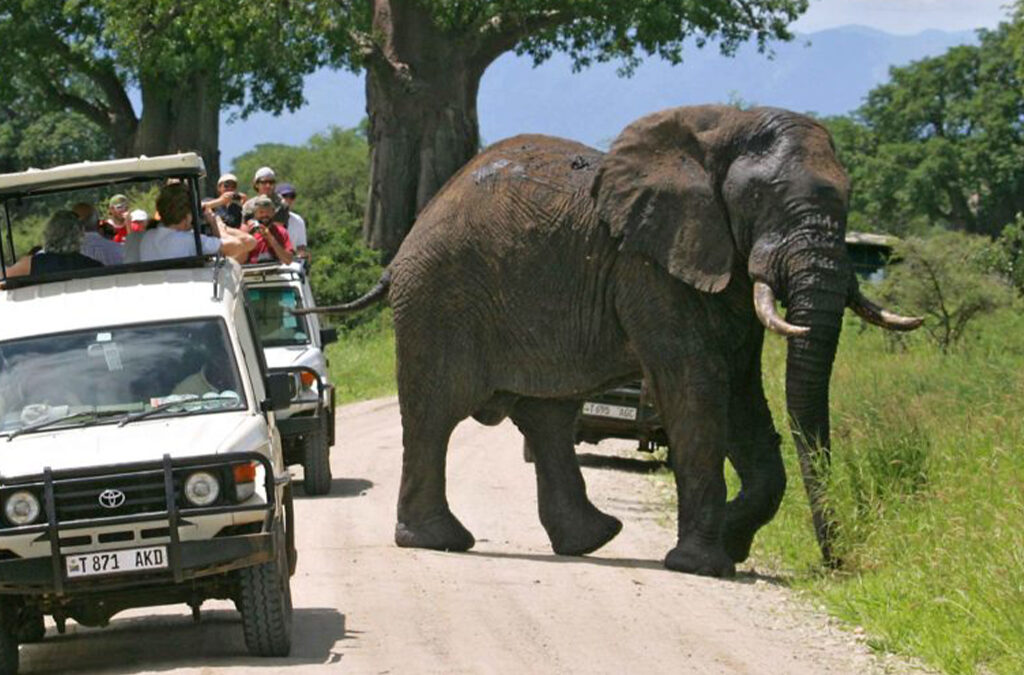
Visiting Tarangire National Park is an unforgettable experience, and timing your trip can significantly enhance your safari adventure. While the park is open year-round, choosing the right season allows you to engage fully with the wildlife and enjoy the diverse safari activities on offer.
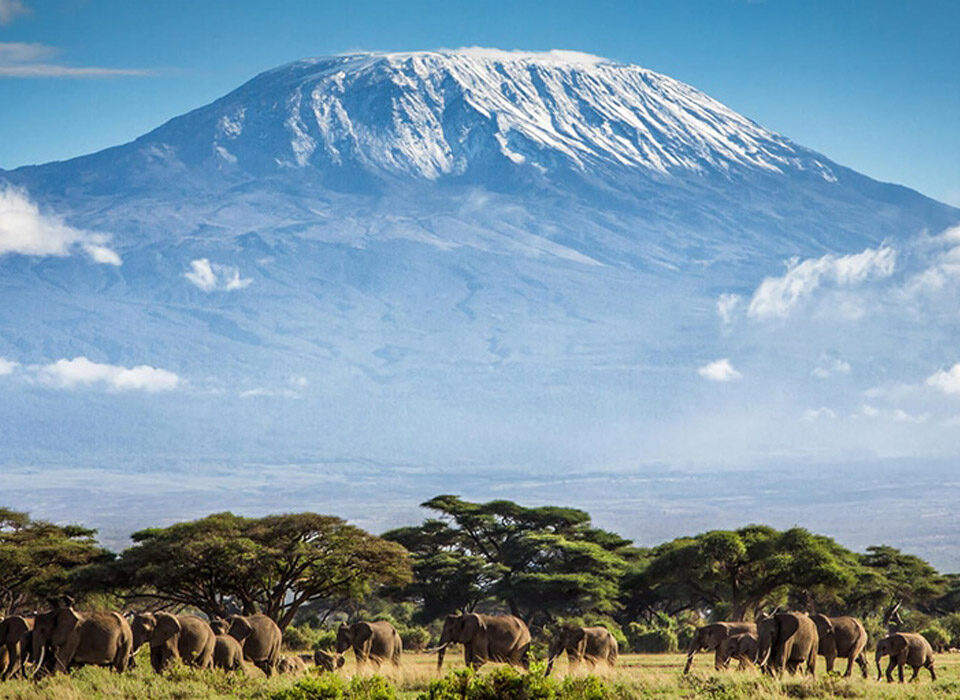
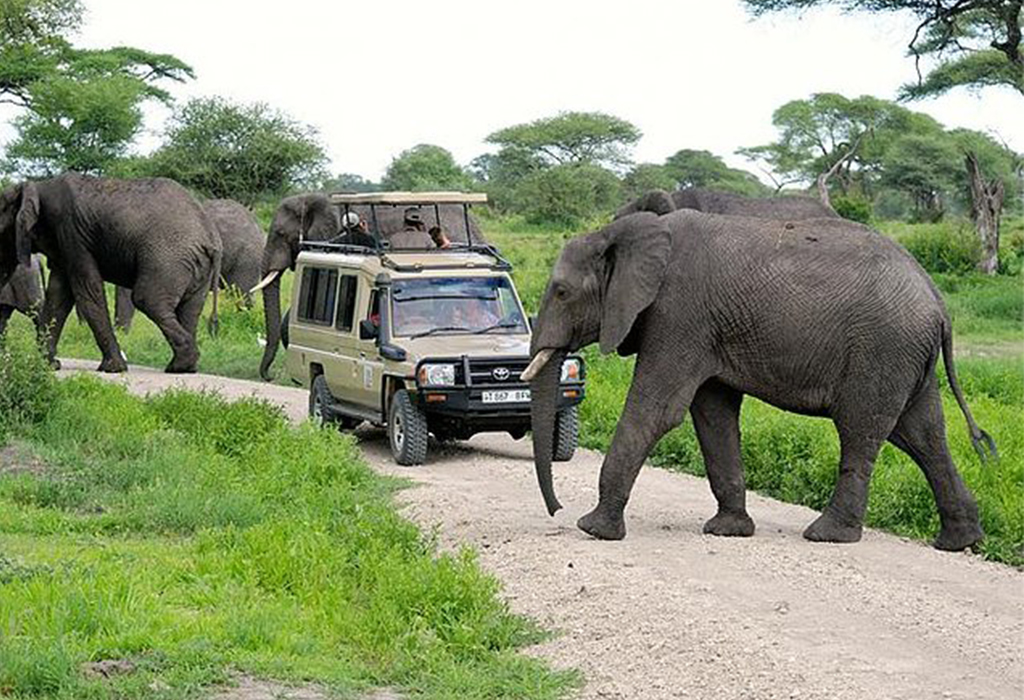
Located just a few kilometers from Arusha town, Tarangire National Park is famous for its vast wildlife, second only to Serengeti National Park, and for having the highest population density of elephants in Tanzania. The park’s stunning landscapes, ranging from savannahs to swamps, provide the perfect backdrop for spotting large herds of elephants, giraffes, zebras, and other wildlife.
The weather in Tarangire is temperate and enjoyable, with two distinct rainy seasons: the short rains from November to December and the long rains from March to May. There is usually a brief dry spell in January and February. Understanding these seasonal patterns can help you choose the best time for your visit.
Month-by-Month Guide for Visiting Tarangire National Park
January to March – The Green Season
Visiting Tarangire between January and March is a delightful experience. This period falls within the park’s green season, when vegetation is lush and vibrant following the short rains. The landscape comes alive with color, offering stunning scenes for photography and wildlife spotting.
This period is particularly excellent for birdwatching, as the park is home to over 500 bird species, including crested francolins, hoopoes, hornbills, steppe eagles, brown parrots, bateleur eagles, and the impressive lappet-faced vultures. The greenery, combined with active wildlife, creates a truly immersive safari experience.
April to May – The Long Rains
During April and May, Tarangire experiences the long rains, with frequent, though usually short, downpours. Cloudy skies are common, and temperatures drop slightly due to cold fronts rolling in.
The wet season offers several advantages: it is the off-peak tourist season, allowing for more affordable accommodations and fewer crowds in the park. Birdwatching remains excellent, but spotting some wildlife may be more challenging due to thick vegetation. Some species, like oryx and gerenuk, may temporarily leave the park in search of food and water.
June to October – The Dry Season
The dry season, from June to October, is widely considered the best time to visit Tarangire National Park. During this period, vegetation thins, and animals congregate around rivers and waterholes, making wildlife easier to spot.
This is the ideal time to witness Tarangire’s iconic tree-climbing lions, along with leopards, elephants, giraffes, zebras, wildebeest, and spotted hyenas. With fewer mosquitoes and flies, the dry season also reduces the risk of malaria and other insect-related inconveniences. The sunny, dry weather makes game drives and other safari activities comfortable and enjoyable.
November to December – Beginning of the Green Season
Visiting in November and December marks the start of Tarangire’s green season. The first rains rejuvenate the landscape, turning dry, brown areas into lush greenery. Acacia and baobab trees come back to life, flowers bloom, and animals start breeding. Migrant birds return, creating a vibrant and dynamic environment perfect for wildlife and birdwatching enthusiasts.
Activities to Enjoy in Tarangire National Park
Game Drives
Game drives are the quintessential safari activity in Tarangire. Riding in an open-top vehicle, you can enjoy close encounters with animals such as elephants, giraffes, buffaloes, zebras, impalas, warthogs, and monkeys. The Tarangire River attracts animals throughout the year, particularly during the dry season, ensuring unforgettable wildlife sightings.
Walking Safaris
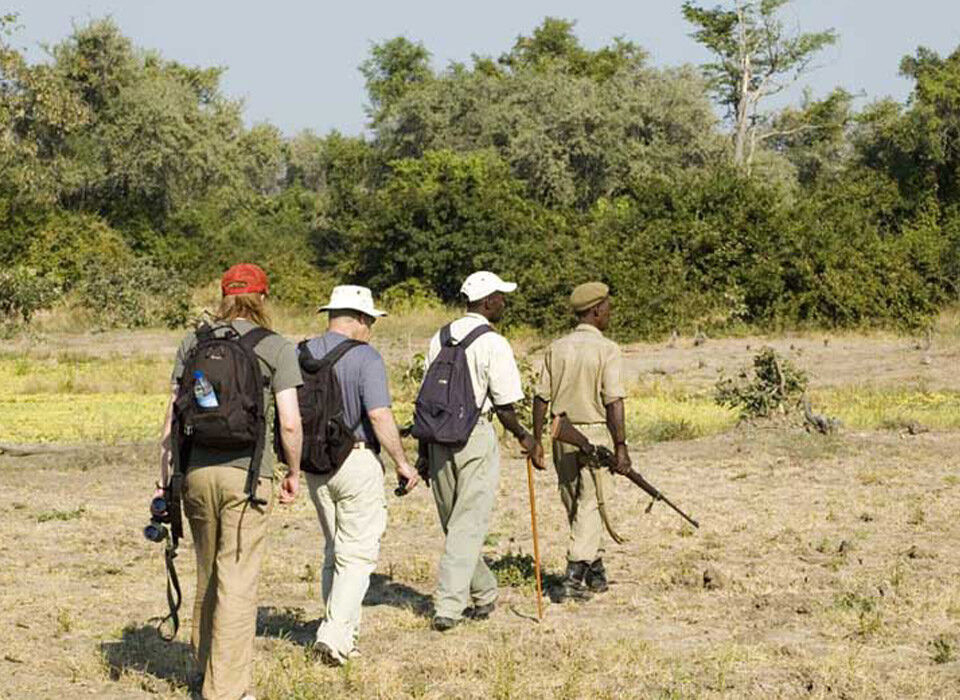
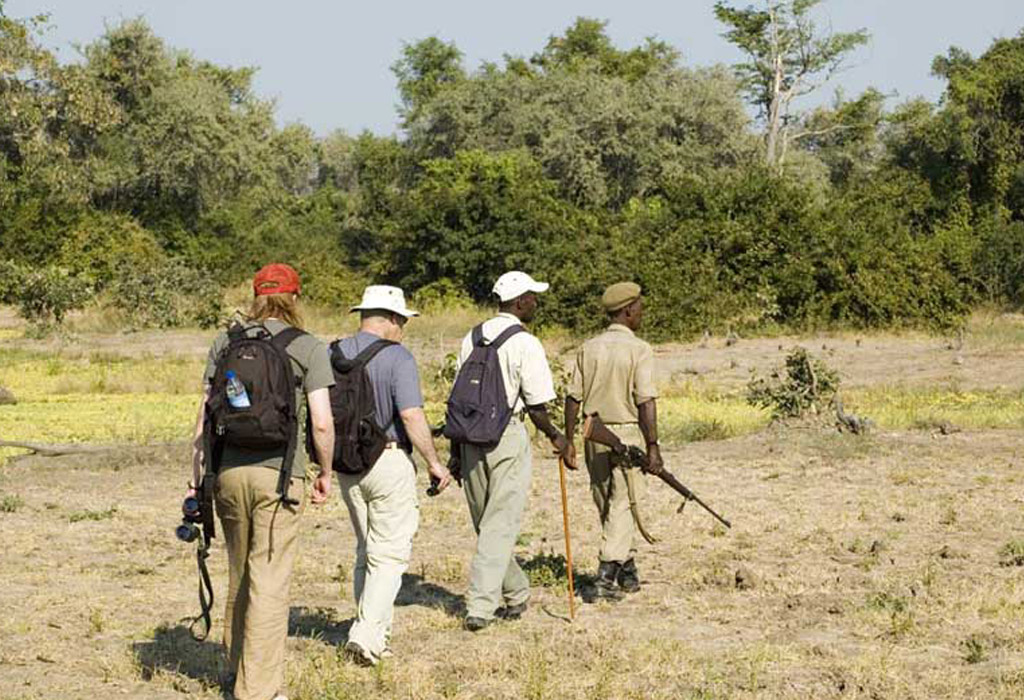
For a more intimate connection with nature, embark on a walking safari guided by experienced rangers. Walking allows you to observe subtle details, including animal tracks, plants, and small wildlife, while gaining insights into the park’s ecology. This experience offers a unique perspective and brings you closer to the wilderness.
Birdwatching Tours
Tarangire is a birdwatcher’s paradise, with more than 500 species present year-round. Birding is especially rewarding during the wet season (November to March) when both resident and migrant species are active. Expect to see hamerkops, eagles, ashy starlings, ostriches, hornbills, bee-eaters, and colorful parrots among others. Expert guides can help you identify species by their calls, colors, and behaviors.
Cultural Encounters
Beyond wildlife, Tarangire offers cultural experiences with local communities, particularly the Maasai. Visitors can participate in traditional dances, observe crafts being made, visit homesteads, and learn about the local way of life. These interactions provide a deeper understanding of the region and create memorable experiences that complement your safari adventure.
Tarangire National Park offers an incredible mix of wildlife, birdwatching, and cultural experiences. By choosing the right time to visit, you can maximize your encounters with elephants, lions, birds, and local communities, creating memories that will last a lifetime.