
Is Uganda Safe to Travel Without a Tour Guide?
February 4, 2026
What to Know Before You Visit Toro Semliki Wildlife Reserve
February 4, 2026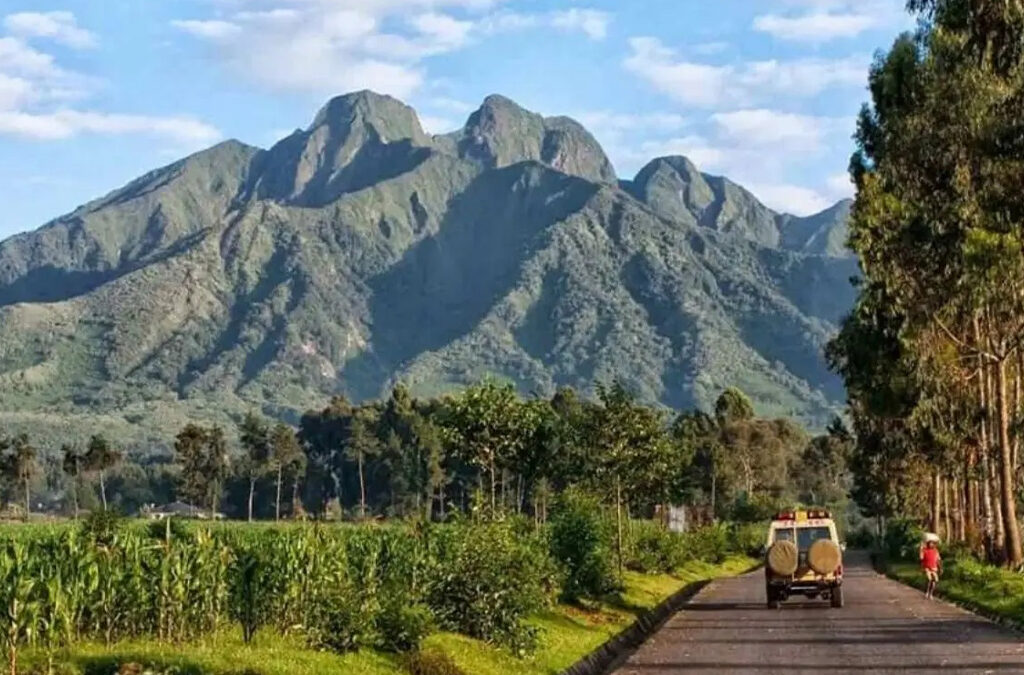
Rwanda is a year-round safari destination, but the best time to visit depends on your interests and travel priorities. Thanks to its high elevation, Rwanda enjoys a tropical highland climate that keeps temperatures pleasantly mild throughout the year. Daytime temperatures rarely exceed 30°C (86°F), while nights typically stay above 15°C (59°F). In Kigali, the average daily temperature is around 21°C (70°F).
So, when should you go? Let’s break it down.
Best Season for Gorilla Trekking and Wildlife Viewing
The dry season from June to September is widely considered the best time for gorilla trekking in Volcanoes National Park and for most outdoor adventures across the country.
During these months, trails are less muddy and easier to hike, visibility improves in forests and savannah areas, and wildlife viewing in Akagera National Park becomes more rewarding. Because of these ideal conditions, this period is also the most popular time for tourism in Rwanda.
Best Season for Bird Watching
If you are passionate about birdlife, the wet season from March to May can be especially rewarding.
During this time, migratory birds are present, resident birds are more active and vocal, and the landscapes turn lush, green, and highly photogenic. Although rainfall is heavier, bird watchers often find this season incredibly fulfilling.
Overview of Rwanda’s Climate
Although Rwanda lies near the equator, its high altitude gives it a much cooler and more comfortable climate than many other equatorial countries.
Rwanda has two main seasons. The dry season runs from mid-May to mid-October and is characterized by mild temperatures, low rainfall, and sunny, pleasant conditions that are ideal for trekking and safaris. The wet season lasts from mid-October to mid-May and brings higher rainfall, especially from March to May, along with cloudier skies, higher humidity, greener scenery, and excellent birding opportunities.
Rwanda Climate by Month
January
January is one of the wetter months. Expect frequent rain, high humidity, and temperatures between 12°C and 27°C (54°F–81°F). While travel can be more challenging, the scenery looks beautifully green.
February
Conditions remain similar to January, with regular rainfall and humid weather. Outdoor activities may require extra flexibility.
March
March is among the wettest months. Heavy rains can cause flooding or landslides in some areas. Humidity is high, and trails may become slippery.
April
Rain continues heavily in April. Some roads and hiking trails may be difficult to access, especially in mountainous areas.
May
Rainfall begins to reduce in May. The landscape remains lush, making it a great time for photography and bird watching.
June
June marks the start of the dry season. Expect sunny days, cooler air, and excellent trekking conditions. This is a prime month for gorilla trekking.
July
July is one of the driest and coolest months. Temperatures range from 10°C to 25°C (50°F–77°F), and the low humidity makes outdoor activities very comfortable.
August
Dry, cool, and pleasant, August is perfect for trekking, safaris, and cultural tours. It is also a peak travel month.
September
September remains mostly dry, with mild temperatures and good wildlife viewing. However, popular parks may be busier.
October
October signals the return of the rains. Showers increase, and the countryside turns green again. It is a lovely time for bird watching.
November
Rainfall continues, and some remote roads may become muddy. However, fewer tourists mean a quieter travel experience.
December
December is wet and humid but festive. While trekking can be muddy, birdlife is active and the landscapes are vibrant.
What to Wear in Rwanda
Packing smart will help you stay comfortable in Rwanda’s changing conditions.
Everyday Clothing
Choose lightweight, breathable fabrics such as cotton or moisture-wicking materials. Rwanda’s mild temperatures make light clothing suitable year-round.
Layers for Cooler Months
From June to August, mornings and evenings can feel chilly. A light jacket or fleece, long trousers, and a sweater for evenings are recommended.
Trekking and Safari Gear
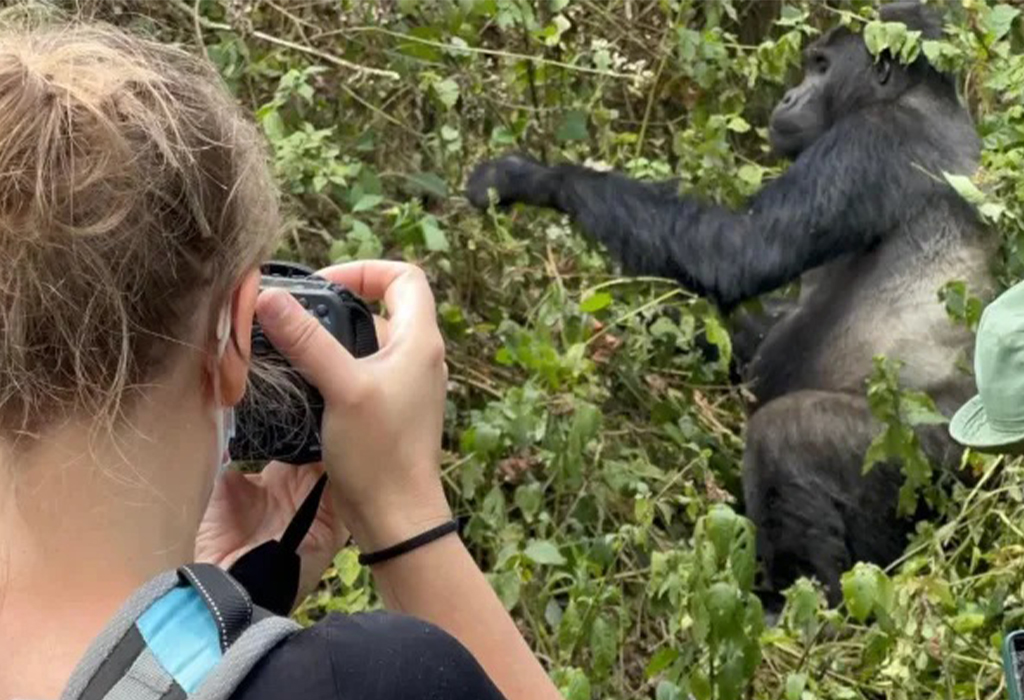
For gorilla trekking or hiking, bring sturdy hiking boots, long-sleeved shirts, and long trousers for protection against insects and vegetation. A hat, sunglasses, and sunscreen are also essential.
Rain Protection
Rain can fall at any time, especially during the wet seasons. A waterproof jacket or poncho and a small umbrella or rain cover for your backpack are very useful.
Respectful Dress
Rwanda is culturally conservative. When visiting communities or religious sites, avoid very short shorts or revealing tops. Choose clothing that covers shoulders and knees.
Conclusion
Rwanda’s pleasant climate makes it a fantastic destination throughout the year. June to September is best for gorilla trekking and classic safaris, while March to May is excellent for bird watching and lush scenery.
No matter when you visit, pack layers, rain gear, sturdy shoes, and modest clothing. With the right preparation, you will be ready to enjoy Rwanda’s incredible wildlife, landscapes, and culture to the fullest.