
What Does a Private Safari Really Mean in 2026?
February 13, 2026
What Makes Cultural Trips So Interesting?
February 13, 2026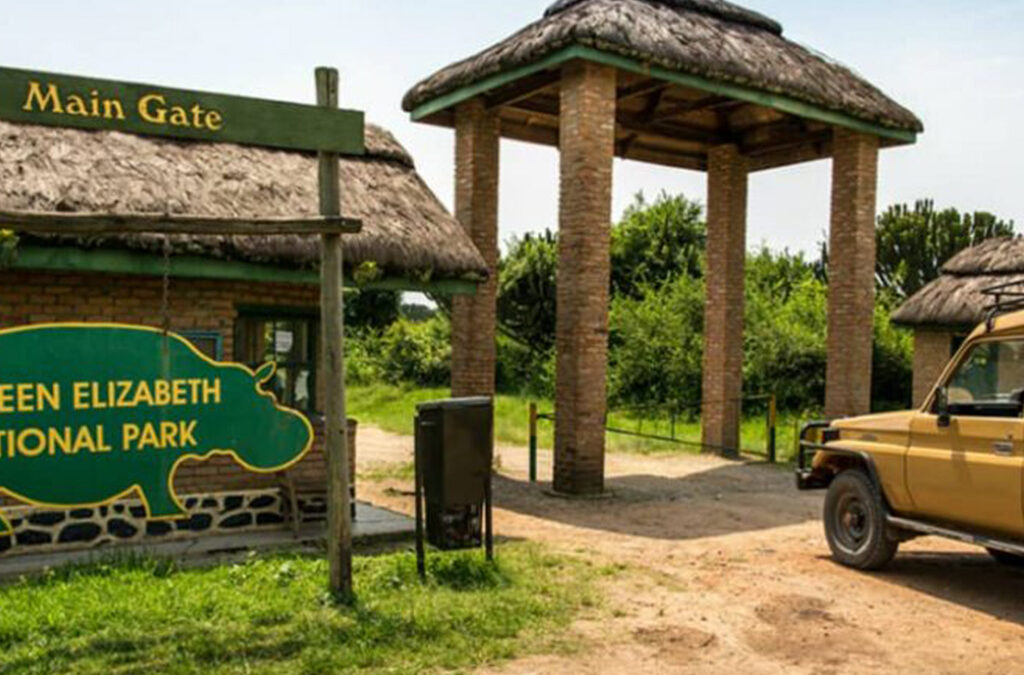
Adding a safari in Queen Elizabeth National Park to a gorilla tour in Uganda creates one of the most complete wildlife experiences in Africa. While gorilla trekking takes you deep into the tropical rainforest for a powerful face-to-face encounter with endangered mountain gorillas, Queen Elizabeth National Park delivers classic savannah game drives, boat safaris, and remarkable sightings of lions, elephants, buffalo, and much more.
When you combine these two destinations, you experience both forest and savannah ecosystems in one seamless itinerary. Even better, Queen Elizabeth National Park lies close to Bwindi Impenetrable National Park, making travel between the two parks convenient and efficient. This guide explains how to combine these experiences, what to expect, the best time to visit, and essential planning tips for a smooth safari.
Why Add Queen Elizabeth National Park to a Gorilla Trekking Tour?
Gorilla trekking in Bwindi focuses on one extraordinary species—the endangered mountain gorilla. However, Uganda offers far more wildlife beyond the rainforest. Queen Elizabeth National Park perfectly complements gorilla trekking by providing traditional safari experiences across open savannah landscapes.
By adding Queen Elizabeth to your itinerary, you dramatically increase your wildlife sightings. The park is home to Uganda’s famous Big Four: lions, elephants, buffalo, and leopards. In addition, you may encounter large herds of Uganda kob, hippos cooling off in the water, crocodiles basking along riverbanks, warthogs grazing in the plains, and hundreds of colorful bird species.
The contrast between dense rainforest and wide-open savannah makes this combination truly special. One day you are hiking through mist-covered forest in search of gorillas; the next, you are scanning golden plains for predators. This diversity enriches your journey and creates a balanced safari experience.
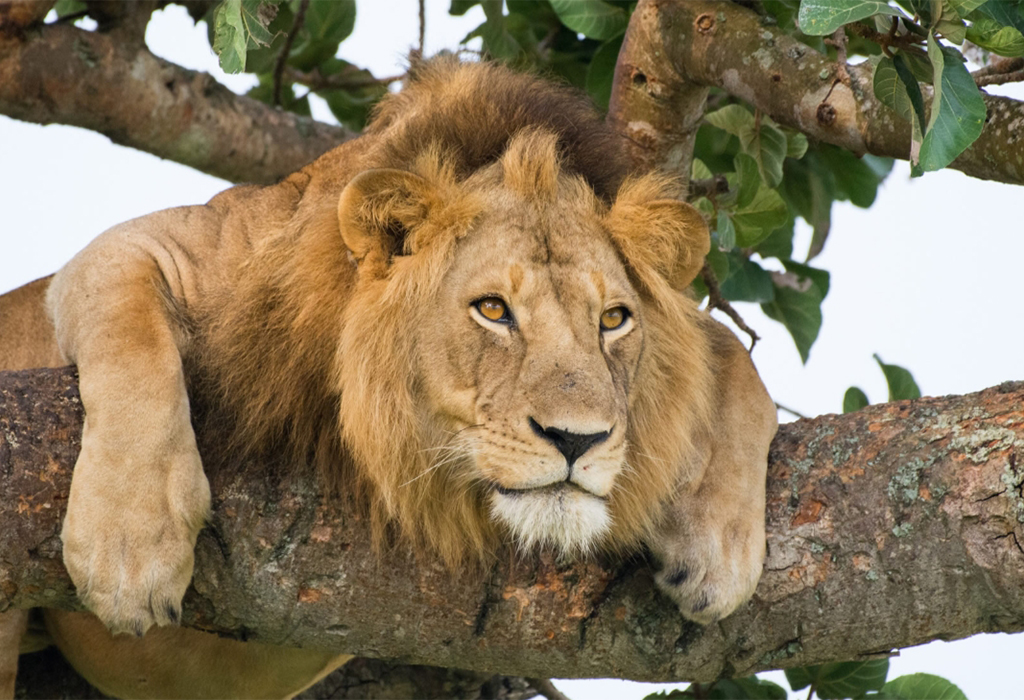
Queen Elizabeth National Park also offers unique highlights such as the tree-climbing lions of the Ishasha sector and the Kazinga Channel, which hosts one of Africa’s highest concentrations of hippos. These rare experiences elevate your trip beyond a standard safari.
Gorilla Trekking in Bwindi Impenetrable National Park
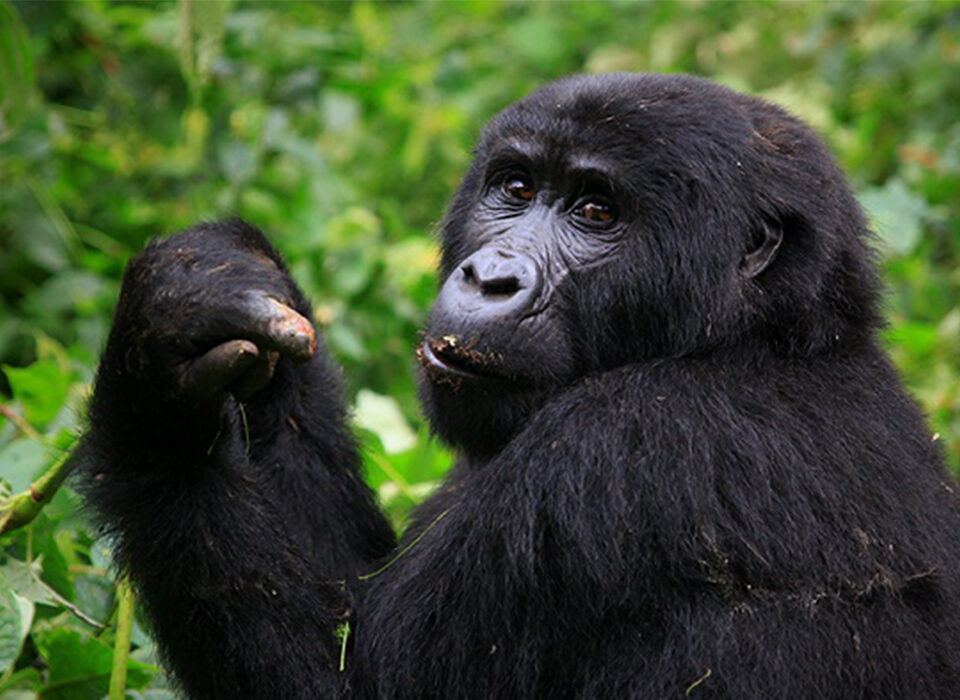
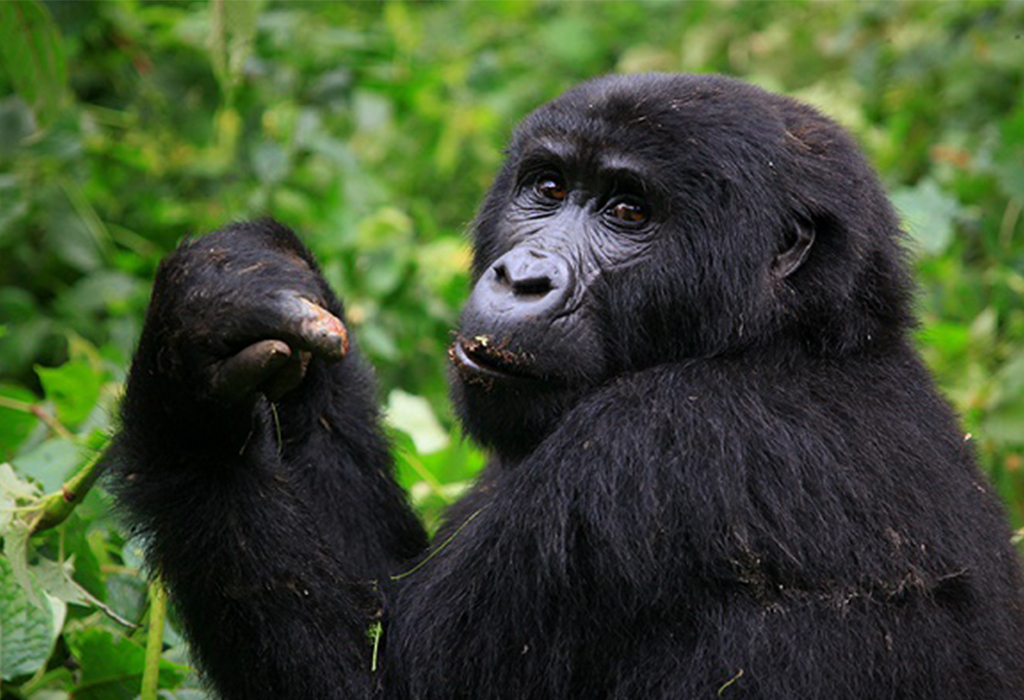
Bwindi Impenetrable National Park, located in southwestern Uganda, protects nearly half of the world’s remaining mountain gorillas. The park’s ancient rainforest, thick vegetation, and dramatic terrain create a setting that feels both wild and sacred.
Gorilla trekking begins with an early morning briefing at the park headquarters. Rangers assign you to a habituated gorilla family and provide guidelines for responsible viewing. You then hike through forest trails alongside experienced guides and trackers who locate the gorillas based on fresh signs and movements.
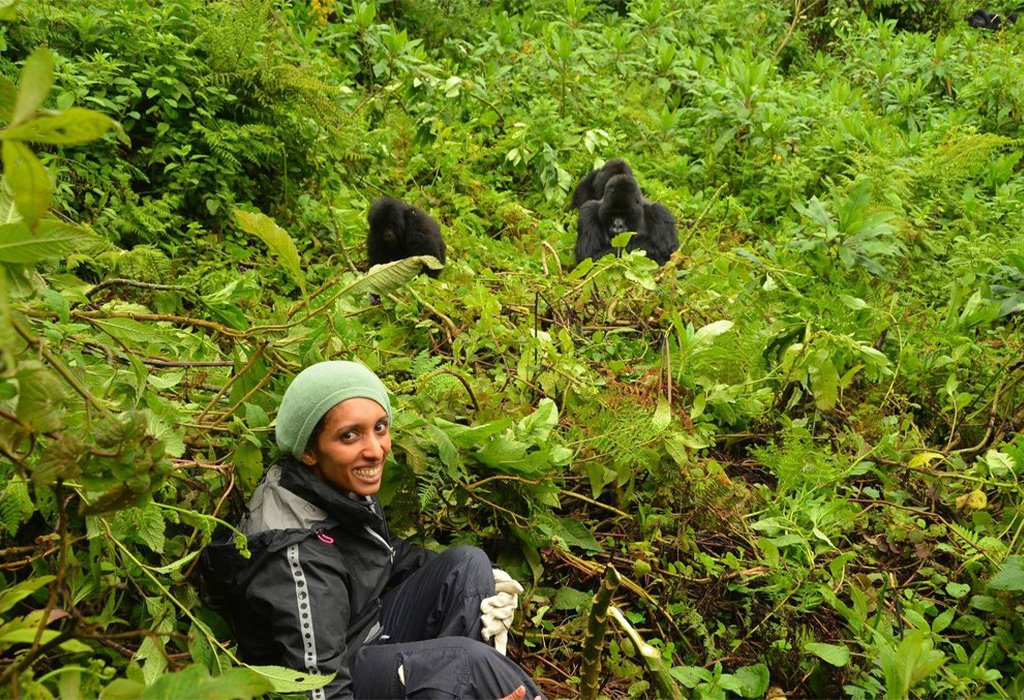
The trek can last between two and six hours depending on the gorillas’ location. Some hikes are short and relatively gentle, while others involve steeper slopes and dense vegetation. Regardless of the challenge, the reward is extraordinary.
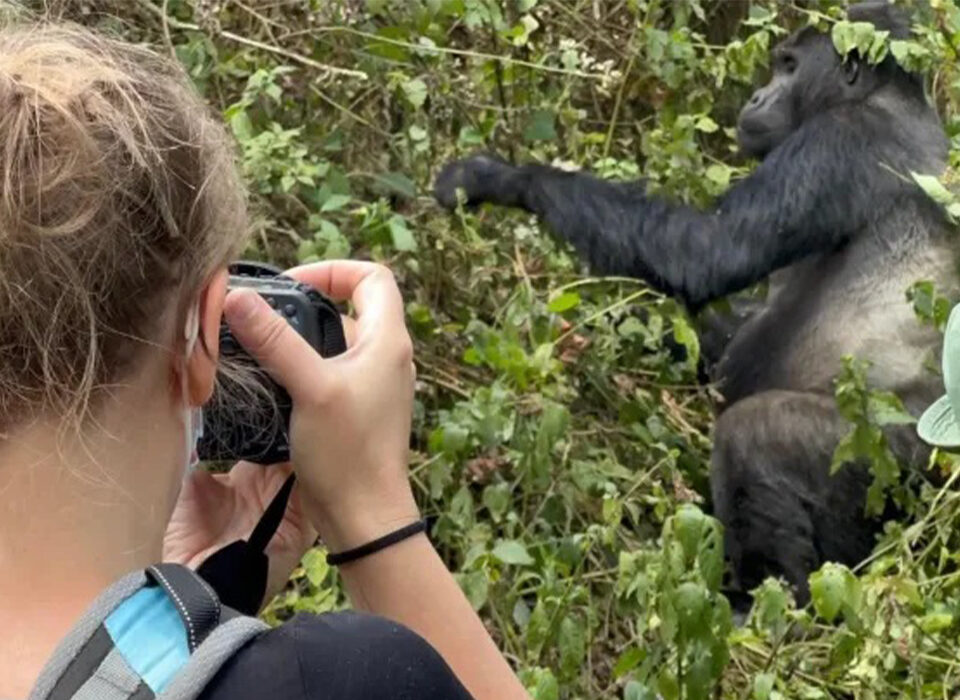
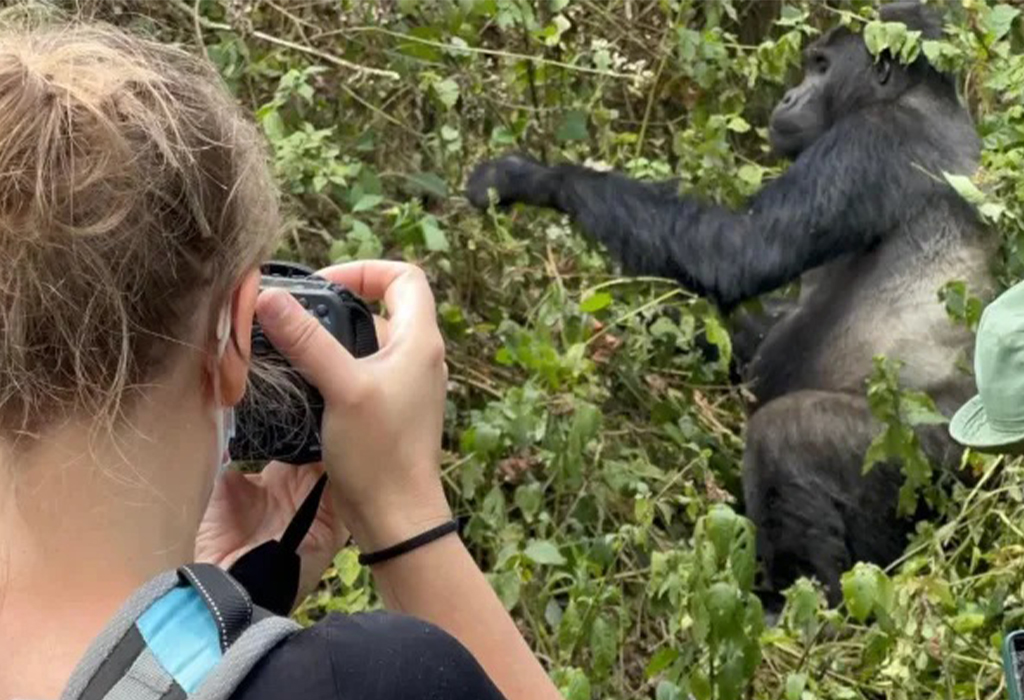
Once you find the gorilla family, you spend one unforgettable hour observing them in their natural habitat. You may watch mothers nurse their infants, juveniles playfully tumble through vines, and the dominant silverback calmly monitor his group. The experience is intimate, emotional, and deeply humbling.
Bwindi features four main trekking sectors: Buhoma, Ruhija, Rushaga, and Nkuringo. Each sector offers excellent chances of seeing gorillas, and your choice often depends on accessibility and preferred accommodation style.
Exploring Queen Elizabeth National Park
Queen Elizabeth National Park ranks among Uganda’s most celebrated safari destinations. Conveniently located between Bwindi Impenetrable National Park and Kibale Forest National Park, it fits naturally into a multi-destination itinerary.
The park’s landscapes are remarkably diverse. Expansive savannah plains stretch toward the horizon, while wetlands, crater lakes, and forest patches provide varied habitats for wildlife. This ecological diversity supports one of the richest biodiversity concentrations in East Africa.
Game drives in the Kasenyi Plains are particularly rewarding. Early morning excursions often reveal lions hunting Uganda kob, elephants grazing in family herds, and buffalo moving across the grasslands. Leopards, though elusive, are sometimes spotted resting in acacia trees.
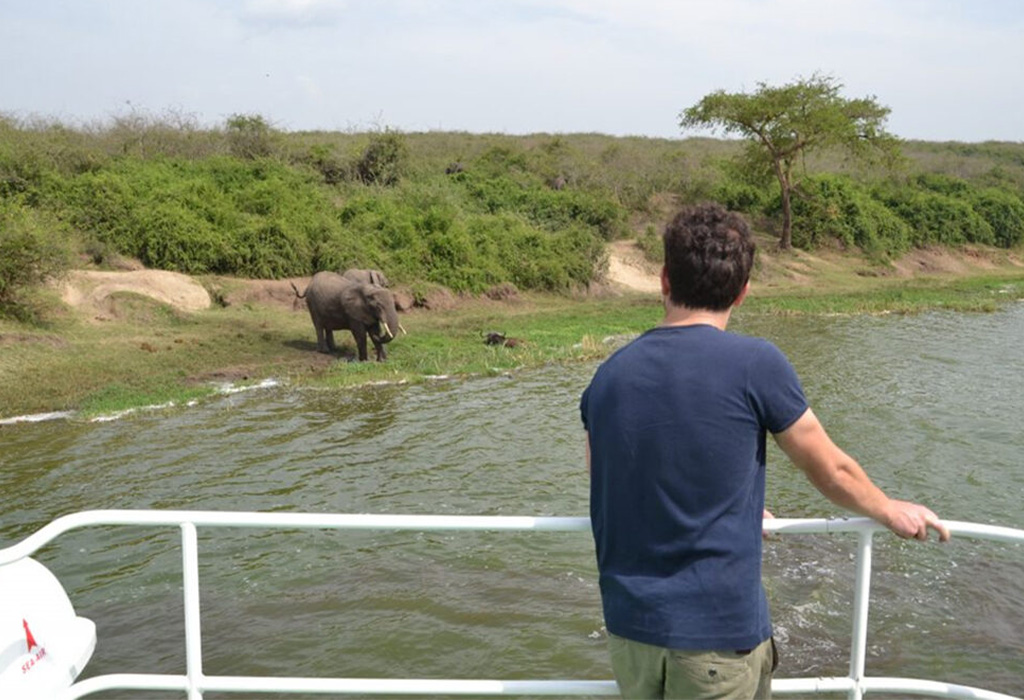
One of the park’s most memorable activities is the boat safari along the Kazinga Channel. This natural waterway connects Lake Edward and Lake George and attracts enormous numbers of hippos. As you cruise along the shoreline, you may see crocodiles, elephants drinking at the water’s edge, and a spectacular variety of birds.
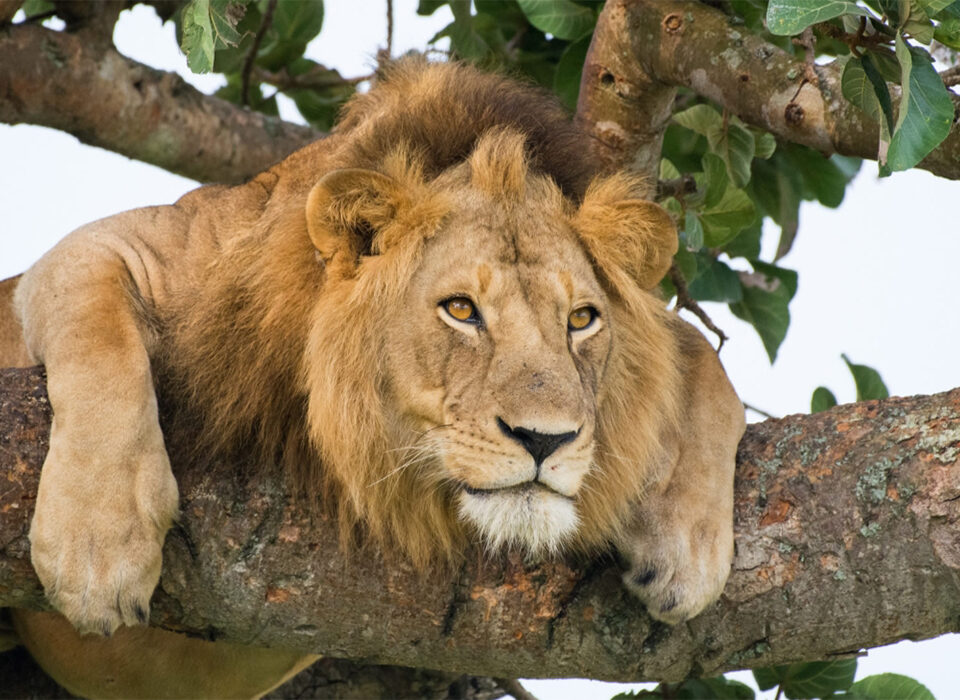
In the southern Ishasha sector, the park offers something truly rare tree-climbing lions. These lions are known for resting in fig trees, a behavior observed in only a few locations in Africa. Spotting them lounging above the savannah is an unforgettable sight.
Seamless Travel Between the Two Parks
One of the greatest advantages of combining these destinations is their proximity. Queen Elizabeth National Park lies strategically between Entebbe and Bwindi, making it a logical and efficient stop before or after gorilla trekking.
The drive from Queen Elizabeth to Bwindi typically takes between two and four hours, depending on the trekking sector. The journey itself is scenic, passing through rolling hills, rural communities, and tea plantations. From Entebbe to Queen Elizabeth National Park, the drive takes approximately six to seven hours by road.
This smooth route minimizes backtracking and allows you to experience multiple highlights without long, exhausting transfers.
Suggested 5-Day Safari and Gorilla Trekking Itinerary
A five-day itinerary provides a perfect introduction to both experiences.
On Day One, you travel from Entebbe or Kampala to Queen Elizabeth National Park. The scenic drive offers beautiful countryside views. Upon arrival, you settle into your lodge and, if time permits, enjoy an evening game drive.
Day Two begins with an early morning game drive in the Kasenyi Plains when predators are most active. Later in the afternoon, you embark on a boat safari along the Kazinga Channel, enjoying close-up wildlife encounters.
On Day Three, you transfer to Bwindi Impenetrable National Park via the Ishasha sector. Along the way, you search for tree-climbing lions before continuing to your lodge in Bwindi to prepare for trekking.
Day Four is dedicated to gorilla trekking. After the morning briefing, you hike into the forest for your once-in-a-lifetime encounter. The afternoon is reserved for relaxation and reflection.
On Day Five, you return to Entebbe or extend your adventure to Lake Bunyonyi for relaxation or Kibale Forest National Park for chimpanzee trekking.
Best Time to Visit
Uganda is a year-round destination. However, the dry seasons from June to September and December to February offer the best conditions. During these months, trekking trails are less muddy, and wildlife gathers near water sources, improving visibility.
The rainy seasons, from March to May and October to November, bring heavier showers. Nevertheless, gorilla trekking continues throughout the year. The forest appears lush and vibrant, and visitor numbers are often lower.
Accommodation and Transport Options
Both Bwindi and Queen Elizabeth National Park offer accommodations ranging from budget camps to luxury lodges. Many lodges are located near park entrances, ensuring easy access to activities.
Most travelers use private safari vehicles with professional driver-guides. This option provides flexibility, comfort, and expert wildlife interpretation. Domestic flights between Entebbe and nearby airstrips are also available for those seeking shorter travel times.
Physical Preparation and Fitness
Gorilla trekking requires moderate fitness. Trails may be steep and uneven, but guides adjust the pace to suit the group. Game drives and boat safaris, on the other hand, require minimal physical effort.
Wearing sturdy hiking boots, carrying rain gear, and bringing sufficient water will ensure comfort throughout your trip.
Conservation and Community Impact
Both gorilla trekking and safari tourism play a vital role in conservation. Gorilla permit fees directly fund wildlife protection and anti-poaching efforts. Tourism also creates employment for guides, trackers, lodge staff, and local communities.
By combining these experiences, you contribute to sustainable tourism that protects wildlife while improving livelihoods in surrounding communities.
Conclusion
Adding a safari in Queen Elizabeth National Park to a gorilla tour in Uganda creates a complete and unforgettable wildlife adventure. Gorilla trekking offers intimate encounters with mountain gorillas in ancient rainforest, while Queen Elizabeth National Park delivers classic savannah safaris filled with lions, elephants, hippos, and countless other species.
Because these destinations are located close to each other, combining them is both practical and rewarding. Together, they showcase the full diversity of Uganda’s landscapes and wildlife in a single, well-structured journey.
For a professionally organized and seamless experience, contact Experiya Tour Company to plan your customized Uganda gorilla and wildlife safari adventure.