Is Gorilla Habituation Worth the Money?
October 10, 2025
Immerse Yourself in a Local Cooking Class in Uganda or Rwanda
October 10, 2025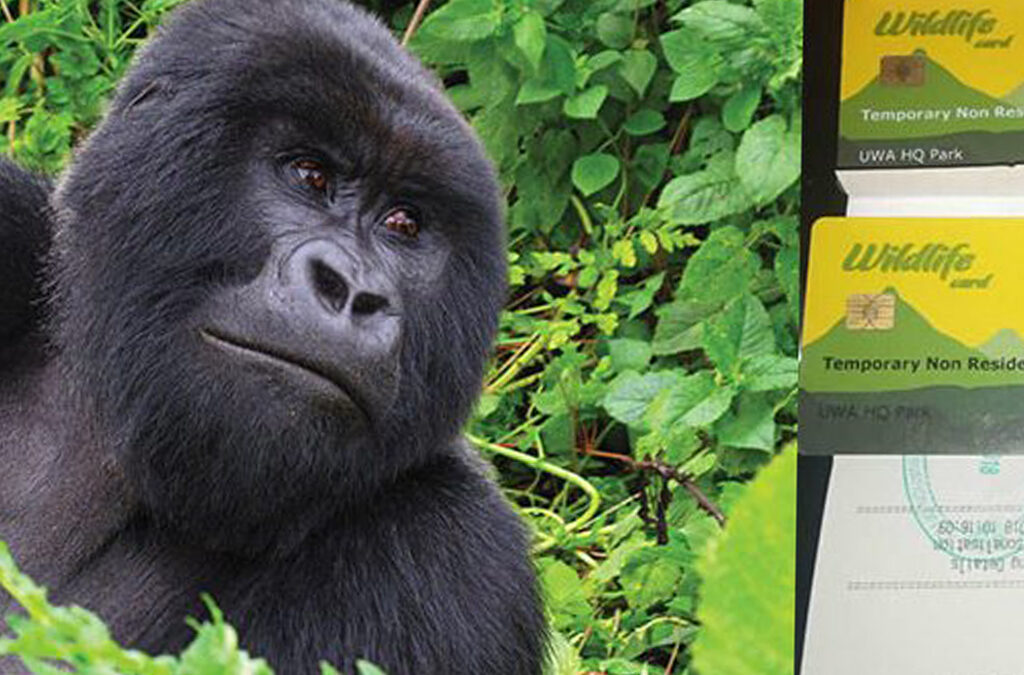
Are you planning to visit Africa’s mountain gorillas but wonder where your gorilla permit fee goes? While gorilla trekking fees may seem high, they directly fund the survival of endangered gorillas, support local communities, and sustain protected ecosystems. At Experiya Tour Company, we believe every dollar spent on a gorilla permit is an investment in both nature and people. Here’s how it works.
Understanding Gorilla Permits
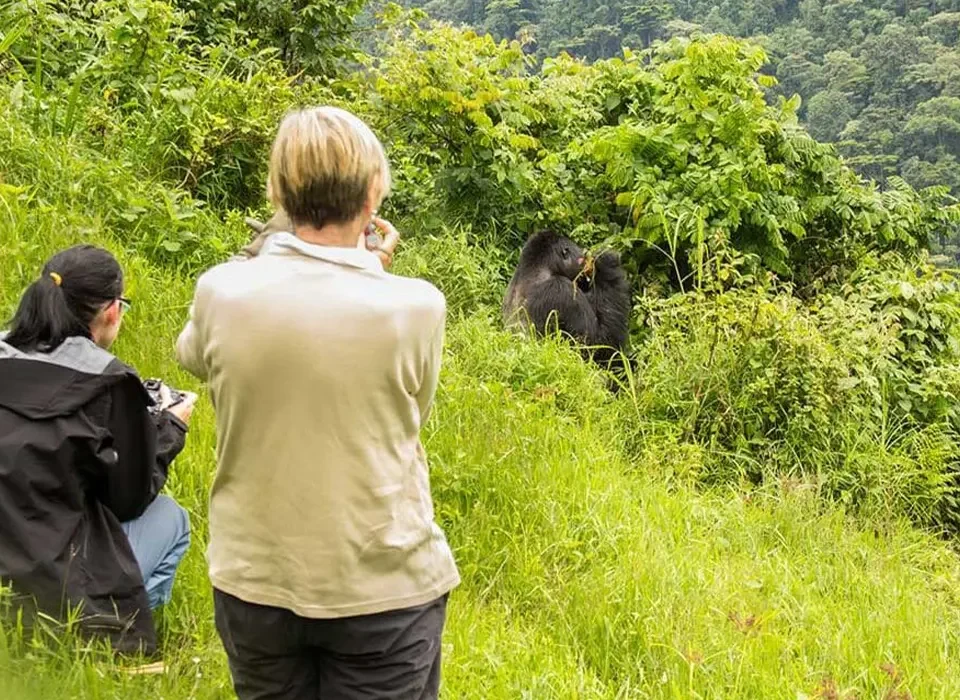
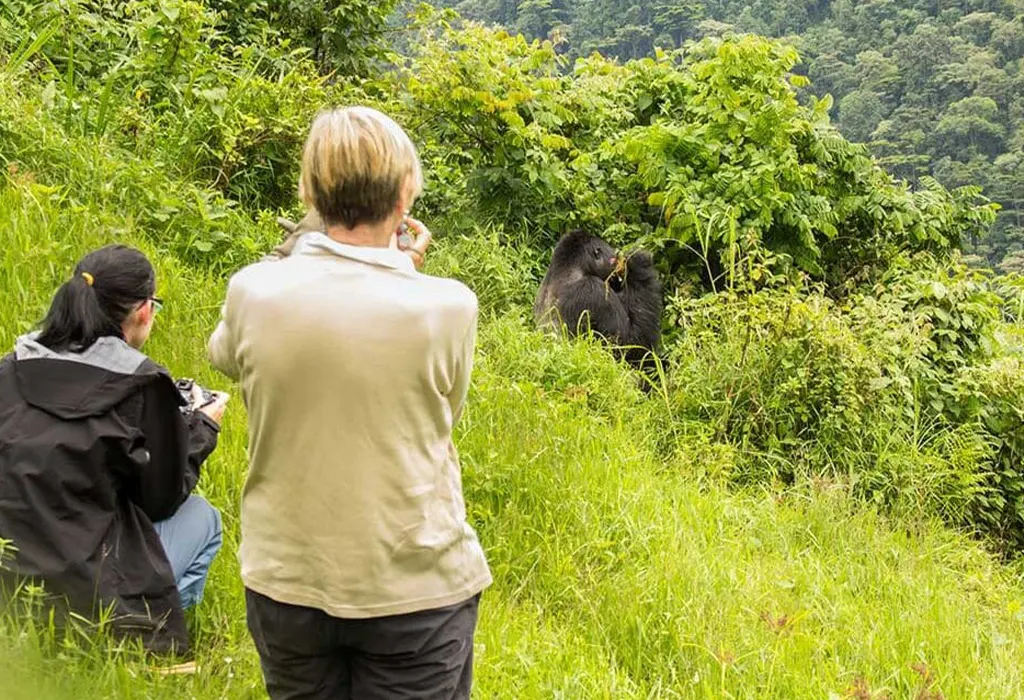
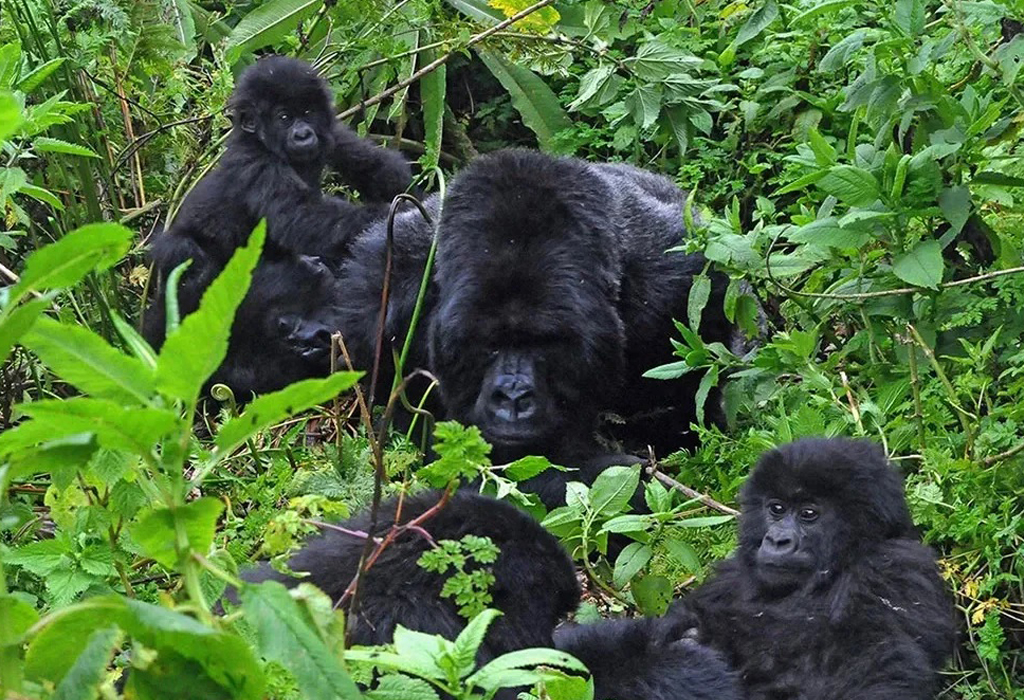
A gorilla permit grants official authorization to spend one hour—or up to four hours on the habituation experience—with a habituated gorilla family. Authorities strictly limit daily permits to protect gorillas from stress and preserve fragile ecosystems.
Current Gorilla Permit Prices (2025):
- Uganda: USD 800 for a standard trek, USD 1,500 for habituation
- Rwanda: USD 1,500
- DRC (Virunga National Park): USD 400 (sometimes discounted in the low season)
These fees fund rangers, community projects, and forest protection.
How Permit Funds Are Allocated
Although allocations differ by country, funds typically flow into three main areas:
- Wildlife Conservation & Park Management – Ranger salaries, patrols, anti-poaching efforts, gorilla health monitoring, and habitat restoration.
- Community Development Projects – Schools, clinics, clean water systems, and local enterprises.
- Government & Administration – Policy coordination, tourism promotion, and research.
This system ensures gorilla tourism benefits both wildlife and local communities sustainably.
Uganda: Bwindi & Mgahinga National Parks
Uganda manages permits through the Uganda Wildlife Authority. Revenue allocation is:
- 40–45% for park operations
- 20% for local communities via the Revenue Sharing Scheme
- 35–40% for national conservation and tourism management
Community projects, such as the Buhoma Community Development Association and Bigodi Wetland Sanctuary, channel funds into schools, water systems, and micro-businesses, reducing forest dependence and supporting Uganda’s gorilla population, now exceeding 500.
Rwanda: Volcanoes National Park
Rwanda maintains a low-impact, high-end tourism model with permits at USD 1,500. Revenue supports:
- Conservation and park management (anti-poaching, reforestation, scientific monitoring)
- Community development through the Tourism Revenue Sharing Program
- National tourism promotion
Community-run projects, such as Sabyinyo Silverback Lodge, reinvest profits into schools, clinics, and infrastructure. Many former poachers now work as guides or porters. Since the 1980s, Rwanda’s gorilla population has more than tripled, demonstrating the impact of tourism-based conservation.
Democratic Republic of Congo: Virunga National Park
The DRC offers affordable permits at USD 400, managed by the ICCN and the Virunga Foundation. Revenue supports:
- Park management and security
- Community development (education, agriculture)
- Sustainable energy projects (e.g., hydroelectric power)
Despite political instability, Virunga remains a beacon of conservation. Fees also support rangers, widows’ funds, and community-led peace initiatives.
The Broader Impact of Gorilla Permits
Gorilla permits provide reliable long-term funding for parks, incentivize locals to protect gorillas, and strengthen regional cooperation through initiatives like the Greater Virunga Transboundary Collaboration.
Challenges include:
- High permit costs in Rwanda
- Occasional delays in community fund distribution
- Political insecurity in parts of the DRC
- Tourism vulnerability to crises such as COVID-19
Improving transparency and diversifying funding will further secure gorillas’ future.
Best Time for Gorilla Trekking
Dry seasons offer the best trekking conditions:
- Uganda & Rwanda: June–September, December–February
- DRC: June–September
Rainy months (March–May and October–November) often have fewer tourists and occasional discounts.
Gorilla Permits: An Investment in Conservation
Gorilla permits are more than tickets—they are investments in conservation.
- In Uganda, revenue balances affordability and inclusivity.
- In Rwanda, premium fees sustain protection.
- In the DRC, tourism fuels hope and resilience.
Each trekker helps protect one of Earth’s rarest species. Contact Experiya Tour Company to plan a gorilla trekking experience that brings you face-to-face with gentle giants while supporting their survival for generations.