Quad Biking and Horse Riding in Jinja Uganda
August 6, 2025
Top Activities to Do in Maramagambo Forest
August 6, 2025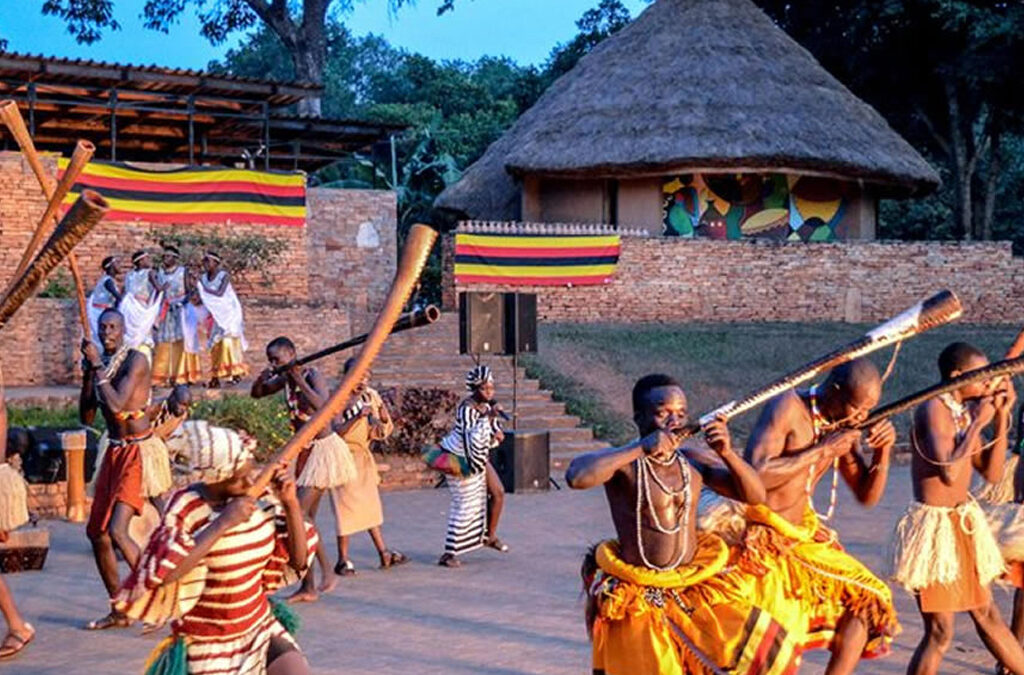
Cultural Centres in Uganda
Uganda is a land rich in customs, traditions, and spiritual beliefs. From grand royal palaces to sacred shrines, each cultural site tells a unique story about the nation’s past and present. When you embark on a cultural safari in Uganda, you immerse yourself in centuries-old traditions, discover powerful kingdoms, and witness vibrant community life.
Furthermore, visiting these heritage sites is not just about sightseeingit is about stepping into Uganda’s living history. Let’s explore the country’s most remarkable cultural centers and see how they continue to shape the nation today.
King’s Palace in Mengo and Parliament
The Lubiri, or Mengo Palace, stands proudly as one of the historic residences of the Kabaka (King) of Buganda. Built in 1885, it showcases striking colonial architecture across four square miles. As you explore the palace grounds, you immediately sense its historical importance. However, during Kabaka Muteesa II’s reign, government forces attacked, forcing the royal family to abandon it. Today, the palace welcomes visitors eager to learn about the rich history of the Baganda Kingdom.
Kasubi Tombs
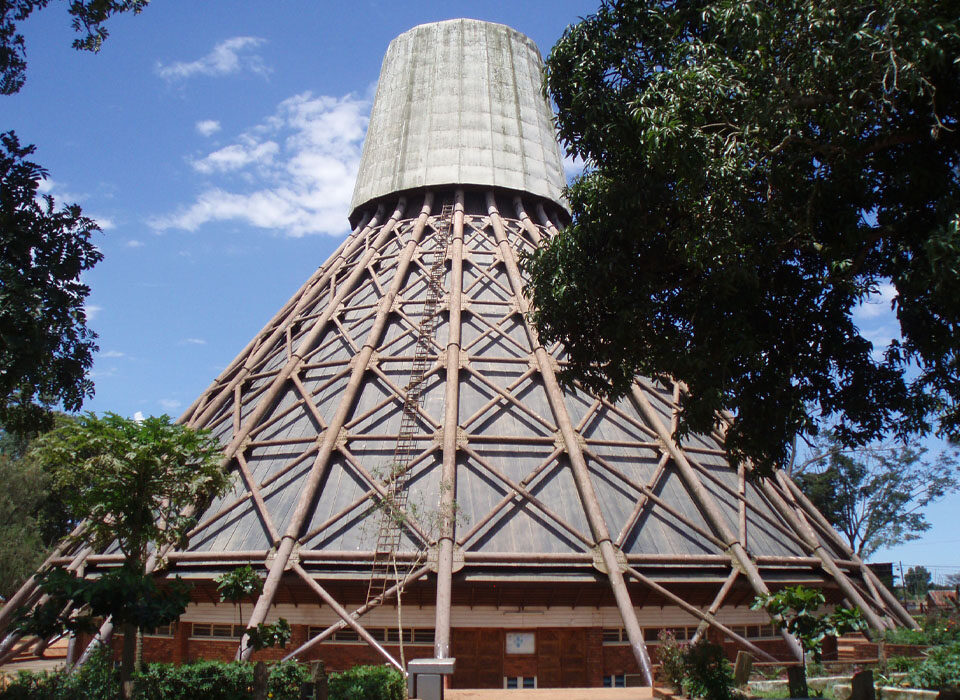
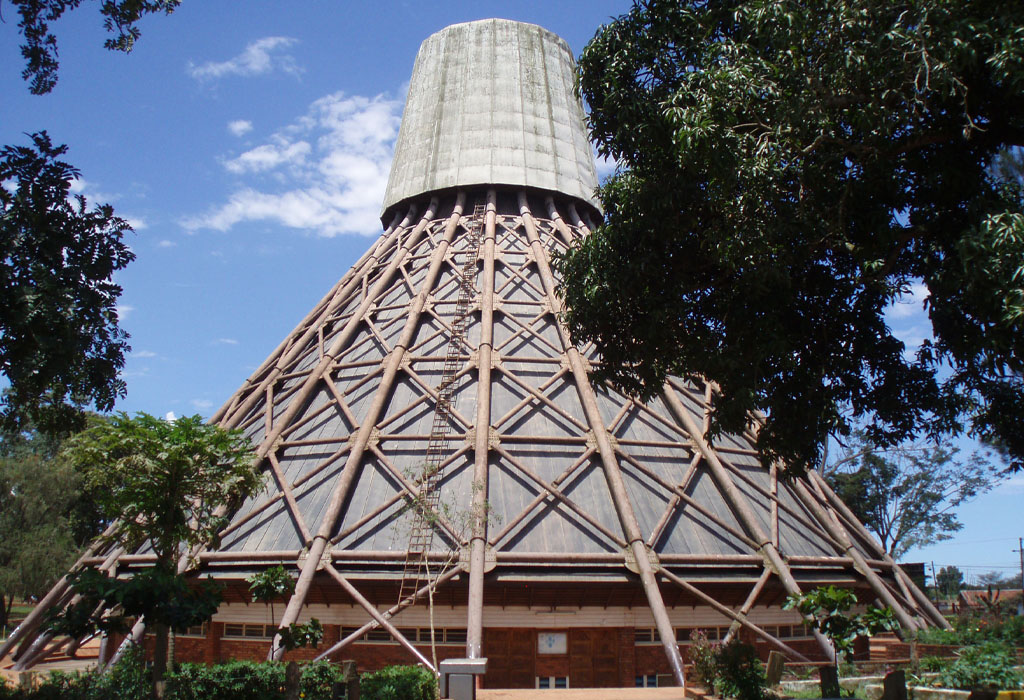
The Kasubi Tombs, a UNESCO World Heritage Site, serve as the main burial grounds for the Kabakas of Buganda. Located just six kilometers from Kampala’s center, this sacred site blends history, tradition, and architecture. Here, four Kabakas including Mutesa I and Mutesa II rest in peace. As a result, the tombs have become a place of pilgrimage for many who wish to connect with Buganda’s royal heritage.
Wamala Tombs
In addition to the Kasubi Tombs, the Wamala Tombs hold the remains of Kabaka Suuna II the first Buganda king to welcome foreign traders. Known for his enormous royal family of over 150 wives and 218 children, Suuna II left a profound mark on the kingdom’s history. Visitors who climb the hill to the tombs enjoy both a rich historical experience and scenic surroundings.
The Uganda Museum
The Uganda Museum brings the country’s story vividly to life. Established in 1908, it houses a remarkable collection of artifacts, musical instruments, archaeological remains, and traditional weapons. As you move from one gallery to another, you discover Uganda’s journey from its prehistoric roots to its diverse modern cultures. In fact, the museum serves as the nation’s guardian of heritage and culture.
Katereke Prison Ditch
The Katereke Prison Ditch offers a stark reminder of Buganda’s turbulent past. Kabaka Kalema, fearing threats from his siblings, imprisoned 30 of them in this deep ditch until they starved to death. Therefore, visiting the site encourages reflection on the harsh realities of power struggles in the kingdom’s history.
Namirembe and Rubaga Cathedrals
Namirembe Cathedral, the spiritual heart of the Anglican faith in Uganda, and Rubaga Cathedral, the center of Catholicism, both stand as magnificent landmarks. Namirembe Cathedral, built in 1903, and Rubaga Cathedral, completed in 1880, overlook Kampala from their hilltop locations. Every Sunday, worshippers from across the country gather here, creating a moving display of unity and devotion.
Uganda Martyrs Shrine – Namugongo
The Uganda Martyrs Shrine stands as a symbol of courage, faith, and sacrifice. On June 3rd every year, millions of pilgrims gather to honor the 25 Christian martyrs executed in 1886 for refusing to renounce their faith. Consequently, the shrine has become one of the most visited religious sites in Africa. Visiting it allows you to connect deeply with Uganda’s spiritual resilience.
Bigo bya Mugenyi
Deep in Mubende District lies Bigo bya Mugenyi, meaning “Fort of a Stranger.” This ancient site, believed to have been inhabited by the mystical Bachwezi people in the 13th century, features mysterious earthworks and artifacts. Although the journey is challenging, reaching the site rewards you with an authentic connection to Uganda’s ancient past.
Kabaka’s Lake
Kabaka Mwanga II ordered the creation of Kabaka’s Lake in 1880 as a possible escape route to Lake Victoria in case of war. Today, the lake spans five acres and offers a tranquil sanctuary for birdlife. In addition, visitors enjoy peaceful walks along its shores while imagining its historical role in royal defense.
Mparo Tombs
In Hoima District, the Mparo Tombs serve as the resting place of Bunyoro’s kings, including the legendary Kabalega. Known for his fierce resistance against British colonial rule, Kabalega symbolizes courage and defiance. Therefore, a visit here connects you directly with the proud spirit of the Bunyoro Kingdom.
Nkokonjeru Tombs
The Nkokonjeru Tombs in Mbarara honor Ankole kings such as Rutahaba Gasyonga II and Edward Solomon Kahaya II. Moreover, surrounding graves hold other royal family members. The site offers a serene atmosphere that contrasts beautifully with its deep historical significance.
Nakayima Tree
For more than 400 years, the Nakayima Tree in Mubende has been a sacred place of worship. People visit to seek blessings, offer sacrifices, and consult spiritual healers. In addition, climbing the hill to this towering tree provides a unique experience of Uganda’s oldest spiritual traditions.
Itaaba Kyabanyoro
Near Mbarara lies Itaaba Kyabanyoro, where the last ruler of the Bachwezi Empire, Wamala, crafted the sacred royal drum “Bagyendanwa.” This drum remains a revered cultural symbol of the Ankole Kingdom. Consequently, visiting this site allows you to connect directly with an important chapter in Uganda’s royal history.
Karambi Tombs
The Karambi Tombs in Fort Portal hold the remains of three Tooro kings Olumi Kaboyo II, Rukidi III, and Kyebambe Kamurasi. Inside, royal regalia such as spears and drums remain well-preserved. As a result, visitors leave with a deeper understanding of Tooro’s monarchy and traditions.
Kanyange and Nnamasole Baagalayaze Tombs
These tombs honor Nnamasole Kanyange, mother of Kabaka Suuna II, along with other royal mothers of Buganda. In addition, traditional ceremonies still take place here, preserving Buganda’s cultural and spiritual heritage for future generations.
Igongo Cultural Centre
In Mbarara, the Igongo Cultural Centre immerses visitors in the culture of Western Uganda. Built on the grounds of a former Ankole palace, the center celebrates traditional arts, crafts, and history. Ultimately, it stands as a vibrant hub for learning about Uganda’s diverse heritage.
Conclusion
Uganda’s cultural centers are far more than tourist attractions they are living expressions of tradition, faith, and history. Moreover, they connect you directly to the stories that shaped the nation. Whether you are retracing the paths of ancient kings, honoring religious martyrs, or experiencing sacred traditions, these heritage sites will leave you inspired and deeply connected to Uganda’s cultural soul.