Can Gorillas Learn Sign Language?
November 17, 2026
How to Choose the Right Lodge for Chimpanzee Trekking in Rwanda
November 17, 2026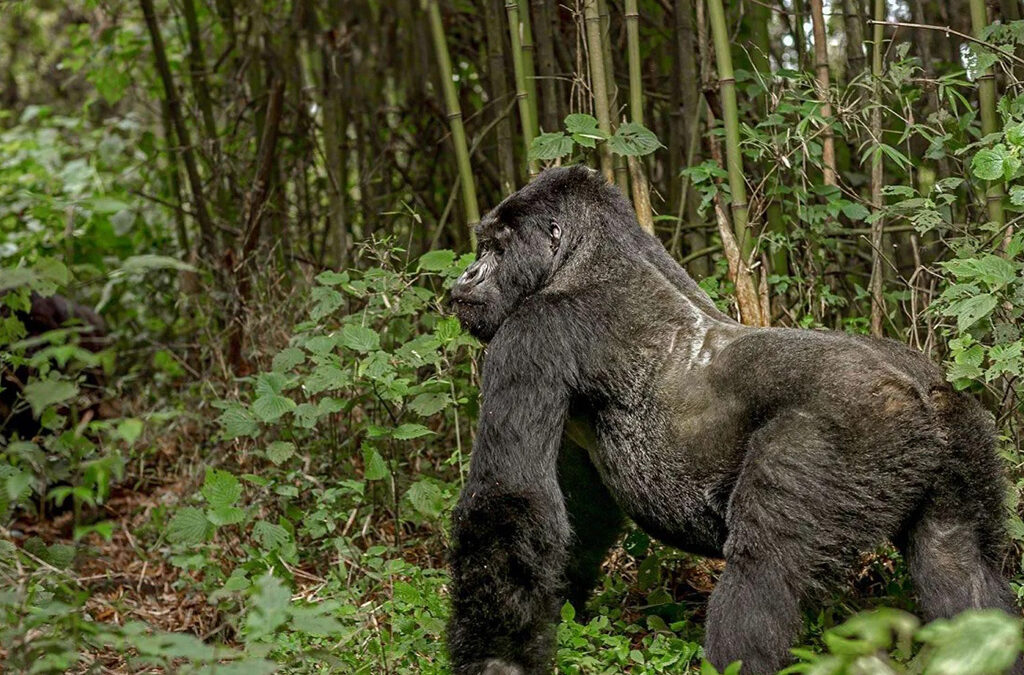
When planning a gorilla safari in Uganda, one question that often comes up among wildlife enthusiasts is: How long does gorilla habituation last? It is an important question because gorilla habituation involves much more than spending time with mountain gorillas in the forest. It is a carefully managed conservation process that allows wild gorilla families to gradually become comfortable with human presence without losing their natural behaviours.
Uganda offers one of Africa’s most remarkable opportunities to understand this process through the Gorilla Habituation Experience in Bwindi Impenetrable National Park. Unlike standard gorilla trekking, which allows visitors to spend one hour with a fully habituated gorilla family, this special experience provides up to four hours with a semi-habituated group. However, the actual scientific process of habituating a wild gorilla family takes considerably longer, usually between two and three years.
Therefore, the answer depends on what you mean by gorilla habituation. Are you asking about the time tourists spend with gorillas, or the years researchers and conservation teams invest in preparing a family for regular human visits? Both are important, and understanding the difference helps you appreciate the experience before entering the forest.
How Long Does the Gorilla Habituation Experience Last?
The Gorilla Habituation Experience in Uganda allows visitors to spend up to four hours observing a semi-habituated mountain gorilla family in its natural habitat. The activity takes place in the Rushaga sector of Bwindi Impenetrable National Park, in southwestern Uganda.
This four-hour period distinguishes gorilla habituation from ordinary gorilla trekking. During a standard trek, visitors receive a maximum of one hour with a fully habituated gorilla family. The habituation experience, however, offers a longer and more immersive opportunity to observe gorilla behaviour while researchers and Uganda Wildlife Authority (UWA) rangers continue their conservation work.
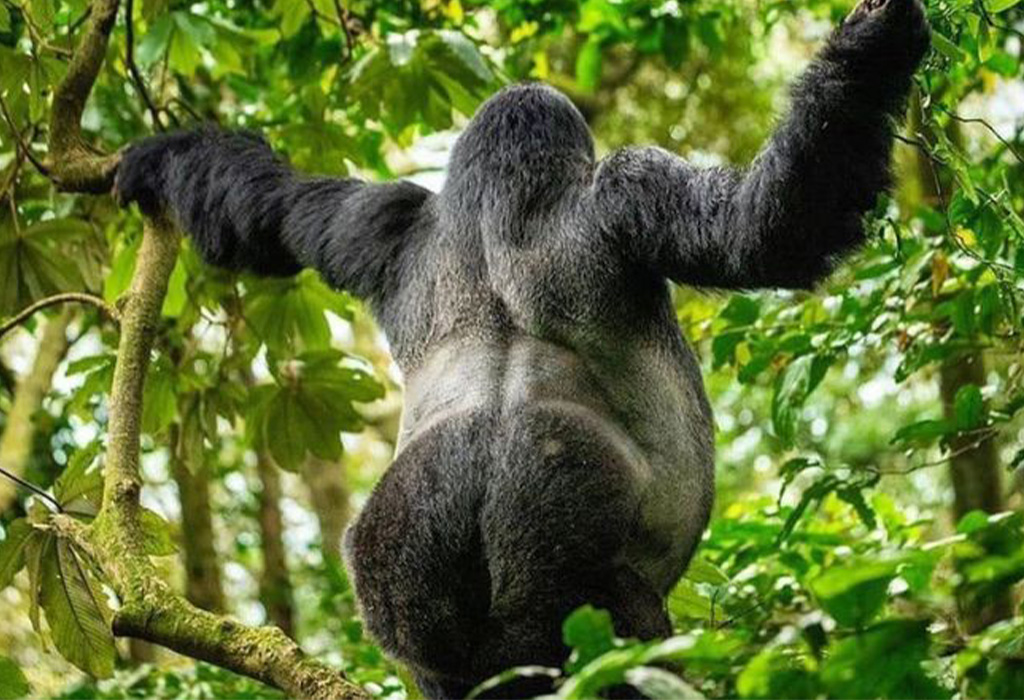
Furthermore, the experience accommodates a maximum of four visitors per habituation group, making it more exclusive than standard gorilla trekking, which generally allows up to eight visitors per gorilla family.
During the four hours, you may observe several aspects of the family’s daily life, including:
- Feeding behaviour: Watch gorillas search for leaves, stems, fruits and other natural vegetation.
- Social interactions: Observe how different family members communicate, interact and maintain relationships.
- Silverback behaviour: Learn how the dominant male protects the group, manages movement and responds to possible threats.
- Juvenile activities: Watch young gorillas play, climb, explore and interact with other family members.
- Resting periods: Observe how gorillas relax between feeding sessions and forest movements.
- Family movement: Follow the group’s natural movements through the dense vegetation under the guidance of experienced rangers.
Unlike a short wildlife encounter, these extended observations provide a better understanding of how mountain gorillas live, communicate and organise themselves.
When Does the Four-Hour Gorilla Habituation Session Begin?
The four-hour observation period begins when visitors reach the semi-habituated gorilla family. However, reaching the group requires trekking through Bwindi’s dense rainforest, and the walking time varies depending on where the gorillas spent the previous night.
Some families remain relatively close to the starting point, while others move deeper into the forest. Consequently, visitors may spend one or several hours hiking before reaching the gorillas.
After locating the family, visitors join the habituation team and observe the gorillas while maintaining the recommended distance and following the rangers’ instructions. The session ends when the allocated four hours are complete.
It is important to distinguish the four-hour gorilla observation period from the entire day’s activity. The briefing, forest hike and return journey add to the overall time required for the experience.
How Long Does the Complete Gorilla Habituation Process Take?
While visitors spend four hours with a semi-habituated gorilla family, the scientific habituation process typically takes between two and three years.
This period begins when conservationists identify a suitable wild gorilla family and start introducing a carefully controlled human presence. Over time, trained rangers and researchers visit the family regularly, observe its behaviour and gradually reduce the distance between themselves and the animals.
The process requires patience, consistency and considerable knowledge of mountain gorilla behaviour. Unlike domestic animals, wild mountain gorillas cannot be trained to accept human presence through force or repeated close contact. Instead, researchers allow the animals to become familiar with people at their own pace.
Some gorilla families may respond positively to human presence earlier than others. However, the habituation team must consider the behaviour of the entire group, particularly the dominant silverback, before determining whether the family is ready for regular tourism visits.
Several factors influence how long gorilla habituation takes:
- The silverback’s temperament: Protective or particularly cautious dominant males may take longer to tolerate human presence.
- Previous human encounters: A family with limited or negative experiences around people may require additional time.
- Family composition: The ages, personalities and number of gorillas can influence how the group responds.
- Forest conditions: Dense vegetation and changing movement patterns can make consistent observation difficult.
- Consistency of the habituation team: Regular monitoring and a careful approach help researchers understand the family’s behaviour.
- Individual responses: Different gorillas within the same family may become comfortable with human presence at different rates.
Ultimately, the process continues until conservation authorities and researchers determine that the family can safely tolerate the intended level of human observation.
How Does the Gorilla Habituation Process Work?
Gorilla habituation does not happen overnight. It involves several stages of careful observation and gradual exposure, with the welfare of the animals remaining the priority throughout the process.
1. Identifying and Observing a Wild Gorilla Family
The first stage involves identifying a suitable wild gorilla family for habituation. Researchers and experienced rangers begin by studying the group’s movements, feeding locations, sleeping areas and social structure.
At this point, the gorillas are generally wary of people and may move away whenever they detect human presence. Therefore, the habituation team observes them from a respectful distance without attempting to force close encounters.
This initial observation helps researchers understand the family’s behaviour and identify individual members, including the dominant silverback, adult females and younger gorillas.
2. Introducing a Gradual Human Presence
Once the team understands the family’s movement patterns, rangers begin establishing a consistent human presence at a distance the gorillas can tolerate.
During the early stages, the silverback may respond defensively through vocalisations, chest-beating, displays or retreating into thicker vegetation. These behaviours are natural responses to unfamiliar activity around the family.
Rather than approaching aggressively, rangers remain calm, maintain appropriate distances and observe how the gorillas react. Over time, the animals may begin accepting the regular presence of the habituation team.
3. Monitoring Behaviour and Reducing Distance Gradually
As the habituation process progresses, the team gradually adjusts its distance according to the family’s responses. Researchers record behavioural changes and pay attention to signs of stress, curiosity, aggression or acceptance.
For example, younger gorillas may show curiosity towards familiar researchers, while adult females and the dominant silverback may remain cautious for longer.
Importantly, habituation does not mean that gorillas become tame or lose their natural instincts. They remain wild animals, and their reactions can change depending on the situation.
The team must therefore continue respecting their personal space and avoid actions that could create unnecessary stress.
4. Assessing the Family’s Readiness
The final stage involves determining whether the gorilla family can tolerate regular human observation without significant distress.
Researchers consider the behaviour of the entire group rather than relying on the response of one individual. The silverback’s behaviour is particularly important because he plays a central role in protecting the family.
Once the family meets the necessary conservation and management requirements, the relevant authorities can consider it for regular visitor activities.
However, some families remain under habituation for extended periods because their behaviour, welfare and safety must always come first.
Why Does Gorilla Habituation Take Two to Three Years?
Mountain gorillas are intelligent, social animals with individual personalities, strong family relationships and well-developed communication behaviours. They recognise unfamiliar situations and respond according to their experiences and perceived threats.
Therefore, allowing them to become comfortable with human presence requires more than repeated visits. It involves building familiarity while ensuring that the animals continue behaving naturally.
The dominant silverback often presents one of the greatest challenges during habituation. As the group’s protector, he must assess unfamiliar individuals and determine whether their presence threatens the family. His acceptance of the habituation team is therefore an important part of the process.
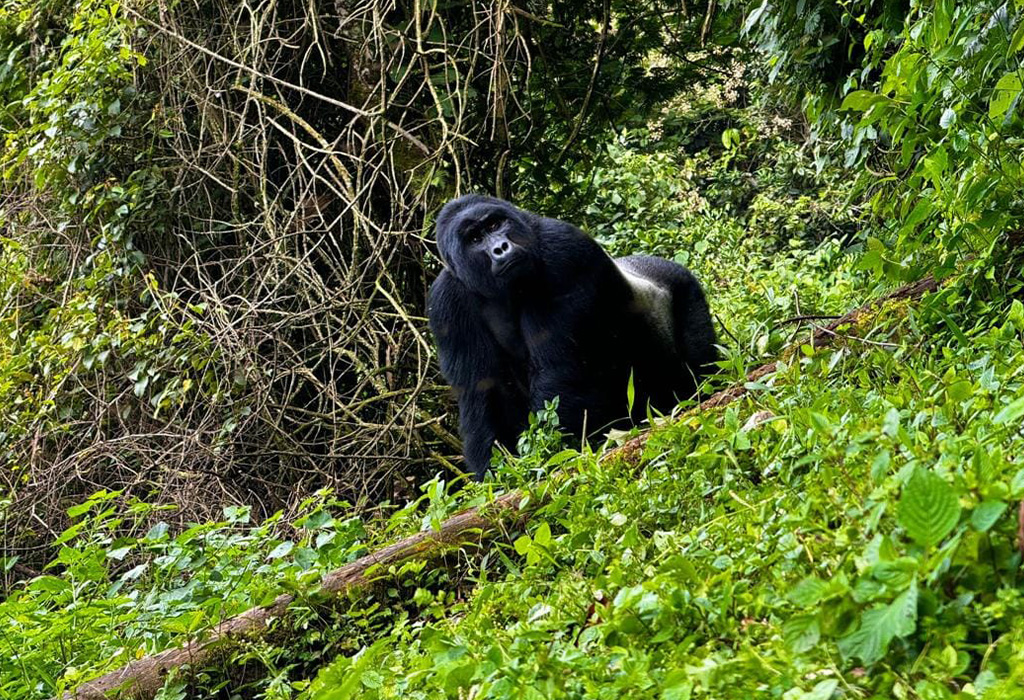
Furthermore, researchers cannot rush the process simply to make a gorilla family available for tourism. Excessive human exposure or approaching too closely before the animals are comfortable can increase stress and undermine the progress already achieved.
The two-to-three-year period reflects the patience, daily monitoring and professional conservation work required to establish a sustainable relationship between people and wild gorillas.
What Do Tourists See During the Gorilla Habituation Experience?
One of the most interesting aspects of the Gorilla Habituation Experience is that visitors encounter a family that is still undergoing the habituation process.
Unlike fully habituated gorillas, which have already become accustomed to regular human visits, semi-habituated gorillas may display more varied responses. Some individuals may continue feeding or resting without much interest in visitors, while others may watch the group carefully or move away.
During the experience in Rushaga, visitors may observe:
- Young gorillas playing and climbing through forest vegetation.
- Adult females feeding and caring for their infants.
- The silverback monitoring the family’s surroundings.
- Different forms of gorilla communication, including vocalisations and body movements.
- Natural feeding, resting and movement patterns.
- Interactions between researchers, rangers and the gorilla family.
These encounters offer a valuable opportunity to understand how conservationists study mountain gorillas and gradually prepare them for responsible wildlife tourism.
Nevertheless, visitors must remember that semi-habituated gorillas are still wild. Their behaviour is not guaranteed, and every encounter depends on the family’s location, mood and response to human presence.
Where Can You Experience Gorilla Habituation in Uganda?
Uganda’s Gorilla Habituation Experience takes place in the Rushaga sector of Bwindi Impenetrable National Park.
Rushaga is located in the southern part of Bwindi and is one of the park’s important gorilla trekking regions. It offers access to habituation activities as well as standard gorilla trekking, depending on permit availability and the operational arrangements established by Uganda Wildlife Authority.
The surrounding landscape features steep hills, thick rainforest, diverse birdlife and impressive natural scenery. Reaching the habituation starting point can involve challenging hikes, so visitors should prepare for muddy trails, uneven ground and changing weather conditions.
When organising your safari, consider the following:
- Book your gorilla habituation permit well in advance.
- Arrange accommodation in or around the Rushaga sector to reduce unnecessary morning transfers.
- Carry waterproof hiking boots, long trousers and a rain jacket.
- Bring drinking water, snacks and a comfortable daypack.
- Consider hiring a porter to help carry your belongings and provide support on difficult sections of the trail.
- Follow all instructions from the UWA rangers and habituation team.
The Gorilla Habituation Experience permit has traditionally cost USD 1,500 per foreign non-resident visitor, although permit prices and categories can change. Confirm the applicable rate with Uganda Wildlife Authority or your tour operator before making payment.
Gorilla Habituation Experience vs Standard Gorilla Trekking
Although both activities take place in Bwindi Impenetrable National Park, they offer different experiences.
| Feature | Gorilla Habituation | Standard Gorilla Trekking |
|---|---|---|
| Time with gorillas | Up to 4 hours | 1 hour |
| Visitor group | Maximum 4 people | Maximum 8 people |
| Gorilla family | Semi-habituated | Fully habituated |
| Main focus | Observation and conservation learning | Wildlife viewing |
| Location in Bwindi | Rushaga sector | Multiple sectors |
| Experience | Extended and immersive | Shorter wildlife encounter |
If you want a longer opportunity to observe gorilla behaviour and understand conservation research, habituation is an excellent choice. However, standard gorilla trekking remains a rewarding alternative for travellers with limited time or a different safari budget.
How Experiya Tour Company Can Organise Your Gorilla Habituation Safari
Planning a successful gorilla habituation safari involves more than obtaining a permit. You also need to consider transportation, accommodation, trekking preparations and the time required to reach Bwindi.
Experiya Tour Company helps travellers organise Uganda gorilla safaris, including the Gorilla Habituation Experience in Rushaga. Depending on your travel schedule, the company can arrange private transportation, suitable accommodation, permit arrangements and additional activities around Bwindi.
For visitors travelling from Entebbe or Kampala, the journey to Bwindi can take several hours by road. Therefore, spending a night near Rushaga before the habituation activity is a practical way to prepare for an early morning briefing.
You can also combine your gorilla habituation experience with other Ugandan attractions, such as:
- Lake Bunyonyi: Enjoy beautiful scenery, peaceful lakeside accommodation and optional boat excursions.
- Lake Mutanda: Discover scenic volcanic landscapes and relaxing lakeside activities.
- Queen Elizabeth National Park: Combine forest adventures with wildlife viewing and a Kazinga Channel boat cruise.
- Kibale Forest National Park: Add chimpanzee tracking to your Uganda primate safari.
With proper planning, these experiences can turn a gorilla habituation visit into a memorable multi-day Uganda safari.
Conclusion: Gorilla Habituation Takes Years, but the Visitor Experience Lasts Four Hours
So, how long does gorilla habituation last? The answer has two important parts. The tourist experience allows visitors to spend up to four hours with a semi-habituated gorilla family in Uganda’s Rushaga sector, while the complete conservation process generally takes two to three years.
Both periods contribute to what makes this experience exceptional. The four hours provide an opportunity to observe mountain gorillas beyond the limits of standard trekking, while the years of conservation work explain the patience, dedication and scientific knowledge required to make such encounters possible.
Ultimately, gorilla habituation is not simply an extended wildlife viewing activity. It is an opportunity to appreciate the relationship between responsible tourism, scientific research and mountain gorilla conservation. When you visit Bwindi with Experiya Tour Company, you experience more than an encounter with one of Africa’s most fascinating animals; you gain a deeper understanding of the work that helps protect them for future generations.