
Which Lodge Is Near the Ruhija Gorilla Trekking Starting Point?
November 11, 2026
The Equator Experience in Uganda
November 11, 2026
Rain during gorilla trekking is a normal part of exploring Uganda’s tropical rainforests. Mountain gorillas live in cool, moist environments where weather can change quickly. You might leave your lodge under clear skies only to encounter mist and rainfall as you enter the forest. Fortunately, rain does not normally stop gorilla trekking. With suitable clothing, proper equipment and guidance from experienced rangers, you can still enjoy an unforgettable encounter with mountain gorillas.
This guide by Experiya Tour Company explains what happens when it rains during gorilla trekking, how wet weather affects forest trails, what gorillas do during rainfall and how to prepare for a comfortable trekking experience in Bwindi Impenetrable National Park or Mgahinga Gorilla National Park.
Does Gorilla Trekking Continue When It Rains?
Yes. Gorilla trekking in Uganda generally continues during rainfall because mountain gorillas naturally inhabit tropical forests that receive moisture throughout the year. Both Bwindi Impenetrable National Park and Mgahinga Gorilla National Park offer trekking experiences during relatively dry and rainy periods.
Your trekking day normally begins with registration and a briefing at the designated park headquarters. Rangers explain the safety guidelines, assign visitors to trekking groups and provide information about the gorilla families. Afterwards, you enter the forest with trained guides and trackers.
If rain begins during the trek, your ranger will assess the conditions and guide the group accordingly. Light and moderate showers rarely prevent the activity from continuing. However, exceptionally severe weather may require adjustments or temporary suspension if park authorities identify safety risks.
Therefore, do not cancel your trekking plans simply because it rains at your lodge. Weather conditions can differ across the forest, and a rainy morning does not automatically mean the entire trekking area is experiencing dangerous conditions.
How Rain Affects Gorilla Trekking Trails
One of the biggest challenges of rain during gorilla trekking is the condition of the forest trails. Rainwater softens the soil, creates muddy sections and makes exposed roots and rocks slippery.
Consequently, walking may become slower and more physically demanding. Steep slopes require additional attention, while thick vegetation can make it difficult to identify stable places to step.
Rangers understand the terrain and help visitors navigate difficult sections safely. Follow their instructions, maintain a comfortable pace and avoid rushing to keep up with faster trekkers.
A walking stick can also improve stability, especially when climbing or descending muddy slopes. You can usually request one through your lodge or local trekking arrangements.
For additional support, consider hiring a porter. Besides carrying your backpack, a porter can assist you across challenging sections, allowing you to concentrate on maintaining your balance.
What Do Mountain Gorillas Do When It Rains?
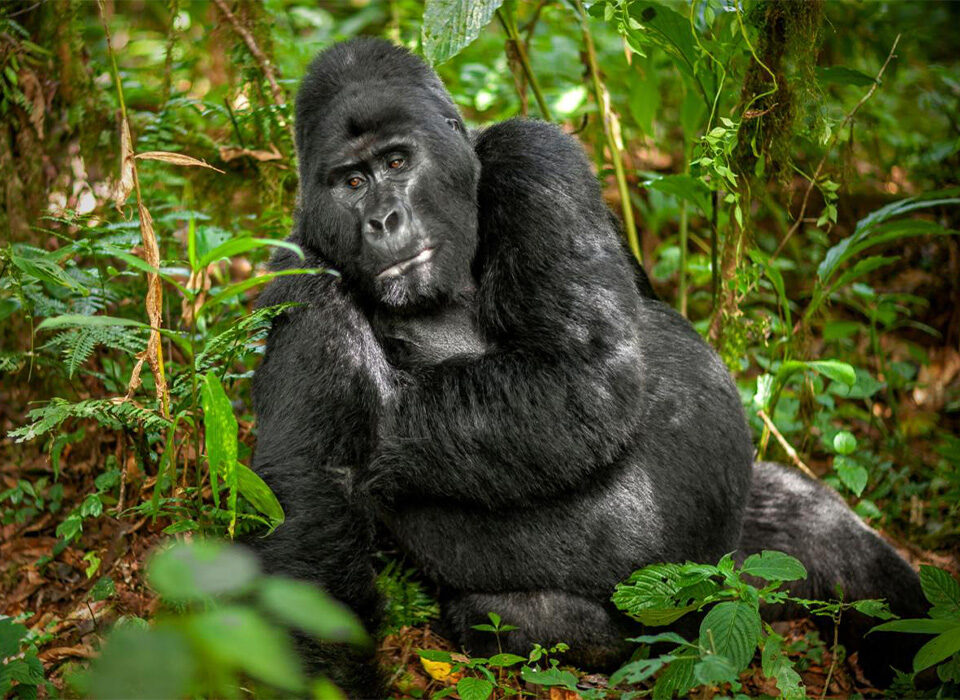
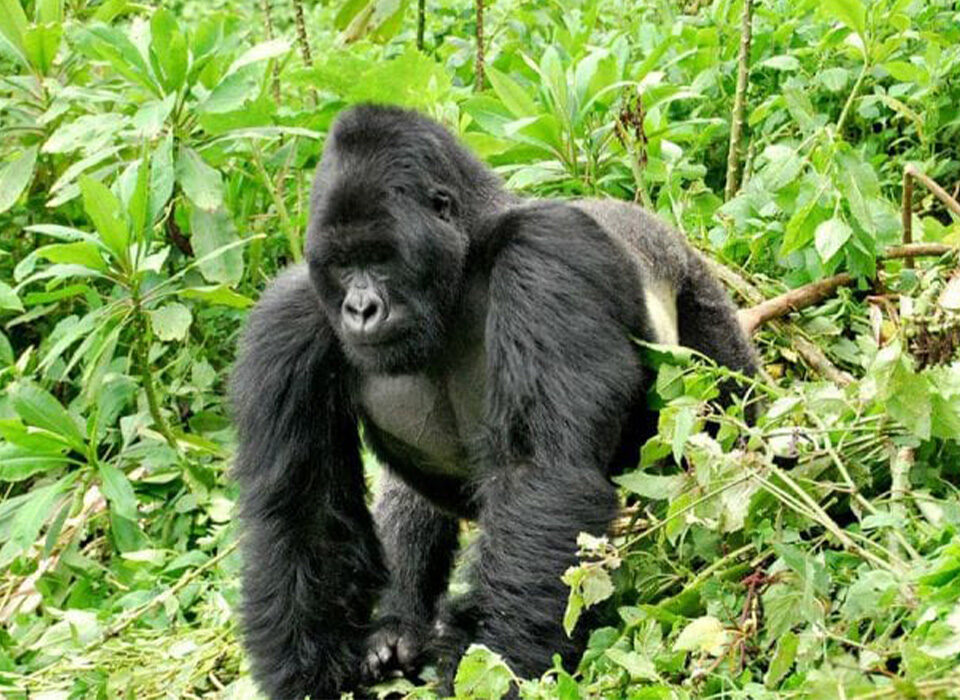
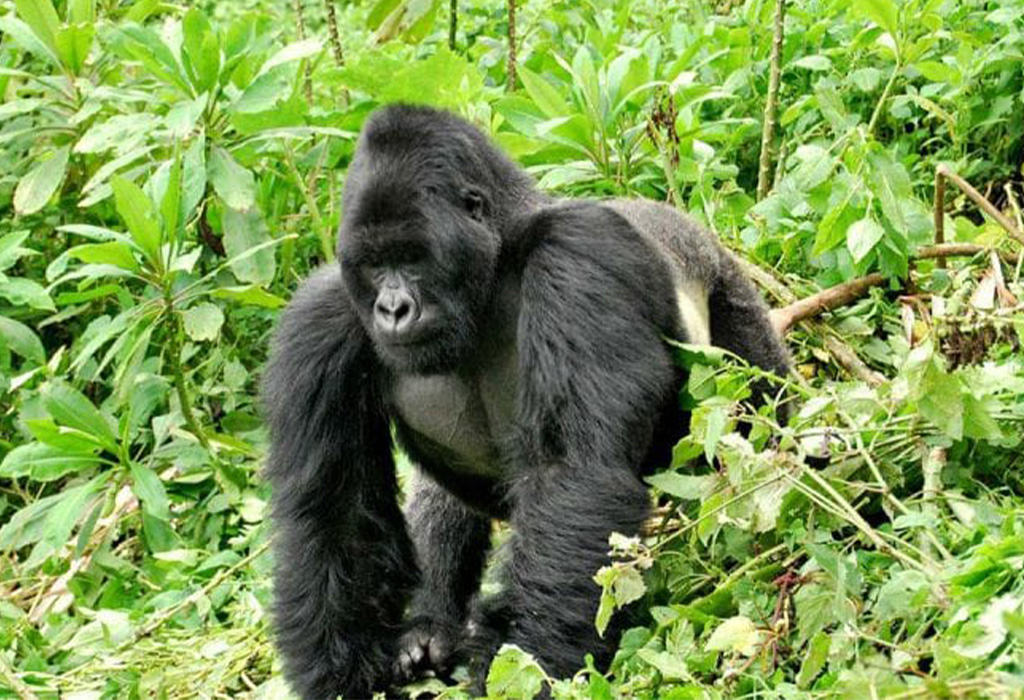
Mountain gorillas remain in their natural forest habitat when rainfall begins. Unlike animals living in managed enclosures, they move freely through the rainforest and adapt naturally to changing weather.
Their behaviour varies depending on the intensity of rainfall, available vegetation and normal family activities. Some gorillas may rest beneath thick vegetation, while others continue feeding or remain close to their family members.
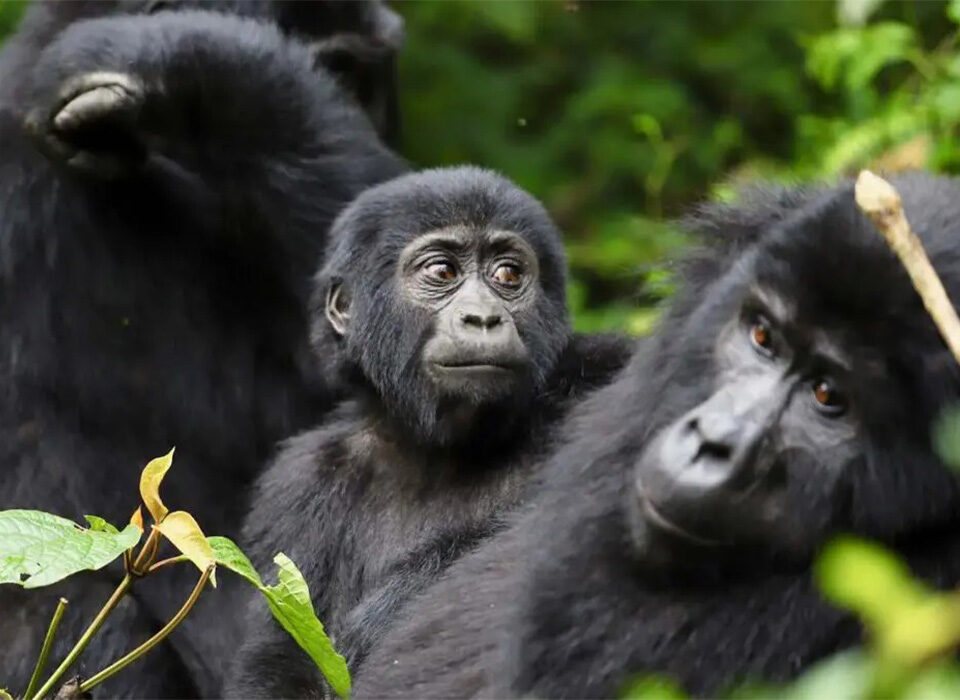
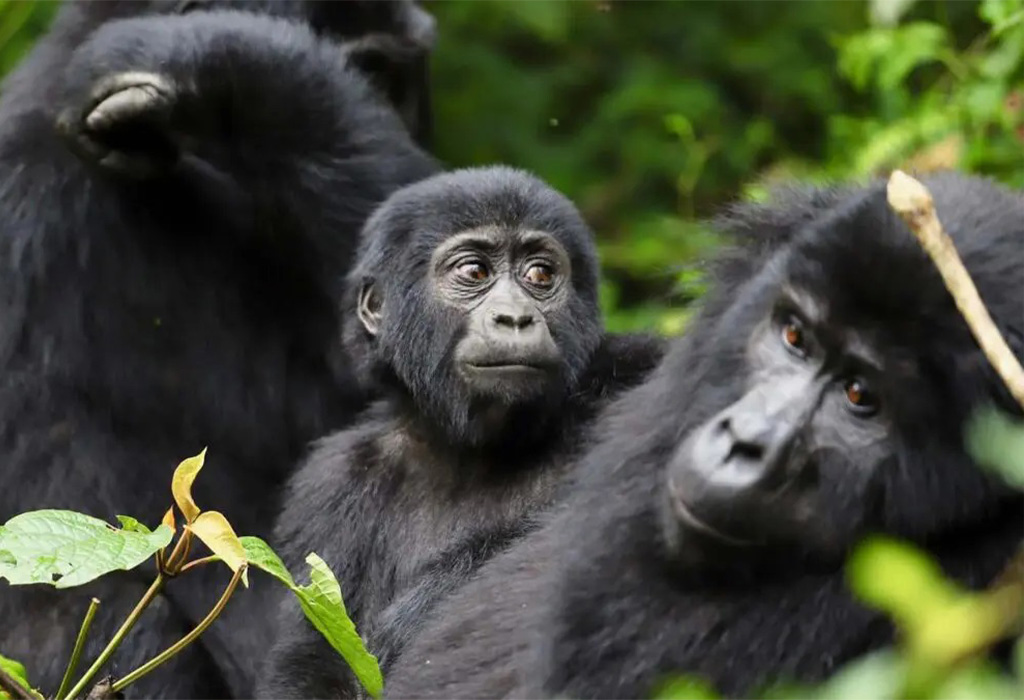
Young gorillas may stay close to their mothers, and other family members may sit together while waiting for heavy showers to pass. However, these behaviours are not guaranteed because every gorilla encounter is different.
Rain can also create beautiful photographic opportunities. Water droplets on vegetation, mist between trees and the deep green forest provide an atmospheric background for observing mountain gorillas in their natural environment.
Remember to remain in the position recommended by your ranger. Never move closer or change your position independently to obtain a better photograph.
What to Wear for Gorilla Trekking in the Rain
Choosing appropriate clothing makes a significant difference when trekking through a wet rainforest. Rather than wearing heavy garments, select comfortable, breathable layers that protect you from rain, mud, insects and scratches.
The following clothing is particularly useful:
- Waterproof hiking boots: Choose boots with strong tread, ankle support and reliable grip. Break them in before travelling to prevent blisters.
- Waterproof jacket: Carry a breathable rain jacket with a secure hood to protect your upper body.
- Long trekking trousers: Wear durable, quick-drying trousers to protect your legs from wet vegetation and scratches.
- Gardening gloves: These protect your hands when holding branches, vegetation or walking sticks.
- Long socks and gaiters: They help prevent mud, water and small insects from entering your boots.
- Warm middle layer: A lightweight fleece is useful during cool mornings and periods when you stop walking.
- Hat: A suitable hat provides additional protection, although it should not replace your waterproof jacket.
Avoid ordinary trainers because their soles may not provide sufficient traction on muddy forest trails. Similarly, avoid heavy cotton clothing because it retains moisture and takes longer to dry.
Essential Equipment for Rain During Gorilla Trekking
Besides suitable clothing, you should protect your personal belongings and photography equipment. A waterproof backpack cover provides an additional layer of protection, but sensitive items should also be stored in sealed waterproof bags.
Consider packing:
- A waterproof backpack cover or dry bag.
- A refillable drinking-water bottle.
- A small towel or microfibre cloth.
- A waterproof phone pouch.
- Extra camera batteries and memory cards.
- A packed lunch and light snacks.
- Personal medication and basic first-aid supplies.
- A walking stick, where available.
Keep your passport, money and other important documents in a waterproof pouch. Avoid carrying unnecessary items because a heavy backpack can make walking through muddy terrain more difficult.
Most importantly, keep your rain jacket somewhere accessible. You do not want to unpack your entire bag when an unexpected shower begins.
Photography Tips for Gorilla Trekking in Wet Weather
Rain does not mean you must abandon photography. In fact, wet weather can create some of the most beautiful rainforest photographs. However, you need to protect your camera and adjust to changing light conditions.
Use a waterproof camera cover or dry bag when moving through the forest. A lens hood helps prevent water droplets from reaching the front of your lens, while a clean microfibre cloth allows you to remove moisture when necessary.
A zoom lens is particularly useful because it allows you to photograph gorillas from your assigned viewing position without constantly changing lenses.
Since forest light can become limited during rainfall, you may need to increase your camera’s ISO or use a wider aperture. Check your photographs occasionally to ensure the gorillas remain sharp.
Remember that flash photography is not permitted during gorilla encounters. Prepare your camera settings before reaching the gorilla family and follow the ranger’s instructions throughout the viewing period.
If you use a smartphone, carry a waterproof protective pouch and ensure that it does not obstruct the camera lens.
Why You Should Hire a Porter During Rainy Gorilla Trekking
Hiring a porter is one of the most practical decisions you can make, particularly when expecting rain. A porter carries your backpack, water and packed lunch, leaving you with less weight to manage while walking.
Wet trails can be challenging even for experienced hikers. Carrying a heavy bag while climbing slippery slopes increases physical effort and makes balancing more difficult.
Porters also understand the local terrain and can offer a helping hand across difficult sections. Their assistance is valuable to visitors of different ages and fitness levels.
You should not consider hiring a porter only if you are elderly or physically unfit. Even experienced hikers benefit from carrying less weight during a demanding forest walk.
Porter services are generally arranged near the park briefing area. Ask your tour operator about the recommended arrangements and applicable charges before trekking.
Does Rain Affect Gorilla Trekking in Bwindi and Mgahinga?
Uganda offers mountain gorilla trekking in two protected destinations: Bwindi Impenetrable National Park and Mgahinga Gorilla National Park. Both experience rainfall, although their landscapes and trekking environments differ.
Rain During Gorilla Trekking in Bwindi
Bwindi is a mountainous rainforest with four main trekking sectors: Buhoma, Ruhija, Rushaga and Nkuringo.
The dense vegetation retains moisture, meaning that trails may remain wet even after rainfall stops. Some routes also involve steep slopes, muddy ground and thick undergrowth.
Conditions can differ between sectors, so visitors should prepare for rain regardless of their chosen trekking location.
Rain During Gorilla Trekking in Mgahinga
Mgahinga lies within the Virunga volcanic mountain range and features montane forests, bamboo vegetation and high-altitude landscapes.
Cool temperatures, mist and rainfall can occur, particularly at higher elevations. Therefore, warm layers, waterproof jackets and suitable hiking boots are essential.
Neither destination guarantees dry trekking conditions. Your choice should depend on permit availability, accommodation, accessibility and your wider Uganda safari itinerary.
Is Gorilla Trekking Better During the Dry Season?
Uganda’s relatively dry periods are popular because forest trails may be less muddy and road transfers can be easier. These conditions can make trekking more comfortable, especially for visitors who are unfamiliar with mountainous terrain.
However, dry season does not mean an absence of rainfall. Bwindi and Mgahinga are tropical mountain environments, and unexpected showers can occur throughout the year.
The rainy seasons can also provide rewarding experiences. The forest becomes especially green, mist creates beautiful scenery and visitors experience the mountain gorillas in their natural environment under different weather conditions.
Ultimately, the best time for gorilla trekking depends on your travel dates, personal preferences, physical fitness and permit availability. Regardless of the season, always carry suitable rain protection.
Practical Tips for Staying Comfortable During Rain
A little preparation can make your gorilla trekking experience considerably easier. Before leaving your lodge, check that your clothing, footwear and equipment are ready.
Keep these practical recommendations in mind:
- Eat breakfast before heading to the park headquarters.
- Carry sufficient drinking water and your packed lunch.
- Wear comfortable, broken-in waterproof hiking boots.
- Keep your rain jacket and backpack cover accessible.
- Hire a porter if you would benefit from additional support.
- Walk slowly and follow your ranger’s instructions.
- Protect your camera, phone and important documents.
- Carry a dry change of clothes for after the trek.
- Allow sufficient recovery time after returning to your lodge.
When you finish trekking, remove wet clothing, clean your boots and dry your equipment. Wear warm, comfortable clothes and take time to recover before continuing with other safari activities.
Frequently Asked Questions About Rain During Gorilla Trekking
Can gorilla trekking be cancelled because of rain?
Normal rainfall does not usually cancel gorilla trekking. However, exceptionally severe weather may create unsafe trail conditions, requiring park authorities to adjust or suspend activities.
Will I still see gorillas when it rains?
Rain does not automatically prevent visitors from seeing mountain gorillas. Trackers and rangers continue monitoring the assigned family according to park procedures. However, wildlife encounters always involve natural uncertainty.
Is gorilla trekking difficult during the rainy season?
It can be more challenging because muddy trails, slippery roots and steep slopes require additional effort. Suitable boots, walking sticks and porter assistance can make the experience more manageable.
Should I carry an umbrella?
A waterproof jacket is generally more practical than an umbrella. Narrow forest trails and thick vegetation make umbrellas difficult to manage, especially when you need both hands for balance.
Are waterproof boots necessary?
Waterproof hiking boots with good traction are strongly recommended. They provide better protection and support when walking through muddy, uneven forest terrain.
Can I trek gorillas during Uganda’s rainy season?
Yes. Gorilla trekking takes place throughout the year in Bwindi and Mgahinga, subject to park operating conditions and permit availability.
What happens if my clothes get wet?
Change into dry clothing after returning to your lodge. Allow your boots, jacket and other equipment to dry properly before your next activity.
Is hiring a porter necessary?
Hiring a porter is not compulsory, but it is highly recommended. A porter can carry your backpack and assist you on difficult sections, particularly when trails become slippery.
Plan Your Uganda Gorilla Trekking Safari with Experiya Tour Company
Rain during gorilla trekking should not discourage you from experiencing one of Uganda’s most remarkable wildlife encounters. With proper preparation, suitable clothing and support from experienced guides, you can enjoy trekking through the rainforest even when the weather changes.
At Experiya Tour Company, we help travellers organise Uganda gorilla trekking safaris with attention to permits, accommodation, transportation and practical trekking arrangements. We also help you select suitable accommodation near your designated trekking sector to minimise unnecessary early-morning transfers.
You can combine your gorilla experience with other exciting destinations, including Queen Elizabeth National Park, Kibale Forest National Park and Lake Bunyonyi.
Whether you prefer travelling during the relatively dry months or experiencing the lush rainforest during the rainy season, we can help you plan an itinerary that matches your interests, budget and available travel time.
Contact Experiya Tour Company to start planning your Uganda gorilla trekking adventure and prepare for an unforgettable encounter with mountain gorillas in their natural habitat.