
Uganda Gorilla Tours to Bwindi: Gorilla Trekking in Uganda’s Bwindi and Mgahinga National Parks
November 10, 2026
Bigodi Wetland Sanctuary Walks and Tours
November 10, 2026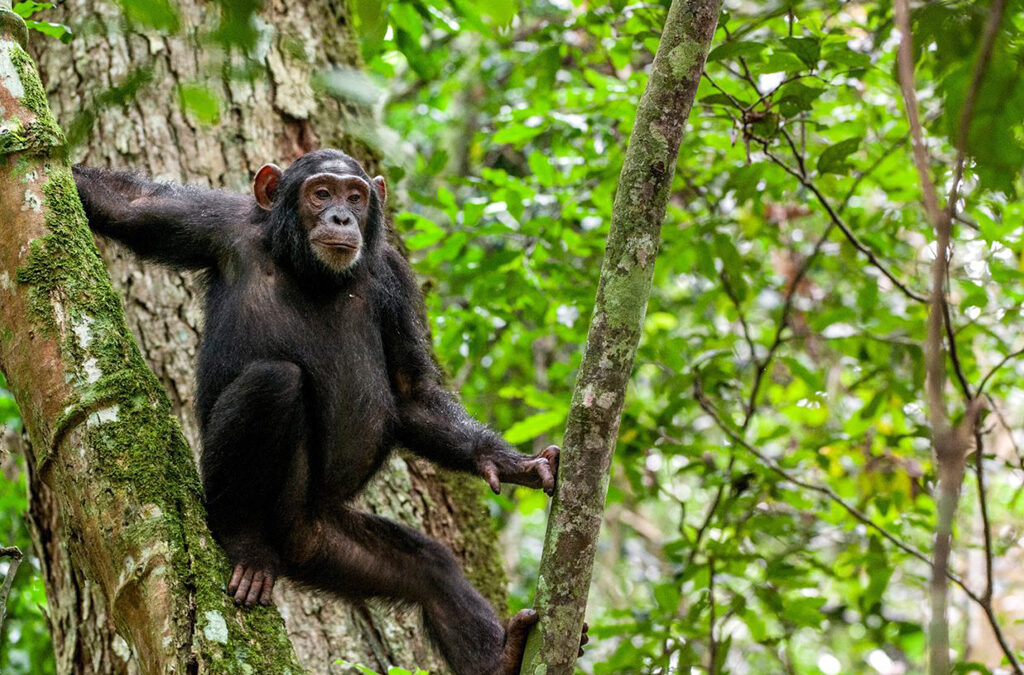
Chimpanzee tracking is one of the most rewarding wildlife experiences available on Uganda safaris. It takes visitors deep into tropical rainforests, where they follow experienced guides in search of wild chimpanzees. However, before booking this exciting adventure, many travelers ask an important question: What fitness level is required for chimpanzee tracking?
The good news is that you do not need to be an experienced hiker or professional athlete to participate in ordinary chimpanzee tracking. Most visitors with average fitness levels can enjoy the activity, provided they can walk for several hours on natural forest trails. Nevertheless, the physical demands vary depending on the destination, weather conditions, terrain and movement of the chimpanzee community.
Unlike gorilla trekking, which can involve challenging climbs through mountainous forests, chimpanzee tracking generally takes place in lower-altitude tropical forests. Even so, visitors should prepare for uneven ground, muddy paths, thick vegetation and occasional steep sections.
At Experiya Tour Company, we encourage travelers to understand these physical requirements before their safari. With suitable preparation, appropriate footwear and guidance from experienced park rangers, chimpanzee tracking can be an enjoyable experience for a wide range of travelers.
1. What Fitness Level Is Required for Chimpanzee Tracking?
Chimpanzee tracking in Uganda generally requires a moderate level of physical fitness. Visitors should be comfortable walking for approximately two to six hours, although some tracking sessions may be shorter or longer depending on where the chimpanzees are feeding, resting or moving through the forest.
You do not need advanced hiking skills. However, a reasonable level of stamina, balance and mobility will make the experience considerably easier.
During the trek, you may encounter:
- Uneven forest trails with exposed roots and rocks.
- Muddy and slippery paths, particularly during rainy periods.
- Gentle slopes and occasional steep sections.
- Dense vegetation that requires careful movement.
- Short periods of faster walking when guides follow moving chimpanzees.
Chimpanzees rarely remain in one location throughout the day. They move between feeding areas, sleeping sites and different sections of the forest. Consequently, visitors sometimes need to walk further than expected before locating a particular community.
Although the activity can be physically demanding, guides and rangers manage the pace according to the group and prevailing forest conditions. Taking regular breaks, drinking enough water and following instructions will help you complete the experience comfortably.
2. Chimpanzee Tracking in Kibale Forest National Park
Kibale Forest National Park is Uganda’s leading destination for chimpanzee tracking. Located in western Uganda near Fort Portal, this tropical rainforest covers approximately 795 square kilometres and supports an impressive diversity of wildlife.
The forest is particularly famous for its chimpanzee population, which is commonly estimated at more than 1,500 individuals. It also supports 12 other primate species, making it one of the most important primate habitats in East Africa.
How Physically Demanding Is Kibale Chimpanzee Tracking?
Chimpanzee tracking in Kibale generally requires moderate fitness. The trails pass through dense rainforest, where visitors encounter muddy sections, exposed tree roots, uneven ground and gently undulating terrain.
Some tracking sessions involve relatively easy walks, while others require longer hikes when chimpanzees move deeper into the forest.
Most visitors with average physical fitness can participate successfully. However, comfortable walking shoes, sufficient drinking water and basic stamina are important.
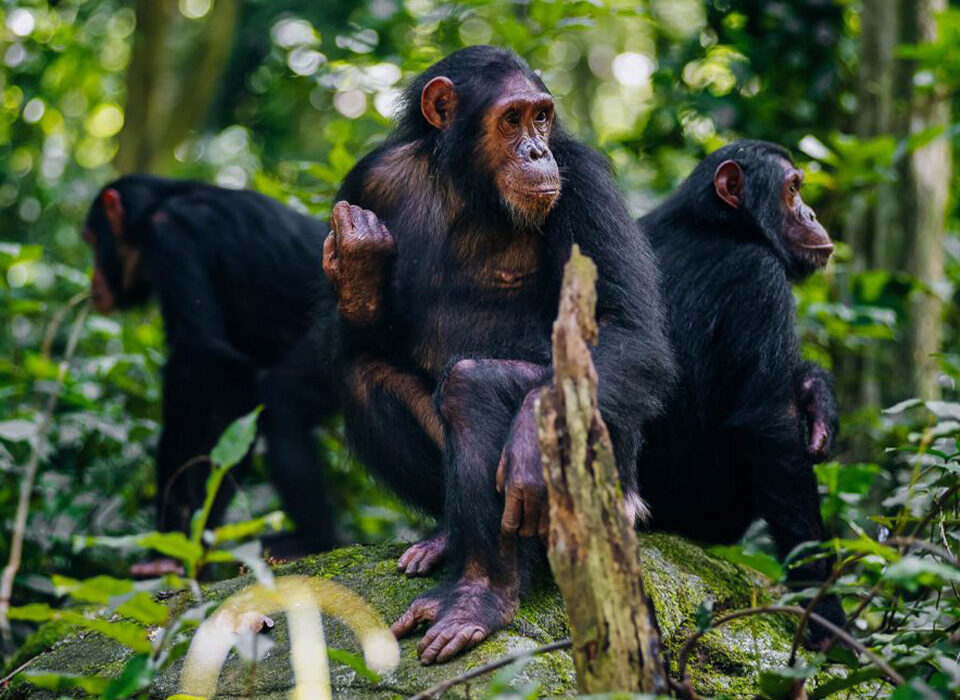
One of the exciting aspects of tracking in Kibale is the opportunity to observe chimpanzees behaving naturally. Once the group locates them, visitors may watch the animals feeding, grooming, playing, communicating and moving through the forest canopy.
The park also offers opportunities to encounter other primates and forest birds. Bird enthusiasts may look out for species such as the African grey parrot, green-breasted pitta and great blue turaco.
Travelers can combine Kibale chimpanzee tracking with gorilla trekking in Bwindi Impenetrable National Park, creating an unforgettable Uganda primate safari.
3. Budongo Forest Reserve: A More Relaxed Chimpanzee Tracking Experience
Budongo Forest Reserve offers another excellent destination for chimpanzee tracking in Uganda. Located near Murchison Falls National Park in northwestern Uganda, this beautiful forest is famous for its mahogany trees, rich biodiversity and established chimpanzee research activities.
Compared with some of Uganda’s other chimpanzee tracking destinations, Budongo generally offers relatively gentle terrain. This makes it an attractive option for travelers who prefer a less demanding forest walk.
What Fitness Level Do You Need in Budongo?
Most visitors with average fitness can participate in chimpanzee tracking in Budongo. The trails are generally less steep, although muddy conditions, uneven surfaces and longer walking distances can still make the experience challenging.
The physical demands depend largely on the location of the chimpanzees and the prevailing weather conditions.
During the walk, visitors may encounter red-tailed monkeys, black-and-white colobus monkeys and numerous forest bird species. The experience also provides an opportunity to learn about chimpanzee conservation and the importance of protecting Uganda’s remaining tropical forests.
Budongo is particularly convenient for travelers combining chimpanzee tracking with wildlife viewing in Murchison Falls National Park. After the forest experience, you can enjoy game drives in search of elephants, giraffes, buffaloes, lions and other wildlife.
For travelers who prefer combining primate experiences with traditional wildlife safaris, Experiya Tour Company can arrange a customized itinerary covering both destinations.
4. Kyambura Gorge: A More Challenging Chimpanzee Trek
Kyambura Gorge, located within Queen Elizabeth National Park, offers one of Uganda’s most scenic chimpanzee tracking experiences. Often called the Valley of Apes, this remarkable landscape features a forested gorge surrounded by open savannah.
Unlike the relatively gentle forest trails in Budongo, Kyambura involves descending into a deep gorge before entering the forest in search of chimpanzees.
How Difficult Is Chimpanzee Tracking in Kyambura Gorge?
Chimpanzee tracking in Kyambura generally requires moderate fitness, good balance and reasonable stamina. The steep descent and subsequent climb out of the gorge can be physically demanding, especially after rainfall.
Visitors should be prepared for:
- Steep sections when entering and leaving the gorge.
- Uneven paths and exposed tree roots.
- Muddy and slippery forest trails.
- Walking through dense vegetation.
- Occasional changes in walking pace as guides follow chimpanzees.
The return climb can be particularly tiring for visitors who are not accustomed to hiking. Nevertheless, taking your time and following the ranger’s instructions makes the experience manageable for many travelers.
One of the main attractions of Kyambura is its dramatic scenery. The contrast between the green forest below and the surrounding savannah creates excellent opportunities for nature photography.
You can also combine chimpanzee tracking with game drives and a boat cruise along the Kazinga Channel, where elephants, hippos, buffaloes and numerous bird species are commonly seen.
5. Chimpanzee Habituation Experience: What Fitness Level Is Required?
For travelers seeking a more immersive primate adventure, the Chimpanzee Habituation Experience in Kibale Forest provides an excellent alternative to ordinary chimpanzee tracking.
Unlike standard tracking, which involves spending a limited period observing habituated chimpanzees, the habituation experience allows visitors to accompany researchers and guides as they follow chimpanzee communities that are undergoing the habituation process.
The activity offers a deeper understanding of chimpanzee behaviour, feeding patterns, social relationships and daily movements.
Physical Demands of the Habituation Experience
The chimpanzee habituation experience requires above-average stamina compared with ordinary tracking. Participants may spend much of the day walking through dense forest, sometimes covering considerable distances as the chimpanzees move between different locations.
Depending on forest conditions and chimpanzee movements, the experience can involve approximately five to six hours or more in the forest.
Participants should be comfortable with:
- Extended periods of walking.
- Uneven and sometimes steep forest trails.
- Warm, humid tropical conditions.
- Occasional muddy and slippery sections.
- Remaining active for much of the day.
Although you do not need to be an expert hiker, reasonable physical preparation is essential.
This experience is particularly suitable for wildlife photographers, primate enthusiasts, conservation supporters and travelers who want to understand chimpanzees beyond a brief observation.
6. What Should You Expect During a Chimpanzee Tracking Experience?
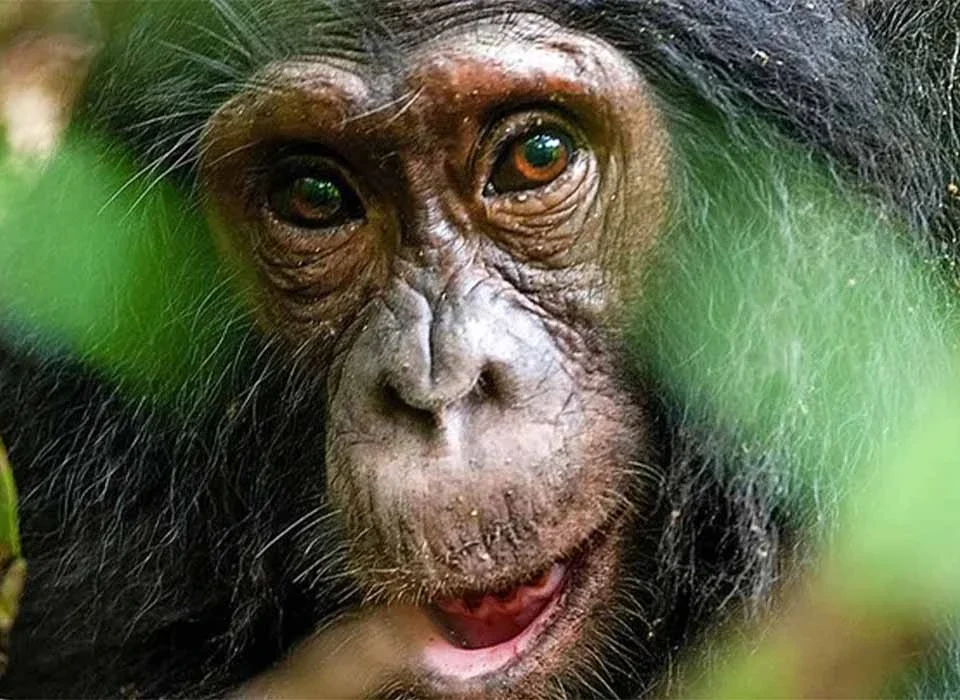
Chimpanzee tracking is more than simply walking through a forest. It is an educational wildlife experience that introduces visitors to the behaviour, intelligence and social lives of one of our closest living relatives.
Before entering the forest, visitors receive a briefing from park rangers. They explain the tracking rules, safety precautions, expected walking conditions and appropriate behaviour around chimpanzees.
Once the trek begins, guides use their knowledge of chimpanzee movements, feeding habits and vocalizations to locate the animals.
You may hear loud pant-hoots echoing through the forest before seeing the chimpanzees themselves. These calls often provide clues about their location and social interactions.
When you finally encounter the group, you may observe:
- Chimpanzees feeding on fruits and leaves.
- Mothers caring for their young.
- Individuals grooming one another.
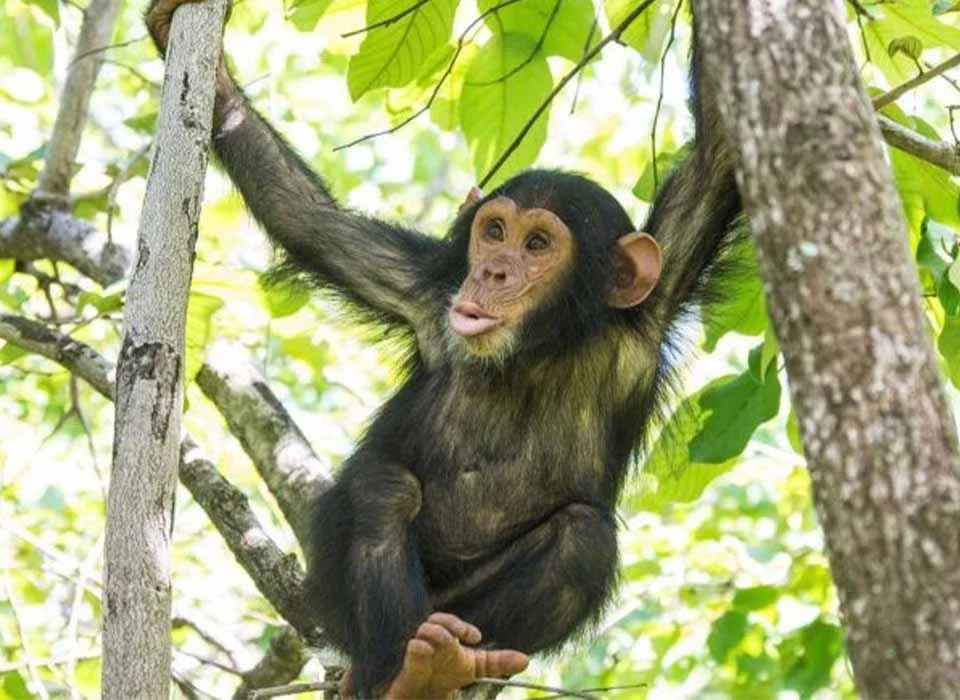
- Young chimpanzees playing among the branches.
- Chimpanzees communicating through calls and gestures.
- Individuals moving rapidly through the forest canopy.
The duration of the walk depends on how quickly the group locates the chimpanzees. Once the animals are found, visitors must follow the permitted observation time and all ranger instructions.
These encounters provide memorable opportunities for photography and wildlife observation while supporting conservation and responsible tourism.
7. How to Prepare Physically for Chimpanzee Tracking in Uganda
Preparing your body before traveling to Uganda can make a significant difference to your trekking experience. Even if you regularly exercise, walking through a tropical rainforest presents different challenges from exercising in a gym or walking on paved roads.
Fortunately, you do not need an intensive training programme. Simple exercises and regular outdoor walks can help improve your endurance and confidence.
We recommend the following preparations:
1. Practise regular walking
Start walking for 30 to 60 minutes several times a week. Gradually increase the distance and include gentle hills where possible.
2. Include stair climbing
Climbing stairs helps strengthen your legs and improves cardiovascular endurance. This is particularly useful for visitors planning to track chimpanzees in Kyambura Gorge.
3. Improve your balance
Forest trails can be slippery and uneven. Gentle balance exercises and walking on natural trails can help improve stability.
4. Wear appropriate hiking footwear
Choose comfortable hiking boots or sturdy trekking shoes with good grip. Avoid new footwear that may cause blisters during the trek.
5. Build your stamina gradually
If you have not exercised regularly, begin with shorter walks and gradually increase their duration. Avoid overexerting yourself immediately before your safari.
6. Stay hydrated
Drink enough water before and during the trek. Carry a reusable water bottle and light snacks where permitted.
With these preparations, most travelers can approach chimpanzee tracking with greater confidence and comfort.
8. What Should You Pack for Chimpanzee Tracking?
Having the right equipment makes forest trekking easier and more enjoyable. Since weather conditions in Uganda’s tropical forests can change quickly, visitors should prepare for both sunshine and rain.
We recommend packing:
- Lightweight, long-sleeved shirts and long trousers.
- Comfortable hiking boots with good traction.
- A lightweight waterproof jacket.
- Drinking water and light snacks.
- Insect repellent.
- Sunscreen.
- A small backpack.
- A camera with a suitable lens.
- Gardening gloves for protection when handling vegetation, if needed.
Neutral-coloured clothing is generally preferable because it helps visitors blend into the natural surroundings.
Avoid carrying unnecessary luggage into the forest. A lightweight backpack allows you to move more comfortably while keeping essential supplies within reach.
9. Can Older Travelers or People With Average Fitness Track Chimpanzees?
Yes. Chimpanzee tracking is accessible to many older travelers and visitors who do not consider themselves particularly athletic. However, the suitability of a particular trek depends on individual mobility, stamina and general physical ability.
For example, Budongo may be a more suitable option for someone who prefers relatively gentle forest terrain. Kibale is also manageable for many visitors with average fitness, while Kyambura may present additional challenges because of its steep gorge.
Travelers with mobility limitations or medical concerns should discuss their circumstances with their safari operator and seek appropriate medical advice before participating.
It is also important to understand that chimpanzee tracking is a guided activity, not a casual forest walk. Visitors must follow the instructions of park rangers and remain physically capable of navigating the conditions encountered during the trek.
Experiya Tour Company helps travelers select suitable destinations and plan safari itineraries that take their preferences and physical abilities into consideration.
10. Best Time for Chimpanzee Tracking in Uganda
Chimpanzee tracking takes place throughout the year in Uganda. However, the dry seasons generally provide more comfortable trekking conditions.
The main dry periods are:
- June to August: These months usually experience relatively lower rainfall, making forest trails easier to navigate.
- December to February: Another favourable period, with generally drier conditions and good opportunities for wildlife activities.
The rainy seasons typically occur around March to May and September to November. During these periods, forest trails can become muddy and slippery, making some sections more challenging.
Nevertheless, rainy seasons offer their own advantages. Forests become greener, food resources may be abundant and chimpanzee encounters remain possible.
Importantly, chimpanzees do not disappear during the rainy months. Tracking continues throughout the year, although visitors should prepare for changing weather conditions.
11. Why Choose Experiya Tour Company for Chimpanzee Tracking in Uganda?
Choosing an experienced safari operator can make your chimpanzee tracking experience easier, safer and more enjoyable.
Experiya Tour Company organizes customized Uganda safaris that combine chimpanzee tracking with gorilla trekking, wildlife game drives, birdwatching and cultural experiences.
We understand that travelers have different physical abilities, interests and expectations. Therefore, we help visitors choose destinations and activities that match their preferences while considering the physical demands of each experience.
Our chimpanzee safari arrangements can include:
- Chimpanzee tracking in Kibale Forest National Park.
- Chimpanzee tracking in Budongo Forest Reserve.
- Chimpanzee tracking in Kyambura Gorge.
- Chimpanzee habituation experiences in Kibale.
- Gorilla trekking in Bwindi Impenetrable National Park.
- Wildlife game drives in Queen Elizabeth and Murchison Falls national parks.
- Birdwatching and guided nature walks.
- Cultural encounters with local communities.
We also arrange transportation, accommodation, tracking permits and professional safari guiding to make your journey convenient.
Whether you are planning a short chimpanzee tracking excursion or an extended Uganda wildlife safari, our team can help you create an itinerary that suits your travel schedule and physical abilities.
Conclusion: What Fitness Level Is Required for Chimpanzee Tracking?
So, what fitness level is required for chimpanzee tracking in Uganda? In most cases, average to moderate physical fitness is sufficient for ordinary chimpanzee tracking. You should be comfortable walking for several hours through natural forest terrain, including muddy paths, uneven surfaces and occasional slopes.
Kibale Forest and Budongo generally accommodate visitors with average fitness, although conditions vary. Kyambura Gorge requires additional stamina because of its steep descent and ascent, while the chimpanzee habituation experience demands greater endurance due to its longer duration.
You do not have to be an experienced hiker to enjoy this remarkable wildlife adventure. With regular walking practice, appropriate clothing, comfortable footwear and proper preparation, you can confidently explore Uganda’s forests and encounter chimpanzees in their natural habitat.
Contact Experiya Tour Company to plan your chimpanzee tracking safari in Uganda and discover the country’s remarkable primate diversity with experienced local guides.