
Best Things to Do on Vacation at Nyungwe Forest National Park
November 9, 2026
Guide to the Local Markets in Rwanda
November 9, 2026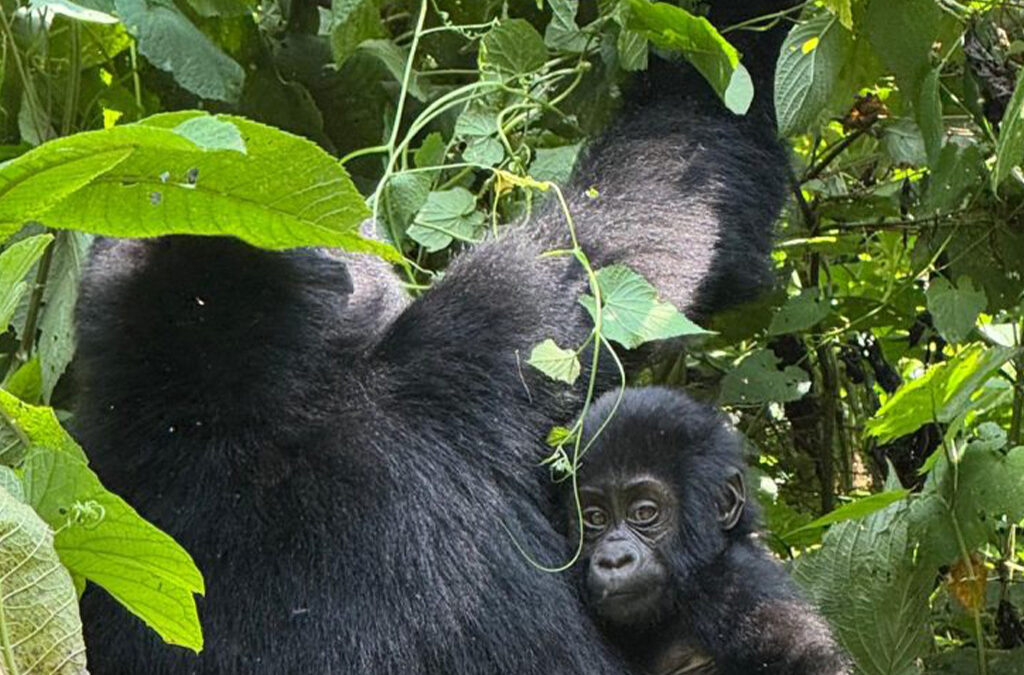
Rwanda ranks among Africa’s most remarkable destinations for mountain gorilla trekking. Located in the country’s northwestern region, Volcanoes National Park protects a significant population of endangered mountain gorillas within the spectacular Virunga Mountains. The park is home to several habituated gorilla families that visitors can encounter on guided treks.
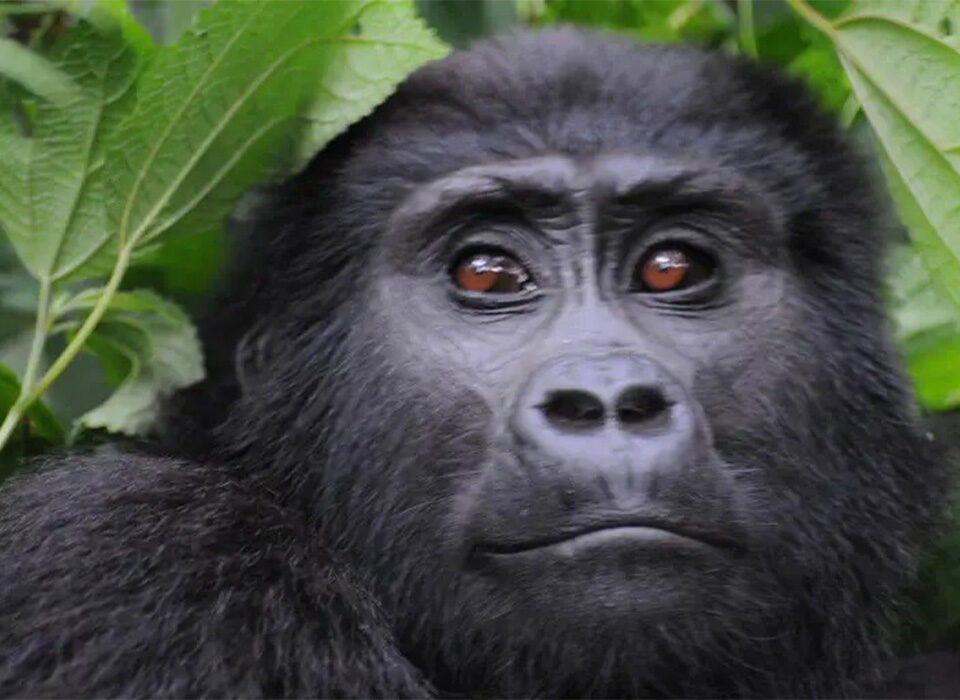
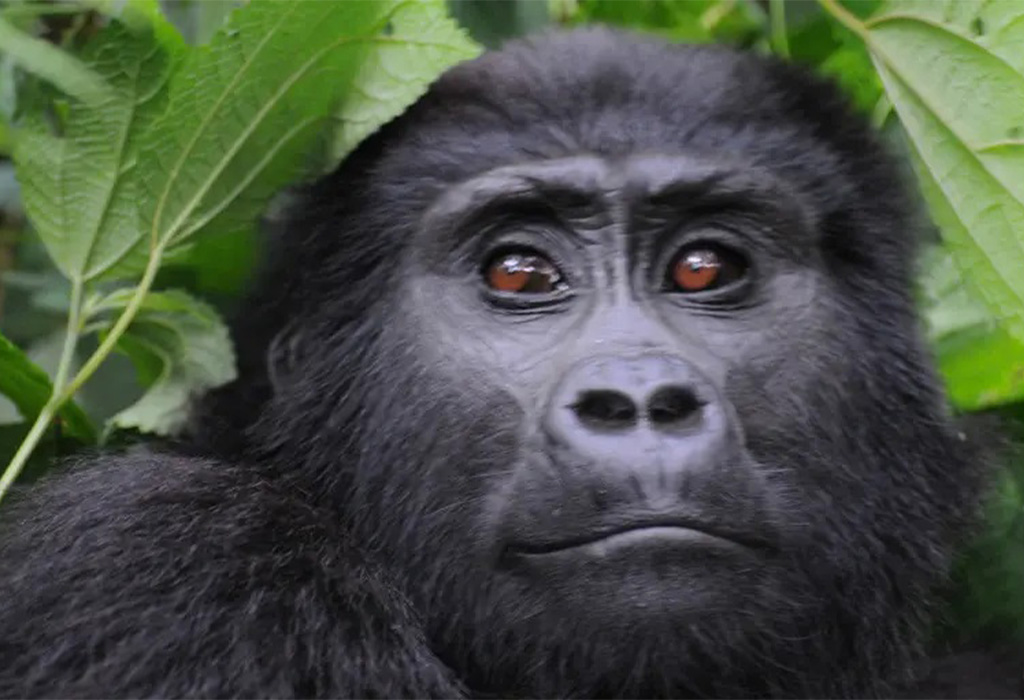
Rwanda’s habituated gorilla families give travellers a unique opportunity to observe these intelligent great apes in their natural habitat. Each family has its own social structure, led by a dominant silverback and supported by adult females, juveniles and infants. During a trek, visitors can watch these fascinating animals feed, groom, play and communicate with one another.
At Experiya Tour Company, we help travellers explore Rwanda’s mountain gorillas through carefully organised trekking safaris, experienced guides and comfortable accommodation near Volcanoes National Park. Whether you are planning a short gorilla trekking excursion or an extended East African safari, we make your journey memorable and rewarding.
Where Are Rwanda’s Habituated Gorilla Families Found?
Rwanda’s habituated mountain gorilla families live in Volcanoes National Park, a protected area in the Musanze district of northwestern Rwanda. The park forms part of the greater Virunga Conservation Area, which extends across Rwanda, Uganda and the Democratic Republic of Congo.
Covering approximately 160 square kilometres, Volcanoes National Park features montane forests, bamboo vegetation, volcanic slopes and remarkable biodiversity. In particular, the park protects five of the eight Virunga volcanoes:
- Mount Karisimbi
- Mount Bisoke
- Mount Muhabura
- Mount Gahinga
- Mount Sabyinyo
These volcanic landscapes provide suitable habitats for mountain gorillas, golden monkeys and numerous bird species.
Furthermore, Volcanoes National Park has a remarkable conservation history. Established in 1925, it ranks among Africa’s oldest protected conservation areas. The park also gained international recognition through the pioneering mountain gorilla research conducted by primatologist Dian Fossey.
Today, Volcanoes National Park serves as Rwanda’s leading mountain gorilla trekking destination. Consequently, it attracts wildlife enthusiasts, photographers, conservationists and adventure travellers from around the world.
Understanding Habituated Mountain Gorilla Families in Rwanda
Mountain gorillas are highly social primates that live in closely connected family groups. Typically, a gorilla family consists of a dominant silverback, adult females, young males, juveniles and infants.
To prepare a gorilla family for tourism, conservationists undertake a gradual habituation process. During this process, researchers and trained trackers regularly observe and approach wild gorillas until the animals become accustomed to human presence without losing their natural behaviours.
Once a family completes this process, park authorities may approve it for controlled tourism visits. However, conservation teams continue monitoring the group to ensure that visitors do not interfere with its daily activities.
In Rwanda, several mountain gorilla families have undergone habituation for tourism and research purposes. To protect these endangered primates, authorities strictly regulate visitor numbers and the duration of each encounter.
For instance, a maximum of eight tourists can visit one habituated gorilla family per day. Additionally, each group receives approximately one hour to observe the gorillas.
These restrictions minimise human disturbance while allowing tourism to contribute to long-term conservation and community development.
Popular Rwanda Habituated Gorilla Families
Volcanoes National Park has several recognised mountain gorilla families, each with a distinctive history and social character. Over the years, some groups have gained particular recognition because of their leadership changes, family relationships and conservation history.
Here are some of the well-known gorilla families associated with Rwanda’s gorilla trekking experience.
1. Susa A Gorilla Family
The Susa A family ranks among the most historically recognised mountain gorilla groups in Rwanda. It became famous through early gorilla research in the Virunga Mountains and its association with the pioneering work of Dian Fossey.
Over time, the family attracted considerable attention because of its history, relatively large membership and fascinating social relationships.
However, visitors should prepare for potentially challenging hikes when tracking this group. The gorillas move through the forest in search of food and suitable resting areas, meaning their location can change from day to day.
Nevertheless, encountering this historically significant family offers an opportunity to appreciate Rwanda’s long-standing mountain gorilla conservation efforts.
2. Karisimbi Gorilla Family (Susa B)
The Karisimbi family, also known as Susa B, separated from the original Susa group. The family is associated with the higher slopes of Mount Karisimbi, Rwanda’s highest volcano.
Because of its preferred habitat, tracking this group can involve longer and more demanding hikes. Therefore, visitors should prepare for steep terrain, changing weather conditions and high-altitude trekking.
Despite the physical challenge, encountering the Karisimbi family can be particularly rewarding for experienced hikers and adventurous travellers. The trek also provides beautiful views of the surrounding Virunga landscape.
3. Sabyinyo Gorilla Family
The Sabyinyo family is another recognised gorilla group in Volcanoes National Park. It occupies the area around Mount Sabyinyo and has historically attracted visitors because of its interesting social structure.
The family has been associated with a dominant silverback and relatively accessible tracking locations compared with some other groups. However, the actual trekking difficulty depends on where the gorillas move on the day of the visit.
During an encounter, visitors may observe the silverback maintaining order, females caring for their young and juveniles interacting through playful behaviour.
Consequently, this family provides an excellent opportunity to understand the relationships that keep mountain gorilla groups together.
4. Amahoro Gorilla Family
In Kinyarwanda, Amahoro means peace. As its name suggests, the family has traditionally been associated with a calm social character.
The group has attracted attention because of its peaceful interactions and interesting family relationships. Moreover, its members demonstrate the close social connections that make mountain gorillas fascinating to observe.
Tracking Amahoro may involve hiking through forested slopes and bamboo vegetation. Along the way, visitors can enjoy the park’s beautiful natural surroundings before encountering the gorillas.
Once the trackers locate the family, visitors may observe feeding, resting, grooming and communication among its members.
5. Umubano Gorilla Family
The Umubano family has a historical connection to the Amahoro group. It formed following a separation involving silverback leadership and competition.
The name Umubano is commonly translated as togetherness or living together. Its history demonstrates how mountain gorilla families change as younger males mature and establish their own groups.
During a trek, visitors may encounter different gorilla behaviours, including feeding, social interaction and parental care.
Furthermore, observing this family helps visitors understand the important role that leadership and social relationships play in mountain gorilla communities.
6. Agashya Gorilla Family
The Agashya family, also known as Group 13, is another popular gorilla group in Volcanoes National Park.
Its history involves leadership changes and family expansion. The dominant silverback Agashya became well known for taking over leadership and expanding the group.
Today, the family offers visitors an opportunity to appreciate the responsibilities of a dominant silverback. From protecting family members to guiding group movements, the silverback plays an important role in maintaining stability.
Additionally, visitors can observe how adult females, juveniles and infants interact within the group.
7. Kwitonda Gorilla Family
The Kwitonda family takes its name from its former dominant silverback, Kwitonda. The group has an interesting history involving movements across the Virunga landscape.
Importantly, mountain gorillas do not recognise national boundaries. Instead, they move according to food availability, family relationships and environmental conditions.
Therefore, the history of the Kwitonda family highlights the importance of cooperation between conservation authorities in Rwanda, Uganda and the Democratic Republic of Congo.
This cooperation helps protect mountain gorillas across the wider Virunga ecosystem.
8. Hirwa Gorilla Family
The Hirwa family is another recognised group in the history of Rwanda’s gorilla tourism. Its name means lucky one in Kinyarwanda.
The group formed through the coming together of gorillas from different families. This development demonstrates the flexible nature of mountain gorilla social structures and their ability to establish new relationships.
However, gorilla family locations, membership and tourism availability can change over time. For this reason, visitors should confirm the current tracking arrangements before booking their permits.
Important: Gorilla family membership, leadership, locations and tourism allocations are not permanent. The Rwanda Development Board determines which groups are available for tracking. Therefore, always confirm current family information when arranging your gorilla trekking safari.
The Social Life of Mountain Gorilla Families
One of the most fascinating aspects of visiting Rwanda’s habituated gorilla families is observing their complex social behaviour. These endangered primates maintain close relationships and use different forms of communication to interact with one another.
A typical mountain gorilla family has a dominant adult male known as a silverback. This name comes from the distinctive silver-grey hair that develops across his back as he matures.
The silverback performs several important responsibilities within the group. For example, he protects family members, leads movements, resolves conflicts and determines where the group rests and feeds.
However, other family members also contribute to the group’s social structure.
Adult females: Female gorillas play an essential role in raising infants, maintaining family relationships and supporting group stability. They provide parental care and help young gorillas develop social skills.
Juveniles: Young gorillas are energetic and curious. They spend much of their time playing, climbing, chasing one another and learning different social behaviours.
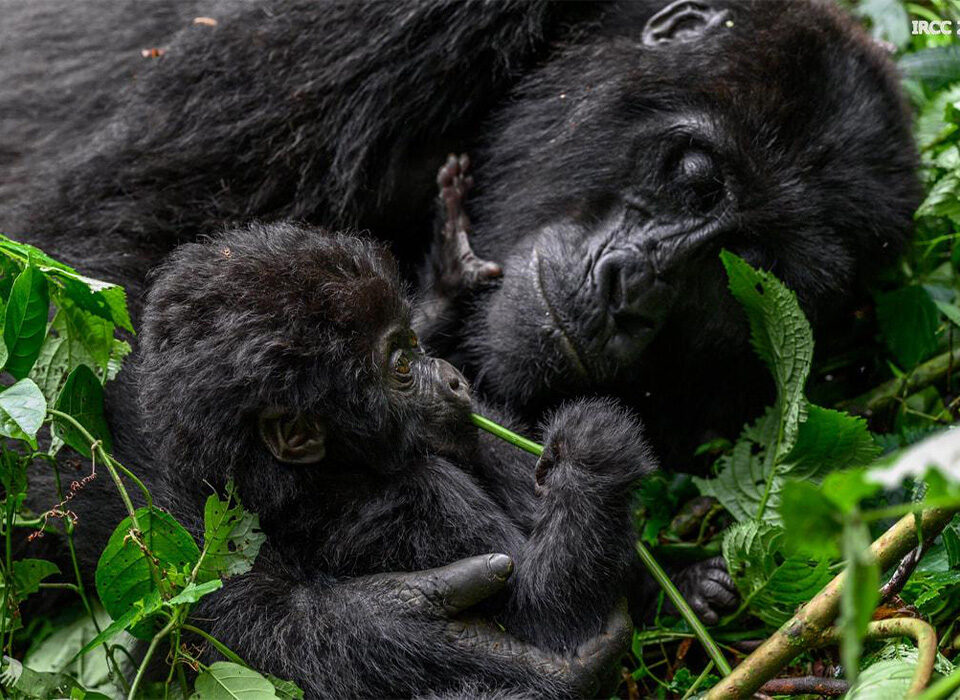
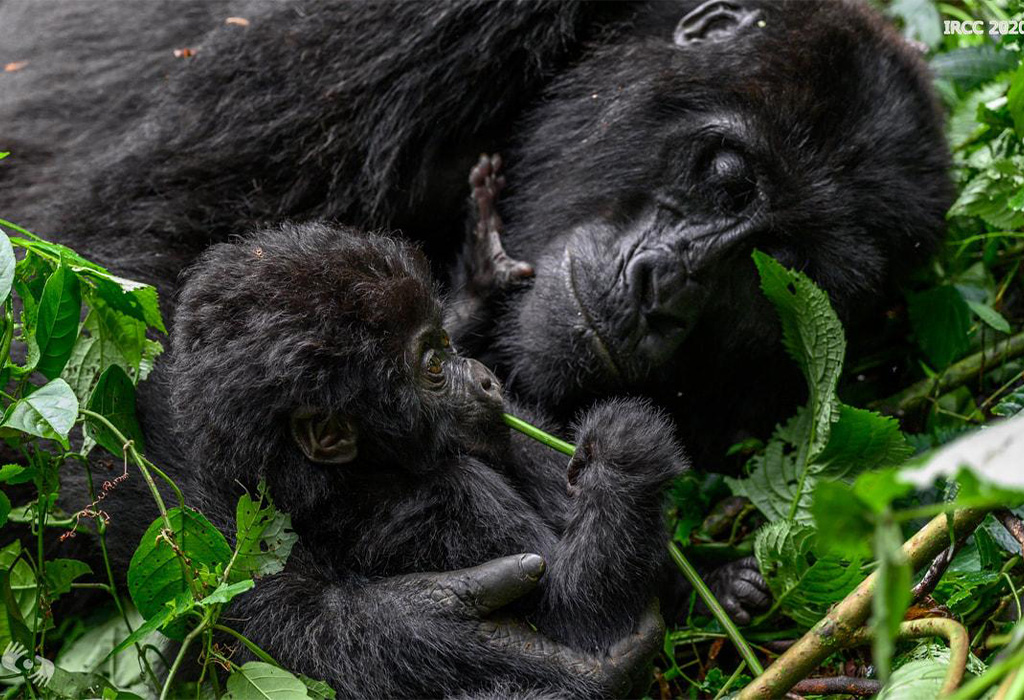
Infants: Baby gorillas remain close to their mothers and depend on them for protection, feeding and care. Watching mothers interact with their infants is often one of the most memorable moments during a gorilla trek.
In addition to these relationships, mountain gorillas communicate through vocalisations, facial expressions, body postures and physical interactions.
During your trek, you may witness grooming, chest beating, feeding, resting and playful encounters. Although mountain gorillas possess considerable physical strength, they generally display peaceful behaviour when visitors respect their space and follow the park regulations.
Gorilla Trekking in Volcanoes National Park, Rwanda
Gorilla trekking remains the main tourism activity associated with Rwanda’s habituated gorilla families. The experience involves hiking through the forest with experienced park guides and trackers to locate a designated gorilla group.
The adventure normally begins early in the morning at the Kinigi park headquarters. Upon arrival, visitors register, present their permits and attend a briefing conducted by park officials.
During this briefing, rangers explain the trekking procedures, safety precautions and responsible wildlife viewing practices. They then allocate visitors to available gorilla families according to operational arrangements and individual circumstances.
After the briefing, visitors begin their forest hike accompanied by experienced guides and trackers. Depending on the gorillas’ location, terrain and weather conditions, the trek may take approximately two to six hours or longer.
Once the trackers locate the family, visitors receive up to one hour to observe the gorillas.
During this special encounter, you may witness:
- Silverbacks resting, feeding or protecting their families.
- Mothers carrying and nursing their infants.
- Juvenile gorillas playing and climbing through vegetation.
- Adult gorillas grooming one another.
- Family members communicating through vocalisations and body movements.
Throughout the encounter, your guide ensures that you maintain the recommended distance and follow conservation regulations.
Ultimately, gorilla trekking provides more than an ordinary wildlife viewing experience. It allows visitors to understand the behaviour, relationships and conservation needs of one of the world’s most remarkable primates.
Rwanda Gorilla Trekking Permit Costs
A valid gorilla trekking permit is compulsory for anyone wishing to visit habituated mountain gorilla families in Volcanoes National Park.
As of November 2026, the standard permit price for international foreign non-resident visitors is US$1,500 per person. The permit allows one visitor to participate in a single gorilla trekking experience and spend up to one hour with the allocated family.
However, other visitor categories may qualify for promotional rates, depending on Rwanda Development Board regulations and eligibility requirements.
Before booking your safari, take note of the following permit requirements:
- The minimum age for gorilla trekking is 15 years.
- A maximum of eight visitors can visit one gorilla family per day.
- Each trekking group receives up to one hour with the gorillas.
- Visitors should book permits in advance, particularly during busy travel periods.
- Travellers must provide accurate passport and personal information when booking.
Since permit availability can change, we recommend securing your permit before finalising other safari arrangements. This approach helps you confirm your preferred trekking date and organise accommodation and transportation accordingly.
Best Time to Visit Rwanda Habituated Gorilla Families
Rwanda offers mountain gorilla trekking throughout the year. Nevertheless, some months provide more favourable hiking conditions because of differences in rainfall and forest conditions.
Dry seasons: June to September and December to February
These months generally provide favourable conditions for gorilla trekking. Rainfall tends to decrease, and forest trails often become less muddy. Consequently, visitors may find it easier to navigate the volcanic slopes and forest paths.
For this reason, many travellers prefer these periods when planning their Rwanda gorilla trekking safaris.
Rainy seasons: March to May and October to November
During these months, Rwanda generally experiences more rainfall. As a result, forest trails can become slippery, while thick vegetation may make certain sections of the trek more challenging.
However, the rainy season also offers several advantages. The surrounding landscape becomes beautifully green, and photographers can capture stunning views of the forests and volcanic mountains.
Importantly, mountain gorillas do not migrate seasonally in the same way as some other wildlife species. Instead, their daily movements depend largely on food availability, weather and social activities.
Therefore, you can enjoy gorilla trekking throughout the year, provided you prepare for the prevailing weather conditions.
Accommodation Near Volcanoes National Park
Choosing suitable accommodation forms an important part of planning a Rwanda gorilla trekking safari. Fortunately, several lodges and hotels around Musanze and Kinigi provide convenient access to Volcanoes National Park headquarters.
Travellers can choose from budget, mid-range and luxury accommodation depending on their preferences and safari budgets.
Some popular options include:
- Bisate Lodge: A luxury accommodation option offering beautiful views and an exclusive forest setting.
- Sabyinyo Silverback Lodge: A well-known lodge located close to Volcanoes National Park.
- Five Volcanoes Boutique Hotel: A comfortable accommodation choice near Musanze.
- Mountain Gorilla View Lodge: A popular option for travellers seeking accommodation close to the park.
- Le Bambou Gorilla Lodge: A safari lodge offering convenient access to the gorilla trekking area.
- Gorilla Volcanoes Hotel: An accommodation option in the Musanze region.
- La Paillotte Gorilla Place: Another option for visitors exploring the Volcanoes National Park area.
Accommodation rates vary according to the season, room category, meal arrangements and available facilities. Therefore, travellers should compare available properties before making their reservations.
At Experiya Tour Company, we help visitors select suitable accommodation based on their travel budgets, preferred comfort levels and gorilla trekking arrangements.
How to Reach Volcanoes National Park from Kigali
Volcanoes National Park is easily accessible by road from Kigali International Airport. The journey normally takes approximately two to three hours, depending on traffic and road conditions.
Most visitors first arrive in Kigali before transferring to Musanze, the main town serving Volcanoes National Park.
A typical journey involves the following steps:
- Arrival at Kigali International Airport: Your safari driver-guide welcomes you upon arrival.
- Meet-and-greet: After completing airport formalities, you meet your guide and prepare for the transfer.
- Scenic road transfer: Travel through Rwanda’s beautiful countryside towards Musanze.
- Optional stopovers: Depending on your schedule, you can make brief stops for photography, refreshments or sightseeing.
- Arrival at your lodge: Check in, relax and prepare for your gorilla trekking adventure the following morning.
Private 4×4 safari vehicles provide a convenient transportation option because they offer comfort and flexibility. Moreover, they make it easier to organise transfers between Kigali, accommodation facilities and the park headquarters.
Responsible Gorilla Trekking and Conservation
Mountain gorillas are endangered primates that require continuous protection. Fortunately, responsible tourism plays an important role in supporting conservation programmes, protected areas, monitoring activities and communities living around Volcanoes National Park.
However, every visitor also has a responsibility to protect these remarkable animals. By following park regulations, tourists help minimise disturbance and reduce the risk of transmitting diseases to gorillas.
During your trekking experience, observe the following guidelines:
- Maintain a minimum distance of seven metres from the gorillas, as directed by park authorities.
- Do not visit the gorillas when suffering from contagious illnesses.
- Avoid loud noises and sudden movements.
- Never feed or touch the gorillas.
- Do not litter inside the forest.
- Follow your guide’s instructions throughout the experience.
- Keep your voice low when observing the family.
Furthermore, visitors should remain calm if a gorilla approaches them. Instead of making sudden movements, follow the instructions provided by your guide.
These measures help protect gorilla health, preserve their natural behaviour and ensure that future generations can continue enjoying this extraordinary wildlife experience.
Book Your Rwanda Gorilla Trekking Safari with Experiya Tour Company
Exploring Rwanda’s habituated gorilla families ranks among the most rewarding wildlife experiences in East Africa. From watching a dominant silverback protect his family to observing young gorillas playing in the forest, every encounter provides a deeper understanding of these remarkable primates.
At Experiya Tour Company, we organise Rwanda gorilla trekking safaris around your travel dates, accommodation preferences and budget. We handle essential arrangements, including gorilla permit bookings, airport transfers, private safari transportation, accommodation reservations and experienced driver-guides.
Whether you are planning a short gorilla trekking excursion from Kigali or combining Rwanda with Uganda for an extended East African safari, our team can help you create a memorable itinerary.
Moreover, we can customise your safari to include other exciting experiences, such as golden monkey tracking, cultural visits and scenic excursions around Rwanda.
Contact Experiya Tour Company today to plan your Rwanda gorilla trekking adventure and discover the extraordinary mountain gorillas of Volcanoes National Park.